Sidi Bishr, Alexandria tide times
Sidi Bishr, Alexandria tide forecast — heights relative to MSL.
Tide chart for Sidi Bishr, Alexandria
24-hour cosine-interpolated curve around the present moment. Heights relative to MSL. Predictions: Predictions: Open-Meteo Marine (MeteoFrance SMOC, 0.08° grid).
Sun, moon and conditions on Mon 03 Aug
Snapshot at build time — refreshes daily. Sea state from Open-Meteo Marine.
Highs and lows next 7 days
Every predicted high and low for the next week, with the daily tidal coefficient (0–120; higher = bigger swing, > 95 means stronger currents).
Other spots nearby
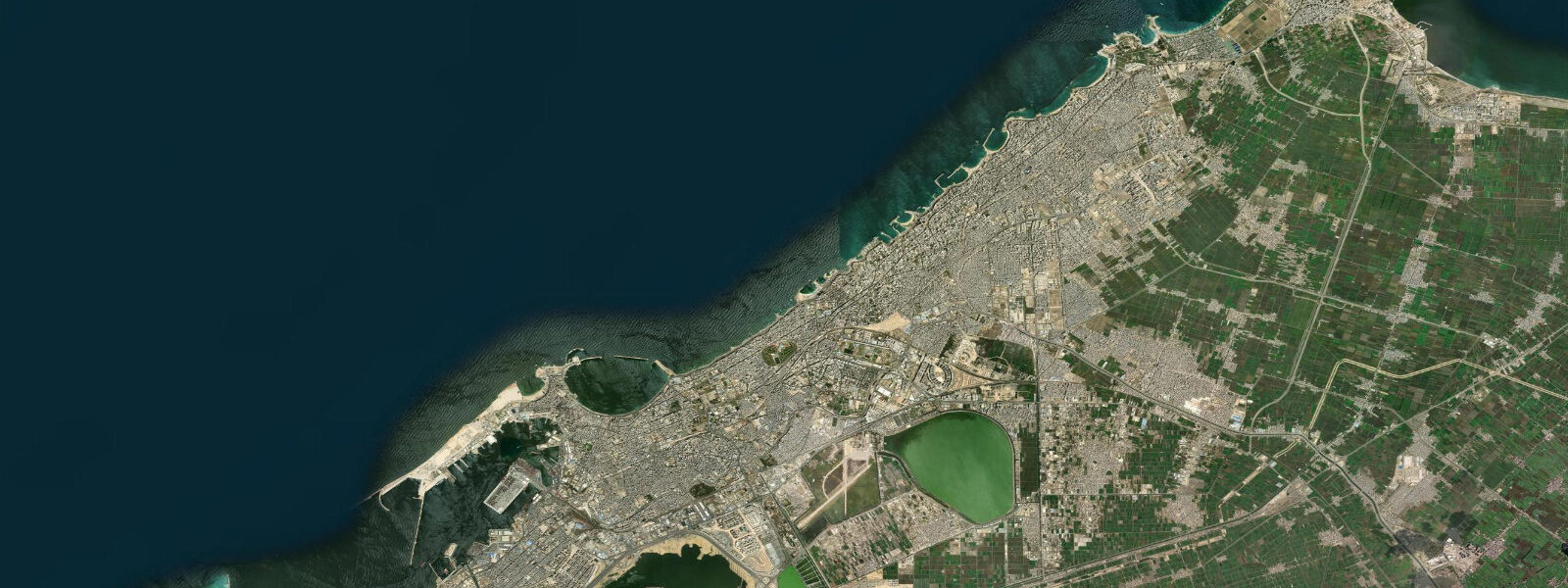
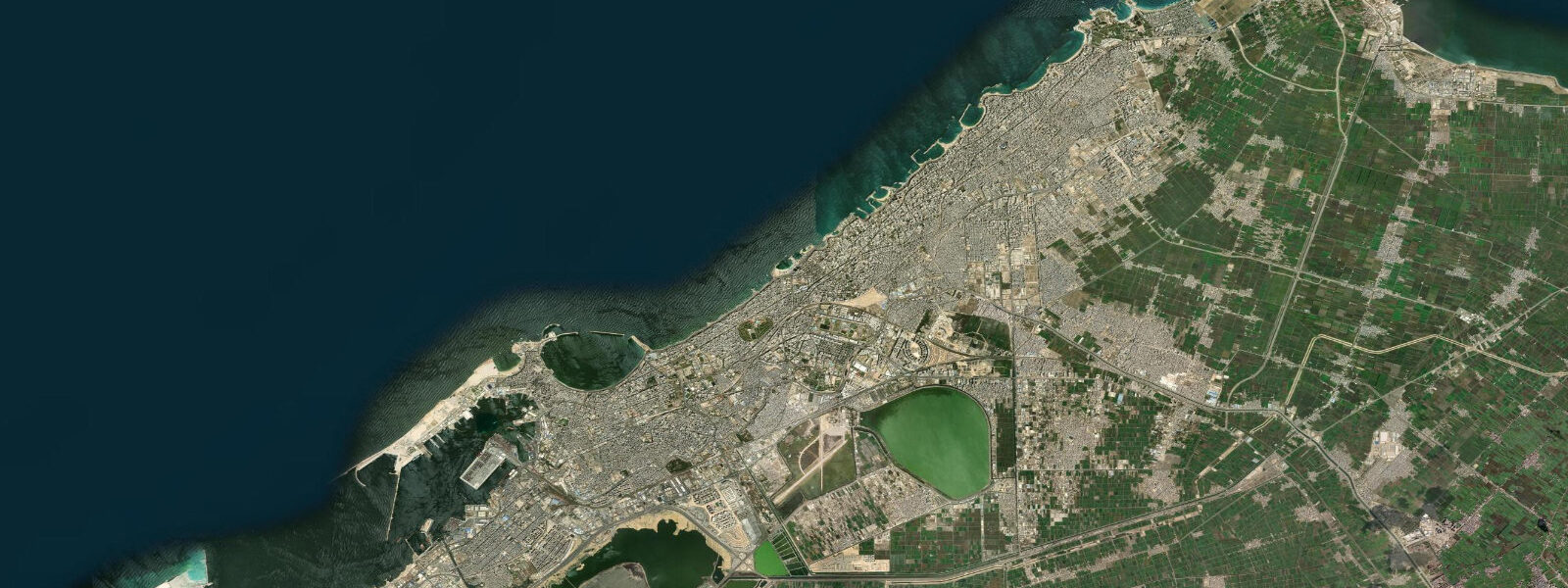
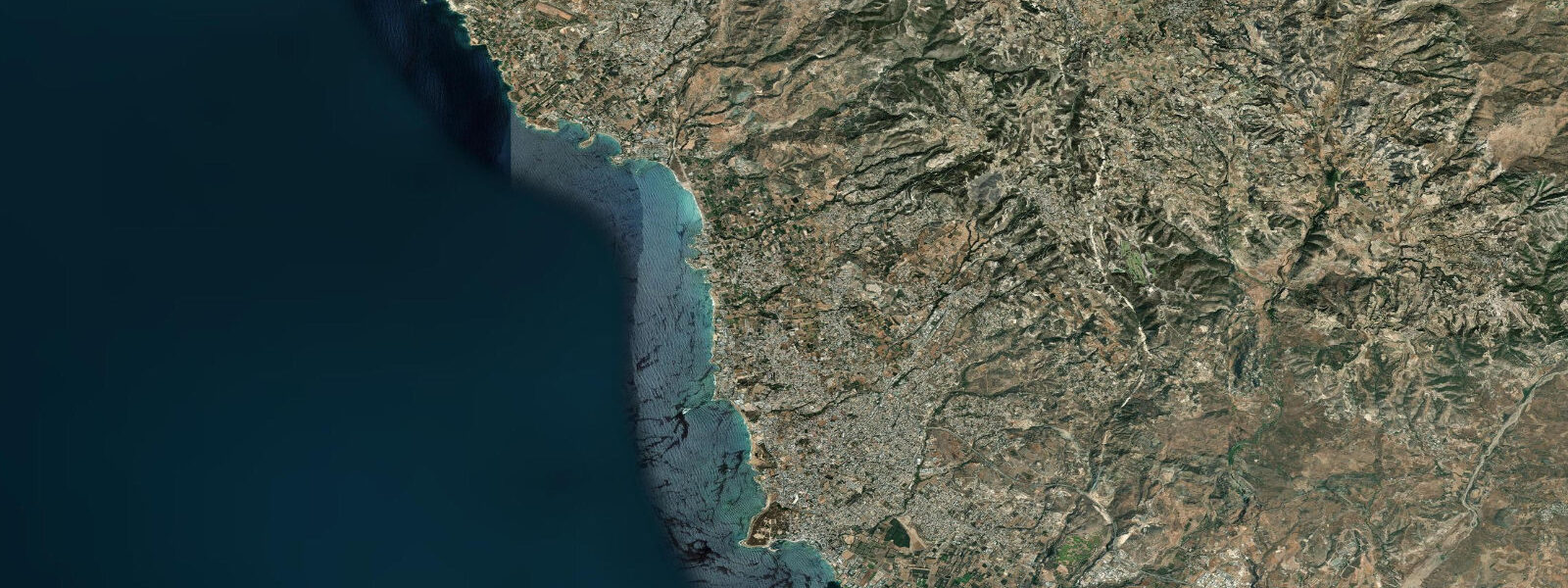
The three closest curated TideTurtle locations to Sidi Bishr, Alexandria, measured by great-circle distance.
Today's solunar windows
Solunar tradition: major periods are the ≈3h windows around moon transit and opposition; minor are ≈2h around moonrise and moonset. Pair with the local tide stage and wind for the best read.
About tides at Sidi Bishr, Alexandria
A short guide to the coastline at Sidi Bishr, Alexandria — geography, sea state, and what the tide is actually doing under your feet.
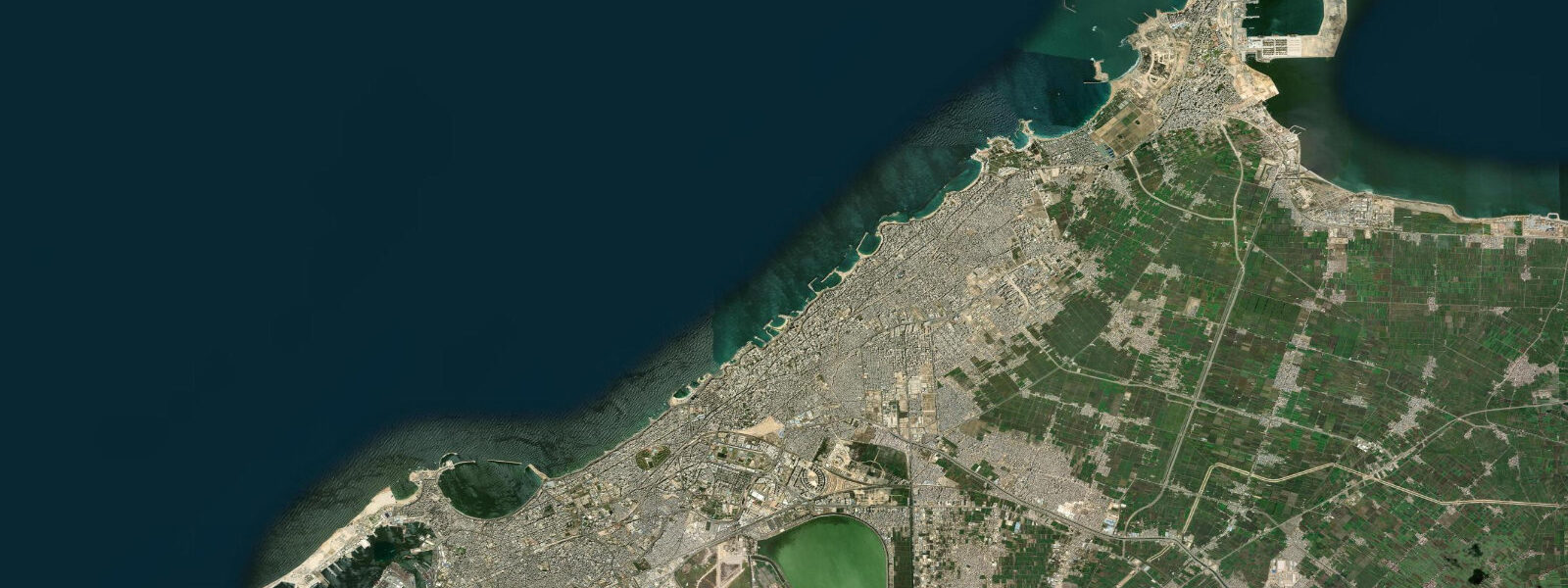
Sidi Bishr is the most popular public beach district in Alexandria, 6 km east of the city centre along the Mediterranean coast. It is emphatically urban beach — the city runs directly to the sand, Al Corniche road borders the top of the beach for its entire length, and on a July Friday the beach holds more people per square metre than most coastal places in Egypt. Understanding how the water behaves here requires understanding that the Mediterranean is a different sea from the Red Sea, with a different tidal regime and a different relationship between wind, surge, and shoreline.
The Mediterranean at Alexandria is microtidal. Mean tidal range at Sidi Bishr is 0.1 to 0.3 m — the astronomical tide contributes almost nothing to daily water level variation. What governs water levels here is meteorological: NW storms driving onshore across open Mediterranean fetch can raise water levels 0.5 to 0.8 m above predicted astronomical level within hours. This wind-driven setup, called storm surge, is the real tidal story for Sidi Bishr. When a strong NW depression tracks south across the central Mediterranean in November or January, the surge can push the sea over the beach promenade and onto Al Corniche road. The 2010 and 2015 Alexandria coastal storms both produced this pattern — waves overtopping the promenade wall at Sidi Bishr and flooding the road above.
Al Corniche is one of the longest urban waterfronts in Africa at 26 km total length, running the full arc of Alexandria's Mediterranean coast from the Western Harbour in the west to Abu Qir Bay in the east. At Sidi Bishr, the road sits on a raised embankment above the beach — a position that provides the promenade with some protection but also acts as a seawall that reflects wave energy back onto the beach during storm events, accelerating erosion at the base of the structure.
Beach erosion is a persistent management challenge at Sidi Bishr. The beach has received imported sand on multiple occasions through successive renovation programmes — most recently in 2019 and 2022 — because longshore drift removes natural sand to the east (toward Abu Qir Bay) faster than it is replenished. The resulting beach is wide at the time of renovation and progressively narrower over subsequent years. The cross-section varies by season: summer beaches in July are typically 30 to 40 m wide from the promenade wall to the water's edge at low water; by March after a storm season, some sections are at 15 to 20 m.
Summer sea temperatures at Sidi Bishr reach 28 to 29°C in August, making the Mediterranean comfortable for extended swimming. This is the primary driver of the summer beach crowd. Egyptian summer (June to September) draws families from Cairo and other inland cities to the Alexandria coast; Sidi Bishr is the accessible public option for visitors who are not staying in private club or resort facilities. The beach is free, the Corniche is accessible by public transport, and the density in summer reflects that.
Winter swimming is done, but by a considerably smaller and more dedicated group. Sea temperature drops to 17 to 19°C in January and February — cold by Mediterranean standards for the latitude, owing to the relatively open fetch allowing thermal exchange with cooler northerly air. Regular winter swimmers at Sidi Bishr exist; they are not tourists, they are Alexandrians who have been doing it for years.
For photographers, Sidi Bishr offers an urban coast composition that has no equivalent in Egypt: the layered scene of beach, promenade, corniche traffic, and city buildings stacked behind. Morning light from the east catches the Mediterranean surface and the white corniche balustrade. In winter, storm-sky conditions over the sea produce dramatic backdrops — the Mediterranean grey-green against the corniche's white — and occasional overtopping spray gives action frames that are otherwise hard to get on Egypt's coasts. Montazah Palace gardens are visible 4 km to the east, providing a tree-covered headland above the coast that appears in wide-angle corniche compositions.
For anglers, Sidi Bishr's concrete promenade provides shore fishing access along most of its length. Target species are mullet, sea bream, and occasional sea bass. The microtidal range means fishing time is not tidal-state dependent in the way Red Sea fishing is; instead, the productive period correlates with current patterns driven by wind direction and with early morning and late evening light.
Tide data for Sidi Bishr, Alexandria comes from the Open-Meteo Marine API, a gridded model product. Timing accuracy is ±45 minutes, height accuracy ±0.3 m — usable for trip planning, not for navigation.
Tide questions about Sidi Bishr, Alexandria
Quick answers to the most common questions about tide times, range, and water access at Sidi Bishr, Alexandria.
What is the tidal range at Sidi Bishr beach in Alexandria?
The Mediterranean at Alexandria is microtidal — the astronomical tide contributes only 0.1 to 0.3 m to daily water level variation. For practical beach purposes, this means the water's edge position barely changes with the tidal cycle; you do not need to factor tidal state into beach setup the way you would on Atlantic coasts. What matters far more is meteorological water level change: NW storms can raise water levels 0.5 to 0.8 m above the predicted astronomical level within a few hours, significantly changing the beach profile and wave conditions. Watch NW storm forecasts rather than tidal charts if you are planning around water level at Sidi Bishr.
How crowded does Sidi Bishr beach get in summer?
Very crowded. Sidi Bishr is Alexandria's main public beach, free of charge and accessible by public transport, which makes it the primary coastal option for summer visitors who are not staying at private club facilities. Peak crowd periods are July and August, particularly on Fridays and public holidays. July Fridays see the highest density. If crowd avoidance matters, arrive before 09:00 or after 17:00 when families with children begin leaving. The beach is widest in June immediately after renovation replenishment, and sand coverage is better then; by late August, longshore drift and foot traffic have compressed the surface.
Is Sidi Bishr beach affected by storms and flooding?
Yes. Alexandria's NW winter storms produce storm surge that can raise sea level 0.5 to 0.8 m above predicted tide level, and the shore-perpendicular fetch across the Mediterranean allows wave heights of 1.5 to 2.5 m during major events. The promenade at Sidi Bishr has experienced wave overtopping during significant November and January storms — the embankment structure provides some protection but also reflects wave energy at the base. During named Mediterranean depressions tracking south of the Greek islands, check local weather warnings. Storm erosion after these events can remove substantial sand volume from the beach face in 24 hours.
What water temperature should I expect for swimming at Sidi Bishr?
Summer temperatures (June through September) reach 26 to 29°C, peaking in August — comfortable for extended swimming without a wetsuit. May and October are shoulder months at 22 to 24°C, manageable for most swimmers. Winter months (December to March) drop to 17 to 19°C, which is cold at this latitude — open Mediterranean fetch allows more northerly air interaction than more sheltered coastal sites. Winter swimming at Sidi Bishr is practised by regular locals who have adapted to it, but it is not comfortable for occasional visitors without a wetsuit.
Can I fish from the Sidi Bishr corniche, and what are the target species?
Shore fishing from the Al Corniche promenade is accessible along most of the Sidi Bishr frontage. The concrete promenade edge provides stable casting position and enough elevation to clear wave wash in moderate conditions. Target species include mullet, which work the shoreline in numbers year-round and are taken on small bread or worm rigs; sea bream in the 0.3 to 0.8 kg range; and occasional sea bass, more frequent in cooler months when they move inshore. The microtidal range means fishing is not tidal-state dependent — focus on early morning and late evening for reduced boat and swimmer traffic and better light conditions rather than tracking the tide.
4-day tide table — Sidi Bishr, Alexandria
Heights relative to MSL. Predictions: Open-Meteo Marine (MeteoFrance SMOC, 0.08° grid) — heights relative to MSL (not chart datum / LAT). Model-derived.
| Day | Type | Time | Height |
|---|---|---|---|
| Mon 03 Aug | — | ||
| Tue 04 Aug | High | 02:00 | -0.2m |
| Low | 08:00 | -0.4m | |
| High | 14:10 | -0.2m | |
| Wed 05 Aug | Low | 08:50 | -0.4m |
| Thu 06 Aug | High | 03:10 | -0.2m |
| Low | 10:00 | -0.3m | |