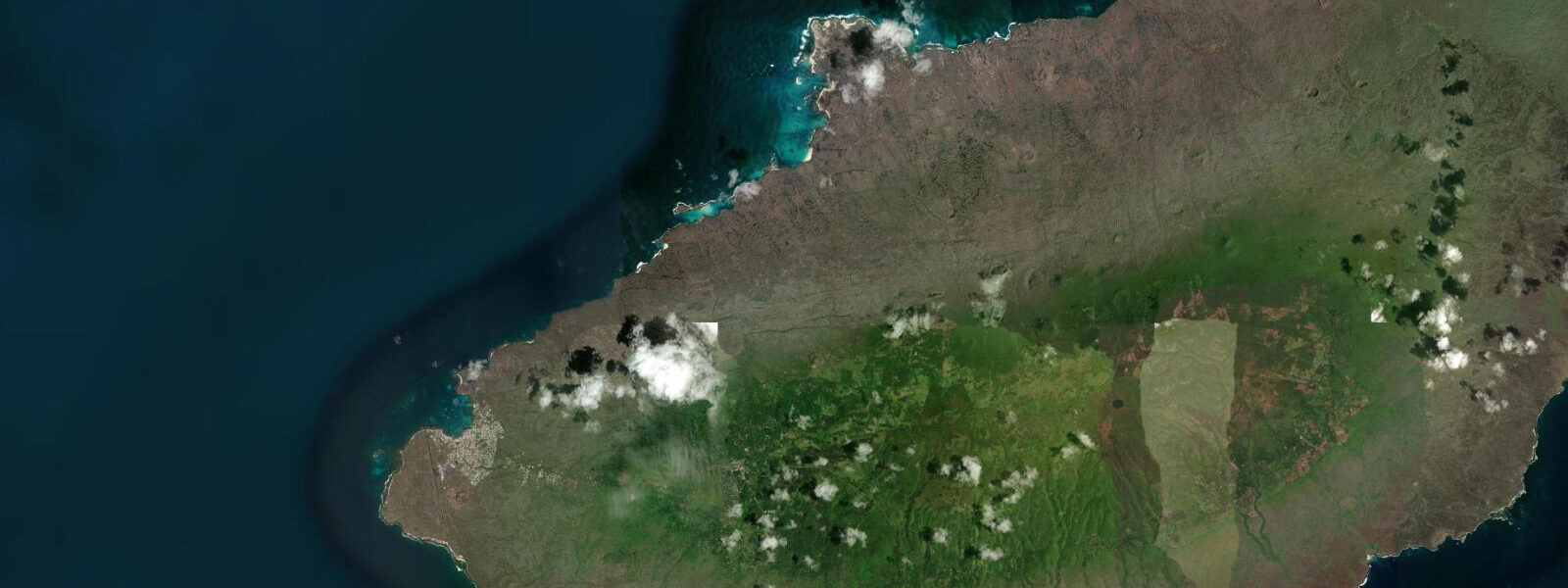
Puerto Baquerizo Moreno tide times
Puerto Baquerizo Moreno tide forecast — heights relative to MSL.
Today's tide times for Puerto Baquerizo Moreno
Tide times at Puerto Baquerizo Moreno on Tuesday, 4 August 2026: first low tide at 12:20am, first high tide at 06:36am, second low tide at 12:55pm, second high tide at 07:00pm. Sunrise 07:02am, sunset 07:06pm.
Tide chart for Puerto Baquerizo Moreno
24-hour cosine-interpolated curve around the present moment. Heights relative to MSL. Predictions: Predictions: Open-Meteo Marine (MeteoFrance SMOC, 0.08° grid).
Sun, moon and conditions on Tue 04 Aug
Snapshot at build time — refreshes daily. Sea state from Open-Meteo Marine.
Highs and lows next 7 days
Every predicted high and low for the next week, with the daily tidal coefficient (0–120; higher = bigger swing, > 95 means stronger currents).
Other spots nearby
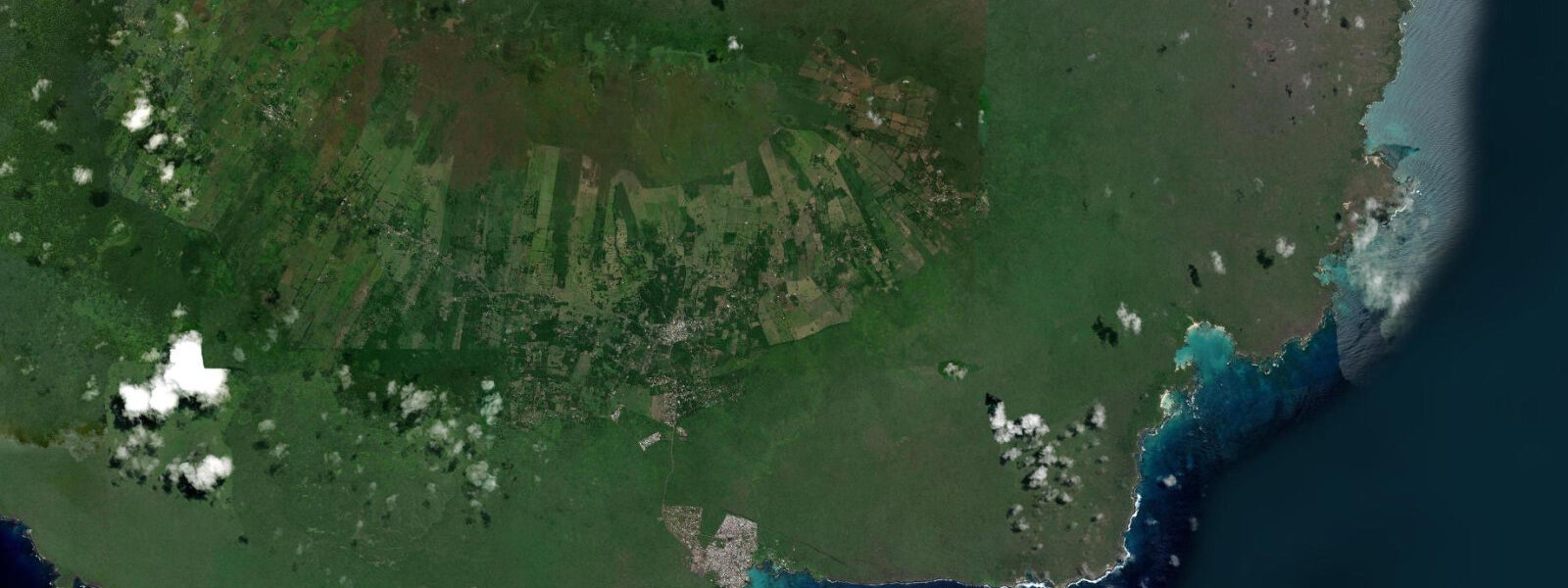
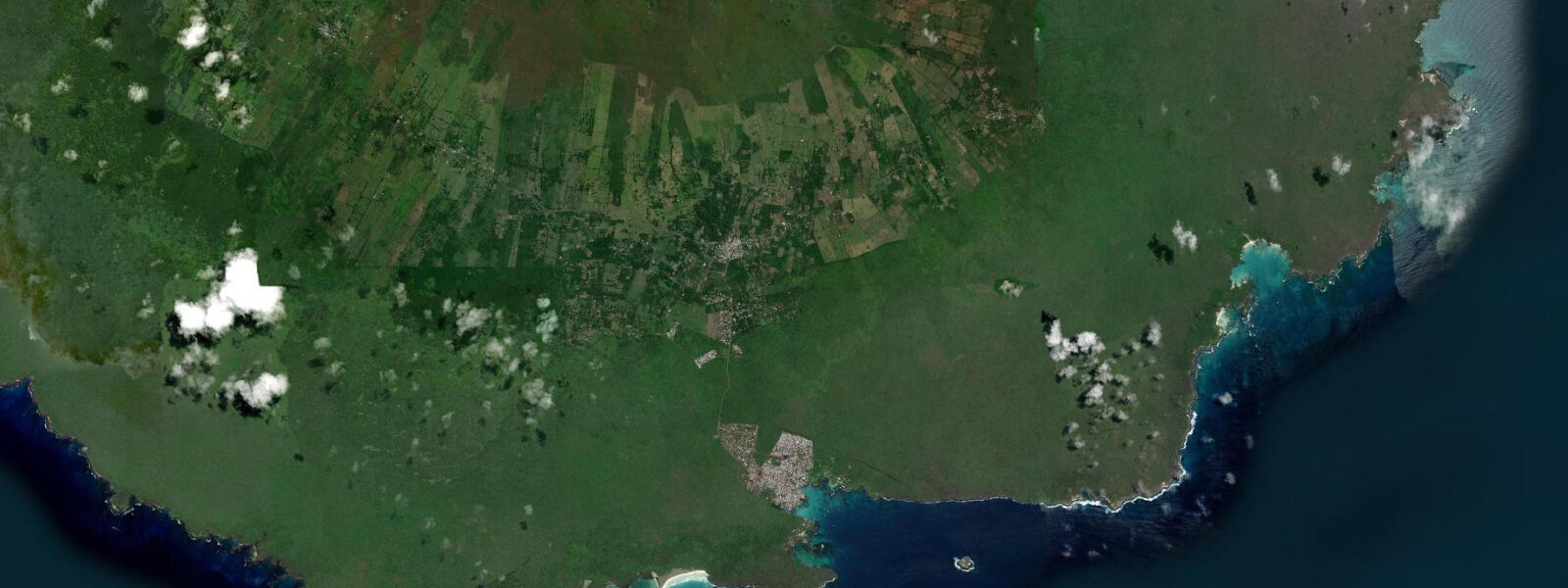
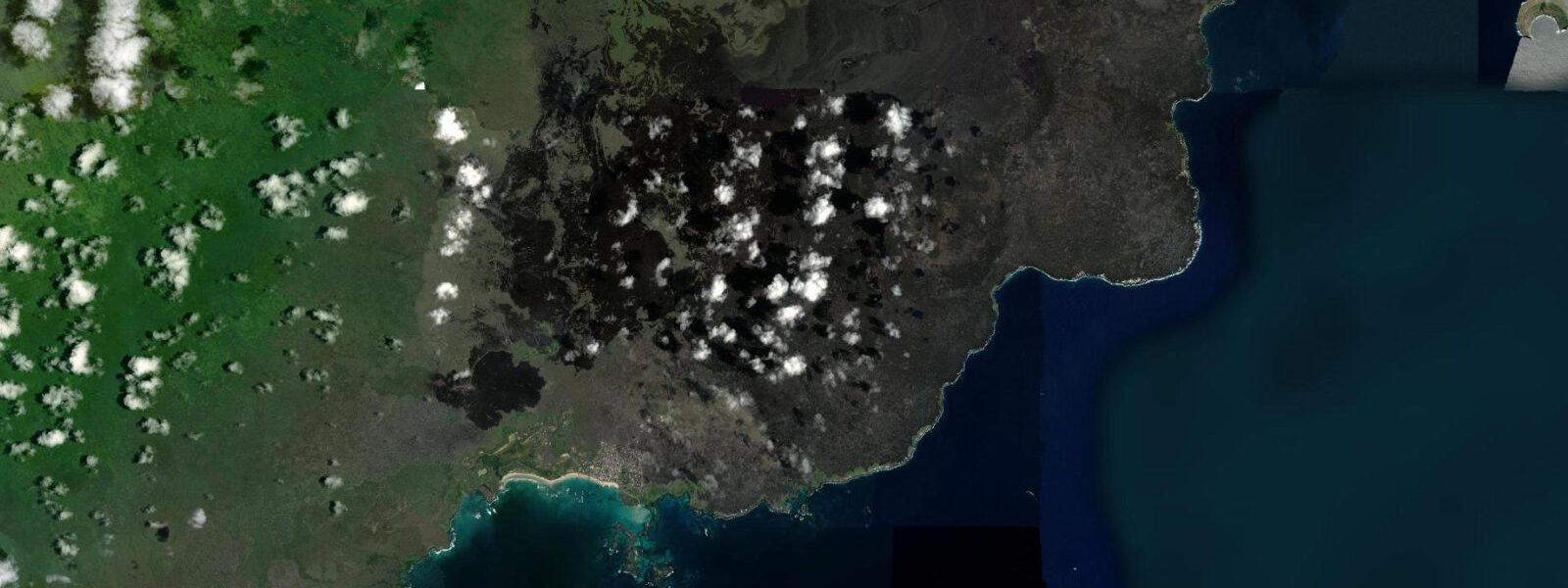
The three closest curated TideTurtle locations to Puerto Baquerizo Moreno, measured by great-circle distance.
Today's solunar windows
Solunar tradition: major periods are the ≈3h windows around moon transit and opposition; minor are ≈2h around moonrise and moonset. Pair with the local tide stage and wind for the best read.
Cycle dates near Puerto Baquerizo Moreno
Last spring tide on Mon 03 Aug (range 1.6m). Next spring tide on Sat 08 Aug (range 1.4m). Next neap on Fri 07 Aug.
Spring tides cluster around new and full moons (biggest swings). Neap tides land on quarter moons (smallest swings). See the spring tide and neap tide glossary entries for the why.
About tides at Puerto Baquerizo Moreno
A short guide to the coastline at Puerto Baquerizo Moreno — geography, sea state, and what the tide is actually doing under your feet.
Puerto Baquerizo Moreno is the capital of the Galápagos Province, located on the western coast of San Cristóbal Island — the easternmost island in the archipelago and historically the first landfall point for arriving ships. The town wraps around a protected bay behind the Punta del Faro headland; the main dock, the island's commercial street, and the local sea lion colony share the same compact waterfront.
The sea lion colony at Puerto Baquerizo Moreno is one of the most immediately accessible wildlife encounters in the Galápagos. Galápagos sea lions (Zalophus wollebaeki) haul out on the concrete benches of the main dock, the central plaza, and the town beach; they are entirely habituated to human presence within a few metres. The beach immediately south of the dock — Playa Mann — is the town swimming beach. The sea lions use this same beach; it is normal to share the water with them.
The tidal regime at San Cristóbal follows the same semidiurnal pattern as Santa Cruz: spring range approximately 1.8–2.2 m above Chart Datum, with moderate diurnal inequality. The bay at Puerto Baquerizo Moreno opens to the northwest; the outer coast of San Cristóbal faces the open Pacific and receives more exposure. The most notable tidal feature on this island is the lagoon at La Lobería, 2 km SW of town, where a mixed-species sea lion colony rests on the basalt platforms that are exposed at low water and partially submerged at high.
Punta Carola, immediately north of town at the headland, is the main bodyboard and surf spot for local residents; the beach break here is accessible on foot from the dock in 10 minutes. The wave works on all tide states but is most powerful mid-tide on a moderate SW swell. The reef on the northern arm of the bay is snorkellable at high water; the rocky platform dries out at low water and requires care when entering or exiting.
Leon Dormido (Kicker Rock), a dramatic twin-spire formation 3 km offshore, is the premier dive and snorkelling site on San Cristóbal. The channel between the two spires generates tidal current when the tide is running; hammerhead sharks, Galápagos sharks, and sea turtles use the channel. Dive boats time their entry into the channel at slack water (10–20 minutes around the predicted high or low) when the current is minimal; the drift through the channel on a running tide is possible but requires experience.
The official INOCAR tide gauge for San Cristóbal is located at Puerto Baquerizo Moreno. Tide predictions here come from Open-Meteo Marine: accuracy ±45 min / ±0.2–0.3 m. For navigation within the Galápagos Marine Reserve, use INOCAR harmonic data.
The Interpretation Centre (Centro de Interpretación) on the hill above town provides an outstanding overview of Galápagos natural and human history; it is one of the best natural-history museums in Ecuador and a two-hour visit before the day's activities gives useful context for the wildlife encounters. The hilltop above the Centre gives clear views over the bay and the outer Pacific. The road from town to La Lobería passes the Playa de los Lobos (a sheltered beach inside the bay entrance with a small sea lion colony) and the Playa Ochoa; both are accessible at all tide states and the sea lion population at Playa de los Lobos is active day and night.
The Kicker Rock formation, visible as a silhouette from the Puerto Baquerizo Moreno waterfront on clear days, is 3 km offshore; the shape that gives it its English name is best seen from the NE approach by water taxi. The twin spires are protected rock; landing is not permitted, but circumnavigation by boat is a regular tour activity. The full circumnavigation (approximately 30 minutes) reveals the internal channel where tidal current runs. Dawn departures from the dock take advantage of the calmer morning sea.
Tide questions about Puerto Baquerizo Moreno
Quick answers to the most common questions about tide times, range, and water access at Puerto Baquerizo Moreno.
When is the best time to dive the channel at Leon Dormido (Kicker Rock)?
The channel between Leon Dormido's two spires is best dived at or near slack water — the 10–20 minute window around the predicted high or predicted low when tidal current through the channel is minimal and visibility is highest. A running tidal current reduces visibility through suspended particles and can make the channel crossing strenuous. Experienced divers and dive guides sometimes time a drift entry on a light flood current; confirm current plans with your dive operator, who will have local knowledge of the timing offset between the predicted Puerto Baquerizo Moreno tide and the actual slack at Kicker Rock. The dive operator will have site-specific timing information for Leon Dormido slack water, which may differ by 15–30 minutes from the Puerto Baquerizo Moreno predicted tide.
Why are sea lions on the public benches and dock at Puerto Baquerizo Moreno?
Galápagos sea lions (Zalophus wollebaeki) are native and fully protected throughout the Galápagos Marine Reserve; they have no land-based predators and no conditioning to fear humans. The concrete structures of the dock and plaza radiate heat absorbed during the day, making them preferred hauling-out spots particularly in the early morning and evening. Sea lion presence on the dock and beach is heaviest after low water when the animals return from foraging; during the afternoon high-water period many move offshore to feed.
Where do the tide predictions on this page come from?
Open-Meteo Marine, a gridded global ocean model. Accuracy is typically ±45 minutes on timing and ±0.2–0.3 m on height. INOCAR (Instituto Oceanográfico de la Armada del Ecuador) operates the official tide gauge at Puerto Baquerizo Moreno and is the authoritative source for Galápagos tide data. This page is not for navigation; for navigation within the Galápagos Marine Reserve, use INOCAR harmonic predictions. The Capitanía de Puerto at Puerto Baquerizo Moreno maintains a harbour-side tide board; posted times match the INOCAR harmonic predictions.
Is Playa Mann suitable for swimming year-round?
Playa Mann is San Cristóbal's main town beach and is swimmable year-round, with sea lions sharing the water. The water is calmest in the morning before the afternoon wind picks up. Water temperature ranges from 19–22°C during the cool season (July–November) to 25–28°C during the warm season (January–April). There is no permanent lifeguard; the beach is sheltered enough that rip current risk is low except during periods of large swell arriving from the SW. Do not approach sea lions in the water — maintain a 2 m distance as required by park regulations.
What does the tide do to La Lobería sea lion colony?
La Lobería is a basalt rock platform and adjacent beach 2 km southwest of town. At low water, the full extent of the rock platform is exposed and sea lions spread out across the entire platform area. As the tide rises, the lower sections of the platform are submerged and the sea lions concentrate onto the higher rocks and the beach. The most photogenic low-water window is from 90 minutes before to 90 minutes after the predicted low, when the basalt patterns and the animals are fully accessible. At high water, many sea lions move into the water or to the upper beach.
7-day tide table — Puerto Baquerizo Moreno
Heights relative to MSL. Predictions: Open-Meteo Marine (MeteoFrance SMOC, 0.08° grid) — heights relative to MSL (not chart datum / LAT). Model-derived.
| Day | Type | Time | Height |
|---|---|---|---|
| Tue 04 Aug | Low | 00:20 | -0.4m |
| High | 06:36 | 1.2m | |
| Low | 12:55 | -0.4m | |
| High | 19:00 | 1.0m | |
| Wed 05 Aug | Low | 01:00 | -0.3m |
| High | 07:20 | 1.1m | |
| Low | 13:42 | -0.3m | |
| High | 19:52 | 0.9m | |
| Thu 06 Aug | Low | 01:51 | -0.2m |
| High | 08:10 | 1.0m | |
| Low | 14:38 | -0.3m | |
| High | 20:55 | 0.8m | |
| Fri 07 Aug | Low | 02:53 | -0.1m |
| High | 09:12 | 1.0m | |
| Low | 15:50 | -0.2m | |
| High | 22:10 | 0.8m | |
| Sat 08 Aug | Low | 04:10 | -0.1m |
| High | 10:25 | 1.0m | |
| Low | 17:06 | -0.2m | |
| Sun 09 Aug | High | 11:42 | 1.0m |
| Low | 18:18 | -0.3m | |
| Mon 10 Aug | High | 00:42 | 1.0m |
| Low | 06:50 | -0.2m | |
| High | 12:56 | 1.1m | |
| Low | 18:00 | -0.3m |