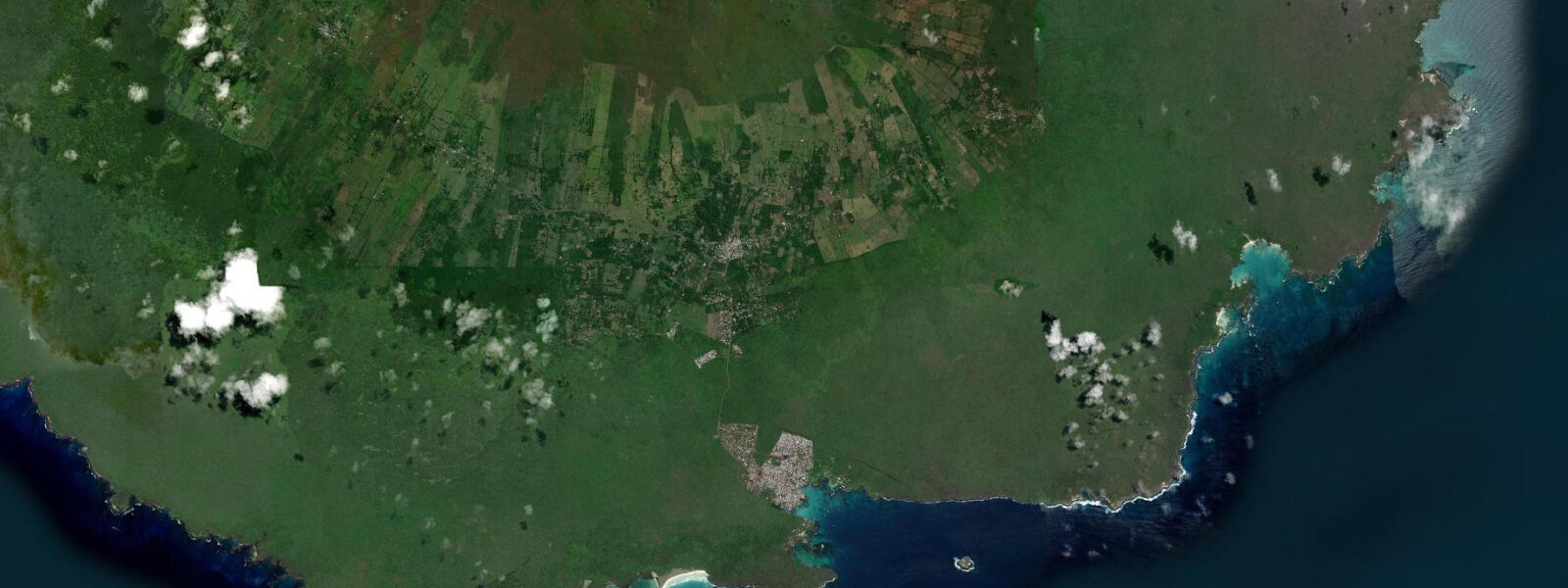
Tortuga Bay, Santa Cruz, Galápagos tide times
Tortuga Bay, Santa Cruz, Galápagos tide forecast — heights relative to MSL.
Today's tide times for Tortuga Bay, Santa Cruz, Galápagos
Tide times at Tortuga Bay, Santa Cruz, Galápagos on Tuesday, 4 August 2026: first low tide at 12:19am, first high tide at 06:37am, second low tide at 12:54pm, second high tide at 07:00pm. Sunrise 07:04am, sunset 07:10pm.
Tide chart for Tortuga Bay, Santa Cruz, Galápagos
24-hour cosine-interpolated curve around the present moment. Heights relative to MSL. Predictions: Predictions: Open-Meteo Marine (MeteoFrance SMOC, 0.08° grid).
Sun, moon and conditions on Tue 04 Aug
Snapshot at build time — refreshes daily. Sea state from Open-Meteo Marine.
Highs and lows next 7 days
Every predicted high and low for the next week, with the daily tidal coefficient (0–120; higher = bigger swing, > 95 means stronger currents).
Other spots nearby
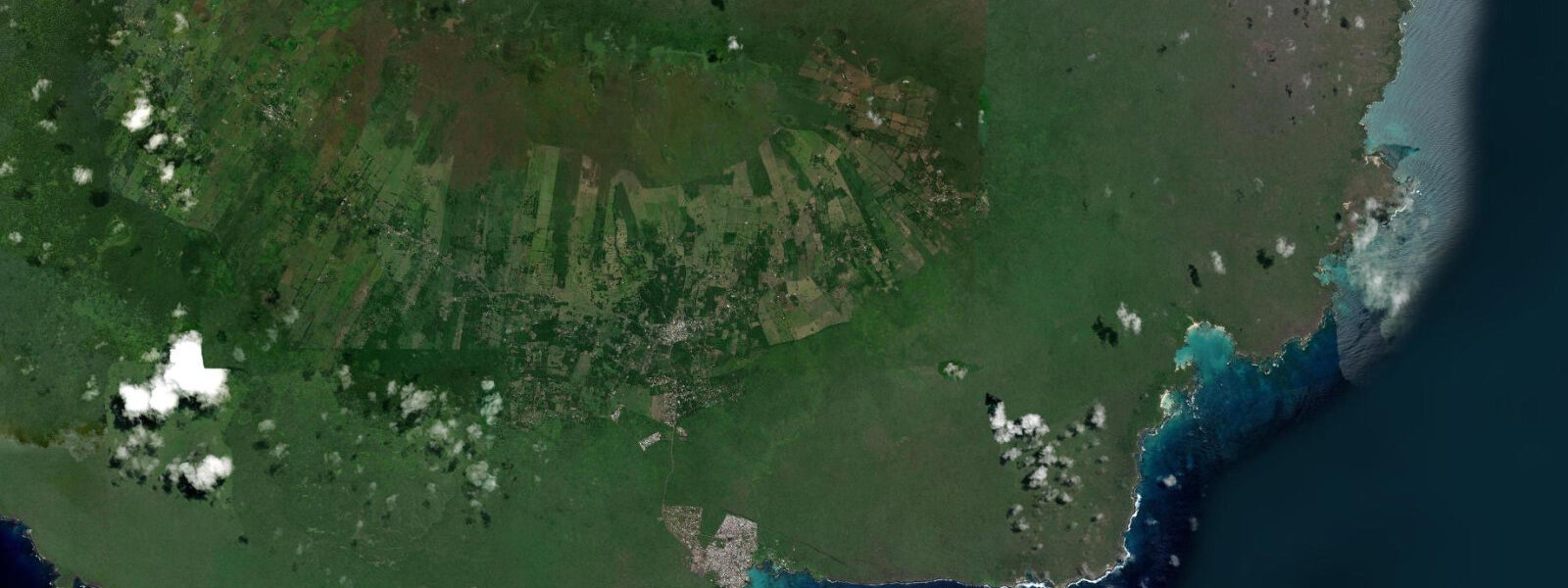
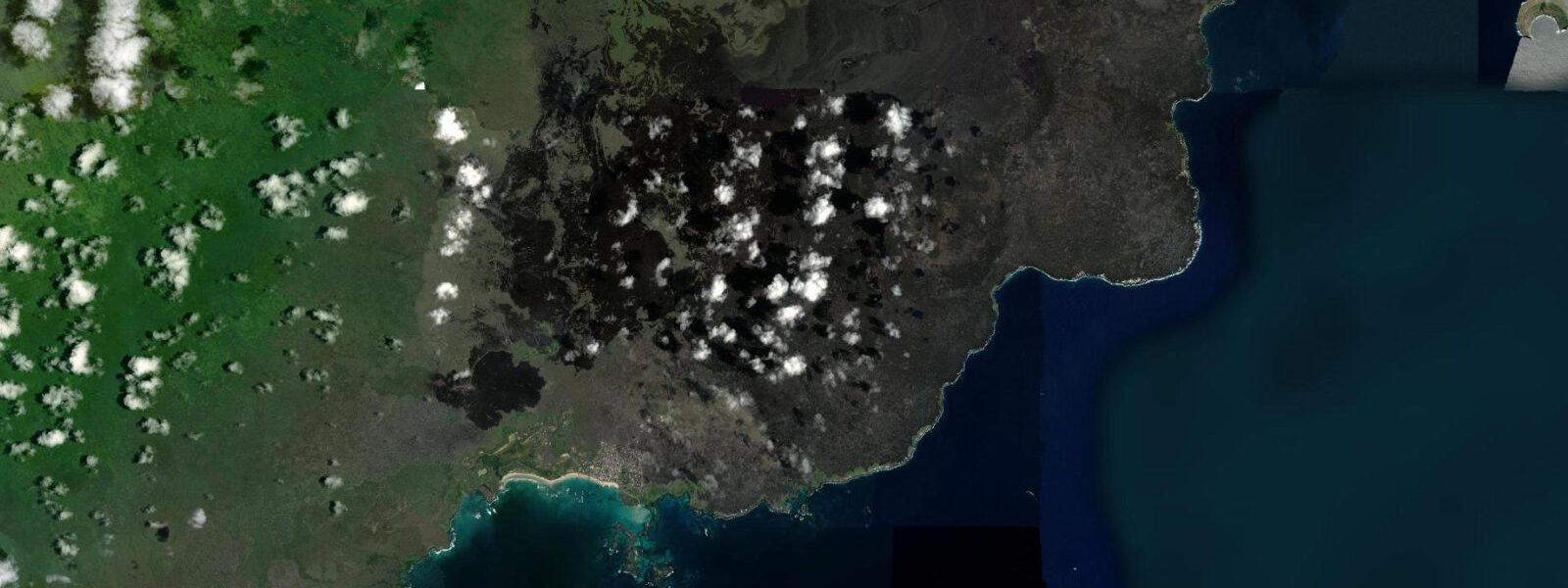
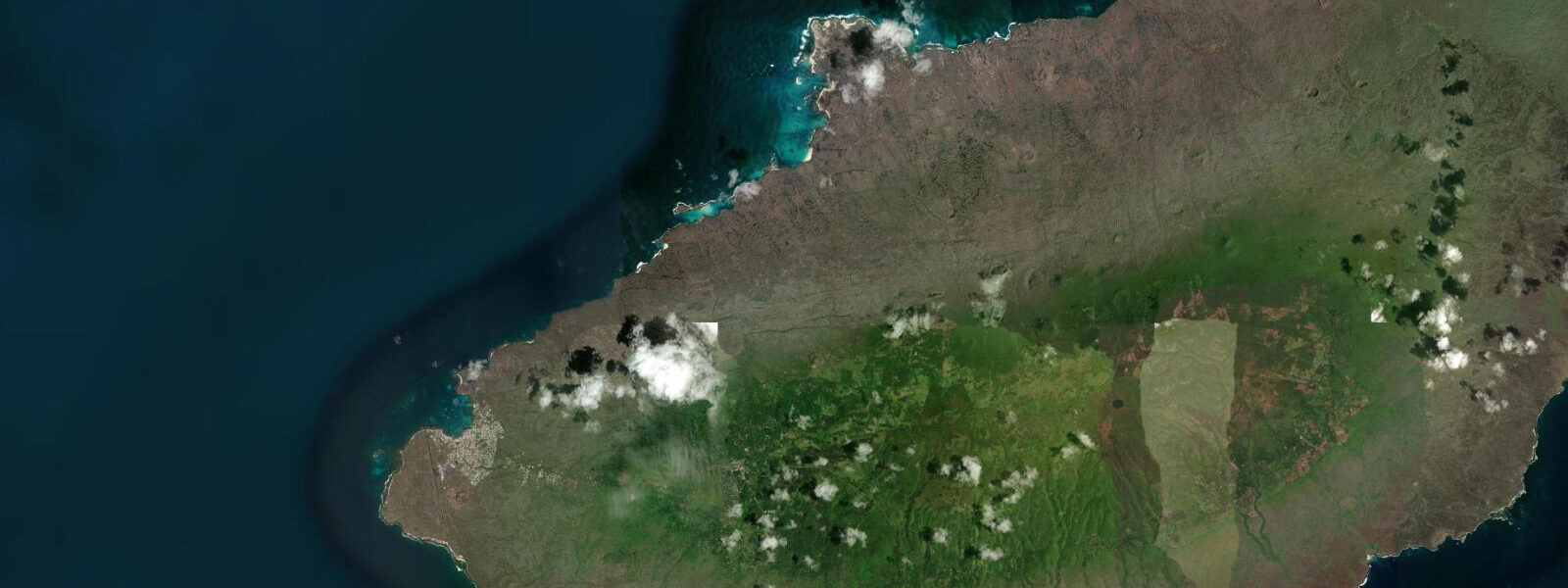
The three closest curated TideTurtle locations to Tortuga Bay, Santa Cruz, Galápagos, measured by great-circle distance.
Today's solunar windows
Solunar tradition: major periods are the ≈3h windows around moon transit and opposition; minor are ≈2h around moonrise and moonset. Pair with the local tide stage and wind for the best read.
Cycle dates near Tortuga Bay, Santa Cruz, Galápagos
Last spring tide on Mon 03 Aug (range 1.5m). Next spring tide on Sun 09 Aug (range 1.3m). Next neap on Fri 07 Aug.
Spring tides cluster around new and full moons (biggest swings). Neap tides land on quarter moons (smallest swings). See the spring tide and neap tide glossary entries for the why.
About tides at Tortuga Bay, Santa Cruz, Galápagos
A short guide to the coastline at Tortuga Bay, Santa Cruz, Galápagos — geography, sea state, and what the tide is actually doing under your feet.
Tortuga Bay is a 1.5 km beach on the south coast of Santa Cruz island in the Galápagos Archipelago, accessible on foot from Puerto Ayora — the 2.5 km walk takes 45 minutes through dry Scalesia forest on a paved path maintained by the Galápagos National Park. There is no road to the beach and no motor transport; the walk is the only access. The path opens at 06:00 and closes at 18:00. Beyond those times, the beach belongs to the marine iguanas.
The tidal regime is Pacific semidiurnal: mean range approximately 1.0 to 1.5 metres in the Galápagos. The sea surface temperature at Santa Cruz varies between 18°C and 27°C depending on the season and the ENSO state — cold during the June–December Humboldt upwelling season, warm during the January–May warm-water season. Marine iguanas are the most visually dominant life on the beach: hundreds of them rest on the black lava rock at the west end of the beach at low water, warming in the sun after feeding on subtidal algae on the ebb. The predicted low water here, when the algae beds are most exposed, is the prime foraging window for the iguanas.
Tortuga Bay divides into two distinct sections. Playa Brava, the western main beach, faces southwest into the Pacific swell — the waves here can reach 1.5 to 2.5 m and the current is strong enough to drown an unaware swimmer. The Galápagos National Park prohibits swimming at Playa Brava; the designation is enforced and the hazard is real. Playa Mansa, reached by a short trail through mangrove at the east end of Playa Brava, is a calm lagoon beach: shallow, turquoise, protected from swell, with a sandy bottom and the mangrove root system providing shark nursery habitat. White-tipped reef sharks rest in the shallows at Playa Mansa in the morning; they are harmless to humans but the reminder that you are a guest in a functioning ecosystem is useful context.
Blue-footed boobies nest on the rocky outcrops at the west end of Playa Brava during the breeding season (variable by year, roughly June–December). The birds perform their sky-pointing courtship display indifferently to human presence at distances of 2 to 3 metres — the National Park 2-metre approach rule applies to all wildlife, but the boobies frequently halve that distance themselves.
Snorkelling at Playa Mansa is in 1 to 2 m of clear water over white sand and mangrove structure. The species mix includes green sea turtles feeding on the sea grass beds, the white-tipped reef sharks mentioned above, and schools of sergeant major, parrotfish, and grunt. No snorkel gear is available for rent at the beach — bring gear from Puerto Ayora or rent from operators in town. The best snorkel conditions are on the lower half of the tidal cycle when water depth over the grass beds is shallow enough to see bottom detail clearly.
Families at Tortuga Bay find the walk and the two-beach contrast a full half-day activity. Children old enough to walk 5 km round trip on paved path get the full experience; younger children can manage if paced. The Playa Mansa lagoon is ideal for supervised beach play — flat calm, no current, warm water. Bring all provisions from Puerto Ayora; there is nothing at the beach.
Anglers in the Galápagos are operating under National Park restrictions: fishing within the marine reserve zone requires a permit, and sport fishing by tourists is separately regulated. The artisanal fishing community on Santa Cruz has specific designated areas and species rules. Check with the Galápagos National Park Directorate (DPNG) before any fishing activity on or near the island.
Predictions on this page come from Open-Meteo Marine, a global gridded ocean model. Accuracy is ±45 minutes on timing and ±0.2 to 0.3 metres on height. INOCAR publishes Galápagos tidal tables; the Galápagos National Park station at Puerto Ayora maintains the local record.
Tide questions about Tortuga Bay, Santa Cruz, Galápagos
Quick answers to the most common questions about tide times, range, and water access at Tortuga Bay, Santa Cruz, Galápagos.
When is the next high tide at Tortuga Bay?
The predicted next high tide at Tortuga Bay is shown at the top of this page in Galápagos Standard Time (GALT, UTC-6). Mean range is approximately 1.0 to 1.5 metres — Pacific semidiurnal. The low water is the prime foraging window for marine iguanas on the lava rocks. Predictions come from Open-Meteo Marine (gridded, ±45 min / ±0.2–0.3 m); INOCAR publishes the authoritative harmonic tables for the Galápagos.
Can you swim at Tortuga Bay?
Swimming is prohibited at Playa Brava (the main western beach) due to strong Pacific swell and rip current — the Galápagos National Park enforces this restriction. Playa Mansa, at the east end reached via a short mangrove trail, is the designated swimming and snorkelling area: calm lagoon water, 1–2 m depth, and no significant current. White-tipped reef sharks rest in the shallows — they are harmless but maintain the 2-metre park rule. No lifeguard is present.
What wildlife can you see at Tortuga Bay?
Marine iguanas are the defining species — hundreds rest on the lava rocks at the west end, particularly around the predicted low water when they have been foraging on subtidal algae. Blue-footed boobies nest on the rocky outcrops seasonally (roughly June–December). Green sea turtles feed in the Playa Mansa grass beds; white-tipped reef sharks rest in the lagoon shallows. Pelicans and frigatebirds are present year-round. All wildlife is protected by Galápagos National Park rules — maintain 2-metre minimum distance and do not touch.
How do you get to Tortuga Bay from Puerto Ayora?
Tortuga Bay is reached on foot only — a 2.5 km paved path from the National Park entrance at the west end of Puerto Ayora (Calle Las Fragatas). Walking time is approximately 45 minutes each way. The path opens at 06:00 and closes at 18:00 daily. There is no road or motor transport to the beach. Bring water, sun protection, and snorkel gear from Puerto Ayora — nothing is available at the beach.
Is this safe to use for navigation?
No. TideTurtle is a planning tool, not a nautical almanac. Navigation around Santa Cruz island in the Galápagos Marine Reserve requires current INOCAR charts and compliance with Galápagos National Park vessel regulations. The area has restricted zones and designated anchorages; all vessel operations require prior authorisation from the DPNG. Open-Meteo Marine predictions are not a substitute for authoritative harmonic data for any vessel operation.
7-day tide table — Tortuga Bay, Santa Cruz, Galápagos
Heights relative to MSL. Predictions: Open-Meteo Marine (MeteoFrance SMOC, 0.08° grid) — heights relative to MSL (not chart datum / LAT). Model-derived.
| Day | Type | Time | Height |
|---|---|---|---|
| Tue 04 Aug | Low | 00:19 | -0.3m |
| High | 06:37 | 1.2m | |
| Low | 12:54 | -0.3m | |
| High | 19:00 | 0.9m | |
| Wed 05 Aug | Low | 00:58 | -0.2m |
| High | 07:18 | 1.1m | |
| Low | 13:42 | -0.3m | |
| High | 19:51 | 0.9m | |
| Thu 06 Aug | Low | 01:47 | -0.1m |
| High | 08:08 | 1.0m | |
| Low | 14:39 | -0.2m | |
| High | 20:55 | 0.8m | |
| Fri 07 Aug | Low | 02:51 | -0.1m |
| High | 09:10 | 0.9m | |
| Low | 15:48 | -0.2m | |
| High | 22:10 | 0.8m | |
| Sat 08 Aug | Low | 17:08 | -0.2m |
| Sun 09 Aug | High | 11:47 | 1.0m |
| Low | 18:18 | -0.3m | |
| Mon 10 Aug | High | 00:43 | 1.0m |
| Low | 06:51 | -0.1m | |
| High | 12:56 | 1.0m | |
| Low | 18:00 | -0.2m |