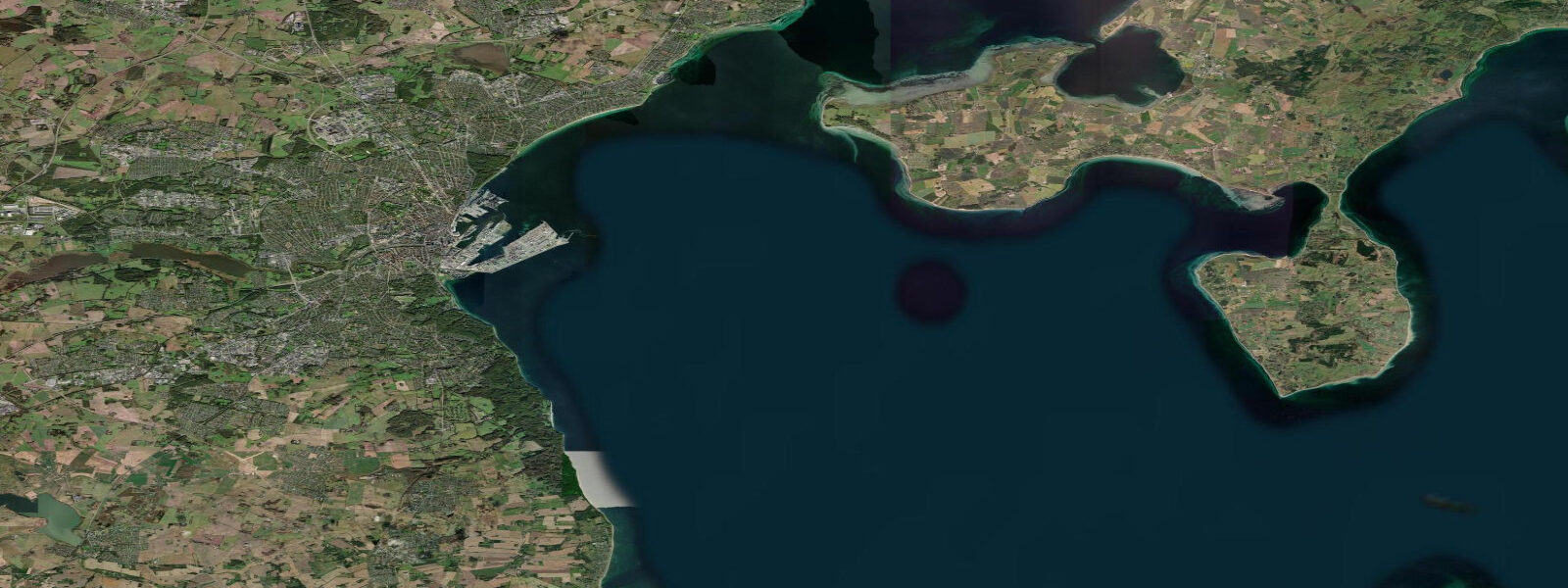
Aarhus tide times
Aarhus tide forecast — heights relative to MSL.
Today's tide times for Aarhus
Tide times at Aarhus on Tuesday, 4 August 2026: first high tide at 02:00am, first low tide at 07:50am, second high tide at 01:18pm, third high tide at 02:50pm. Sunrise 05:25am, sunset 09:23pm.
Tide chart for Aarhus
24-hour cosine-interpolated curve around the present moment. Heights relative to MSL. Predictions: Predictions: Open-Meteo Marine (MeteoFrance SMOC, 0.08° grid).
Sun, moon and conditions on Tue 04 Aug
Snapshot at build time — refreshes daily. Sea state from Open-Meteo Marine.
Highs and lows next 7 days
Every predicted high and low for the next week, with the daily tidal coefficient (0–120; higher = bigger swing, > 95 means stronger currents).
Other spots nearby
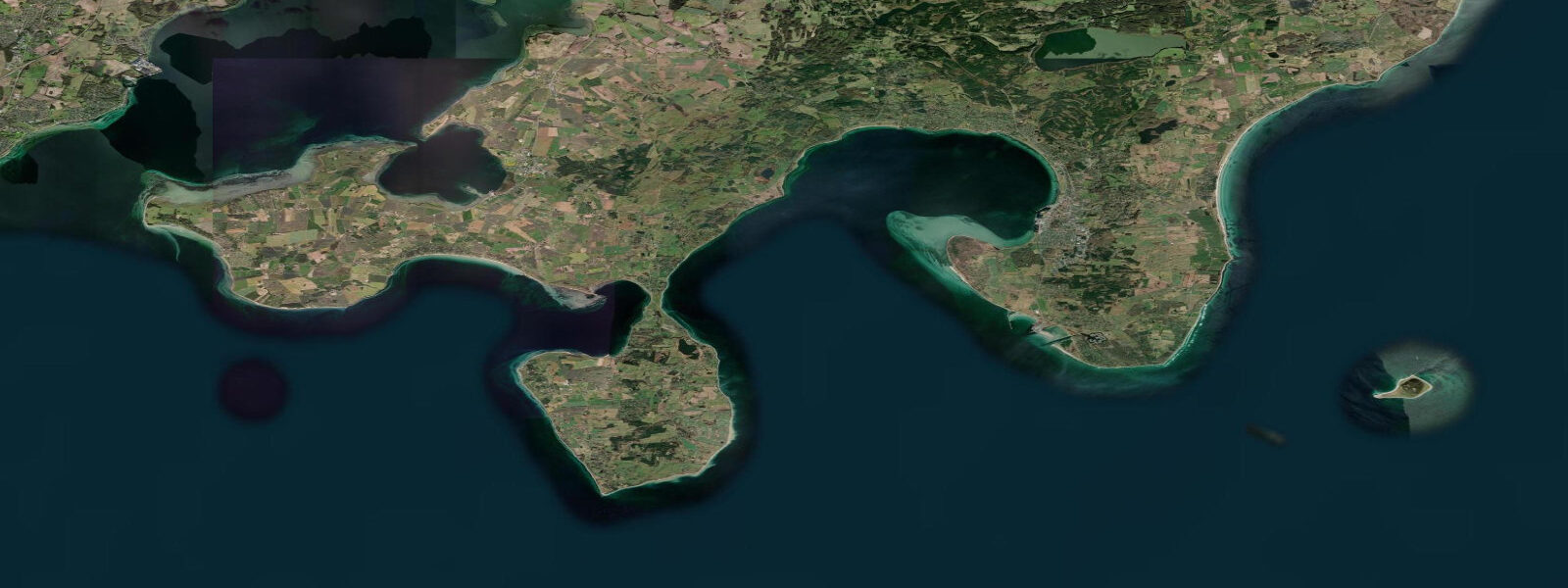
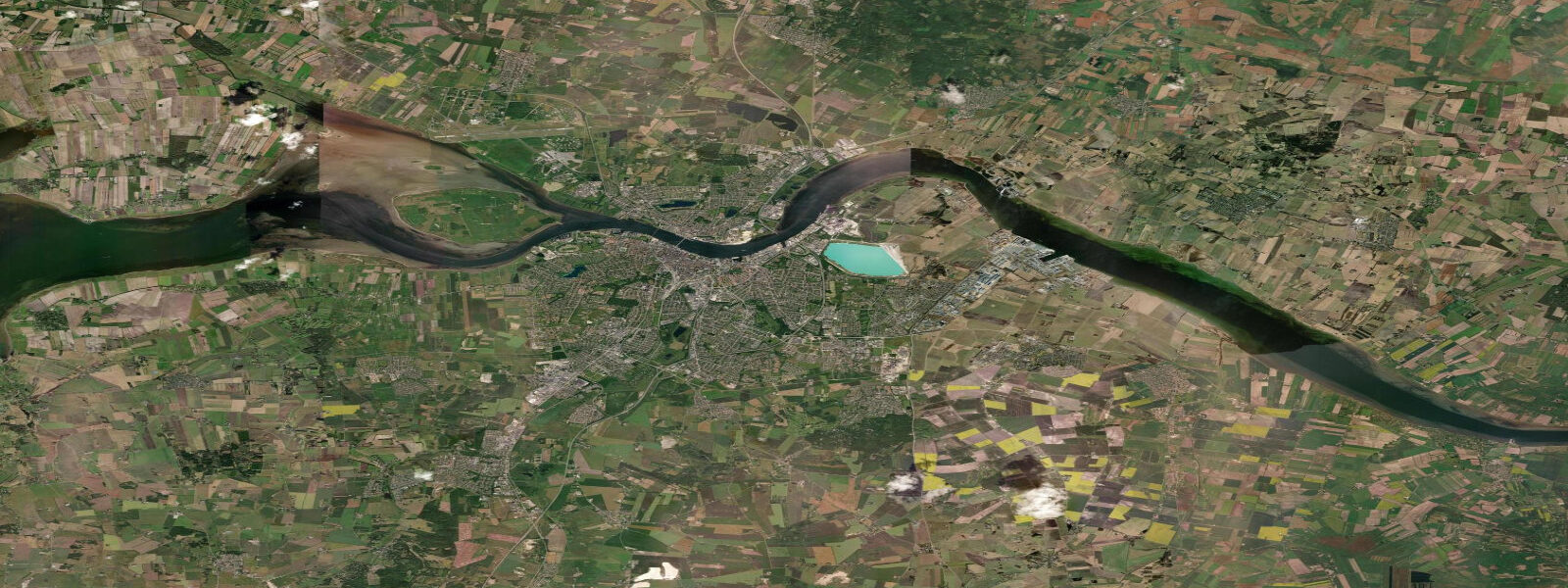
The three closest curated TideTurtle locations to Aarhus, measured by great-circle distance.
Today's solunar windows
Solunar tradition: major periods are the ≈3h windows around moon transit and opposition; minor are ≈2h around moonrise and moonset. Pair with the local tide stage and wind for the best read.
Cycle dates near Aarhus
Next spring tide on Thu 06 Aug (range 0.5m). Last neap on Tue 04 Aug. Next neap on Mon 10 Aug.
Spring tides cluster around new and full moons (biggest swings). Neap tides land on quarter moons (smallest swings). See the spring tide and neap tide glossary entries for the why.
About tides at Aarhus
A short guide to the coastline at Aarhus — geography, sea state, and what the tide is actually doing under your feet.
Aarhus sits on the western shore of the Kattegat, where Denmark's second-largest city meets a coast of moderate but real tidal movement. 5 m relative to MSL — enough to matter for harbour operations, kayak launches, and beachgoing, but far smaller than what you'd find on the North Sea side of Jutland. The tide is semidiurnal in pattern, meaning two high waters and two low waters per day, though the Kattegat's transitional position between the North Sea and the nearly non-tidal Baltic means the two daily cycles can be noticeably unequal in height.
5 m on top of the predicted tide; a sustained westerly over the Kattegat can push water levels well above predicted high water. The urban beach north of the harbour — stretching toward Riis Skov — is most accessible within two hours of low water when the sand is widest. Aarhus Havn handles significant commercial and ferry traffic; vessels working the harbour should treat tidal predictions as a baseline and monitor DMI's real-time water-level data, especially in unsettled weather.
The ARoS art museum is visible from the waterfront, and the harbour's Dokk1 cultural centre sits right at the water's edge — both worth timing around a walk along the beach at low tide. 3 m on height.
Tide questions about Aarhus
Quick answers to the most common questions about tide times, range, and water access at Aarhus.
What is the tidal range at Aarhus?
Mean tidal range at Aarhus is approximately 0.4–0.5 m relative to MSL. The Kattegat sits between the full North Sea tidal amplitude and the near-zero Baltic signal, so ranges here are moderate — enough to affect beach width and harbour depths, but far less dramatic than the Danish Wadden Sea coast. Wind-driven variations often equal or exceed the astronomical range, so checking DMI's water-level forecasts alongside tide times is worthwhile.
When is the best time to visit Aarhus beach for the widest sand?
The urban beach north of Aarhus Havn is widest within about two hours either side of low water, when the full foreshore is exposed. With a 0.4–0.5 m range the difference is noticeable but not extreme — expect perhaps 10–20 m of additional beach width at low tide compared to high. Check the day's predicted low-water time on DMI and plan to arrive roughly 90 minutes beforehand.
How does wind affect water levels in Aarhus?
Significantly. The Kattegat is a semi-enclosed sea, and persistent wind from the southwest can push water up along the Jutland coast by 0.3–0.5 m above predicted levels — occasionally more in storm conditions. Northerly winds have the opposite effect, lowering water below prediction. Because these meteorological surges can easily match or exceed the 0.4–0.5 m tidal range itself, always check DMI's combined water-level forecast, not just the tide table.
Is kayaking or paddleboarding safe from Aarhus harbour?
Yes, the moderate tidal range makes Aarhus a straightforward launching spot for kayaks and SUPs. Low-water launches from the beach are easy on the gentle foreshore. The main considerations are wind chop (the Kattegat can build short steep seas quickly) and ferry wash in the harbour approach. Launch from the beach north of the ferry terminal rather than inside the working port. Check DMI's coastal forecast for wind and swell before heading out.
Are tide predictions for Aarhus guaranteed to be accurate?
No prediction is guaranteed. Tide times and heights on this page come from Open-Meteo Marine modelling (typical accuracy ±45 minutes, ±0.2–0.3 m) and should be treated as planning guidance only. DMI (Danmarks Meteorologiske Institut) is the authoritative source for Danish waters. Always consult current DMI water-level forecasts before activities where tidal state is safety-critical. This site does not accept responsibility for decisions made based on these predictions.
8-day tide table — Aarhus
Heights relative to MSL. Predictions: Open-Meteo Marine (MeteoFrance SMOC, 0.08° grid) — heights relative to MSL (not chart datum / LAT). Model-derived.
| Day | Type | Time | Height |
|---|---|---|---|
| Tue 04 Aug | High | 02:00 | -0.1m |
| Low | 07:50 | -0.4m | |
| High | 13:18 | -0.2m | |
| High | 14:50 | -0.2m | |
| Wed 05 Aug | Low | 20:54 | -0.5m |
| Thu 06 Aug | High | 05:06 | -0.1m |
| Low | 21:54 | -0.6m | |
| Fri 07 Aug | High | 18:15 | 0.1m |
| Sat 08 Aug | Low | 12:45 | -0.4m |
| High | 19:18 | -0.0m | |
| Sun 09 Aug | Low | 00:50 | -0.4m |
| High | 07:47 | 0.0m | |
| Low | 13:54 | -0.4m | |
| High | 20:00 | -0.1m | |
| Mon 10 Aug | Low | 01:10 | -0.4m |
| High | 20:47 | 0.0m | |
| Tue 11 Aug | Low | 01:00 | -0.3m |