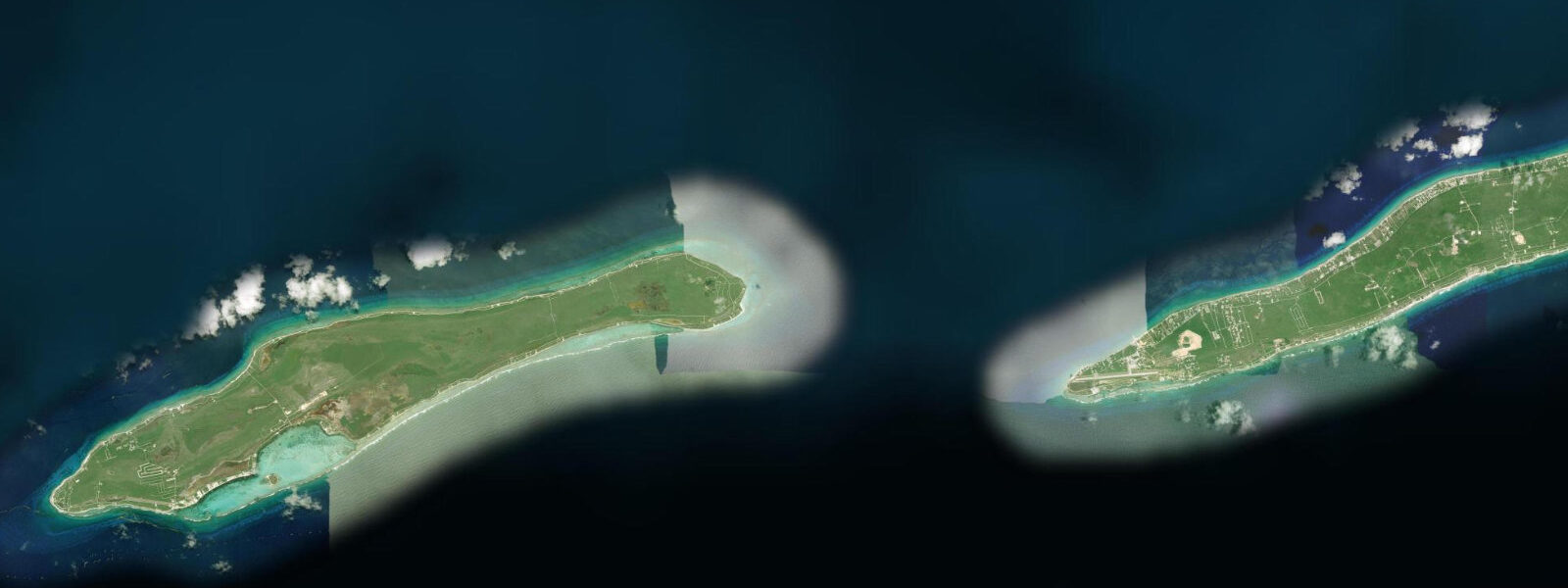
Blossom Village, Little Cayman tide times
Blossom Village, Little Cayman tide forecast — heights relative to MSL.
Today's tide times for Blossom Village, Little Cayman
Tide times at Blossom Village, Little Cayman on Tuesday, 4 August 2026: first high tide at 12:00am, first low tide at 07:10am, second high tide at 02:00pm. Sunrise 05:57am, sunset 06:55pm.
Tide chart for Blossom Village, Little Cayman
24-hour cosine-interpolated curve around the present moment. Heights relative to MSL. Predictions: Predictions: Open-Meteo Marine (MeteoFrance SMOC, 0.08° grid).
Sun, moon and conditions on Tue 04 Aug
Snapshot at build time — refreshes daily. Sea state from Open-Meteo Marine.
Highs and lows next 7 days
Every predicted high and low for the next week, with the daily tidal coefficient (0–120; higher = bigger swing, > 95 means stronger currents).
Other spots nearby
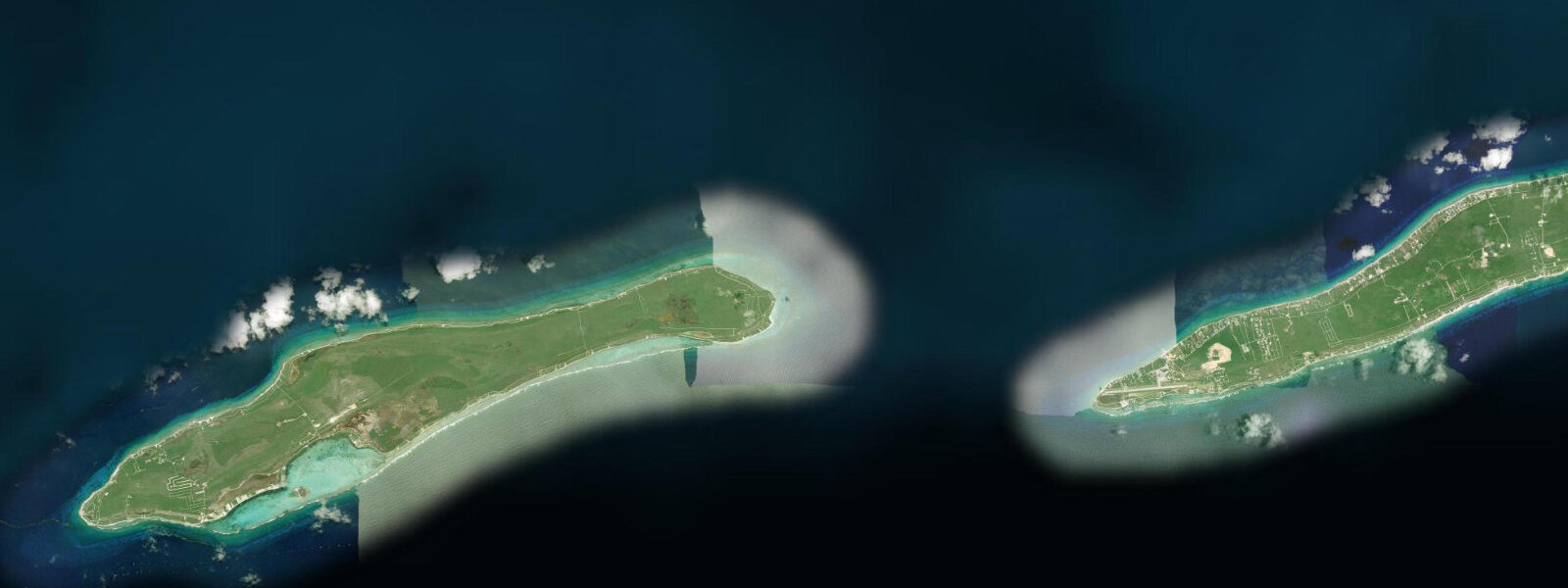
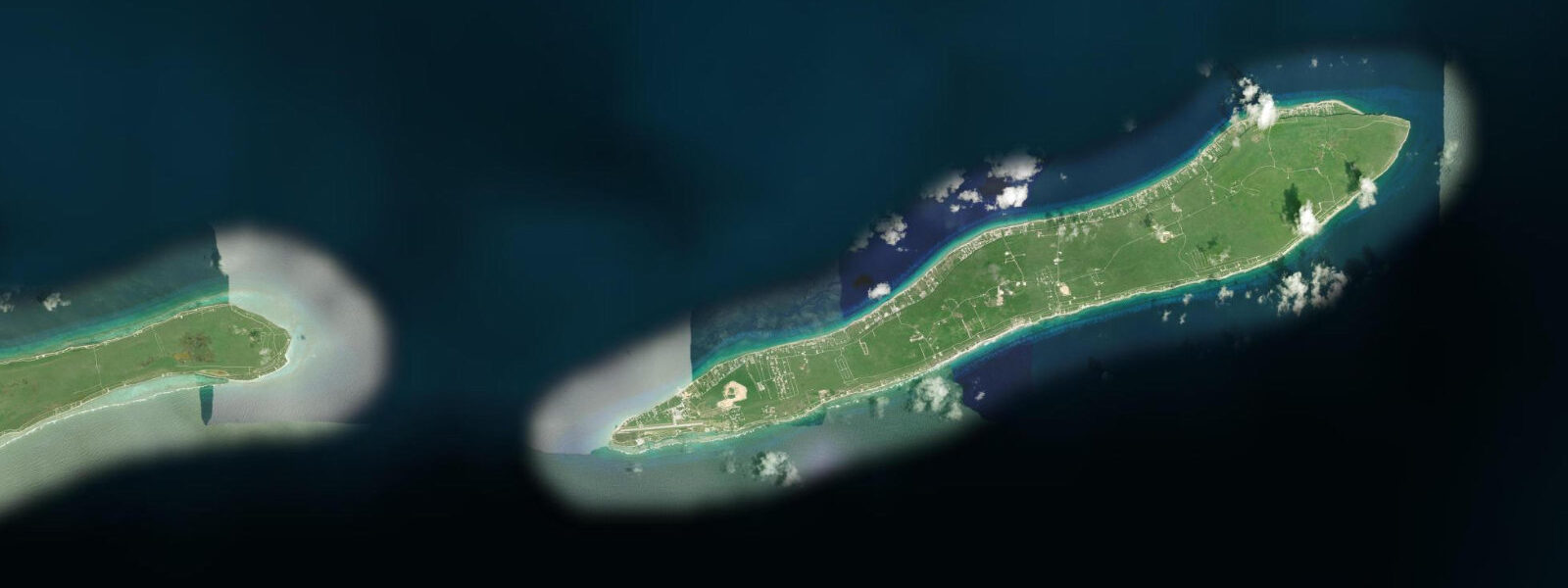
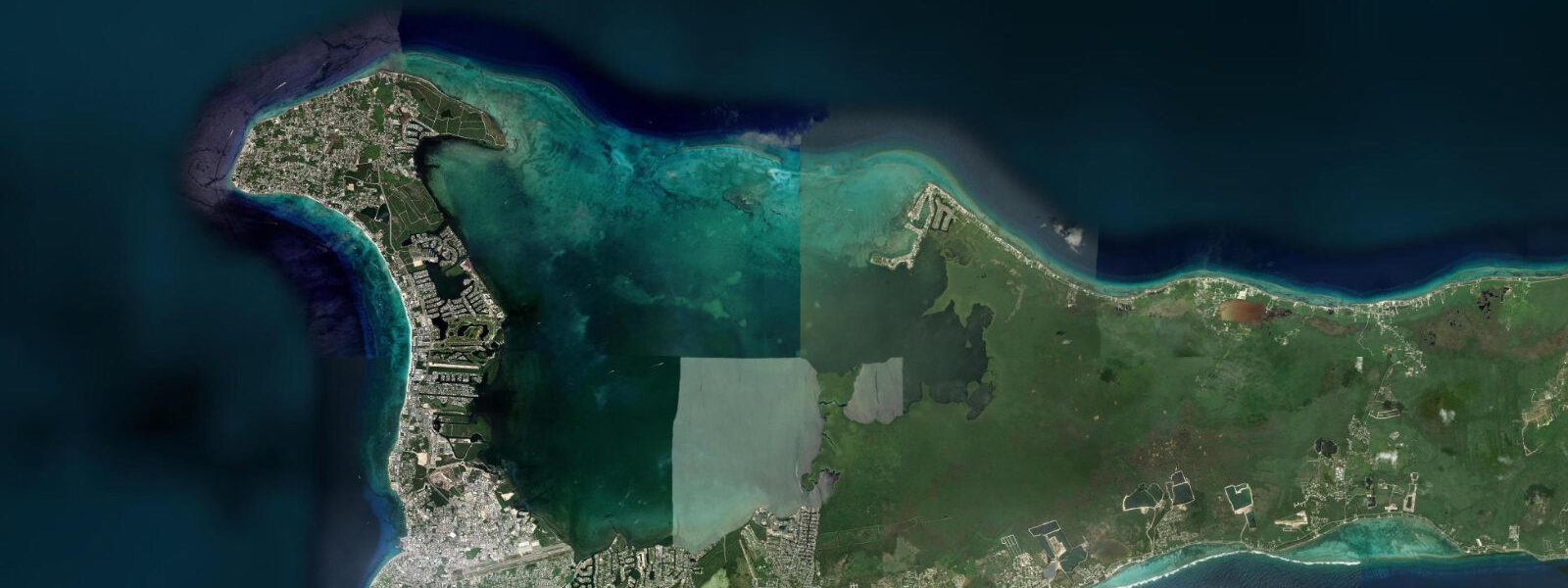
The three closest curated TideTurtle locations to Blossom Village, Little Cayman, measured by great-circle distance.
Today's solunar windows
Solunar tradition: major periods are the ≈3h windows around moon transit and opposition; minor are ≈2h around moonrise and moonset. Pair with the local tide stage and wind for the best read.
About tides at Blossom Village, Little Cayman
A short guide to the coastline at Blossom Village, Little Cayman — geography, sea state, and what the tide is actually doing under your feet.
Blossom Village is the principal settlement on Little Cayman, a low coral island roughly 8 kilometres long and 2 kilometres wide with approximately 200 permanent residents and more red-footed boobies than people. The village is on the south coast of the island, facing South Hole Sound, which is a protected inner lagoon separated from the Caribbean by a barrier reef. The dive resort strip runs west from Blossom Village toward the western end of the island, where the main dive boats access Bloody Bay Marine Park on the north coast — a direct crossing of the island's narrow width.
The tidal regime at Blossom Village is Caribbean microtidal: mixed semidiurnal, spring range typically 0.4 to 0.6 metres. South Hole Sound's lagoon configuration dampens the open sea tidal signal further; inside the sound the tidal current is gentle and the range at the beach edge is on the lower end. The barrier reef that separates the sound from the open Caribbean provides substantial protection from Atlantic and Caribbean swell, making the sound one of the calmest bodies of water in the Cayman Islands.
Bloody Bay Marine Park on the north coast is the reason most visitors come to Little Cayman. The wall begins at 6 metres depth and drops vertically to approximately 1,800 metres — one of the most dramatic and least silted wall dives in the western Caribbean. The Park Headquarters is at the east end of Bloody Bay; dive boats access the wall from a 5-minute crossing from the south coast resorts. The coral health on the Bloody Bay Wall is exceptional by Caribbean standards — large barrel sponges, extensive black coral at depth, and very high fish diversity including Nassau grouper, cubera snapper, and eagle rays that patrol the wall edge.
For non-divers and snorkellers, the inner reef flat of South Hole Sound is accessible from shore. The sound has a sandy bottom with sea grass beds and scattered coral heads, and the fish life — particularly bonefish on the flats and various parrotfish and surgeonfish over the heads — is accessible from the beach edge without a boat. The flat water and lack of current make it a comfortable snorkelling location for all abilities.
Booby Pond Nature Reserve, on the south side of Little Cayman near the airstrip, is the largest red-footed booby colony in the western hemisphere, with nesting numbers exceeding 20,000 birds. The pond behind the reserve is a protected wetland. The National Trust of the Cayman Islands manages the reserve; an observation platform gives views over the nesting colony. The best observation is in the morning.
For kayakers and paddleboarders, South Hole Sound is the flat-water playground on Little Cayman. The protected inner sound, with its clear water and coral head navigation, is an excellent and unusual paddling environment. The resorts rent kayaks; independent access is possible from the village beach.
Tide predictions for Blossom Village come from Open-Meteo Marine, a global gridded ocean model. Accuracy is typically within plus or minus 45 minutes on timing and 0.2 to 0.3 metres on height. With a sheltered lagoon configuration and spring range of 0.4 to 0.6 metres, the tide is a background variable for most activities.
The McCoy's Bar and various small beach bars near the Blossom Village resort strip are the social hubs of a very small community. With approximately 200 permanent residents, Little Cayman operates on a scale where the evening's social activity is the bar, and where the dive guides know every visiting diver by name after two days. This personal-scale tourism is the island's product; it cannot be replicated at higher visitor volumes. The island accepts this constraint and keeps capacity limited.
Tide questions about Blossom Village, Little Cayman
Quick answers to the most common questions about tide times, range, and water access at Blossom Village, Little Cayman.
What is the tide range at Blossom Village, Little Cayman?
Caribbean microtidal — mixed semidiurnal, spring range 0.4 to 0.6 metres. The South Hole Sound lagoon further dampens the tidal signal inside the barrier reef; the range at the inner beach is at the lower end of that band. Two unequal highs and two unequal lows per day. The small tidal range is largely a background variable for dive operations; current at the Bloody Bay Wall is more about the tidal direction than the range. Tide predictions come from Open-Meteo Marine — accuracy within plus or minus 45 minutes on timing and 0.2 to 0.3 metres on height.
How do I access Bloody Bay Marine Park from Blossom Village?
Bloody Bay Marine Park is on the north coast of Little Cayman, a direct 5-minute boat crossing from the dive resorts on the south coast. The Island's dive operators — Reef Divers, Pirates Point, and others — run scheduled boat dives to the Park daily, typically two to three trips per day. The crossing is short; the boat exits South Hole Sound through the west passage and heads north. There is no road access to the north coast in the Bloody Bay area; all access is by boat. Non-diving visitors can sometimes join dive boats as snorkellers if there is capacity, but the wall dive experience at 6 to 30+ metres is the primary draw.
Is Little Cayman accessible by air?
Yes. The Edward Bodden Airfield on Little Cayman has a short paved strip serving small inter-island aircraft. Cayman Airways Express operates scheduled service from Grand Cayman (Owen Roberts International Airport) to Little Cayman, typically multiple times daily, with a flight time of approximately 25 minutes. The airstrip is adjacent to Booby Pond Nature Reserve; the approach over the reef and the booby colony is distinctive. All resorts on Little Cayman arrange airfield pickup. There is no ferry service between the islands.
What can I see at Booby Pond Nature Reserve?
Booby Pond Nature Reserve hosts the largest red-footed booby colony in the western hemisphere — nesting numbers exceed 20,000 birds, and the pond and surrounding vegetation support the colony year-round. Magnificent frigate birds also nest in the area and are visible soaring overhead. An observation platform managed by the National Trust of the Cayman Islands gives views over the nesting trees and the pond. The morning hours before the heat of the day are the best observation window. The reserve is a short walk from the airfield; most visitors combine it with arrival or departure day.
Is Little Cayman good for bonefish flats fishing?
Yes. The sea grass flats of South Hole Sound hold bonefish year-round, and the small resident population of guides on the island knows the specific feeding areas and tide windows. The bonefish on Little Cayman's flats are large by Caribbean standards — the low fishing pressure from the island's minimal population has allowed the fishery to remain healthy. Wade fishing or skiff polling on the flooding tide in the morning is the standard approach. Resorts on the island arrange guided flats fishing as part of their activity programmes. Catch-and-release is the expected practice.
7-day tide table — Blossom Village, Little Cayman
Heights relative to MSL. Predictions: Open-Meteo Marine (MeteoFrance SMOC, 0.08° grid) — heights relative to MSL (not chart datum / LAT). Model-derived.
| Day | Type | Time | Height |
|---|---|---|---|
| Tue 04 Aug | High | 00:00 | 0.4m |
| Low | 07:10 | 0.1m | |
| High | 14:00 | 0.4m | |
| Wed 05 Aug | Low | 08:00 | 0.1m |
| Thu 06 Aug | High | 02:00 | 0.3m |
| Low | 09:10 | 0.1m | |
| Fri 07 Aug | — | ||
| Sat 08 Aug | — | ||
| Sun 09 Aug | High | 19:15 | 0.4m |
| Mon 10 Aug | Low | 01:10 | 0.2m |
| High | 06:50 | 0.4m | |
| Low | 13:15 | 0.1m | |
| High | 18:00 | 0.4m | |