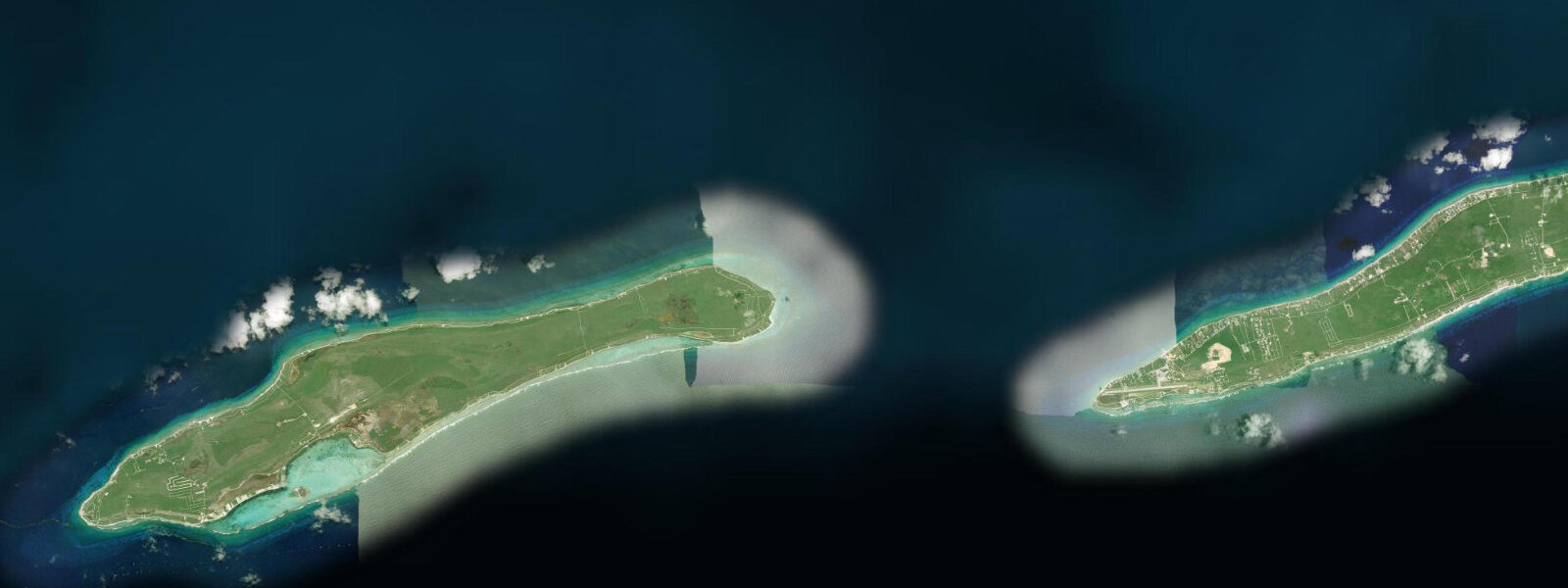
Bloody Bay, Little Cayman tide times
Bloody Bay, Little Cayman tide forecast — heights relative to MSL.
Today's tide times for Bloody Bay, Little Cayman
Tide times at Bloody Bay, Little Cayman on Tuesday, 4 August 2026: first high tide at 12:00am, first low tide at 07:10am, second high tide at 02:00pm. Sunrise 05:57am, sunset 06:55pm.
Tide chart for Bloody Bay, Little Cayman
24-hour cosine-interpolated curve around the present moment. Heights relative to MSL. Predictions: Predictions: Open-Meteo Marine (MeteoFrance SMOC, 0.08° grid).
Sun, moon and conditions on Tue 04 Aug
Snapshot at build time — refreshes daily. Sea state from Open-Meteo Marine.
Highs and lows next 7 days
Every predicted high and low for the next week, with the daily tidal coefficient (0–120; higher = bigger swing, > 95 means stronger currents).
Other spots nearby
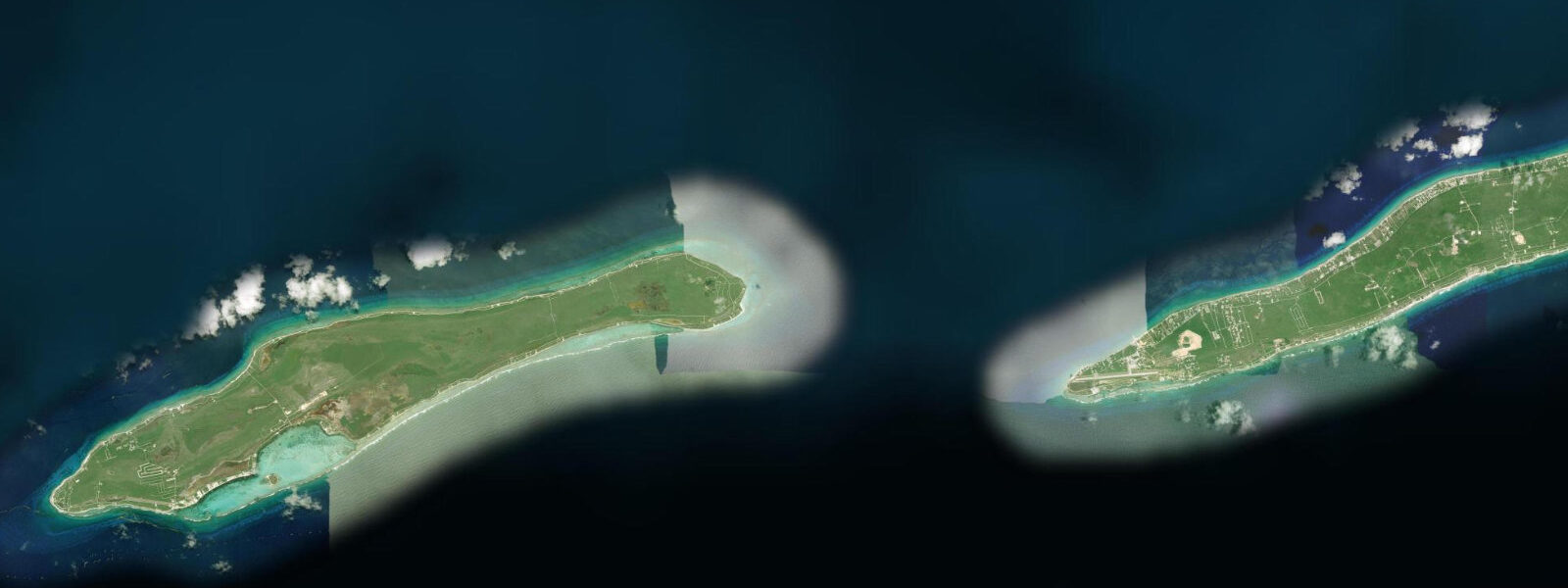
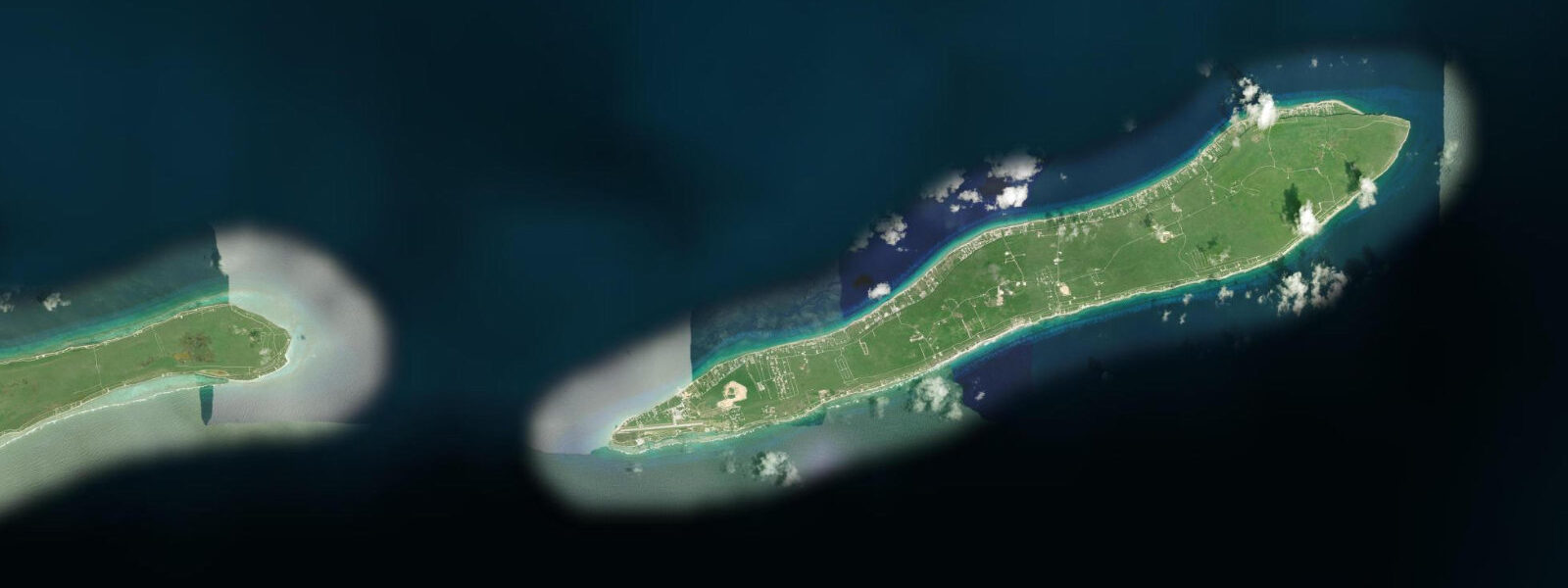
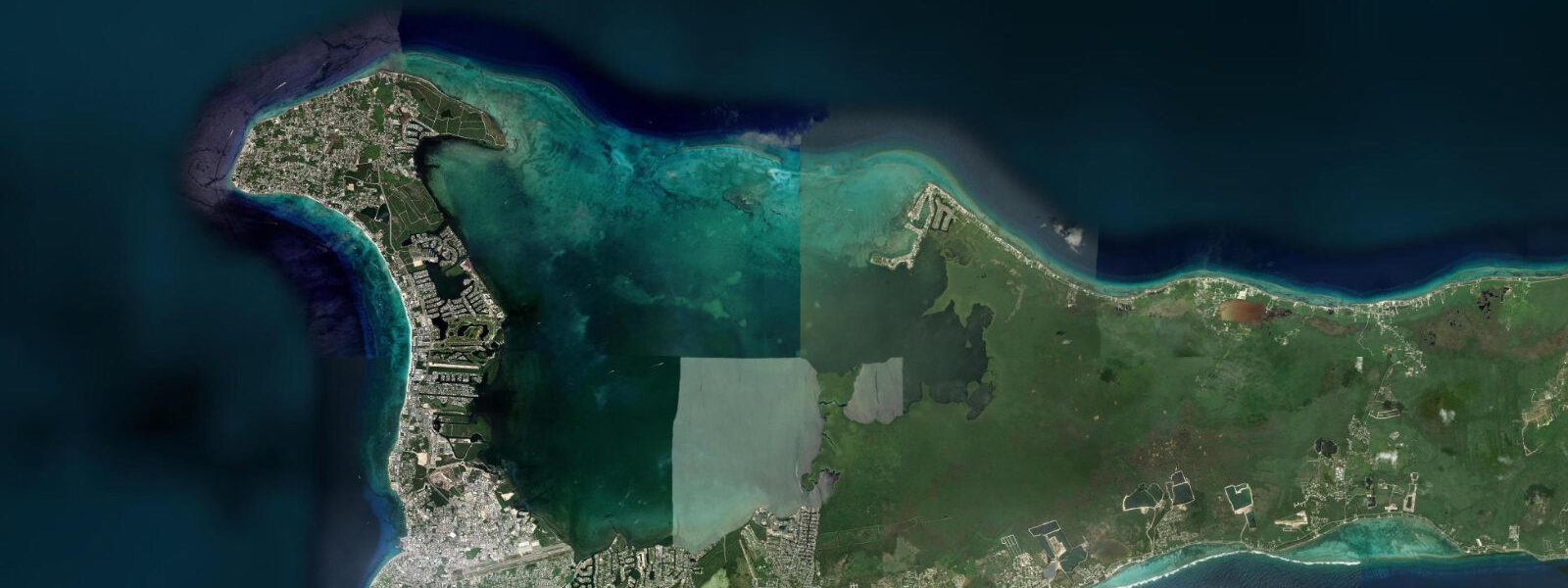
The three closest curated TideTurtle locations to Bloody Bay, Little Cayman, measured by great-circle distance.
Today's solunar windows
Solunar tradition: major periods are the ≈3h windows around moon transit and opposition; minor are ≈2h around moonrise and moonset. Pair with the local tide stage and wind for the best read.
About tides at Bloody Bay, Little Cayman
A short guide to the coastline at Bloody Bay, Little Cayman — geography, sea state, and what the tide is actually doing under your feet.
Bloody Bay is on the north coast of Little Cayman, and the wall that begins in 6 metres of water off this beach and drops vertically to 1,800 metres is considered one of the finest wall dives in the western hemisphere. The Bloody Bay Marine Park designation covers the reef and wall along the entire north coast of the island; no anchoring, no fishing, no coral contact within the park boundaries. The protected status, combined with Little Cayman's very low population of approximately 200 permanent residents and near-absence of coastal runoff pressure, means the reef is in the best condition of any in the Cayman Islands.
The wall face runs for several kilometres along the north coast, and the dive sites within Bloody Bay itself — Mixing Bowl, The Meadows, Donna's Delight — are named features on the wall with mooring buoys and dive guide familiarity spanning decades. The dive character changes with depth: the reef flat from 3 to 6 metres is heavily populated with healthy staghorn and brain coral; the wall lip at 6 to 8 metres drops into the near-vertical face; at 15 to 20 metres the big sea fans and black coral become the dominant structure; below 30 metres the wall transitions to deep-water rubble and the occasional large pelagic species. Tarpon, eagle rays, Nassau grouper, and shark species are regular sightings at the wall.
The beach at Bloody Bay is reached by road from the Little Cayman settlement or by boat; the beach itself is modest — limestone sand and ironshore fringe — but the snorkelling from the beach is exceptional because the wall lip is a 10-minute swim from the shore. Independent snorkellers swimming the wall edge should be aware of the vertical drop to 1,800 metres and the current that runs along the wall face; buddy pairs only, and a surface marker buoy. The Booby Pond Nature Reserve on the island's south shore is the other major natural attraction: the largest red-footed booby colony in the western hemisphere, approximately 5,000 breeding pairs, visible from the road.
6 metres — slightly larger than Grand Cayman's sheltered south coast. 5 knots on a typical day; the ebb current runs broadly westward along the north coast, and the flood runs east. The strongest current window requires drift-dive technique and live-boat pickup from the dive operators.
3 metres on height.
Tide questions about Bloody Bay, Little Cayman
Quick answers to the most common questions about tide times, range, and water access at Bloody Bay, Little Cayman.
How deep is the wall at Bloody Bay?
The Bloody Bay Wall begins at the reef lip at 6 to 8 metres depth and drops vertically to approximately 1,800 metres. The sport diving range of the wall — the zone covered by recreational divers with standard certification — runs from the lip at 8 metres to the beginning of decompression territory at around 40 metres. The most visually rewarding zone is 15 to 30 metres, where the big sea fans and black coral begin and the wall face is most vertical. Technical and rebreather diving to 60 metres and below is operated by the specialised dive operators on Little Cayman with appropriate certification requirements.
Is the Bloody Bay reef suitable for snorkelling?
The reef flat between the shore and the wall lip at 6 to 8 metres depth is excellent snorkelling territory. The reef flat runs 3 to 6 metres depth, with healthy staghorn and brain coral, dense reef fish populations, tarpon, and occasional eagle rays. The wall lip itself is reachable by snorkel — approximately 10 minutes swimming from the beach — and the view from the surface over the 1,800-metre drop is dramatic in clear visibility. Snorkellers at the wall edge should go in buddy pairs, carry a surface marker buoy, and be comfortable in open deep water.
What is the tide range at Little Cayman?
Mixed semidiurnal, spring range roughly 0.4 to 0.6 metres. The current along the Bloody Bay Wall face runs at 0.2 to 0.5 knots on a typical day — mild enough for most recreational divers, but the stronger current windows require drift-dive technique. The ebb current runs west along the north coast; the flood runs east. Dive operators on Little Cayman plan the guided dives around the current cycle and run live-boat pickups for the drift dive sites.
Where do the tide predictions for Bloody Bay come from?
Open-Meteo Marine, a free gridded global ocean model. Accuracy is typically within plus or minus 45 minutes on timing and 0.2 to 0.3 metres on height. For the Cayman Islands, the Cayman Islands Meteorological Service publishes weather and marine forecasts. The nearest authoritative tide gauge reference is at George Town, Grand Cayman; Little Cayman runs on a similar tidal phase with a small offset for the approximately 80 km distance.
Is this safe to use for navigation?
No. The reef system along Little Cayman's north coast and the Bloody Bay Marine Park boundaries require current chart data from the Caribbean Hydrographic Institute for vessel navigation. The mooring buoy positions do not substitute for full chart navigation of the approach. For any vessel entering Little Cayman waters, the Cayman Islands Port Authority and the current Caribbean charts are the authoritative references. Open-Meteo Marine gridded predictions are not authoritative navigational data.
7-day tide table — Bloody Bay, Little Cayman
Heights relative to MSL. Predictions: Open-Meteo Marine (MeteoFrance SMOC, 0.08° grid) — heights relative to MSL (not chart datum / LAT). Model-derived.
| Day | Type | Time | Height |
|---|---|---|---|
| Tue 04 Aug | High | 00:00 | 0.4m |
| Low | 07:10 | 0.1m | |
| High | 14:00 | 0.4m | |
| Wed 05 Aug | Low | 08:00 | 0.1m |
| Thu 06 Aug | High | 02:00 | 0.3m |
| Low | 09:10 | 0.1m | |
| Fri 07 Aug | — | ||
| Sat 08 Aug | — | ||
| Sun 09 Aug | High | 19:15 | 0.4m |
| Mon 10 Aug | Low | 01:10 | 0.2m |
| High | 06:50 | 0.4m | |
| Low | 13:15 | 0.1m | |
| High | 18:00 | 0.4m | |