Porto de Galinhas tide times
Porto de Galinhas tide forecast — heights relative to MSL.
Today's tide times for Porto de Galinhas
Tide times at Porto de Galinhas on Tuesday, 4 August 2026: first low tide at 00:33, first high tide at 06:42, second low tide at 13:01, second high tide at 19:11. Sunrise 05:33, sunset 17:19.
Tide chart for Porto de Galinhas
24-hour cosine-interpolated curve around the present moment. Heights relative to MSL. Predictions: Predictions: Open-Meteo Marine (MeteoFrance SMOC, 0.08° grid).
Sun, moon and conditions on Tue 04 Aug
Snapshot at build time — refreshes daily. Sea state from Open-Meteo Marine.
Highs and lows next 7 days
Every predicted high and low for the next week, with the daily tidal coefficient (0–120; higher = bigger swing, > 95 means stronger currents).
Other spots nearby
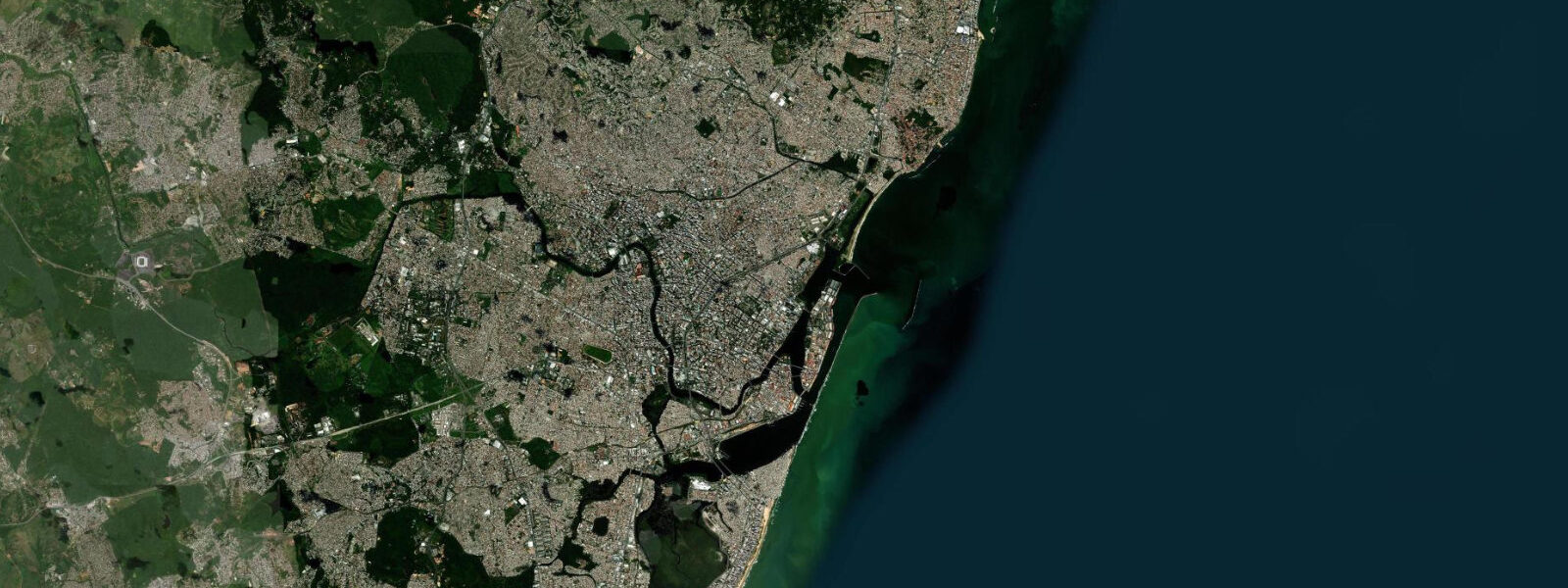
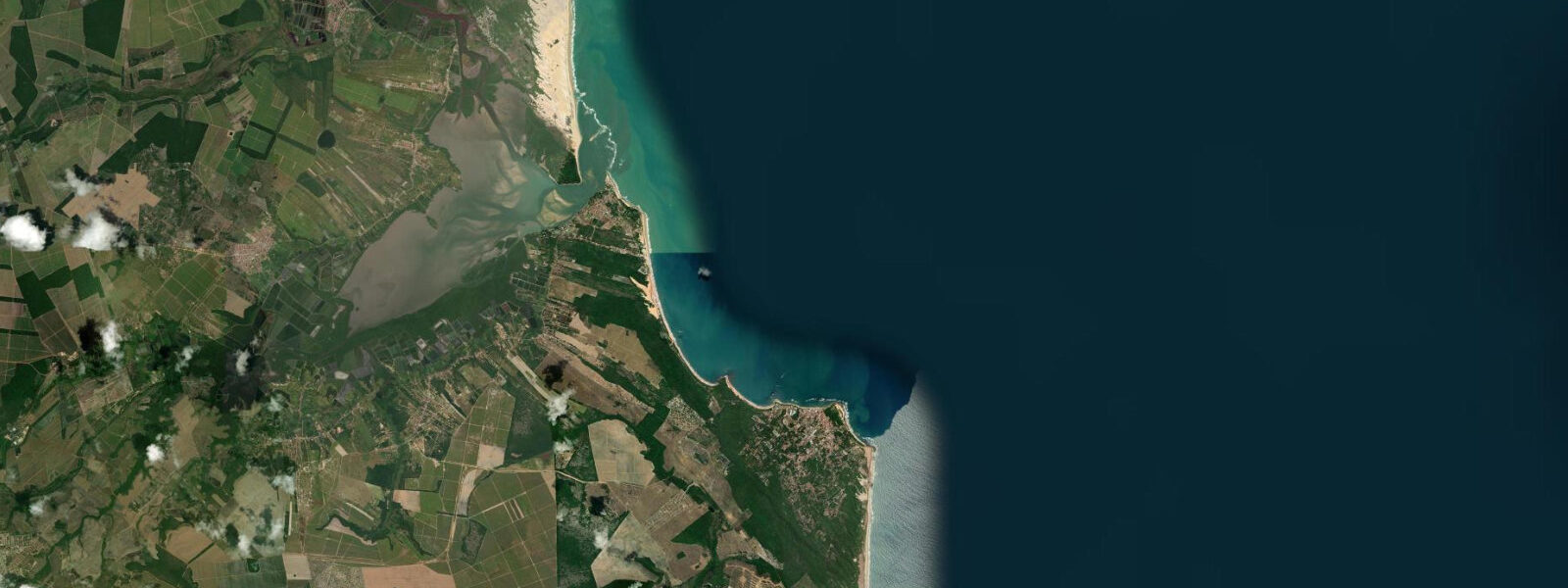
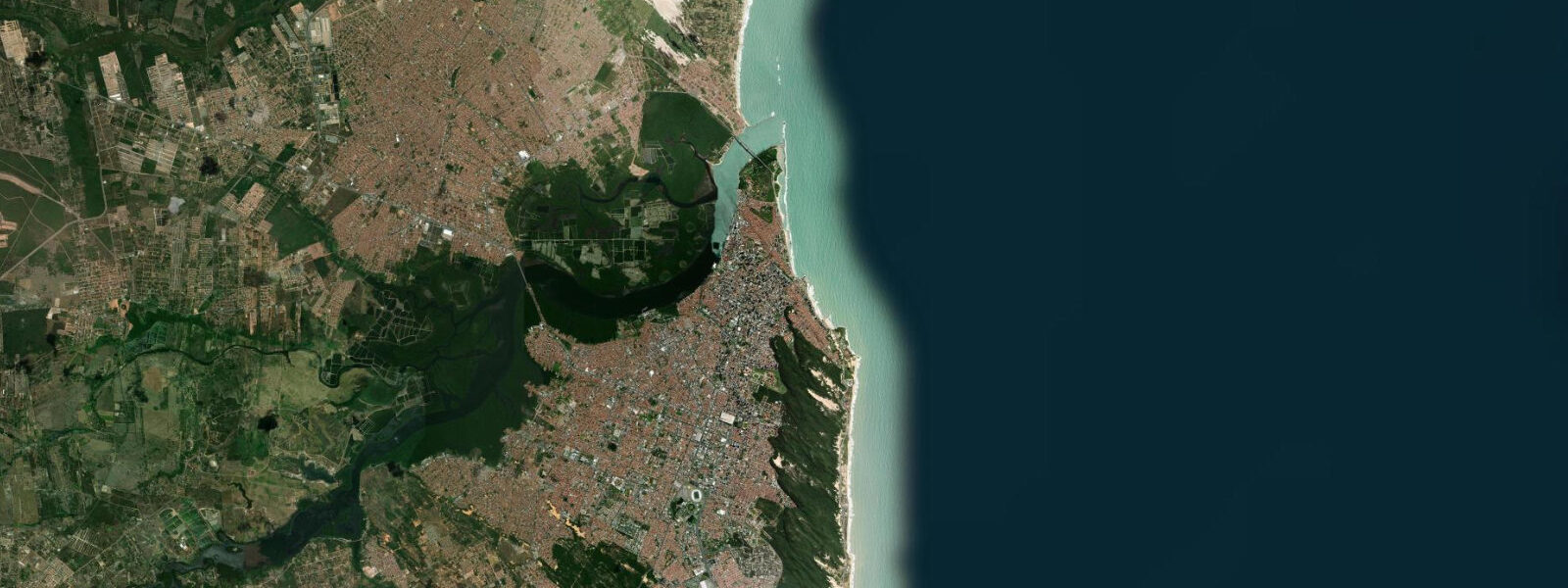
The three closest curated TideTurtle locations to Porto de Galinhas, measured by great-circle distance.
Today's solunar windows
Solunar tradition: major periods are the ≈3h windows around moon transit and opposition; minor are ≈2h around moonrise and moonset. Pair with the local tide stage and wind for the best read.
Cycle dates near Porto de Galinhas
Last spring tide on Mon 03 Aug (range 1.5m). Next spring tide on Sun 09 Aug (range 1.8m). Next neap on Thu 06 Aug.
Spring tides cluster around new and full moons (biggest swings). Neap tides land on quarter moons (smallest swings). See the spring tide and neap tide glossary entries for the why.
About tides at Porto de Galinhas
A short guide to the coastline at Porto de Galinhas — geography, sea state, and what the tide is actually doing under your feet.
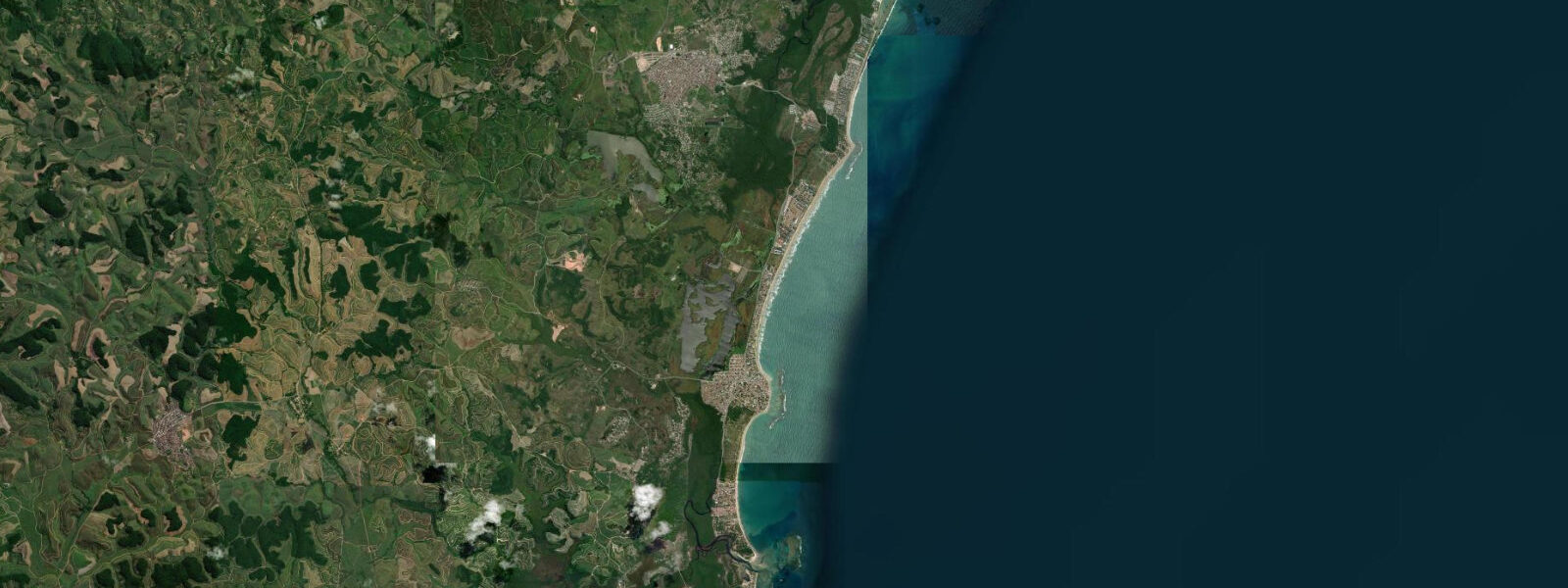
Porto de Galinhas is 60 kilometres south of Recife and is built around one of the most visited natural features in Brazil: the piscinas naturais — natural tidal pools formed inside a coral and sandstone reef barrier that runs close to shore. The pools form when the tide drops and water is trapped over rocky and sandy substrate inside the reef, creating clear, warm enclosures where ornamental fish and small marine creatures remain accessible in calm, shallow water. The mechanism is tidal: the pools exist because of the 2.5-metre mean spring range that exposes the reef and leaves water behind.
The name Porto de Galinhas translates as 'Port of Chickens' — a reference to its role as a clandestine port for enslaved Africans after the official slave trade was abolished in 1850. Newly arrived enslaved people were described in coded language as 'chickens for sale' to conceal the continuing illegal trade. The name persisted after the practice ended.
Access to the pools is by jangada — the flat-bottomed traditional sailing and rowing raft of northeast Brazil, constructed from buoyant timber. Jangadeiros pole the rafts out to the pools at low water and return as the tide rises and pool access diminishes. The beach entrance posts current tide times because the pool windows shift by approximately 50 minutes each day as the lunar tidal cycle progresses; the best pool access is the 2 to 3 hours centred on low water. Outside that window, the approach across the reef is too shallow or the pools are flooding and turbid.
Snorkelling in the pools requires no open-ocean experience — depths in the accessible pools range from 0.5 to 2 metres at low water, the water is warm (26–28°C from December through March), and visibility is typically 3 to 6 metres inside the sheltered pools. The fish life includes angelfish, reef fish, and the occasional small ray. The experience is heavily managed during peak season (December through March and July); visitor limits per session apply at some pool sections.
Beyond the pools, the beach north and south of the main village has several distinct sections with different exposures. Maracaípe, 5 kilometres south, is the surf beach — consistently the best surf in the area — and also a seahorse habitat in the mangrove estuary at the river mouth.
Predictions on this page come from Open-Meteo Marine, a global gridded ocean model accurate to within approximately ±45 minutes on timing and ±0.2–0.3 metres on height. For authoritative Brazilian tidal predictions, consult DHN/FEMAR at mar.mil.br/dhn.
Tide questions about Porto de Galinhas
Quick answers to the most common questions about tide times, range, and water access at Porto de Galinhas.
When are the natural pools (piscinas naturais) accessible at Porto de Galinhas?
The piscinas naturais are accessible during the 2 to 3 hours centred on low water, when the reef is exposed and pools retain clear water inside. Pool access diminishes as the tide rises and the pools flood. Because the lunar tidal cycle shifts by approximately 50 minutes each day, the optimal access window moves daily — current tide times are posted at the beach entrance and displayed by the jangada operators each morning. Plan to arrive at least 30 minutes before the predicted low to reach the pools at peak condition.
How do I get out to the natural pools?
Jangadas — traditional flat-bottomed timber rafts — are the standard transport. Jangadeiros operate from the main beach and pole the rafts out across the shallow reef flat to the pool sections. The cost is typically per person for a guided reef trip of 30 to 60 minutes in the pools. Individual snorkelling gear hire is available on the beach. The rafts cannot operate when the tide is too high to cross the reef safely, so operators will decline to go out outside the tidal window.
Is snorkelling in the pools suitable for non-swimmers?
Yes — the pools at low water are 0.5 to 2 metres deep, calm, and enclosed by the reef. The water is clear and warm (26–28°C in peak season). Life vests are provided on jangada trips. The experience is accessible to children and non-swimmers as long as the tide is in the right window. Depths increase toward the outer reef edge; stay in the marked pool sections indicated by the jangadeiro.
What does the name Porto de Galinhas mean?
Porto de Galinhas means 'Port of Chickens.' The name dates from after 1850, when Brazil officially abolished the slave trade. The port continued to receive enslaved Africans illegally; agents described the human cargo in coded messages as 'chickens arriving for sale' to evade detection. The name remained in use after the practice ended and is today the official place name, though the origin is acknowledged in local cultural heritage interpretation.
Are the tide predictions on this page suitable for planning pool access?
Use them as indicative guidance, not precision timing. Predictions here come from Open-Meteo Marine, a global ocean model with typical accuracy of ±45 minutes on timing and ±0.2–0.3 metres on height. For pool access planning, the model predictions give the approximate low-water window, but the jangadeiros and beach operators use current observed conditions to make real-time decisions. Always confirm with the local operators on the day — swell, wind, and tidal height all affect whether the pools are accessible and safe.
7-day tide table — Porto de Galinhas
Heights relative to MSL. Predictions: Open-Meteo Marine (MeteoFrance SMOC, 0.08° grid) — heights relative to MSL (not chart datum / LAT). Model-derived.
| Day | Type | Time | Height |
|---|---|---|---|
| Tue 04 Aug | Low | 00:33 | -0.5m |
| High | 06:42 | 1.0m | |
| Low | 13:01 | -0.6m | |
| High | 19:11 | 0.9m | |
| Wed 05 Aug | Low | 01:25 | -0.5m |
| High | 20:06 | 0.7m | |
| Thu 06 Aug | Low | 02:25 | -0.4m |
| High | 08:40 | 0.7m | |
| Low | 15:08 | -0.4m | |
| High | 21:20 | 0.6m | |
| Fri 07 Aug | Low | 03:53 | -0.4m |
| High | 10:15 | 0.6m | |
| Low | 16:39 | -0.3m | |
| High | 22:48 | 0.6m | |
| Sat 08 Aug | Low | 05:25 | -0.5m |
| High | 11:42 | 0.7m | |
| Low | 18:00 | -0.4m | |
| Sun 09 Aug | High | 00:07 | 0.8m |
| Low | 06:37 | -0.7m | |
| High | 12:56 | 0.8m | |
| Low | 19:06 | -0.6m | |
| Mon 10 Aug | High | 01:10 | 0.9m |
| Low | 07:38 | -0.9m | |
| High | 13:51 | 1.0m | |
| Low | 20:00 | -0.7m |