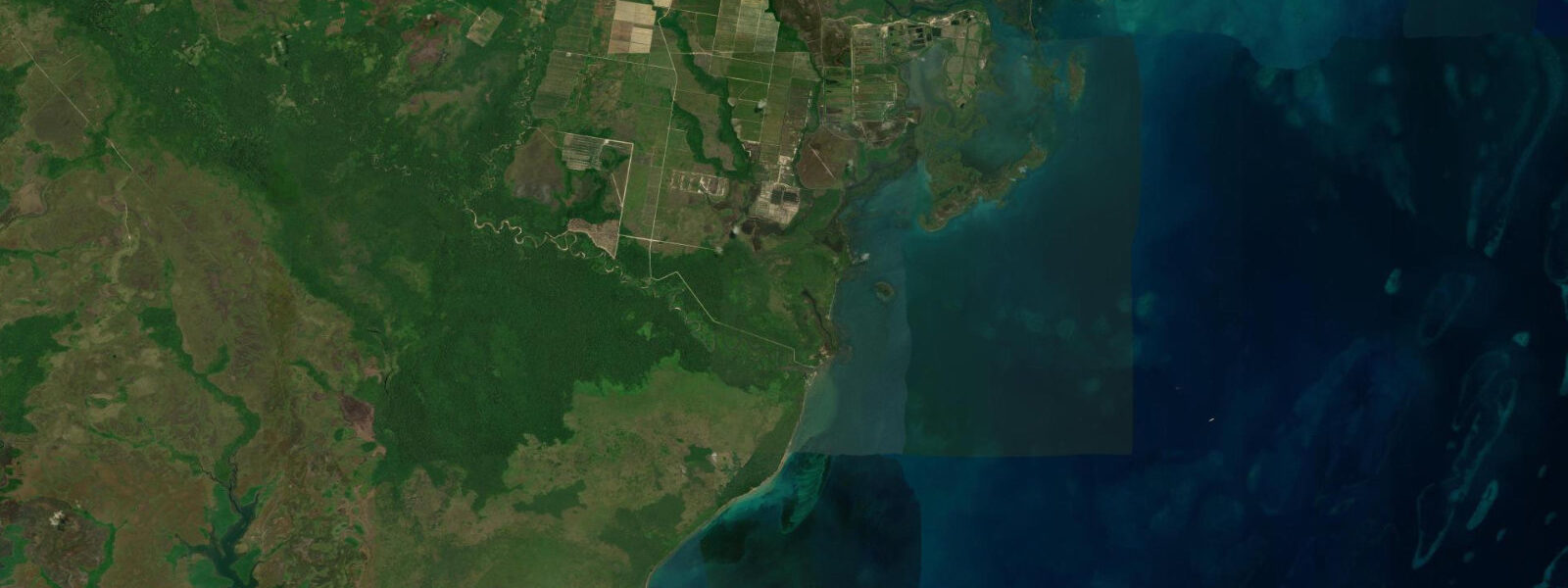
Monkey River, Belize tide times
Monkey River, Belize tide forecast — heights relative to MSL.
Today's tide times for Monkey River, Belize
Tide times at Monkey River, Belize on Monday, 3 August 2026: first high tide at 06:00pm. Sunrise 05:35am, sunset 06:25pm.
Tide chart for Monkey River, Belize
24-hour cosine-interpolated curve around the present moment. Heights relative to MSL. Predictions: Predictions: Open-Meteo Marine (MeteoFrance SMOC, 0.08° grid).
Sun, moon and conditions on Mon 03 Aug
Snapshot at build time — refreshes daily. Sea state from Open-Meteo Marine.
Highs and lows next 7 days
Every predicted high and low for the next week, with the daily tidal coefficient (0–120; higher = bigger swing, > 95 means stronger currents).
Other spots nearby
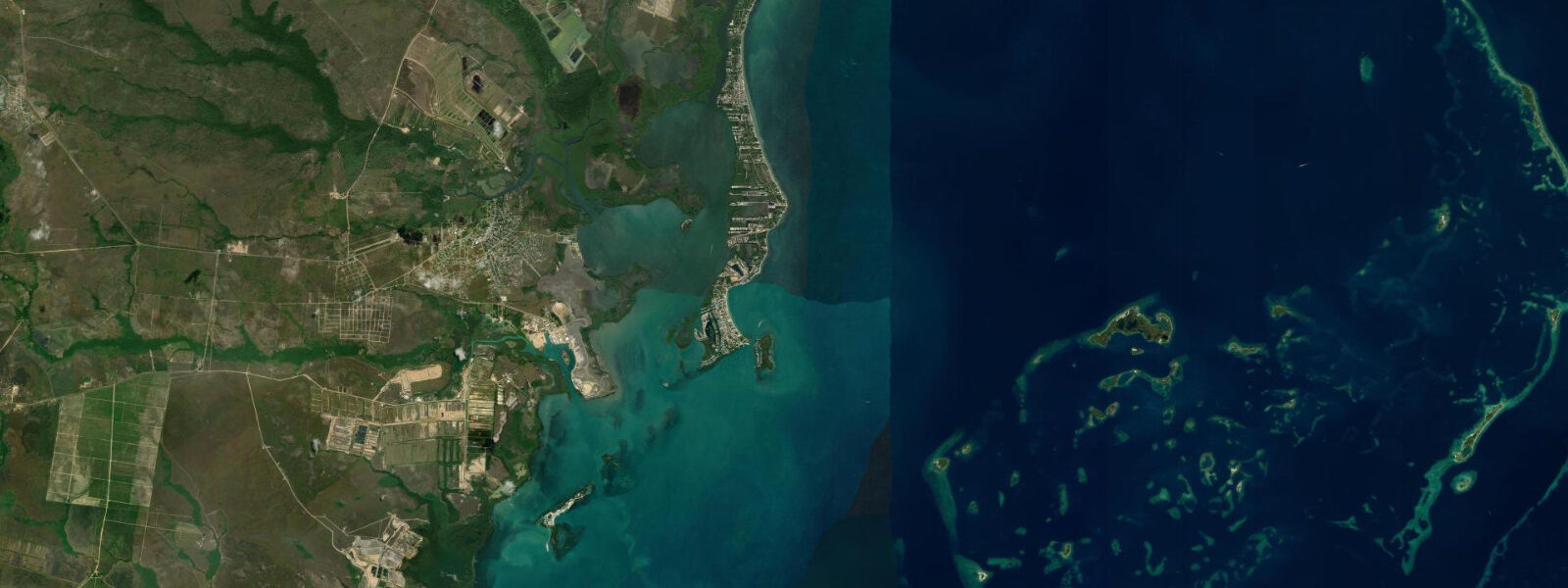
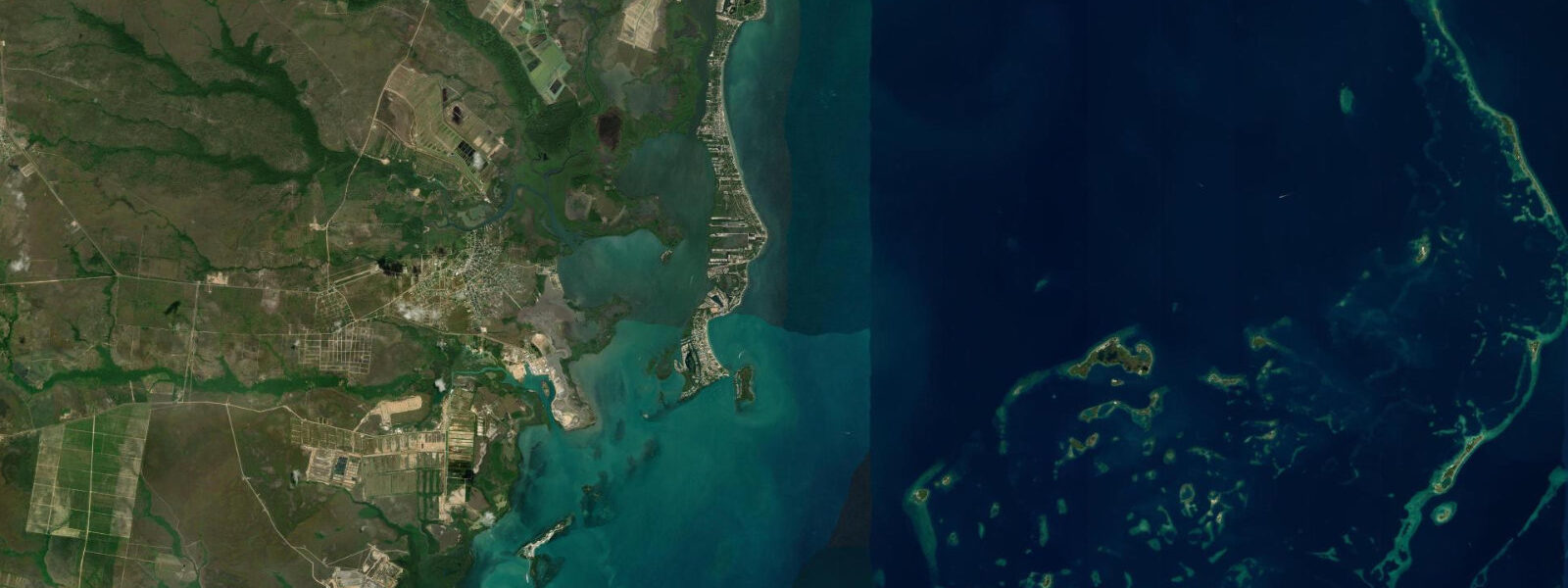
The three closest curated TideTurtle locations to Monkey River, Belize, measured by great-circle distance.
Today's solunar windows
Solunar tradition: major periods are the ≈3h windows around moon transit and opposition; minor are ≈2h around moonrise and moonset. Pair with the local tide stage and wind for the best read.
About tides at Monkey River, Belize
A short guide to the coastline at Monkey River, Belize — geography, sea state, and what the tide is actually doing under your feet.
Monkey River is a small Creole fishing village at the mouth of the Monkey River, 25 km south of Placencia by boat or accessible by a rough seasonal track from the Southern Highway. The village has fewer than 200 residents, no bank, no supermarket, and irregular electricity — it operates on its own rhythm, largely dependent on fishing and occasional tourism from Placencia. The river mouth empties into the Caribbean through a broad sandy bar, and the tidal exchange at the mouth is where the freshwater-saltwater boundary shifts with the tidal state.
Tidal pattern here is microtidal Caribbean: spring range 20–50 cm, mixed semidiurnal character. Open-Meteo Marine provides the forecast data — timing accuracy ±45 minutes, height accuracy ±0.2–0.3 m. The river mouth itself amplifies flow velocity at the bar even when the tidal range is small, making the transition from river to sea faster-moving than the open-coast numbers suggest.
Boat tours up the Monkey River are the primary draw for visitors. Local boatmen run 3–4 hour excursions upriver to where the river narrows and the gallery forest closes overhead. Howler monkeys are reliably encountered — their dawn and dusk calls carry across the village from the jungle upriver. Central American river otters, Morelet's crocodiles (typically 1.5–2.5 m), West Indian manatees, and green iguana are all regularly seen on guided tours. The crocodile population is habituated to boats — approach slowly and maintain distance.
For anglers, the river mouth and the lagoon systems behind the village hold snook, tarpon, and jack crevalle. Snook concentrate at the bar on incoming tides when bait pushes through; tarpon roll in the lagoons behind the village on calm mornings. The open coast north and south of the river mouth has flat, sandy bottom at 3–6 m depth with scattered coral — good for snapper and permit on fly, though you'll need your own gear.
Kayakers can paddle upriver from the village dock, working with the tidal current rather than against it. Incoming tide makes upriver paddling easier; outgoing tide assists the return. A circuit taking in the riverside birding — boat-billed heron, ringed kingfisher, snail kite — and the riverside forest takes 4–5 hours return. The river is navigable for sea kayaks for approximately 15 km above the village before submerged logs and shallow bars begin to restrict passage.
Beach families will find a quiet sandy beach at the river mouth, though the colour is grey-brown from river sediment and the bar can have current during strong ebb or flood phases. The village is not set up for typical beach tourism — there are no beach bars, no sunlounger hire, no facilities. That is precisely its appeal for visitors who want an un-curated piece of southern Belize coast.
Tide questions about Monkey River, Belize
Quick answers to the most common questions about tide times, range, and water access at Monkey River, Belize.
How do I get to Monkey River village?
The standard route from Placencia is by boat — local water taxis and tour operators make the 25-km run south in 30–45 minutes depending on sea state. The rough track from the Southern Highway near Maya King is driveable in a 4WD during the dry season but becomes impassable in the wet season (June–October). Most visitors take a boat day trip from Placencia that includes the village and the upriver wildlife tour. If staying overnight, arrange transfers through your accommodation in Placencia in advance — the boat schedule is not fixed and there are no public taxis. Sea state in the shallow coastal waters between Placencia and Monkey River can be choppy when northeast trades are strong.
What wildlife can I expect on the Monkey River boat tour?
Howler monkeys are the most reliable sighting — the resident troops use the gallery forest within the first 5 km of the village and are almost always encountered on morning tours. Morelet's crocodiles are frequently seen on riverbanks, typically 1–2.5 m individuals. West Indian manatees appear in the lower river reaches, particularly in the morning when they move into the shallower water. Central American river otters and green iguanas are common. Boat-billed heron, ringed kingfisher, snail kite, and the occasional bare-throated tiger heron are reliable riverine bird sightings. Early morning tours (departing Placencia by 6 am) produce the highest wildlife activity.
How does the tidal state affect the river mouth at Monkey River?
The tidal range is 20–50 cm at springs — microtidal — but the river mouth bar concentrates the tidal exchange into a narrow channel, producing stronger flow than the range alone suggests. An ebbing tide running against a southeast swell at the bar creates a short, choppy sea that small pangas cross carefully. Anglers and kayakers should plan bar crossings within 2 hours of high water when flow is minimal. Tidal data from Open-Meteo Marine carries ±45-minute timing uncertainty and ±0.2–0.3 m height uncertainty. River level variability from upstream rainfall in the wet season affects the bar more than tidal state during heavy rain events.
What is the best time of year to visit Monkey River?
January through April is the dry season: lower rainfall, clearer water in the river for wildlife viewing, calmer coastal seas for the boat transit from Placencia. The wet season (June–October) brings heavy daily rainfall and higher river flows that can muddy the water and reduce underwater visibility, but also higher wildlife activity as water levels push animals to riverbank edges. November and December bring the first northers, which can create rough conditions on the coastal transit. There is no single 'wrong' time — wildlife is present year-round — but dry season visitors get more consistently comfortable conditions.
Is there accommodation at Monkey River village?
The village has a small number of guesthouses offering basic accommodation — typically a clean room with a fan, shared bathroom, and simple meals. Electricity is from a community generator and may run only in the evenings. There are no air-conditioned hotels, no Wi-Fi, and mobile phone coverage is intermittent. Booking in advance through a Placencia tour operator is the most reliable approach, as the guesthouses don't have online booking systems. Most visitors to Monkey River do a day trip from Placencia rather than staying overnight. For those who do stay, the dawn wildlife activity from the dock before the day-trip boats arrive from Placencia is a significant advantage.
8-day tide table — Monkey River, Belize
Heights relative to MSL. Predictions: Open-Meteo Marine (MeteoFrance SMOC, 0.08° grid) — heights relative to MSL (not chart datum / LAT). Model-derived.
| Day | Type | Time | Height |
|---|---|---|---|
| Mon 03 Aug | High | 18:00 | 0.2m |
| Tue 04 Aug | — | ||
| Wed 05 Aug | Low | 08:45 | -0.0m |
| High | 16:50 | 0.2m | |
| Thu 06 Aug | Low | 09:00 | -0.0m |
| High | 17:00 | 0.2m | |
| Fri 07 Aug | Low | 10:15 | -0.1m |
| High | 18:00 | 0.2m | |
| Sat 08 Aug | — | ||
| Sun 09 Aug | Low | 11:45 | -0.1m |
| High | 18:50 | 0.2m | |
| Mon 10 Aug | Low | 00:10 | 0.0m |
| High | 06:10 | 0.2m | |
| Low | 12:45 | -0.1m | |
| High | 17:00 | 0.2m | |