Placencia, Belize tide times
Placencia, Belize tide forecast — heights relative to MSL.
Today's tide times for Placencia, Belize
Tide times at Placencia, Belize on Monday, 3 August 2026: first high tide at 06:00pm. Sunrise 05:34am, sunset 06:24pm.
Tide chart for Placencia, Belize
24-hour cosine-interpolated curve around the present moment. Heights relative to MSL. Predictions: Predictions: Open-Meteo Marine (MeteoFrance SMOC, 0.08° grid).
Sun, moon and conditions on Mon 03 Aug
Snapshot at build time — refreshes daily. Sea state from Open-Meteo Marine.
Highs and lows next 7 days
Every predicted high and low for the next week, with the daily tidal coefficient (0–120; higher = bigger swing, > 95 means stronger currents).
Other spots nearby
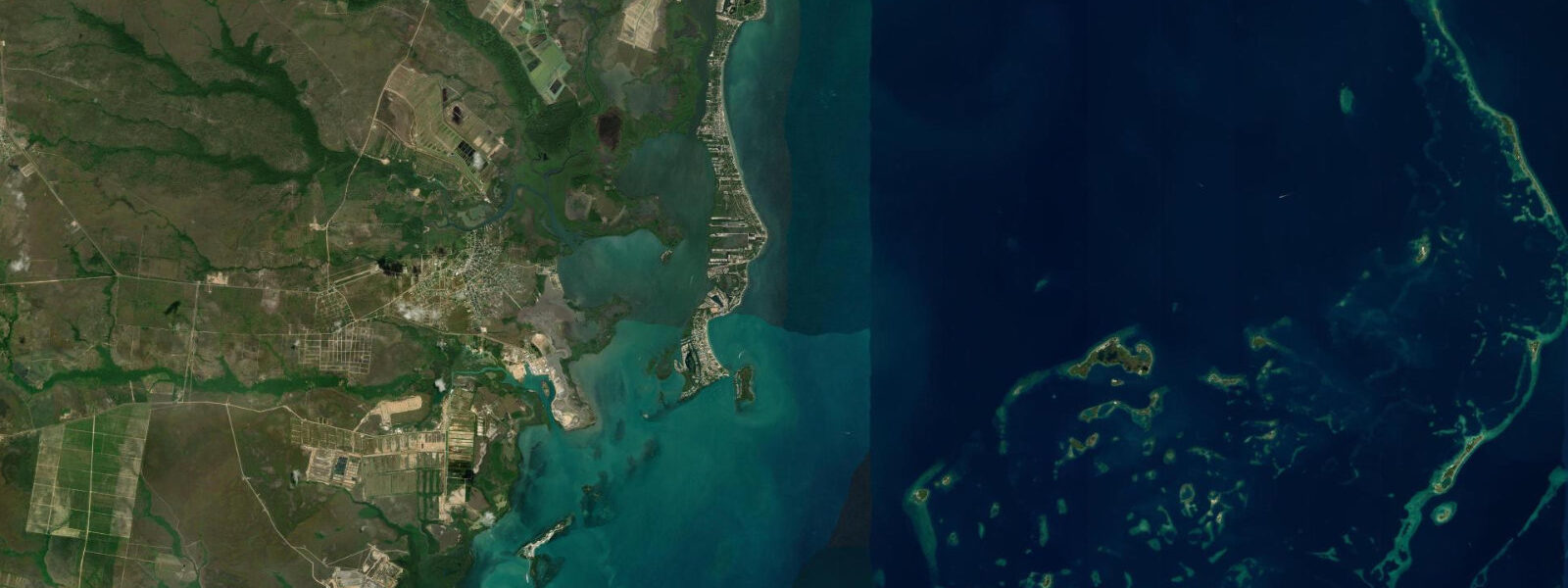
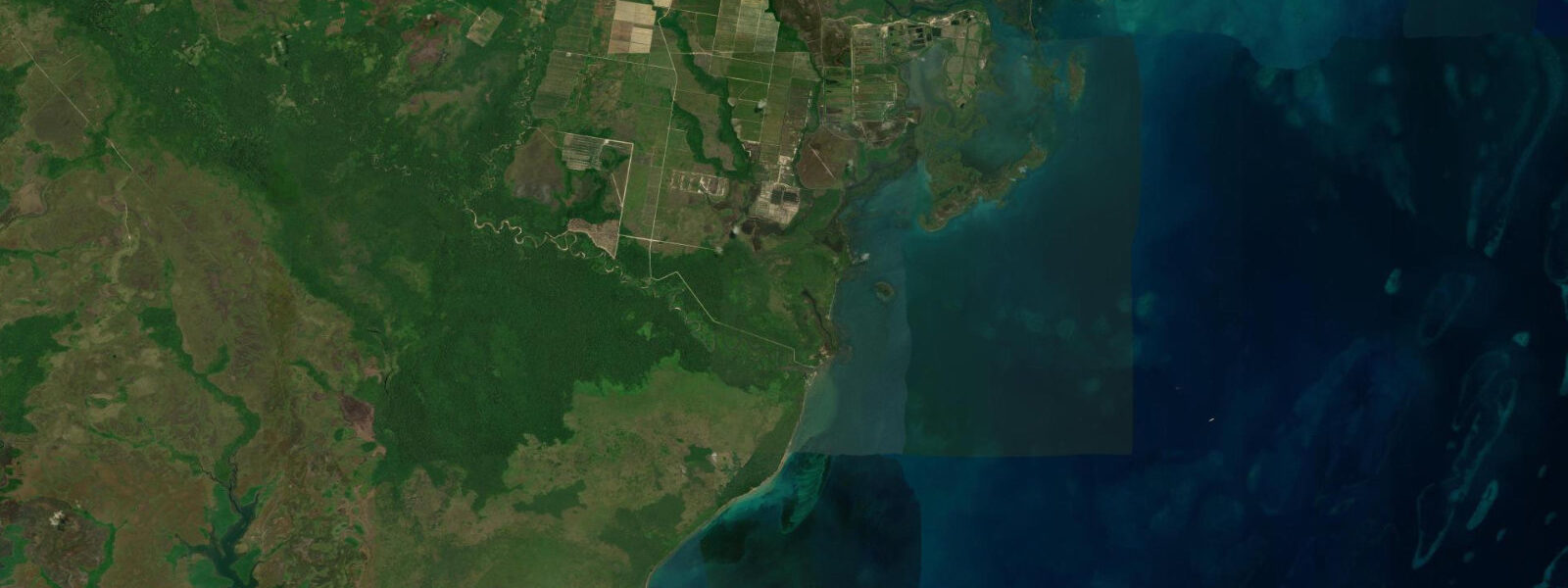
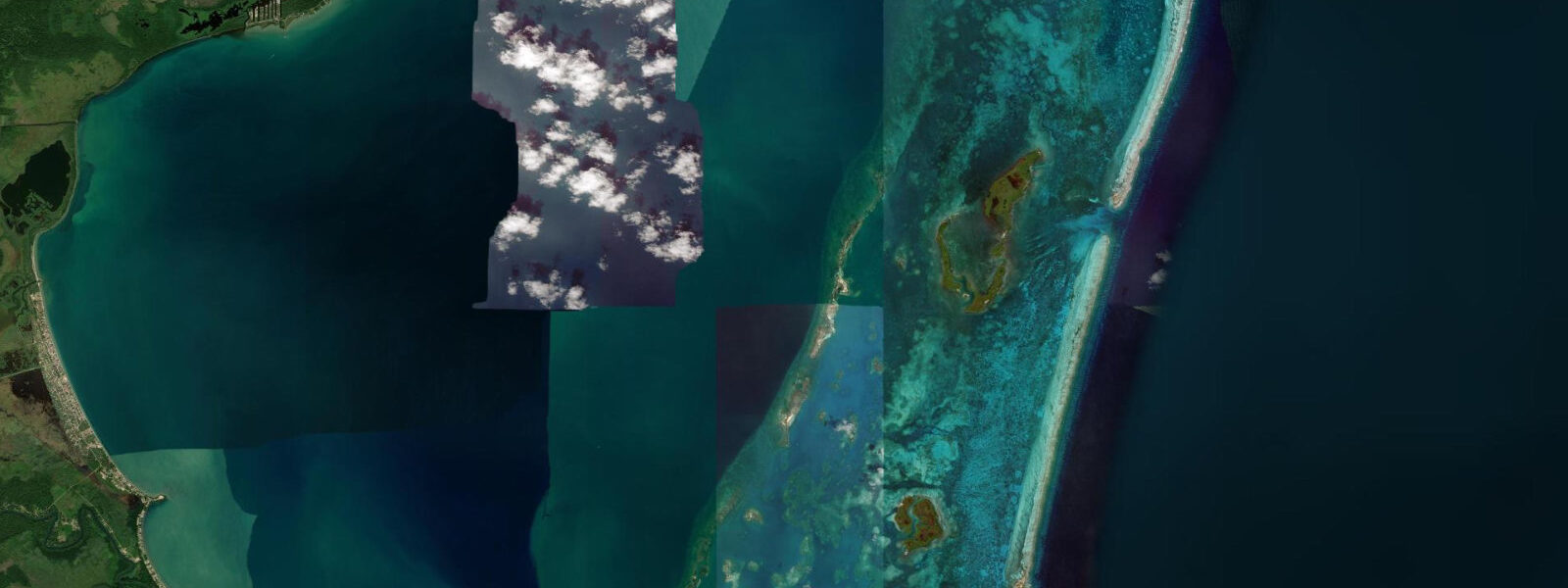
The three closest curated TideTurtle locations to Placencia, Belize, measured by great-circle distance.
Today's solunar windows
Solunar tradition: major periods are the ≈3h windows around moon transit and opposition; minor are ≈2h around moonrise and moonset. Pair with the local tide stage and wind for the best read.
About tides at Placencia, Belize
A short guide to the coastline at Placencia, Belize — geography, sea state, and what the tide is actually doing under your feet.
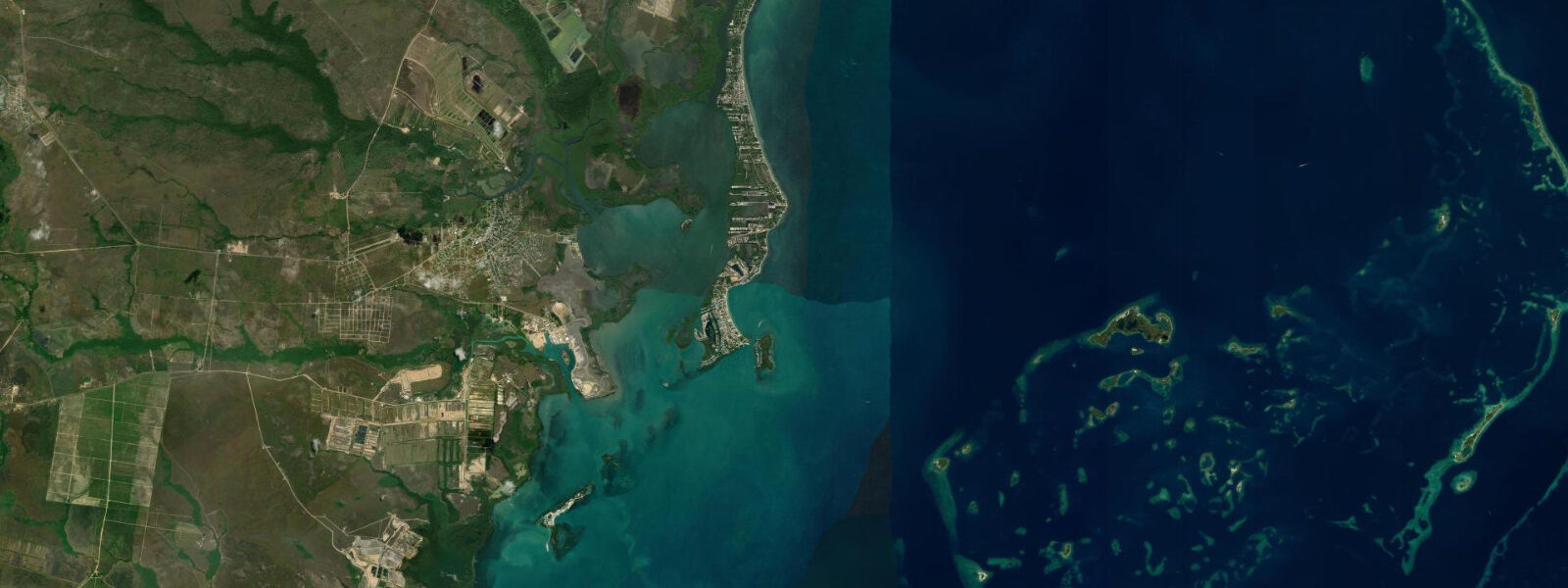
Placencia is a narrow limestone peninsula on the southern coast of Belize, jutting 25 km south into the Caribbean from the town of Seine Bight to the village of Placencia at the tip. The peninsula is 200–800 m wide, with the open Caribbean on the east side and the Placencia Lagoon — a broad, shallow body of water — on the west. The tip of the peninsula, where the village sits, is the nearest point to the Belize Barrier Reef in this part of the country: the reef is 25–35 km offshore, further than at Caye Caulker or Ambergris Caye, but the offshore cayes between the peninsula and the reef — Silk Cayes, Laughing Bird Caye — are outstanding snorkel and dive destinations accessible by day trip.
The tidal regime is consistent with coastal Belize: spring range 0.2–0.4 m, mixed semidiurnal, neap range 0.1–0.2 m. In Placencia Lagoon, the shallow basin geometry concentrates tidal exchange through the channels between the peninsula and the mainland; the northern entrance to the lagoon (Placencia Lagoon inlet, near the isthmus) runs 0.5–1.0 knots on spring tides. This current pattern has a direct effect on the sport fishing — which is Placencia’s most significant attraction beyond beaches.
Tarpon, permit, and bonefish on the flats are the primary targets. The southern Belize flats — from Placencia Lagoon north to the Sittee River mouth — are some of the least-pressured permit and bonefish water in Central America. Bonefish flats productivity is directly tide-dependent: the flood pushes fish from the deeper lagoon edges onto the turtle-grass and marl flats in 15–50 cm of water. The best sessions are on a clear morning flood — sun behind the angler, fish visible moving up the flat at 20–30 cm depth. Permit are here year-round; bonefish peak in September–November on the southern flats. Tarpon — large fish, 50–90 kg — stack in the lagoon channels and the mangrove creek mouths on both tides, ambushing mullet that concentrate in the current.
The Placencia Peninsula walking path — the narrowest main street in the world according to the Guinness record at 1.2 m wide — runs the length of the village on the lagoon side. The village of Placencia itself is a working fishing community with a small tourist overlay: guesthouses, restaurants, a fuel dock, and a small airstrip (Placencia Airport, Maya Island Air and Tropic Air flights to Belize City). The waterfront is the Caribbean-east side; the beach runs the length of the peninsula’s tip and is the swimming and sunbathing area. The beach faces southeast and receives direct morning sun.
For kayakers and paddlers, Placencia Lagoon is the main water. The lagoon is 12–20 km wide and averages 1.5–3.5 m depth — navigable by sea kayak at all tidal stages, though the spring ebb exposes sandbar areas in the shallower northern sections. The lagoon’s west shore has dense mangrove systems that shelter West Indian manatees year-round; manatees feed on seagrass and are most visible at dawn and dusk when they surface to breathe. The current through the lagoon channels on spring tides pushes manatees into visible positions near channel openings — patience and quiet water are more important than tidal timing for sightings.
Scuba diving from Placencia is primarily offshore — day trips to Laughing Bird Caye National Park (30 km, a UNESCO World Heritage component) and the Silk Cayes. These sites are outside the lagoon; the offshore tidal current at the cayes is 0.5–1.0 knots on spring tides. Local dive operators run scheduled trips and brief conditions on the day. The Northern Barrier Reef segment accessible from Placencia — from Laughing Bird south to Ranguana Caye — includes wall sections in 20–40 m and is less dived than the northern reef near San Pedro.
Photographers working Placencia focus on the lagoon sunsets (west-facing) and the fishing village life — pangas, nets, the early-morning fish landing. The most productive photography window is 05:30–08:00 when the fishing fleet returns, the light is directional, and the village is active. At very low spring water, the lagoon shoreline in front of the village exposes a 5–10 m band of sandy flat — good foreground for wide-angle lagoon compositions.
All tide predictions for Placencia come from the Open-Meteo Marine gridded model. Timing accuracy is ±45 minutes; height accuracy is ±0.3 m above Chart Datum.
Tide questions about Placencia, Belize
Quick answers to the most common questions about tide times, range, and water access at Placencia, Belize.
What is the tidal range at Placencia and how does it affect bonefish and permit fishing on the flats?
Placencia has a mixed semidiurnal tidal range of 0.2–0.4 m on springs. The flood tide is the key variable for flats fishing: as water rises, bonefish and permit move from lagoon-edge channels onto the turtle-grass and marl flats in 15–50 cm of water. The best sight-fishing window is the first 2–3 hours of the incoming tide on a clear morning — fish are visible moving up the flat, sun is behind the angler, and the marl bottom is lit. Spring tides produce the most inundation and push fish furthest from the channel; neap tides keep fish closer to the drop-off. Tide predictions from the Open-Meteo Marine gridded model carry ±45 minutes timing uncertainty and ±0.3 m height uncertainty — confirm the tide chart with your guide before departure.
Where do tarpon hold near Placencia and when should I fish for them?
Tarpon in the 50–90 kg range hold in the mangrove creek mouths and the tidal channels flowing into Placencia Lagoon. The most consistent holding lies are at channel constrictions where current speed increases on both flood and ebb — the Sittee River mouth north of the peninsula and the lagoon inlet near the isthmus are the local guide favourites. The most active feeding window is the first 90 minutes of the flood and the last 90 minutes of the ebb, when current speed through the channels peaks and disoriented mullet concentrate in the seam. Large streamers and surface poppers on fly tackle are the preferred method. Local guides operate from the Placencia village dock; book 48 hours in advance in the November–April high season.
Can I see manatees near Placencia, and does the tide affect sightings?
West Indian manatees are resident in Placencia Lagoon year-round, feeding on the seagrass beds in 1–3 m of water. They are most visible at dawn and dusk when they surface to breathe — sighting frequency is driven by time of day and observer position more than by tidal state. Spring tides do push manatees into visible positions near channel openings as they follow the feeding seagrass edge; this is a subtle effect. Kayak tours from Placencia village operate specifically for manatee sightings; the guided route along the lagoon’s west shore mangroves is more productive than independent paddling because guides know the daily feeding areas. Approach slowly, paddle quietly, and give manatees at least 15 m of clearance under Belizean law.
Is Placencia’s beach good for swimming, and what tidal conditions apply?
The Caribbean-facing beach on the east side of Placencia village is the swimming and sunbathing beach. The beach faces southeast and is exposed to the Caribbean — swell reaches the beach when trade winds run above 15 knots, creating 0.3–0.8 m of surface chop. At the microtidal range of 0.2–0.4 m, the tide barely changes beach width. The water is clearest and calmest in the morning before the sea breeze builds. The beach is not protected by a nearshore reef at this specific location; swimming is in open Caribbean water. Children and casual swimmers should avoid the beach when swell is above 0.5 m (wave height on the beach, not offshore). The lagoon-side shoreline is calmer but muddier underfoot.
How long is the day trip to Laughing Bird Caye from Placencia, and does tide affect it?
Laughing Bird Caye National Park is 30 km offshore from Placencia — approximately 45–60 minutes by fast panga depending on sea state. The trip is straightforward in calm conditions; rough weather (seas above 0.8 m, common during October–January northers) can extend transit time or cause cancellation. Tidal state does not significantly affect the offshore crossing: the 0.2–0.4 m range produces negligible sea-state change on the 30 km run. At the caye itself, tidal current of 0.5–1.0 knots on spring tides affects dive planning — operators conduct briefings on current direction. Snorkel sites at Laughing Bird are in 2–8 m; the reef is at its best on the flood with clear oceanic water moving over it from the seaward side.
8-day tide table — Placencia, Belize
Heights relative to MSL. Predictions: Open-Meteo Marine (MeteoFrance SMOC, 0.08° grid) — heights relative to MSL (not chart datum / LAT). Model-derived.
| Day | Type | Time | Height |
|---|---|---|---|
| Mon 03 Aug | High | 18:00 | 0.2m |
| Tue 04 Aug | Low | 07:10 | 0.0m |
| Wed 05 Aug | High | 16:42 | 0.2m |
| Low | 22:00 | 0.1m | |
| Thu 06 Aug | High | 02:50 | 0.1m |
| Low | 09:00 | -0.0m | |
| Fri 07 Aug | High | 03:00 | 0.2m |
| Low | 10:10 | -0.1m | |
| High | 17:50 | 0.2m | |
| Sat 08 Aug | — | ||
| Sun 09 Aug | Low | 11:50 | -0.1m |
| High | 18:45 | 0.2m | |
| Mon 10 Aug | Low | 00:10 | 0.0m |
| High | 06:00 | 0.2m | |