Blankenberge tide times
Blankenberge tide forecast — heights relative to MSL.
Today's tide times for Blankenberge
Tide times at Blankenberge on Tuesday, 4 August 2026: first low tide at 02:00am, first high tide at 05:22am, second low tide at 11:44am, second high tide at 05:39pm. Sunrise 06:14am, sunset 09:31pm.
Tide chart for Blankenberge
24-hour cosine-interpolated curve around the present moment. Heights relative to MSL. Predictions: Predictions: Open-Meteo Marine (MeteoFrance SMOC, 0.08° grid).
Sun, moon and conditions on Tue 04 Aug
Snapshot at build time — refreshes daily. Sea state from Open-Meteo Marine.
Highs and lows next 7 days
Every predicted high and low for the next week, with the daily tidal coefficient (0–120; higher = bigger swing, > 95 means stronger currents).
Other spots nearby
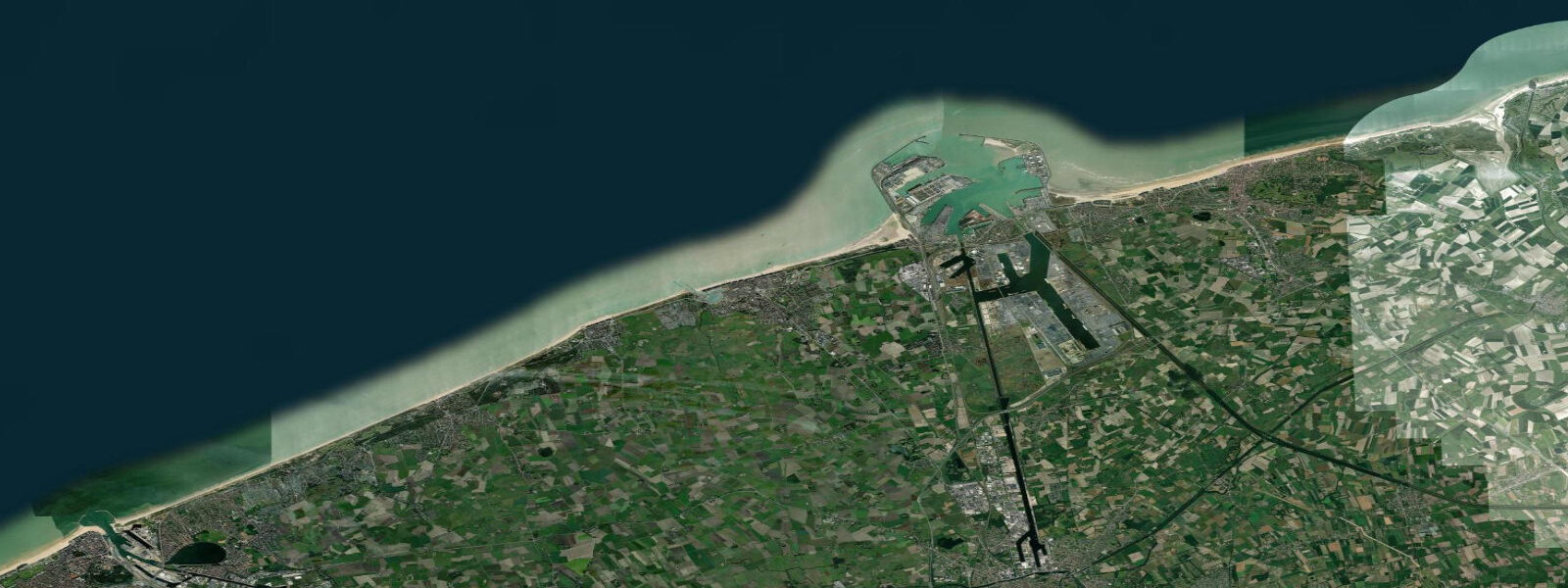
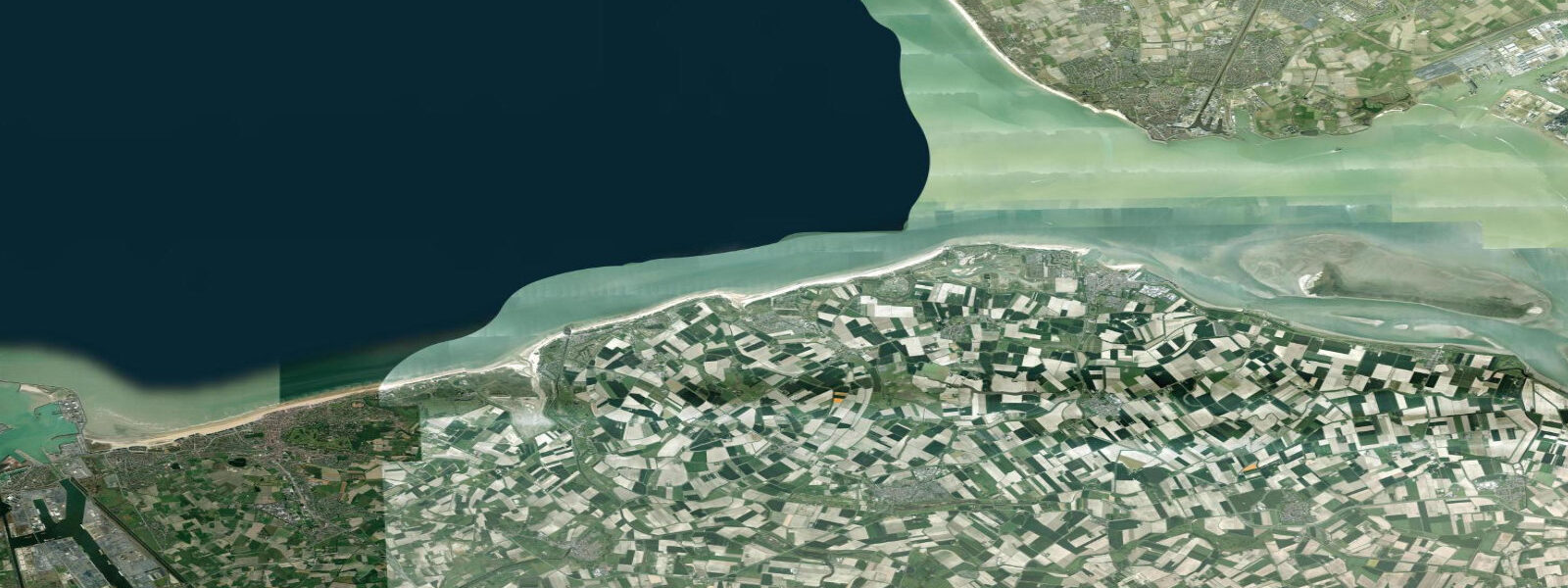
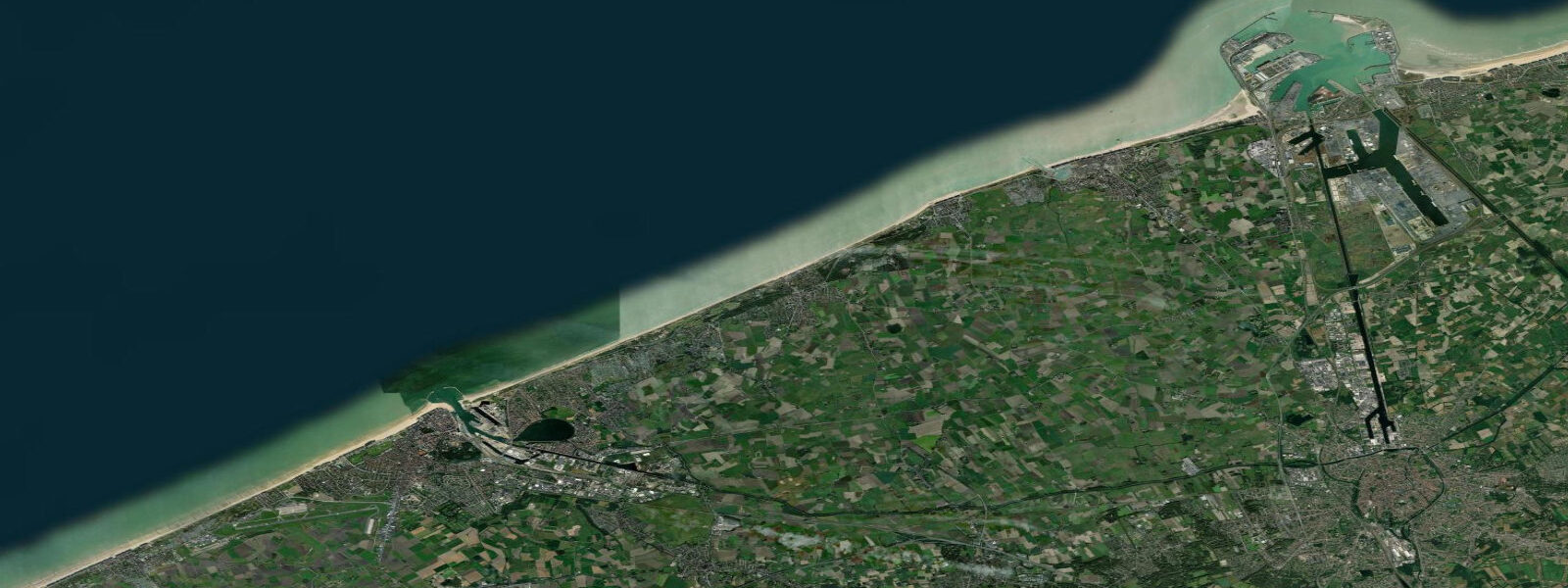
The three closest curated TideTurtle locations to Blankenberge, measured by great-circle distance.
Today's solunar windows
Solunar tradition: major periods are the ≈3h windows around moon transit and opposition; minor are ≈2h around moonrise and moonset. Pair with the local tide stage and wind for the best read.
Cycle dates near Blankenberge
Last spring tide on Tue 04 Aug (range 4.0m). Next neap on Mon 10 Aug.
Spring tides cluster around new and full moons (biggest swings). Neap tides land on quarter moons (smallest swings). See the spring tide and neap tide glossary entries for the why.
About tides at Blankenberge
A short guide to the coastline at Blankenberge — geography, sea state, and what the tide is actually doing under your feet.
Blankenberge is Belgium's second-largest seaside resort after Oostende, a working-class beach town with a direct rail connection to Brussels (70 minutes) that has drawn summer crowds since the late nineteenth century. The beach is wide, the seafront is loud in July and August, and the pier — built in the 1930s and one of the last surviving piers on the Belgian coast — extends 350 m into the North Sea on concrete piles, its casino-end pavilion the most prominent landmark from the beach. Sea Life Blankenberge, housed in a modernised building behind the seafront, is the anchor attraction for families. The resort character is unapologetically popular: carnival rides, seafront stalls, and the kind of summer-season promenade life that has been largely removed from more gentrified coastal towns.
The tide at Blankenberge is identical in character to the rest of the Belgian North Sea coast: semidiurnal, with a large mean spring range of 4.0 to 5.0 m. Two highs and two lows each day, the cycle turning roughly 50 minutes later with each successive day. The wide sandy beach narrows dramatically at high water — the sea reaches the promenade wall on a spring high — and then exposes its full width at low water, when the wet sand flat stretches 300 m seaward of the mean high-water line. The beach gradient at Blankenberge is gentle, approximately 1 in 60, so a 4.0 m tidal range translates to roughly 240 m of lateral waterline movement over a spring cycle.
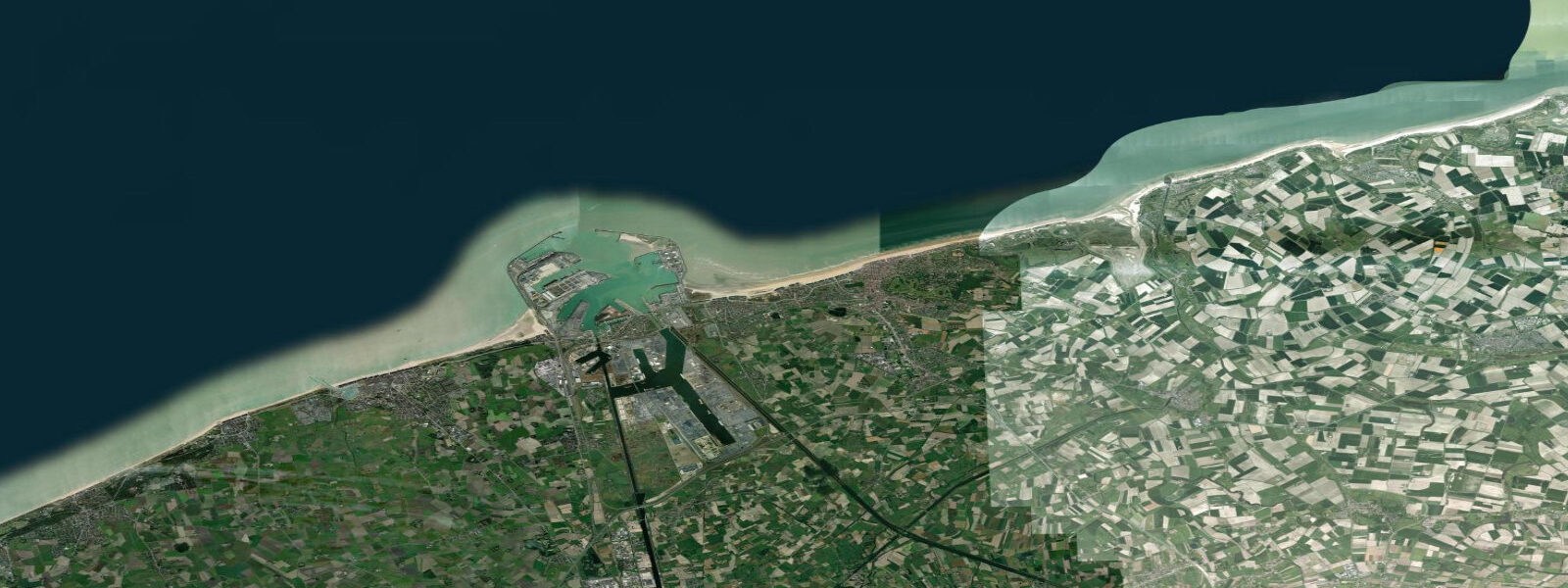
The pier at Blankenberge is a traditional shore-angling platform. Anglers working the pier catch flatfish (plaice, dab, sole) and bass during the flood tide, when the incoming water concentrates baitfish around the piles and the pier structure itself creates localised current turbulence. The ebb tide along the pier is also productive for flounder working back into deeper water. The pier deck is open to pedestrians and the end section affords an unobstructed view of the coastal geometry — the Zeebrugge breakwater visible to the east, the De Haan coast to the west.
Kite-buggy and kite-surfing activity from Blankenberge beach focuses on the low-water flat when wind is in the prevailing southwest to northwest sector. The beach hosts organised races and training sessions on weekends in spring and autumn when the beach is less crowded. Windsurfing on the Belgian coast is more challenging than on the sheltered inlets further north: the open North Sea exposure means swell-wind combinations develop quickly, and the tidal current offshore runs 1 to 2 knots at springs.
The dunes behind Blankenberge have largely been developed, but the Fonteintjes Nature Reserve immediately west of the town — a dune slack with brackish ponds — is a local bird-watching site, particularly during spring and autumn passage. The same coastal tram (Kusttram) that serves the entire Belgian coast stops here, connecting to Bruges in 30 minutes by the inland bus connection.
Predictions on this page come from Open-Meteo Marine, a gridded global ocean model. At the 4 to 5 m spring range of this coast, the model's typical accuracy of plus or minus 45 minutes on timing and 0.2 to 0.3 m on height is a modest fraction of the total signal. For authoritative Belgian tide data, the Vlaamse Hydrografie publishes harmonic predictions for Blankenberge and Oostende. De Blankenberge high-water time is typically within 5 to 10 minutes of Oostende's.
Tide questions about Blankenberge
Quick answers to the most common questions about tide times, range, and water access at Blankenberge.
When is the next high tide at Blankenberge?
The hero block at the top of this page shows the next predicted high at Blankenberge in local Central European Time (CET/CEST, UTC+1/UTC+2). Blankenberge has a North Sea semidiurnal tide — two highs and two lows per day. The Vlaamse Hydrografie publishes the authoritative harmonic tide tables for Blankenberge; the predicted high here typically arrives within 5 to 10 minutes of Oostende's. On a spring high, the sea reaches the promenade wall; on a spring low, the beach flat exposes 300 m of wet sand.
What is the tidal range at Blankenberge?
Mean spring range is 4.0 to 5.0 m — the standard for the southern Belgian North Sea coast. Neap range during quarter moons compresses to roughly 2.5 to 3.0 m. The beach gradient at Blankenberge (approximately 1 in 60) means a 4.0 m spring range moves the waterline roughly 240 m across the flat between high and low water. At spring high tide the sea reaches the promenade wall; at spring low tide the flat extends well beyond the pier base. The pier itself is submerged to the walkway level at high spring tide.
Where do these tide predictions come from?
Open-Meteo Marine, a free gridded global ocean model. At Blankenberge's 4 to 5 m spring range, the model's typical accuracy (plus or minus 45 minutes on timing, 0.2 to 0.3 m on height) is a modest fraction of the total signal and more reliable than at microtidal stations. For authoritative Belgian coast tide data, the Vlaamse Hydrografie publishes harmonic predictions for the principal Belgian ports. Meetnet Vlaanderen operates real-time gauges that give observed water level.
Is the Blankenberge pier good for fishing?
The pier is one of the better shore-angling platforms on the Belgian coast. Flatfish — plaice, dab, sole — are the main target, with bass (zeebaars) a secondary species. The flood tide is the traditional productive window as baitfish concentrate around the piles; the first two hours of flood are favoured by local anglers. Lug worm and ragworm are the standard baits. A licence (Sport Visakte) is required for sea fishing in Belgian coastal waters; it is available online from het Agentschap voor Natuur en Bos. The pier entrance fee is separate.
Is this safe to use for navigation?
No. TideTurtle is a planning tool for recreational coastal activity, not a navigation resource. Blankenberge's harbour entrance and the approaches from the North Sea require standard chart navigation. The port of Zeebrugge 7 km east is one of Europe's busiest container ports; vessel traffic in this coastal zone is dense. Use official Belgian maritime charts and the Vlaamse Hydrografie tide tables for any vessel operation. Open-Meteo Marine gridded predictions do not replace authoritative sources for navigation.
8-day tide table — Blankenberge
Heights relative to MSL. Predictions: Open-Meteo Marine (MeteoFrance SMOC, 0.08° grid) — heights relative to MSL (not chart datum / LAT). Model-derived.
| Day | Type | Time | Height |
|---|---|---|---|
| Tue 04 Aug | Low | 02:00 | -1.0m |
| High | 05:22 | 1.8m | |
| Low | 11:44 | -1.7m | |
| High | 17:39 | 1.8m | |
| Wed 05 Aug | Low | 00:02 | -2.1m |
| High | 06:08 | 1.8m | |
| Low | 12:28 | -1.7m | |
| High | 18:25 | 1.7m | |
| Thu 06 Aug | Low | 00:50 | -2.0m |
| High | 06:56 | 1.6m | |
| Low | 13:13 | -1.6m | |
| High | 19:16 | 1.5m | |
| Fri 07 Aug | Low | 01:45 | -2.0m |
| High | 07:53 | 1.3m | |
| Low | 14:10 | -1.8m | |
| High | 20:21 | 1.2m | |
| Sat 08 Aug | Low | 02:43 | -1.8m |
| High | 09:02 | 1.1m | |
| Low | 15:11 | -1.5m | |
| High | 21:28 | 1.1m | |
| Sun 09 Aug | Low | 03:48 | -1.7m |
| High | 10:16 | 1.1m | |
| Low | 16:17 | -1.4m | |
| High | 22:59 | 1.3m | |
| Mon 10 Aug | Low | 17:51 | -1.5m |
| Tue 11 Aug | High | 00:22 | 1.4m |