Saint Martin's Island tide times
Saint Martin's Island tide forecast — heights relative to MSL.
Today's tide times for Saint Martin's Island
Tide times at Saint Martin's Island on Tuesday, 4 August 2026: first low tide at 06:00am, first high tide at 11:46am, second low tide at 05:58pm. Sunrise 05:26am, sunset 06:27pm.
Tide chart for Saint Martin's Island
24-hour cosine-interpolated curve around the present moment. Heights relative to MSL. Predictions: Predictions: Open-Meteo Marine (MeteoFrance SMOC, 0.08° grid).
Sun, moon and conditions on Tue 04 Aug
Snapshot at build time — refreshes daily. Sea state from Open-Meteo Marine.
Highs and lows next 7 days
Every predicted high and low for the next week, with the daily tidal coefficient (0–120; higher = bigger swing, > 95 means stronger currents).
Other spots nearby
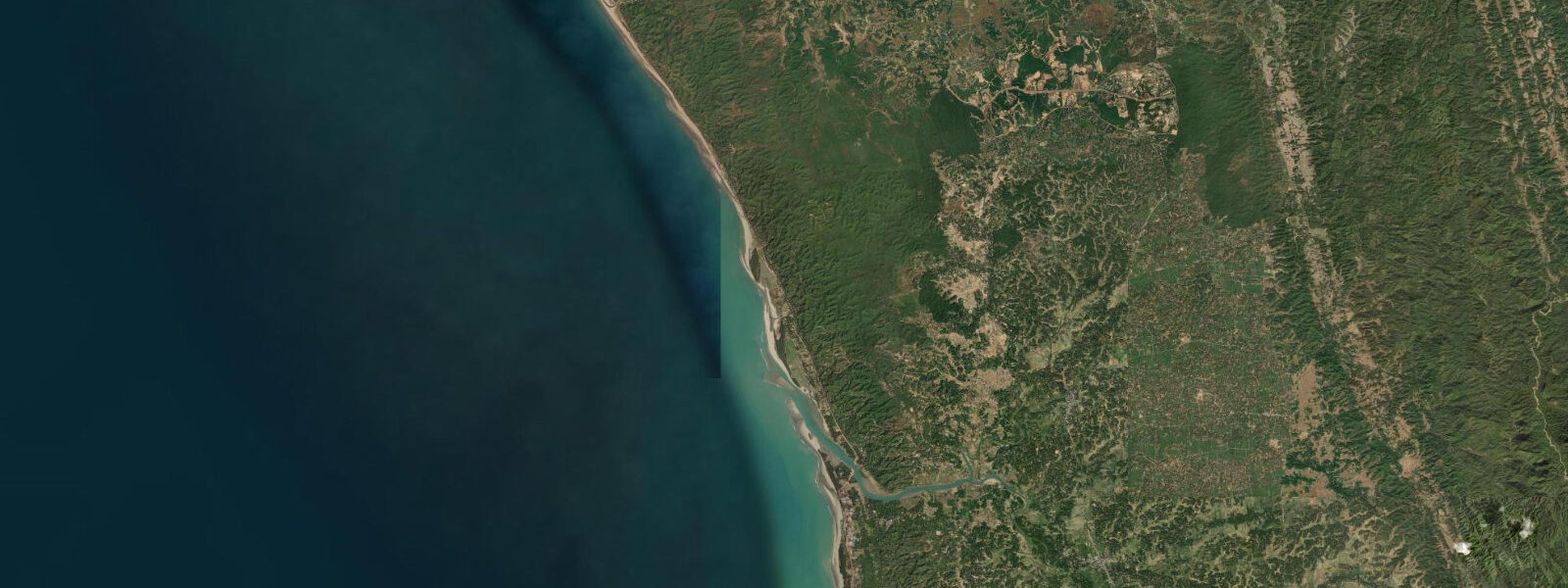
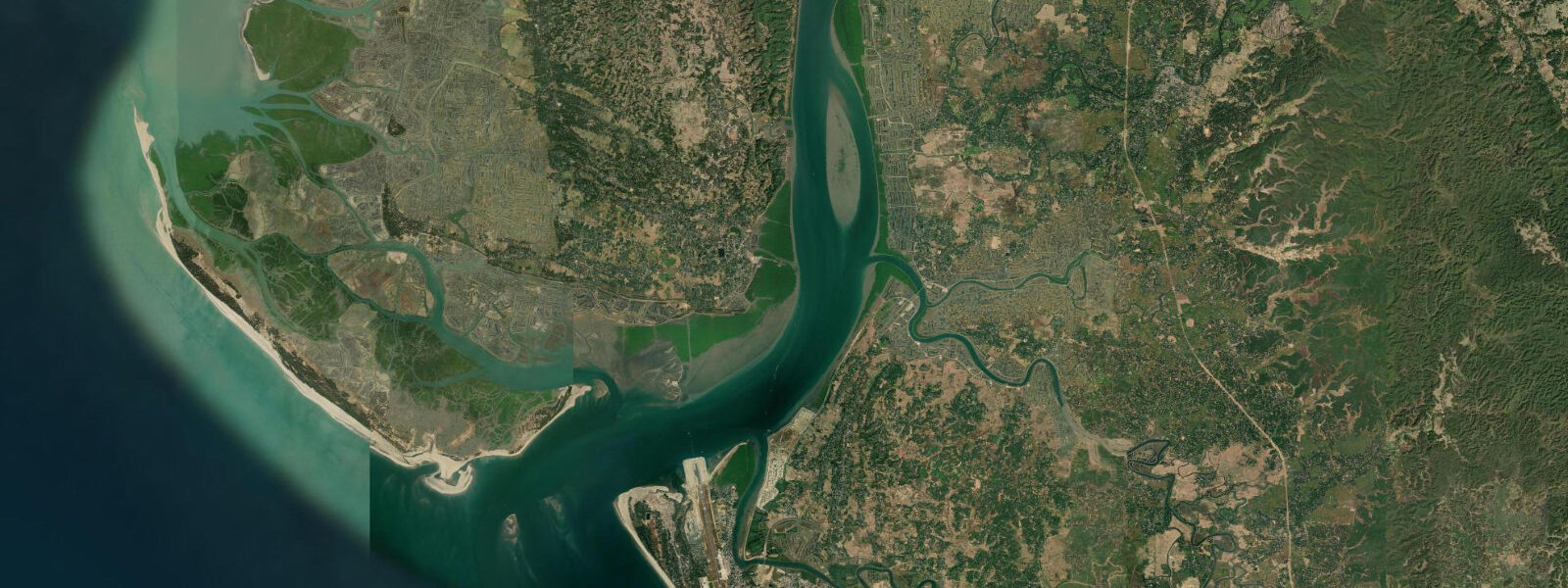
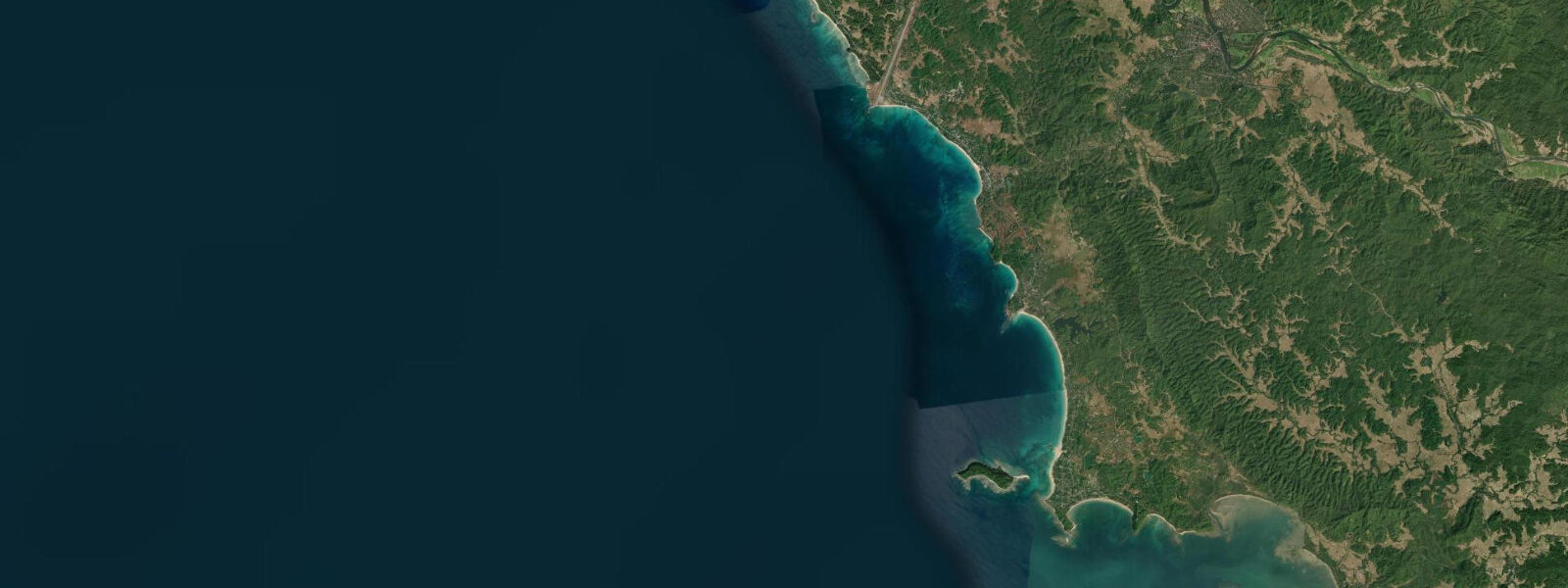
The three closest curated TideTurtle locations to Saint Martin's Island, measured by great-circle distance.
Today's solunar windows
Solunar tradition: major periods are the ≈3h windows around moon transit and opposition; minor are ≈2h around moonrise and moonset. Pair with the local tide stage and wind for the best read.
Cycle dates near Saint Martin's Island
Last spring tide on Tue 04 Aug (range 2.1m). Next spring tide on Mon 10 Aug (range 2.0m). Next neap on Sun 09 Aug.
Spring tides cluster around new and full moons (biggest swings). Neap tides land on quarter moons (smallest swings). See the spring tide and neap tide glossary entries for the why.
About tides at Saint Martin's Island
A short guide to the coastline at Saint Martin's Island — geography, sea state, and what the tide is actually doing under your feet.
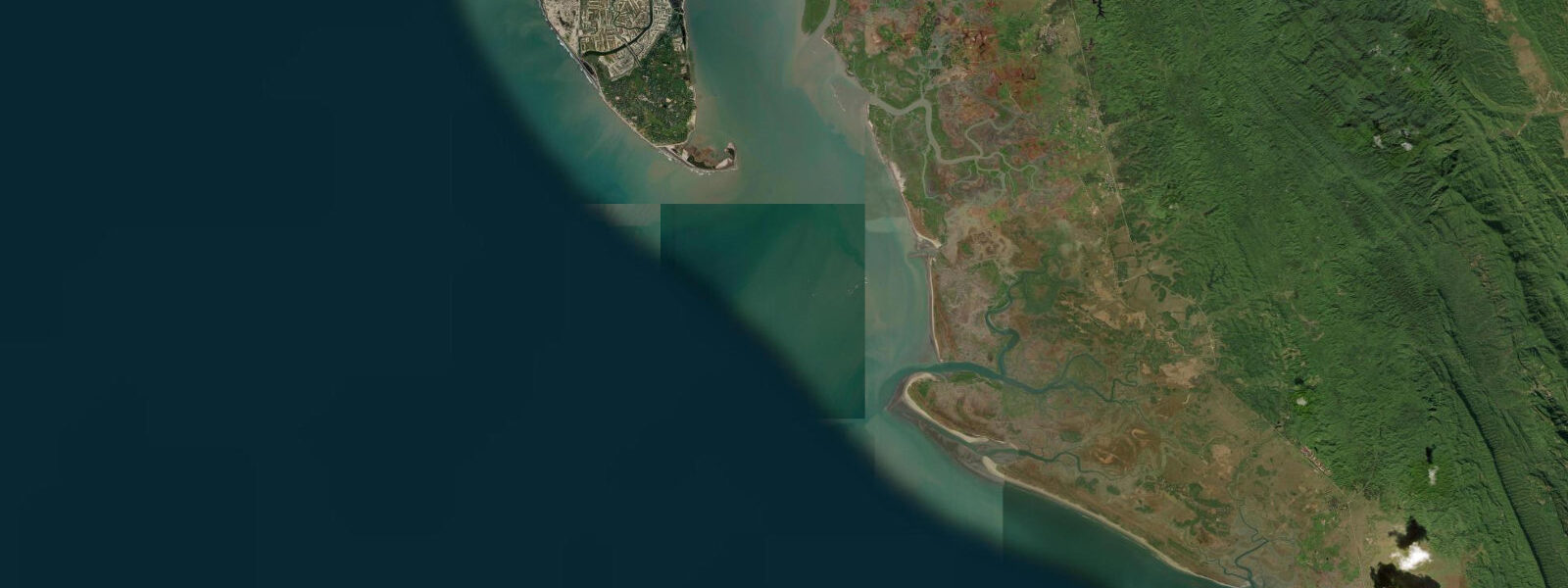
Saint Martin's Island — Narikel Jinjira (Coconut Island) in Bengali — is the only coral island in Bangladesh, sitting 9 kilometres south of Teknaf at the tip of the Cox's Bazar peninsula and separated from the Bangladesh coast by the Naf River estuary. The island is approximately 8 square kilometres and rises no more than 3 metres above sea level. It has a permanent resident population of approximately 8,000 people, living primarily from fishing and, increasingly, from the tourism that peaks in the dry season (November to March) when the ferry from Teknaf operates.
The coral reef surrounding Saint Martin's is the northernmost in the Bay of Bengal. Coral growth here is at the thermal limit — water temperatures drop to 22 to 23 degrees Celsius in winter months (December to February), close to the threshold below which coral growth rates slow significantly and bleaching stress from cold becomes a factor. The coral communities are less diverse than tropical reefs at lower latitudes, but they are more biodiverse than surrounding non-coral coastal environments and are nationally significant as Bangladesh's only reef ecosystem. The reef supports over 150 species of coral, 240 species of fish, and 150 species of mollusc documented in surveys.
The tidal regime at Saint Martin's is semidiurnal with a spring range of approximately 1.5 to 2.0 metres — noticeably less than the 3.5 to 4.5 metre range at Cox's Bazar 100 kilometres north. The reduction in range reflects the island's open ocean exposure relative to the semi-enclosed northern Bay of Bengal bay geometry. At low water springs, the inter-tidal reef flat around the island is exposed for 50 to 100 metres, revealing the upper coral community. The reef flat is accessible on foot in calm conditions; coral walking causes irreversible damage to the living colonies and should be avoided.
The ferry from Teknaf operates from November to March when Bay of Bengal sea conditions permit — typically 8 to 9 months of calm followed by the monsoon period when the passage is unsafe for the vessels used. The ferry takes approximately 2.5 hours from Teknaf. Day visitors return on the same day's ferry; overnight visitors stay in the island's guesthouse accommodation. The island has a small permanent market, basic medical facility, and a police post. Fresh water is limited in the dry season — the island's aquifer is recharged by monsoon rain, and the supply is managed carefully through the dry season.
Sea turtles nest on the beaches of Saint Martin's Island. Olive ridley turtle (Lepidochelys olivacea) and green turtle (Chelonia mydas) nesting has been documented; the beach on the northern and eastern faces is used for nesting in the winter months (November to February). The Department of Fisheries has run a sea turtle monitoring programme on the island. Visitors should not approach nesting turtles or hatchlings and should not use torchlight on nesting beaches after dark.
Snorkelling off the island's southern and eastern reef face is the primary water activity. The reef is in 2 to 8 metres on the shallow sections and is accessible without a boat from the beach at low to mid-tide. Visibility is typically 5 to 10 metres on settled days. Several local snorkel operators offer guided sessions and equipment rental on the island.
Predictions on this page come from Open-Meteo Marine, a gridded global ocean model. Accuracy is typically within plus or minus 45 minutes on timing and 0.2 to 0.3 metres on height — model-derived, not from a local gauge. The local tide authority is the Bangladesh Meteorological Department (BMD).
Tide questions about Saint Martin's Island
Quick answers to the most common questions about tide times, range, and water access at Saint Martin's Island.
Does Saint Martin's Island have the only coral reef in Bangladesh?
Yes. Saint Martin's Island (Narikel Jinjira) has the only coral reef ecosystem in Bangladesh and the northernmost coral reef in the Bay of Bengal. The reef exists at the thermal limit for coral growth — winter water temperatures of 22 to 23 degrees Celsius (December to February) slow coral growth rates and create occasional cold-stress conditions. The reef supports over 150 coral species, 240 fish species, and 150 mollusc species documented in surveys — nationally significant even if less diverse than deeper-tropical reefs. The Bangladesh government has declared the island an Ecologically Critical Area, restricting development.
How do I get to Saint Martin's Island?
By ferry from Teknaf, at the southern tip of the Cox's Bazar coast — approximately 2.5 hours sailing south into the Bay of Bengal. The ferry operates November to March when sea conditions permit; service suspends during the monsoon. Multiple operators run the route; the ferry typically departs at 09:00 to 10:00 and returns in the afternoon for day visitors. Overnight stays are possible at the island guesthouses. Teknaf is accessible from Cox's Bazar by road (2 to 2.5 hours) or by shared transport on Marine Drive. Bring USD or BDT cash — there is no ATM on Saint Martin's Island.
Can I snorkel at Saint Martin's Island?
Yes. The southern and eastern reef face is accessible from the beach at low to mid-tide, with coral in 2 to 8 metres and visibility of 5 to 10 metres on settled days. Local operators on the island offer snorkel gear rental and guided sessions. The reef flat at low water springs is accessible on foot from several beach points, but walking on the coral causes irreversible damage and must be avoided. The incoming tide brings cleaner Bay of Bengal water and improves visibility; the best snorkel window is the hour around high water on incoming tides.
Do sea turtles nest at Saint Martin's Island?
Yes. Olive ridley turtle (Lepidochelys olivacea) and green turtle (Chelonia mydas) have been recorded nesting on Saint Martin's Island beaches, primarily on the northern and eastern faces during the dry season (November to February). The Department of Fisheries runs a monitoring programme. If turtle tracks or nesting activity are observed, maintain a minimum 10-metre distance and do not use torchlight or photography flash on nesting turtles or hatchlings. Report sightings to the island's Department of Fisheries post. The island's Ecologically Critical Area designation prohibits interference with nesting turtles.
What is the tidal range at Saint Martin's Island?
Spring tidal range at Saint Martin's Island is approximately 1.5 to 2.0 metres — noticeably smaller than the 3.5 to 4.5 metre range at Cox's Bazar 100 kilometres north. The reduction reflects the island's open Bay of Bengal exposure, which lacks the semi-enclosed amplification of the northern bay. The regime is semidiurnal. At low water springs, the inter-tidal reef flat is exposed for 50 to 100 metres. Predictions here come from Open-Meteo Marine (±45 minutes on timing, ±0.3 m on height). Not for navigation; consult the Bangladesh Meteorological Department (BMD).
8-day tide table — Saint Martin's Island
Heights relative to MSL. Predictions: Open-Meteo Marine (MeteoFrance SMOC, 0.08° grid) — heights relative to MSL (not chart datum / LAT). Model-derived.
| Day | Type | Time | Height |
|---|---|---|---|
| Tue 04 Aug | Low | 06:00 | -0.1m |
| High | 11:46 | 1.8m | |
| Low | 17:58 | -0.3m | |
| Wed 05 Aug | High | 00:24 | 1.7m |
| Low | 06:19 | 0.0m | |
| High | 12:27 | 1.6m | |
| Low | 18:43 | -0.1m | |
| Thu 06 Aug | High | 01:15 | 1.6m |
| Low | 07:16 | 0.2m | |
| High | 13:15 | 1.4m | |
| Low | 19:37 | 0.0m | |
| Fri 07 Aug | High | 02:18 | 1.5m |
| Low | 08:38 | 0.4m | |
| High | 14:34 | 1.2m | |
| Low | 20:56 | 0.1m | |
| Sat 08 Aug | High | 03:51 | 1.5m |
| Low | 10:16 | 0.4m | |
| High | 16:16 | 1.2m | |
| Low | 22:34 | 0.1m | |
| Sun 09 Aug | High | 05:38 | 1.6m |
| Low | 11:57 | 0.3m | |
| High | 17:58 | 1.3m | |
| Low | 23:56 | 0.0m | |
| Mon 10 Aug | High | 06:45 | 1.8m |
| Low | 13:01 | 0.0m | |
| High | 19:04 | 1.5m | |
| Tue 11 Aug | Low | 00:58 | -0.2m |
| High | 05:00 | 1.3m |