Hope Town tide times
Hope Town tide forecast — heights relative to MSL.
Today's tide times for Hope Town
Tide times at Hope Town on Tuesday, 4 August 2026: first low tide at 05:40am, first high tide at 12:03pm, second low tide at 06:16pm. Sunrise 06:34am, sunset 07:53pm.
Tide chart for Hope Town
24-hour cosine-interpolated curve around the present moment. Heights relative to MSL. Predictions: Predictions: Open-Meteo Marine (MeteoFrance SMOC, 0.08° grid).
Sun, moon and conditions on Tue 04 Aug
Snapshot at build time — refreshes daily. Sea state from Open-Meteo Marine.
Highs and lows next 7 days
Every predicted high and low for the next week, with the daily tidal coefficient (0–120; higher = bigger swing, > 95 means stronger currents).
Other spots nearby
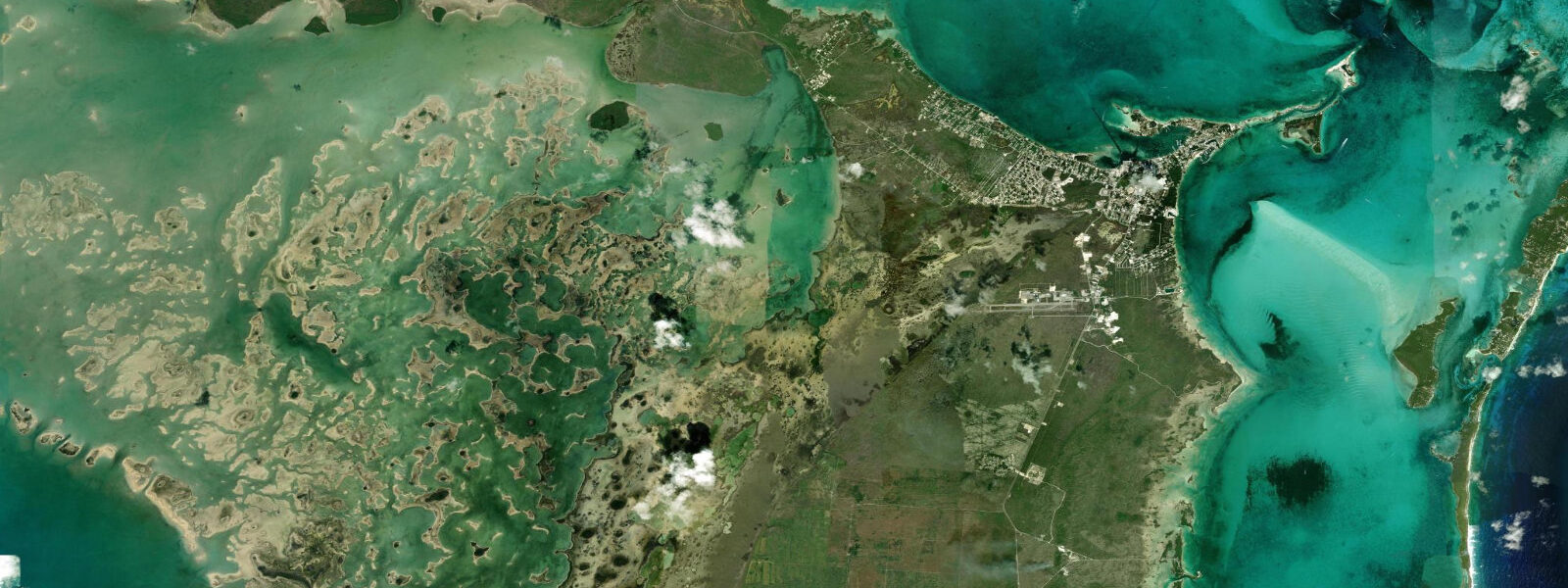
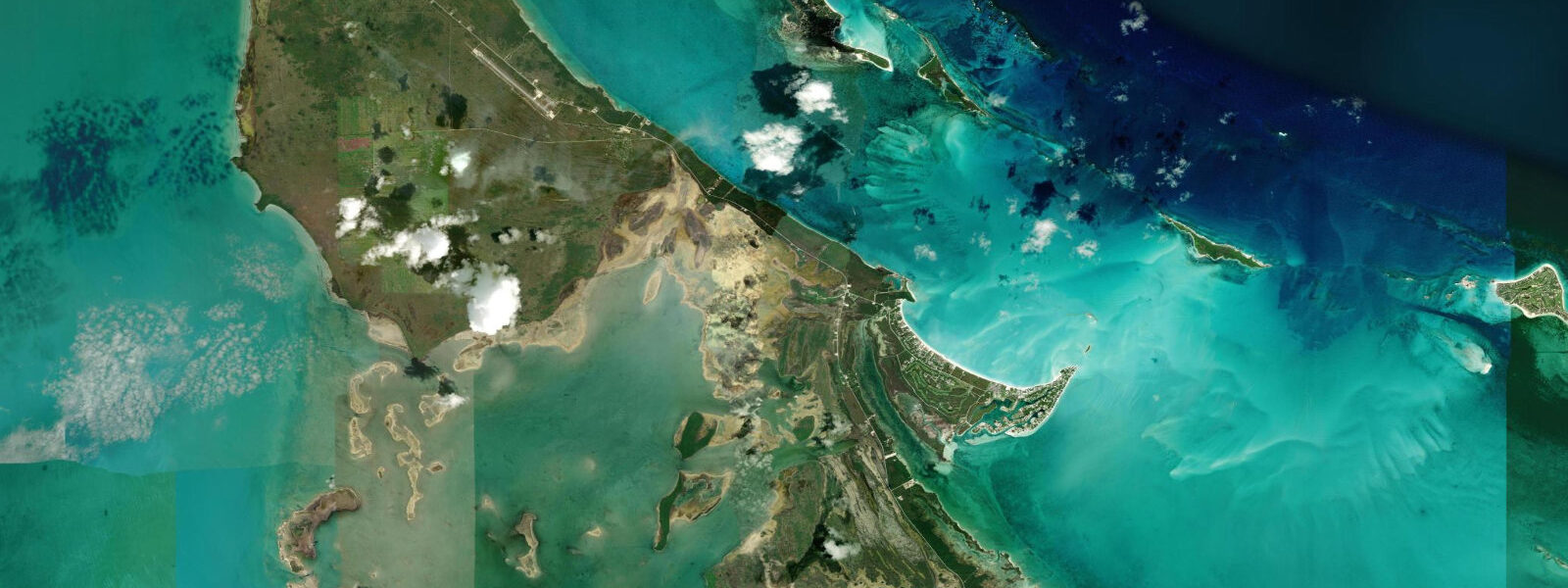
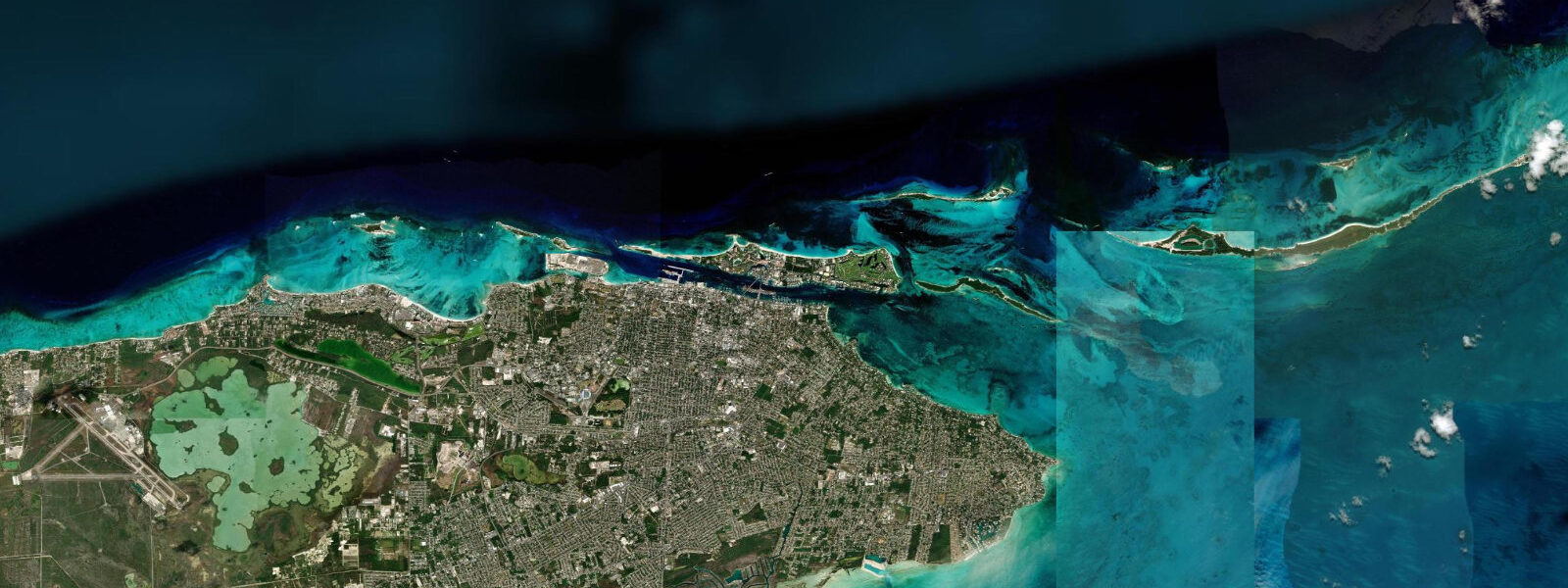
The three closest curated TideTurtle locations to Hope Town, measured by great-circle distance.
Today's solunar windows
Solunar tradition: major periods are the ≈3h windows around moon transit and opposition; minor are ≈2h around moonrise and moonset. Pair with the local tide stage and wind for the best read.
Cycle dates near Hope Town
Next spring tide on Sun 09 Aug (range 1.1m). Next neap on Tue 04 Aug.
Spring tides cluster around new and full moons (biggest swings). Neap tides land on quarter moons (smallest swings). See the spring tide and neap tide glossary entries for the why.
About tides at Hope Town
A short guide to the coastline at Hope Town — geography, sea state, and what the tide is actually doing under your feet.
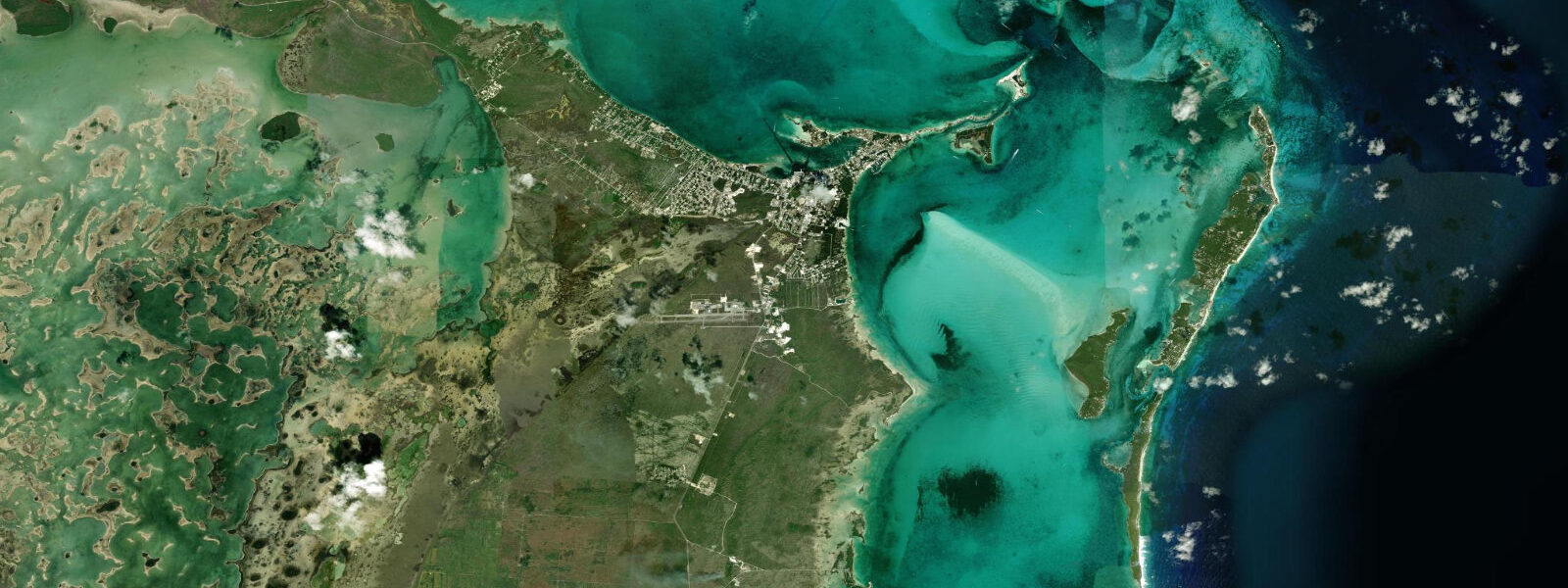
Hope Town occupies the northern end of Elbow Cay, one of the offshore cays that form the eastern wall of the Sea of Abaco. The settlement faces west across the protected harbour — a narrow sheltered basin entered through a shallow cut in the reef — and has a character entirely unlike the open-ocean Atlantic beach on the cay's other side. Elbow Reef Lighthouse stands at the harbour entrance, its red-and-white candy stripes making it one of the most photographed lighthouses in the hemisphere. It is the last hand-operated, kerosene-fuelled lighthouse remaining in active service in the western hemisphere, maintained by the Lighthouse Authority of the Bahamas and accessible to visitors who can climb the spiral stair to the keeper's platform.
The tidal regime at Hope Town is mixed semidiurnal with a mean range of roughly 0.6 to 0.9 m, consistent with the broader Abaco pattern. The distinction at Hope Town is the entrance: the harbour cut through Elbow Reef is shallow, with a controlling depth at mean low water of approximately 1.0 to 1.2 m (the exact value shifts with storm-driven sand movement and should be verified on current charts). On a spring tide, the 0.8 m of range gives roughly an additional 0.4 m at mid-tide and 0.8 m at high water — the difference that separates a comfortable entry for a vessel drawing 1.0 m from a wait-until-high-water situation. Local skippers approach the cut with the tide in mind; the rule in the Abacos is to enter shallow cuts on a rising tide so that a grounding can be floated off with the flood. The Bahamian Department of Meteorology references NOAA for tidal data; predictions on this page come from Open-Meteo Marine, a gridded global ocean model, accurate to approximately ±45 min and ±0.2–0.3 m.
The settlement at Hope Town is on the harbour side of Elbow Cay — a compact grid of pastel-coloured houses, crushed-shell footpaths, and no cars (no cars are allowed on the cay; golf carts are the local transport). The population is small, year-round residents numbering a few hundred, swelling with seasonal visitors and a large part-time homeowner community from the US. The harbour anchorage holds cruising boats on moorings and at anchor; the dinghy dock at the fuel pier is the landing point from the anchorage.
The ocean side of Elbow Cay, reached by a five-minute walk across the narrow cay, is the Atlantic-facing beach: NE exposure, consistent trade-wind swell, and a completely different character from the calm harbour. The beach stretches several kilometres both north and south of the cay's midpoint, backed by low vegetation and accessible from Hope Town via the unpaved path over the ridge. Beach-walkers and photographers who cross to the Atlantic side find a pristine, empty strand with the sound of open-ocean swell and the lighthouse visible at the northern end. At low tide the full width of the beach is exposed; the gentle slope means the water recedes 10 to 20 m from the high-tide wrack line on a spring low.
For anglers, Hope Town is within easy boat range of the bonefishing flats that extend in the Sea of Abaco between Elbow Cay and the mainland. The flats south of Lubbers Quarters are particularly productive; access is by small boat or guide skiff launched from the Hope Town harbour. Reef fishing on the Atlantic side of the cay, over the shallow reef structure of Elbow Reef itself, produces grouper, snapper, and yellowtail on the incoming tide when cleaner Atlantic water pushes over the reef structure. Permit cruise the reef edges on the flooding tide in the early morning.
For snorkellers and divers, Elbow Reef holds accessible coral formations in 2 to 6 m of water on the Atlantic side, with the best visibility on calm-sea, incoming-tide conditions. The Sea of Abaco side is shallower and clearer in a different way — the turtle-grass flats on a flooding tide, with bonefish tails visible in a foot of water, is an experience that requires no diving equipment.
Predictions on this page come from Open-Meteo Marine, a gridded global ocean model. Accuracy is typically ±45 min and ±0.2–0.3 m. For navigation through the Hope Town harbour cut and on Elbow Reef, use current NOS charts and verify controlling depths locally.
Tide questions about Hope Town
Quick answers to the most common questions about tide times, range, and water access at Hope Town.
When is the next high tide at Hope Town?
The hero block at the top of this page shows the next predicted high at Hope Town in local Eastern time (the Bahamas observes Eastern Time year-round, UTC-5 with no daylight saving adjustment from the Bahamian side, though the US side observes EDT from March to November). The astronomical range here is roughly 0.6 to 0.9 m, typical of the northern Bahamas. The timing of high water determines whether the Hope Town harbour cut is safely navigable for vessels drawing above 0.8 m. The Bahamian Department of Meteorology references NOAA harmonic data, which is the most accurate source for Abaco tidal timing.
How does the tide affect entering Hope Town harbour?
The Hope Town harbour cut through Elbow Reef has a controlling depth at mean low water of approximately 1.0 to 1.2 m — this figure can shift after storm events that move sand, so current chart data and a local cross-check are essential before a first entry. With a 0.8 m range at springs, the water at mid-tide is roughly 0.4 m deeper than at mean low, and at high water roughly 0.8 m deeper. Vessels drawing 1.0 m or less can typically enter on any tide except the lowest spring lows. Vessels drawing more than 1.5 m wait for the higher water around high tide. The standard Abaco practice is to approach a shallow cut on a rising tide so that a grounding can be floated as the tide comes in. Current NOS charts and a local VHF call to Hope Town Marina are the authoritative resources before entering.
What is the Elbow Reef Lighthouse and can visitors climb it?
Elbow Reef Lighthouse is the last hand-operated kerosene-fuelled lighthouse in active navigational service in the western hemisphere. Built in 1863 under British colonial authority, it marks the northern end of Elbow Reef — the reef chain that forms the eastern wall of the Sea of Abaco opposite Hope Town. The lighthouse is maintained by the Lighthouse Authority of the Bahamas and has been kept continuously operational, with the Fresnel lens rotated by a clockwork weight system that requires winding every two hours by a resident keeper. Visitors can climb the spiral stair to the keeper's platform and gallery during scheduled open hours; the view from the top looks north up the reef chain and west across the Sea of Abaco to the mainland. The light is still used for navigation and appears on current charts.
Where do these tide predictions come from?
Open-Meteo Marine, a free gridded global ocean model. The model estimates tidal height across a geographic grid rather than computing from harmonic analysis of a local Hope Town gauge. Accuracy is typically within ±45 minutes on timing and ±0.2 to 0.3 metres on height. For the harbour cut timing at Hope Town — where getting the tide state right has real consequences for vessel grounding — the NOAA harmonic data referenced by the Bahamian Department of Meteorology is more reliable than the gridded model. A phone call to Hope Town Marina for a current depth report on the cut is the most practical local check.
Is this safe to use for navigation?
No. Elbow Reef and the Hope Town harbour cut are navigationally significant hazards requiring current chart data. For vessel operations at Hope Town, use current NOS charts, NOAA tide data for the Abacos, and local knowledge from Hope Town Marina or the Abaco cruising community (the Bahamas band on VHF 68 is the working channel). The Cruising Guide to the Abaco Cays is the standard local reference for harbour cut depths, moorings, and anchorage. Open-Meteo Marine gridded predictions do not replace gauge-calibrated harmonic data or surveyed chart information.
7-day tide table — Hope Town
Heights relative to MSL. Predictions: Open-Meteo Marine (MeteoFrance SMOC, 0.08° grid) — heights relative to MSL (not chart datum / LAT). Model-derived.
| Day | Type | Time | Height |
|---|---|---|---|
| Tue 04 Aug | Low | 05:40 | -0.0m |
| High | 12:03 | 0.8m | |
| Low | 18:16 | 0.1m | |
| Wed 05 Aug | High | 13:03 | 0.8m |
| Low | 19:22 | 0.1m | |
| Thu 06 Aug | High | 01:03 | 0.6m |
| Low | 07:16 | -0.1m | |
| High | 14:06 | 0.8m | |
| Fri 07 Aug | Low | 08:16 | -0.1m |
| High | 15:08 | 0.8m | |
| Sat 08 Aug | Low | 09:16 | -0.1m |
| High | 16:13 | 0.9m | |
| Low | 22:45 | 0.0m | |
| Sun 09 Aug | High | 04:15 | 0.6m |
| Low | 10:23 | -0.2m | |
| High | 17:15 | 0.9m | |
| Low | 23:45 | 0.0m | |
| Mon 10 Aug | High | 05:16 | 0.6m |
| Low | 11:24 | -0.2m | |
| High | 18:13 | 0.9m |