Green Turtle Cay tide times
Green Turtle Cay tide forecast — heights relative to MSL.
Today's tide times for Green Turtle Cay
Tide times at Green Turtle Cay on Tuesday, 4 August 2026: first low tide at 05:36am, first high tide at 12:00pm, second low tide at 06:12pm. Sunrise 06:35am, sunset 07:54pm.
Tide chart for Green Turtle Cay
24-hour cosine-interpolated curve around the present moment. Heights relative to MSL. Predictions: Predictions: Open-Meteo Marine (MeteoFrance SMOC, 0.08° grid).
Sun, moon and conditions on Tue 04 Aug
Snapshot at build time — refreshes daily. Sea state from Open-Meteo Marine.
Highs and lows next 7 days
Every predicted high and low for the next week, with the daily tidal coefficient (0–120; higher = bigger swing, > 95 means stronger currents).
Other spots nearby
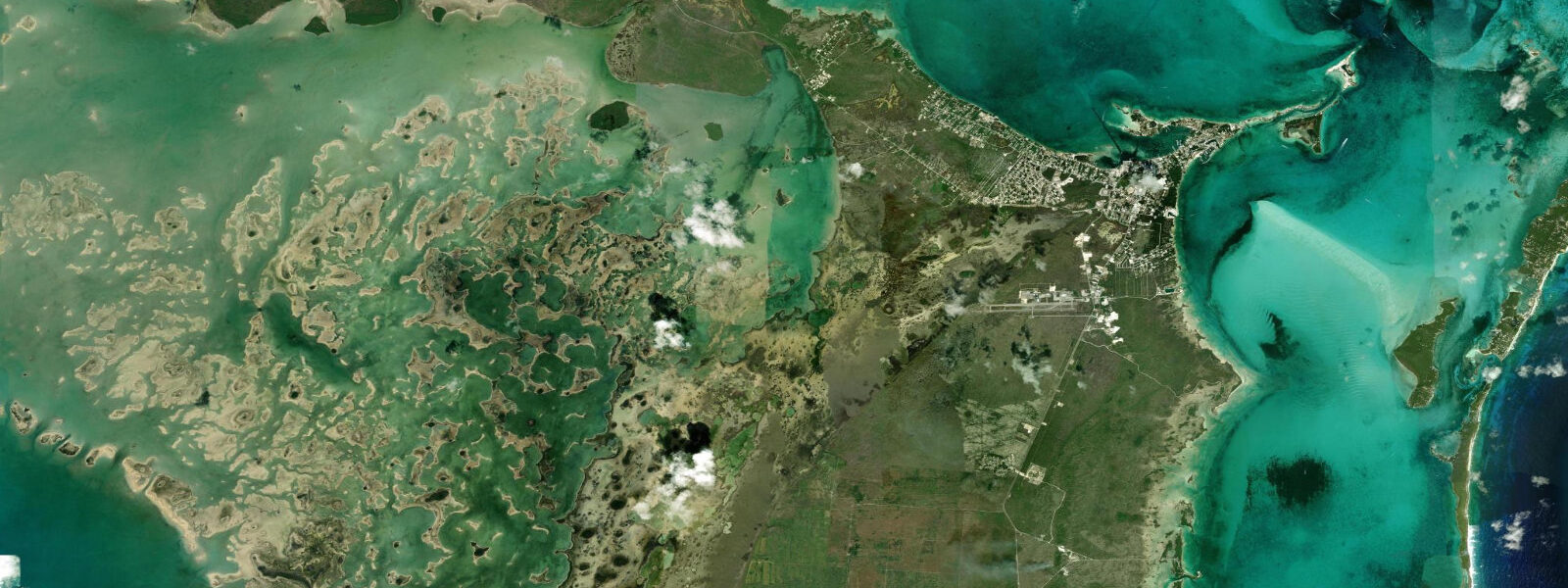
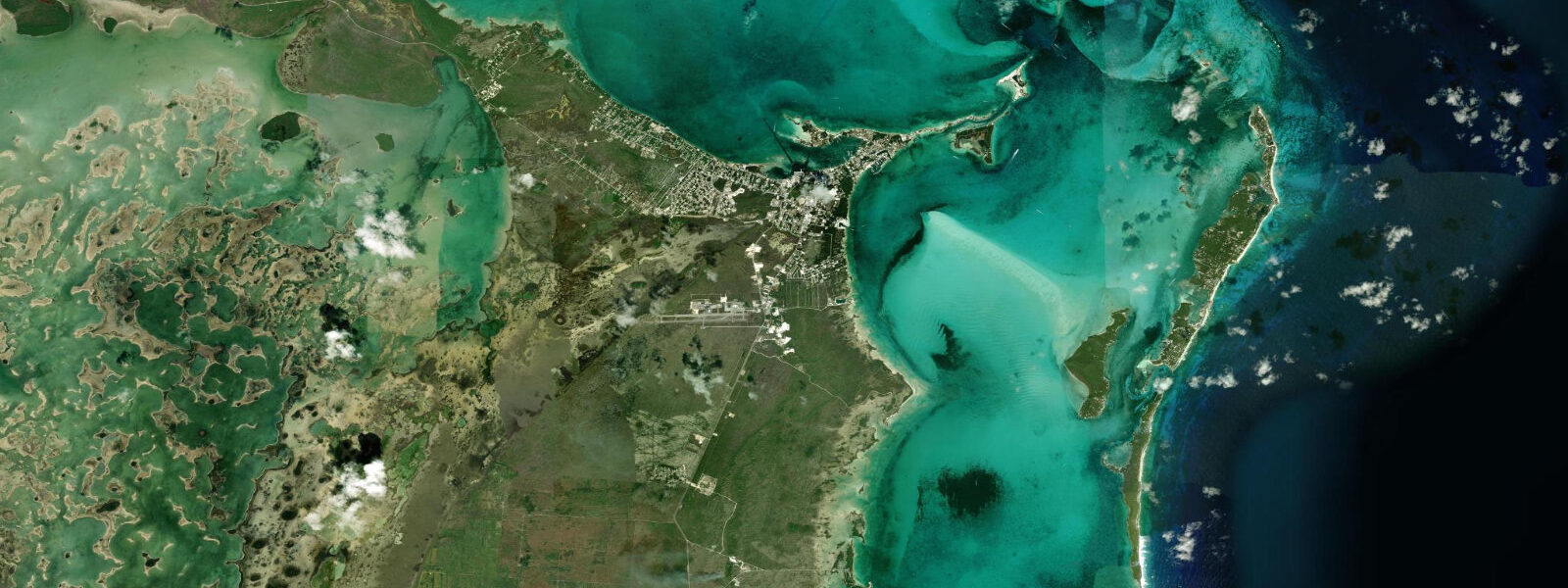
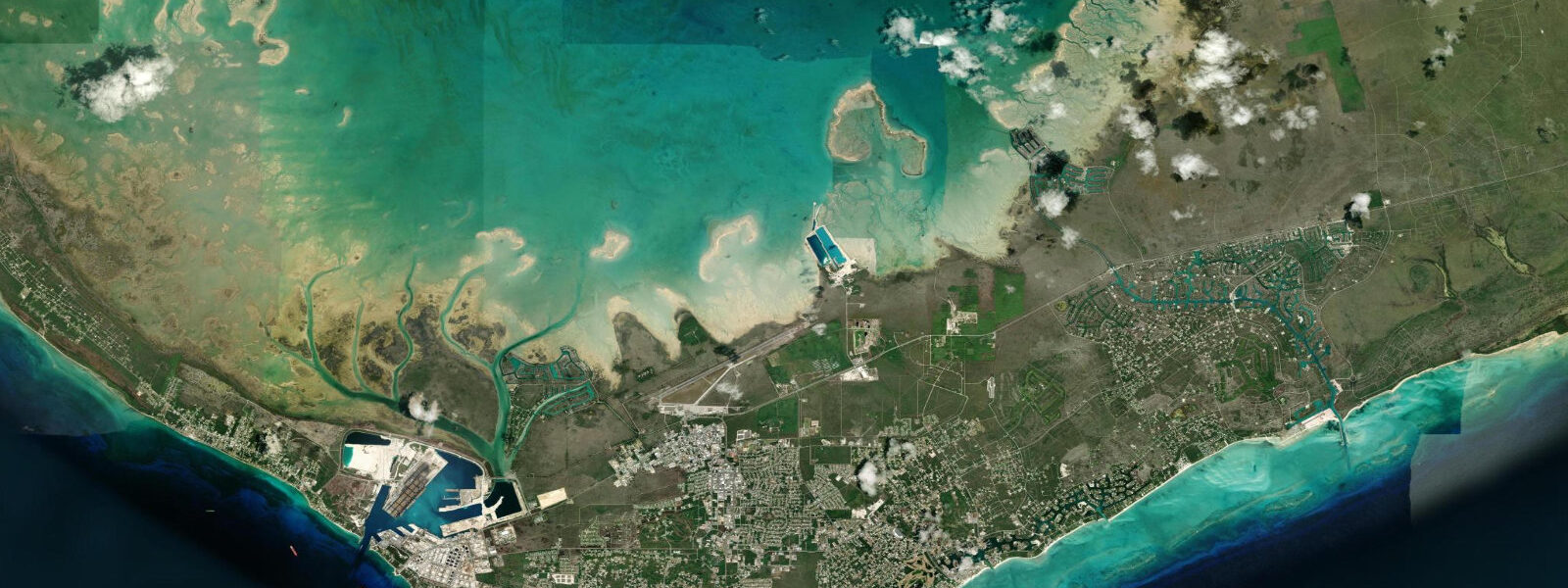
The three closest curated TideTurtle locations to Green Turtle Cay, measured by great-circle distance.
Today's solunar windows
Solunar tradition: major periods are the ≈3h windows around moon transit and opposition; minor are ≈2h around moonrise and moonset. Pair with the local tide stage and wind for the best read.
Cycle dates near Green Turtle Cay
Next spring tide on Sun 09 Aug (range 1.1m). Next neap on Tue 04 Aug.
Spring tides cluster around new and full moons (biggest swings). Neap tides land on quarter moons (smallest swings). See the spring tide and neap tide glossary entries for the why.
About tides at Green Turtle Cay
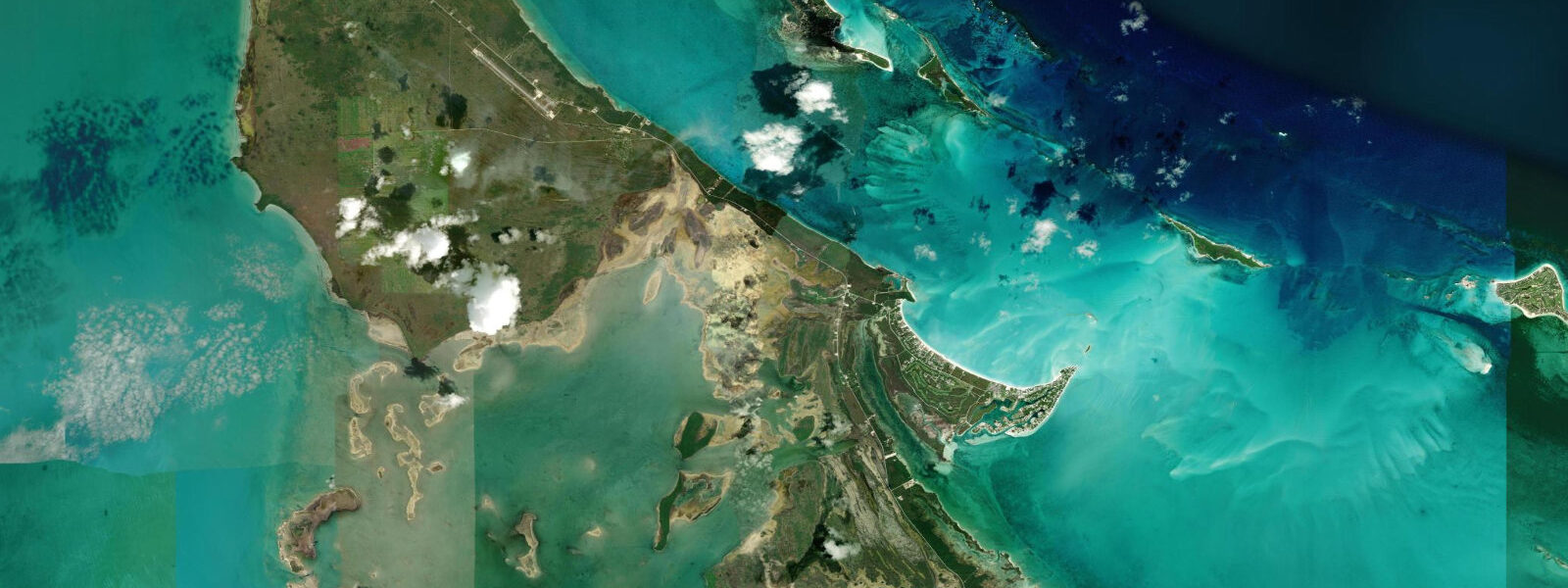
A short guide to the coastline at Green Turtle Cay — geography, sea state, and what the tide is actually doing under your feet.
Green Turtle Cay sits at the northern end of the main Abaco cay chain, separated from the Great Abaco mainland by the shallow Sea of Abaco and connected to the ferry dock at Treasure Cay on the mainland by a short water-taxi run. The settlement of New Plymouth on the cay's southwest harbour is one of the most intact 18th-century Loyalist towns in the Caribbean: shingled wooden houses painted in pastels, hand-laid stone walls, a small grid of sand-and-shell streets, and an Albert Lowe Museum that documents the island's shipbuilding and Loyalist history. The town has been continuously inhabited since around 1783, when British Loyalists who refused to remain in the newly independent United States settled the Abacos.
The tidal regime at Green Turtle Cay is mixed semidiurnal with a mean range of roughly 0.7 to 1.0 m — at the larger end of the Abaco pattern, reflecting the cay's northerly position and slightly stronger Atlantic tidal influence. Two unequal highs and two unequal lows each day; the diurnal inequality is real and means the two daily highs differ in height by 0.1 to 0.3 m on most days. For bonefishing — the defining sport of Green Turtle Cay's backcountry — the flooding tide is the operational signal: bonefish move onto the tidal flats north and west of the cay as the water rises, and retreat to the tidal channels on the ebb. The back-harbour flats between Green Turtle Cay and the Abaco mainland, north toward Manjack Cay and west into the uncharted shoals of the northern Sea of Abaco, are among the least-pressured bonefish habitat in the Bahamas. The Bahamian Department of Meteorology references NOAA for tidal data; predictions on this page come from Open-Meteo Marine, a gridded global ocean model, accurate to approximately ±45 min and ±0.2–0.3 m.
For bonefish guides based at Green Turtle Cay, the tide table is the first thing checked in the morning. The fish arrive on the flat edges when the water has risen roughly 0.2 to 0.3 m above the mean low, which typically occurs 30 to 45 minutes after the predicted low water. The feeding window runs until the flat depth exceeds about 0.5 m — at deeper water the fish scatter rather than concentrating along the shallow edges where they are visible and catchable. On a 0.8 m range day, this gives a productive window of two to three hours per flood. With two flooding cycles in a mixed semidiurnal day, experienced guides can plan two flat sessions.
For paddlers, the back-harbour and north-cay flats of Green Turtle are exceptional kayak and paddleboard terrain. The water is clear enough to see the bottom at 1.5 m depth in calm conditions; the bonefish and small sharks visible in a foot of water over the turtle-grass flats require silent approach and slow movement. The flats north of the cay, toward Manjack Cay, are accessible by paddling north through the protected harbour. Wind is the primary planning factor: the dominant easterly trade makes northward paddling easiest in the morning before the sea breeze builds.
Beach access on Green Turtle Cay divides between the calm, turquoise harbour side and the ocean-facing Atlantic beaches on the eastern shore. The Atlantic-side beaches are reached by golf cart or on foot across the narrow cay. Gillam Bay on the southeast faces the Sea of Abaco and provides calm water for families with children. The ocean-side beaches face northeast into the Atlantic trade-wind swell, with better body-surfing conditions but less shelter.
New Plymouth's historic buildings make it a subject for architecture and heritage photography, though the scale is intimate and best on foot in the early morning before day visitors arrive. The harbour in afternoon light, with the traditional Abaco dinghies and working boats alongside the town dock, is the classic framing. The tidal flats north of the cay at low water — wide, white, barely covered with an inch of brilliant turquoise water — are the signature landscape of the northern Abacos.
Predictions on this page come from Open-Meteo Marine, a gridded global ocean model. Accuracy is typically ±45 min and ±0.2–0.3 m. For navigation in the northern Abaco waters, use current NOS charts and NOAA harmonic data.
Tide questions about Green Turtle Cay
Quick answers to the most common questions about tide times, range, and water access at Green Turtle Cay.
When is the next high tide at Green Turtle Cay?
The hero block at the top of this page shows the next predicted high at Green Turtle Cay in local Eastern time (the Bahamas observes Eastern Time year-round, UTC-5 with no Bahamian daylight saving, though North American visitors arriving from EDT time zones should account for the potential one-hour difference in spring and autumn). The astronomical range here is roughly 0.7 to 1.0 m — at the upper end of the Abaco range, reflecting the cay's position at the northern end of the chain. For bonefish flat timing, where the fishing window opens and closes on the flooding tide, NOAA harmonic data provides more reliable predictions than the gridded model.
How do bonefish use the tidal flats around Green Turtle Cay?
Bonefish in the Abacos are flat-dependent feeders: they move onto shallow turtle-grass and sand flats on the flooding tide to hunt crabs, shrimp, and small fish that emerge from cover as the rising water covers them. At Green Turtle Cay, the productive feeding flats extend north toward Manjack Cay and west into the backcountry shoals of the northern Sea of Abaco — some of the least-fished bonefish habitat in the Bahamas. The fish appear on the flat edges 30 to 45 minutes after the predicted low, when the water has risen approximately 0.2 to 0.3 m. The feeding window runs for two to three hours into the flood. As the tide drops, the fish retreat to the tidal channels and deeper water at the flat margins; guides then either move to channel presentations or wait for the second flood of the day.
What is the history of New Plymouth?
New Plymouth on Green Turtle Cay was founded around 1783 by British Loyalists — colonists who sided with the Crown during the American Revolutionary War and chose to leave the newly independent United States rather than remain. The Abacos became one of the primary Loyalist resettlement destinations; the population brought skills from New England and the southern colonies, primarily shipbuilding, fishing, and small-scale farming. New Plymouth's built fabric — the traditional wooden houses, stone foundations, and grid of narrow unpaved streets — dates largely from the late 18th and 19th centuries. The Albert Lowe Museum documents the cay's Loyalist and maritime heritage. The Bluff House and Green Turtle Club are long-established accommodations with histories going back to the mid-20th century sailing and sportfishing community.
Where do these tide predictions come from?
Open-Meteo Marine, a free gridded global ocean model. The model estimates tidal height across a geographic grid rather than computing from harmonic analysis of a local Green Turtle Cay gauge. Accuracy is typically within ±45 minutes on timing and ±0.2 to 0.3 metres on height. For bonefish guiding — where the exact timing of the flood is the primary scheduling input — the NOAA harmonic data for the Abacos region is the preferred source. The complex shoal geometry of the northern Sea of Abaco, with its mosaic of cuts, channels, and flat areas, can produce local tidal timing offsets from the open-water prediction.
Is this safe to use for navigation?
No. The northern Sea of Abaco and the approaches to Green Turtle Cay involve shoal-draft navigation in water depths of 0.5 to 2.5 m over most of the lagoon area. For vessel operations at Green Turtle Cay, use current NOS charts for the northern Abacos, NOAA tide data, and local knowledge from the Green Turtle Club or the Bluff House marina. The ferry approach from Treasure Cay on the mainland follows a buoyed channel; first-time visitors should transit the channel on a rising tide. Open-Meteo Marine gridded predictions do not replace gauge-calibrated harmonic data or surveyed chart information for navigational use.
7-day tide table — Green Turtle Cay
Heights relative to MSL. Predictions: Open-Meteo Marine (MeteoFrance SMOC, 0.08° grid) — heights relative to MSL (not chart datum / LAT). Model-derived.
| Day | Type | Time | Height |
|---|---|---|---|
| Tue 04 Aug | Low | 05:36 | -0.0m |
| High | 12:00 | 0.8m | |
| Low | 18:12 | 0.1m | |
| Wed 05 Aug | High | 13:02 | 0.8m |
| Low | 19:16 | 0.1m | |
| Thu 06 Aug | High | 01:03 | 0.6m |
| Low | 07:12 | -0.1m | |
| High | 14:03 | 0.8m | |
| Low | 20:22 | 0.1m | |
| Fri 07 Aug | High | 02:07 | 0.6m |
| Low | 08:12 | -0.1m | |
| High | 15:06 | 0.9m | |
| Sat 08 Aug | Low | 09:16 | -0.1m |
| High | 16:13 | 0.9m | |
| Low | 22:38 | 0.1m | |
| Sun 09 Aug | High | 04:12 | 0.6m |
| Low | 10:18 | -0.2m | |
| High | 17:13 | 0.9m | |
| Low | 23:45 | 0.0m | |
| Mon 10 Aug | High | 05:18 | 0.6m |
| Low | 11:24 | -0.2m | |
| High | 18:11 | 1.0m |