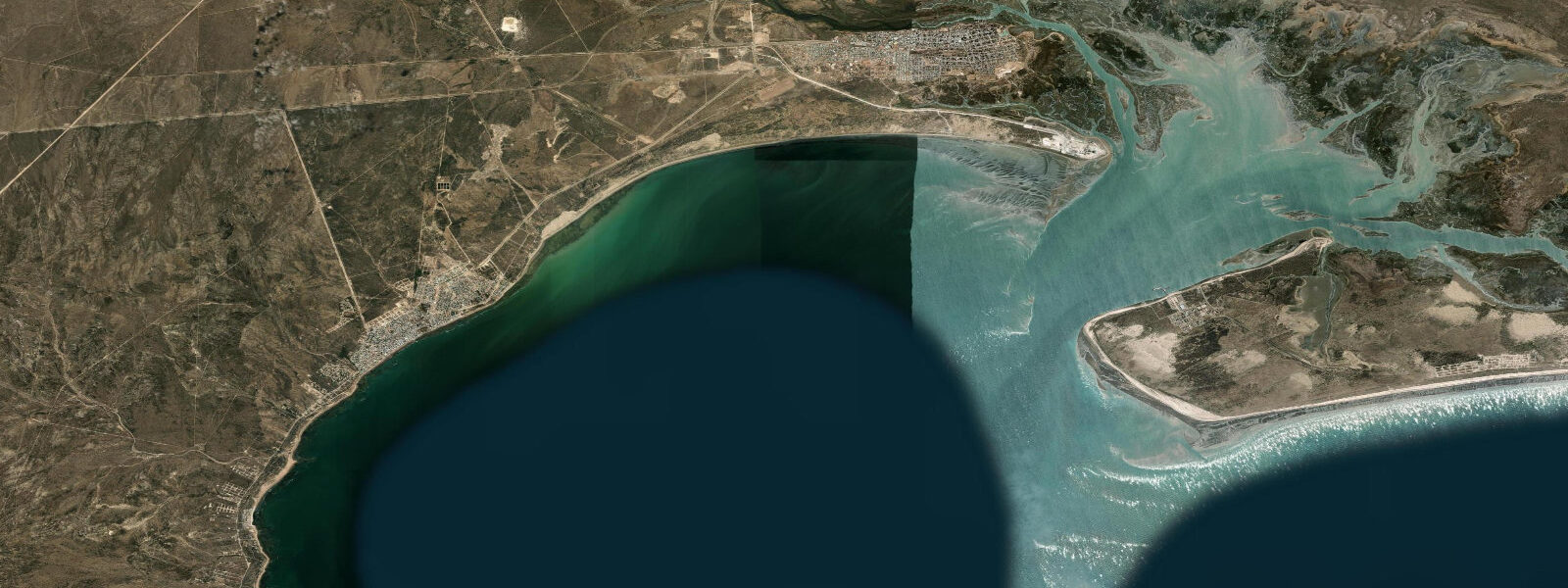
Las Grutas tide times
Las Grutas tide forecast — heights relative to MSL.
Today's tide times for Las Grutas
Tide times at Las Grutas on Tuesday, 4 August 2026: first high tide at 02:47, first low tide at 08:50, second high tide at 14:59, second low tide at 21:10. Sunrise 08:23, sunset 18:29.
Tide chart for Las Grutas
24-hour cosine-interpolated curve around the present moment. Heights relative to MSL. Predictions: Predictions: Open-Meteo Marine (MeteoFrance SMOC, 0.08° grid).
Sun, moon and conditions on Tue 04 Aug
Snapshot at build time — refreshes daily. Sea state from Open-Meteo Marine.
Highs and lows next 7 days
Every predicted high and low for the next week, with the daily tidal coefficient (0–120; higher = bigger swing, > 95 means stronger currents).
Other spots nearby
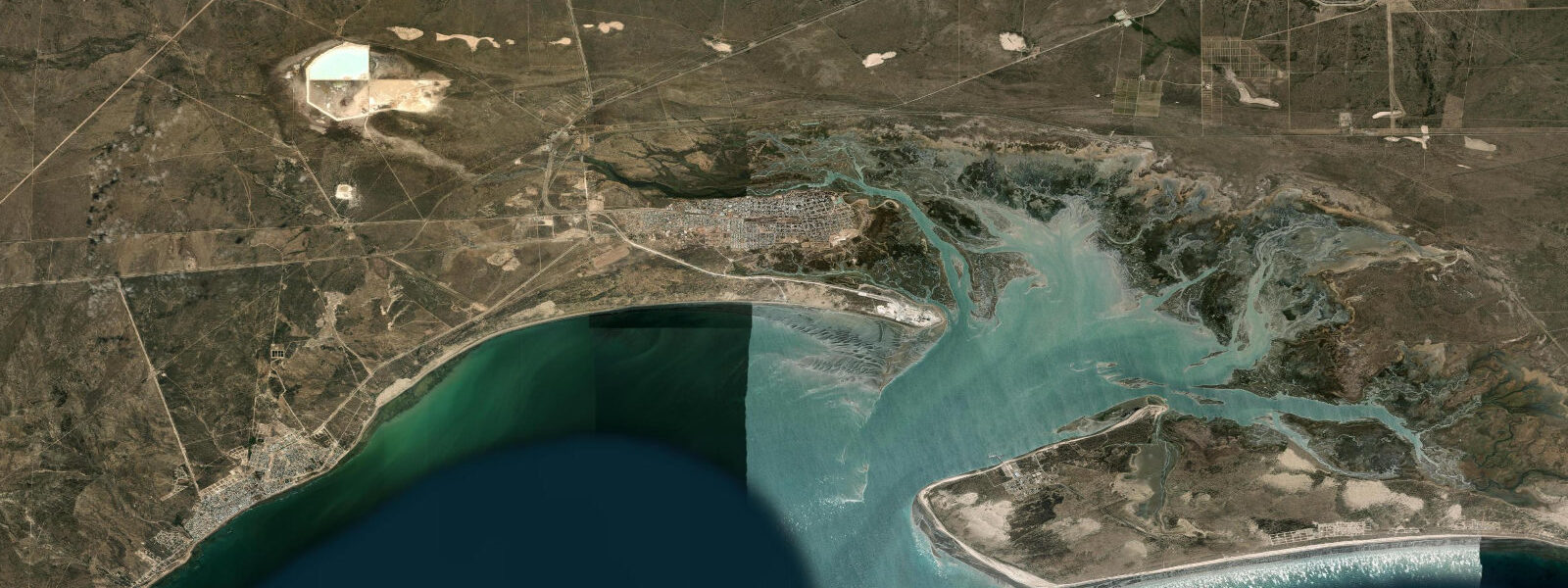
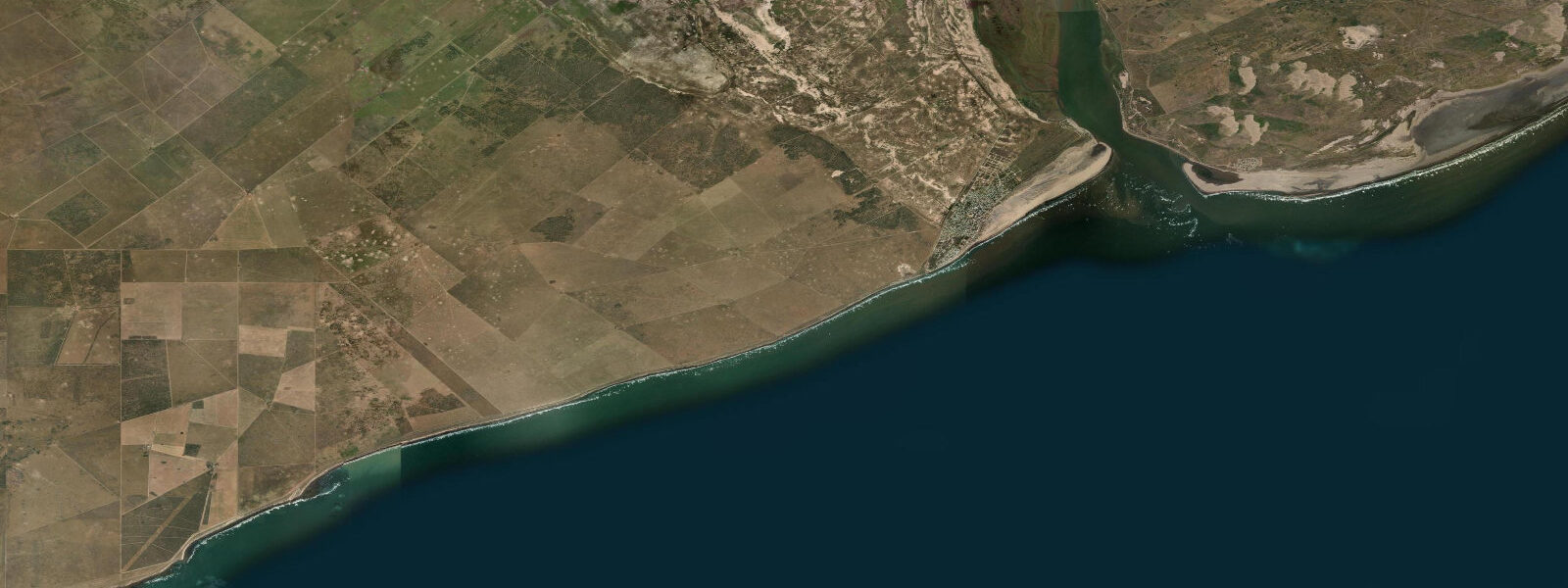
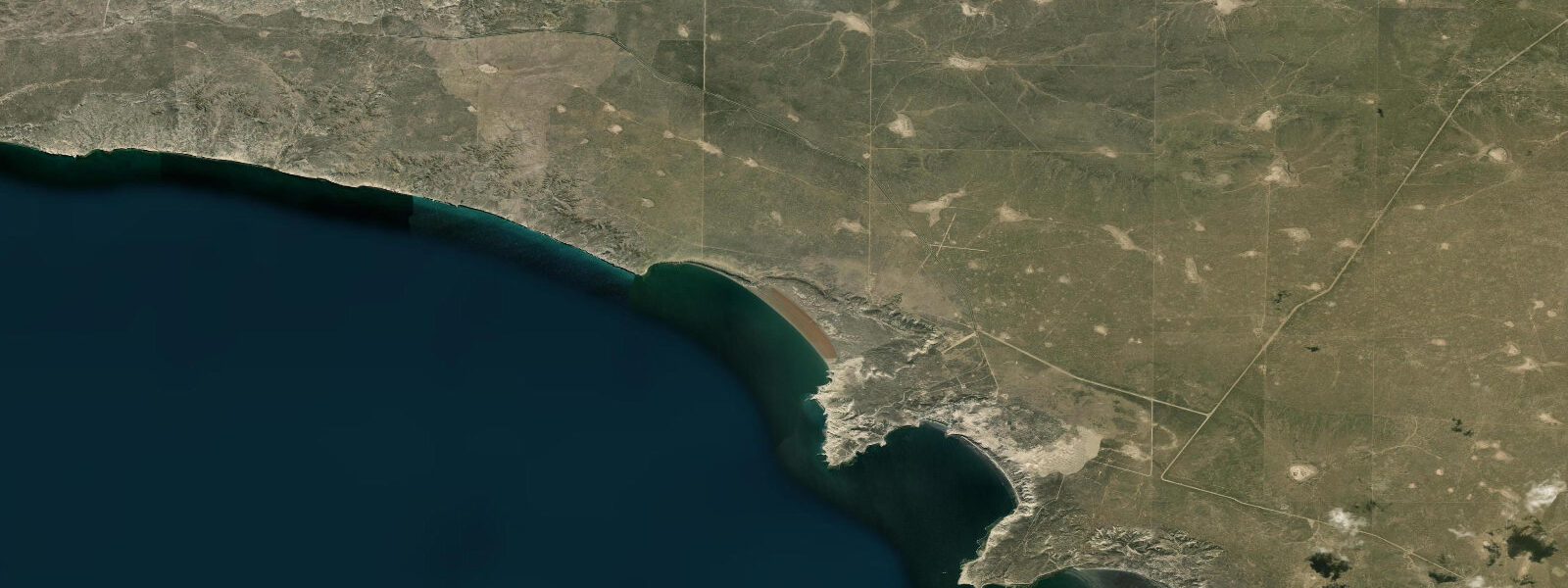
The three closest curated TideTurtle locations to Las Grutas, measured by great-circle distance.
Today's solunar windows
Solunar tradition: major periods are the ≈3h windows around moon transit and opposition; minor are ≈2h around moonrise and moonset. Pair with the local tide stage and wind for the best read.
Cycle dates near Las Grutas
Next spring tide on Tue 04 Aug (range 6.5m). Last neap on Mon 03 Aug. Next neap on Sun 09 Aug.
Spring tides cluster around new and full moons (biggest swings). Neap tides land on quarter moons (smallest swings). See the spring tide and neap tide glossary entries for the why.
About tides at Las Grutas
A short guide to the coastline at Las Grutas — geography, sea state, and what the tide is actually doing under your feet.
Las Grutas is a beach resort on the San Matías Gulf in northern Patagonia, backed by the low sandstone cliffs that give the town its name — las grutas means 'the caves', referring to the wave-carved alcoves in the cliff face. The beach faces northwest into the gulf, sheltered by the cliff backing and the general orientation of the San Matías embayment. In summer (December–February) it is one of the most visited Patagonian resorts, drawing families from Neuquén, Bariloche, and Buenos Aires who come specifically for the relatively warm water.
The tidal regime at Las Grutas is macrotidal semidiurnal. Spring range here is approximately 5.5–6.5 m above Chart Datum — one of the largest tidal ranges on the South American Atlantic coast. Two nearly equal highs and two nearly equal lows occur each day; the spring-neap variation runs from roughly 3.0 m at neap to 6.5 m at spring. This is not a regime that allows casual disregard of the tide table: the difference between low and high water is the equivalent of a two-storey building.
At spring low water, the beach extends 400–600 m seaward of the high-water mark; the full expanse of the tidal flat is exposed, including the sandstone reef ledges that are permanently submerged at high water. These ledges carry intertidal species — mussels, barnacles, chitons, and the limpets (Nacella species) that are a traditional Patagonian coastal food. At spring high water, the same beach is barely 10–15 m wide, and the cliff-backed sections of the coast have essentially no dry beach at all.
The warm water reputation is real but seasonal and relative. The San Matías Gulf traps solar heat in summer because the gulf is a relatively enclosed basin; surface temperatures at Las Grutas reach 20–22°C in January–February — warm compared to the open South Atlantic coast at the same latitude (40°S), where Humboldt-influenced water runs 14–16°C. By May the gulf cools to 12–14°C and summer swimming is over.
Fishing from the beach at Las Grutas targets pejerrey (Odontesthes argentinensis) and corvina (Micropogonias furnieri) on the incoming tide; the best shore-casting windows are from one hour after the predicted low through to high water. Rock fishing from the sandstone ledges at the cliff base targets the same species plus sea bass (Acanthocybium solandri) on larger tides. The extensive tidal flat also supports harvesting of cholga mussel (Aulacomya ater) at low water; check current closure notices with SENASA before collecting any shellfish. SHN (Servicio de Hidrografía Naval) Argentina publishes official tide tables. Predictions here: Open-Meteo Marine, ±45 min / ±0.2–0.3 m.
The sandstone cliffs behind Las Grutas beach are the feature that names the town. The wave-cut alcoves range from small sheltered niches where families set up windbreaks to larger caverns where the rock overhangs the beach by several metres. At high water the sea approaches the base of the cliffs directly; at low water a wide sand flat separates the cliff base from the water. The cliff face itself is fragile sandstone — climbing is actively discouraged and sections occasionally collapse; stay on the beach and avoid the cliff base during any significant wave event.
The sandstone cliff alcoves at Las Grutas are visited at low water when the tidal flat below the cliffs is accessible; families set up windbreaks in the larger alcoves, using the natural shelter. The sand in the alcoves is finer than the open beach because the alcove geometry traps fine-grained material at high water; the result is a softer surface in the sheltered pockets. Some alcoves have been informally enlarged by previous visitors removing loose sandstone; this is discouraged by the national park administration as the cliff is fragile.
Tide questions about Las Grutas
Quick answers to the most common questions about tide times, range, and water access at Las Grutas.
How extreme is the tide at Las Grutas, and what does it look like on the beach?
Spring tidal range at Las Grutas is approximately 5.5–6.5 m above Chart Datum — the difference between low and high water is roughly two storeys. At spring low water, the beach extends 400–600 m from the cliff base to the waterline; the full tidal flat and the sandstone reef ledges are exposed. At spring high water, the beach narrows to 10–15 m and the cliff-backed sections are essentially beach-free. Neap range drops to around 3.0 m, giving a less dramatic but still very significant daily change. Always check the tide before walking far out on the flat — the flood tide returns quickly. On a spring low the cliff base is exposed for up to 500 m from the water's edge; the timing of return is the critical safety consideration.
Why is the water warmer at Las Grutas than other Patagonian beaches?
The San Matías Gulf is a semi-enclosed basin that acts as a solar collector in summer. Without the open-ocean circulation that keeps the outer Patagonian coast cold, the gulf surface heats during the long summer days to 20–22°C in January–February. Open Atlantic Patagonian beaches at the same latitude (40°S) typically run 14–16°C in summer, cooled by the Humboldt Current influence. By May–June the gulf cools back to 12–14°C, ending the swimming season. The relative warmth of the San Matías Gulf in summer (20–22°C) compared to open Patagonian coast water (14–16°C) is a consistent and scientifically well-documented phenomenon.
Where do the tide predictions on this page come from?
Open-Meteo Marine, a free gridded global ocean model. Accuracy is typically ±45 minutes on timing and ±0.2–0.3 m on height. At Las Grutas's spring range of 5.5–6.5 m, the height accuracy is excellent relative to the total signal, but the timing accuracy of ±45 minutes matters significantly on a fast-flooding macrotidal flat — the tide rises roughly 1.0 m per hour on the flood. SHN (Servicio de Hidrografía Naval) Argentina publishes official Argentine tide tables; San Antonio Oeste is the reference gauge station for the San Matías Gulf. This page is not for navigation. The SHN tide tables are available from the Argentine Navy website (hidrografia.gov.ar) and from the local port authority in San Antonio Oeste.
Is it safe to walk on the tidal flat at Las Grutas at low tide?
Walking the tidal flat at Las Grutas at low water is popular and generally safe, but the macrotidal environment demands attention to the tide clock. The flood tide at Las Grutas rises approximately 1.0 m per hour on a spring tide; walking 400–500 m out at spring low water leaves a return window of about 40–50 minutes before the water reaches knee depth. Always note the predicted low time before walking out, check the current on this page, and stay within a distance you can comfortably walk back in 20 minutes. Do not walk out in fog or poor visibility. The flood tide returns at roughly 1.0 m per hour on a spring day; leaving 20 minutes of margin means the water will be no more than 20 cm deep when you reach the shore.
When is the best time to visit Las Grutas for swimming?
Peak season is December through February when gulf surface temperatures reach 20–22°C and the long Patagonian summer days make beach conditions comfortable. Water temperatures drop to below 18°C by April and to 12–14°C by June; the swimming population thins rapidly after February. The Easter holiday period (March) is the last reliable warm-water window. Weekday visits in January and early February avoid the weekend crowds from Bariloche and Neuquén. The coolest safe swimming period is late December through early March; outside this window water temperatures may be acceptable for cold-water swimmers but are below the comfort threshold for most visitors.
7-day tide table — Las Grutas
Heights relative to MSL. Predictions: Open-Meteo Marine (MeteoFrance SMOC, 0.08° grid) — heights relative to MSL (not chart datum / LAT). Model-derived.
| Day | Type | Time | Height |
|---|---|---|---|
| Tue 04 Aug | High | 02:47 | 3.0m |
| Low | 08:50 | -3.2m | |
| High | 14:59 | 3.0m | |
| Low | 21:10 | -3.4m | |
| Wed 05 Aug | High | 03:27 | 3.1m |
| Low | 09:34 | -3.0m | |
| High | 15:40 | 3.0m | |
| Low | 21:50 | -3.1m | |
| Thu 06 Aug | High | 04:05 | 3.3m |
| Low | 10:20 | -3.1m | |
| High | 16:31 | 2.9m | |
| Low | 22:41 | -3.1m | |
| Fri 07 Aug | High | 04:58 | 3.1m |
| Low | 11:15 | -3.0m | |
| High | 17:29 | 2.7m | |
| Low | 23:35 | -2.6m | |
| Sat 08 Aug | High | 05:55 | 3.2m |
| Low | 12:15 | -2.5m | |
| High | 18:34 | 2.9m | |
| Sun 09 Aug | Low | 00:38 | -2.1m |
| High | 07:02 | 3.5m | |
| Low | 13:35 | -2.3m | |
| High | 19:42 | 2.6m | |
| Mon 10 Aug | Low | 01:53 | -2.3m |
| High | 08:14 | 3.2m | |
| Low | 14:41 | -2.6m | |
| High | 20:00 | 2.5m |