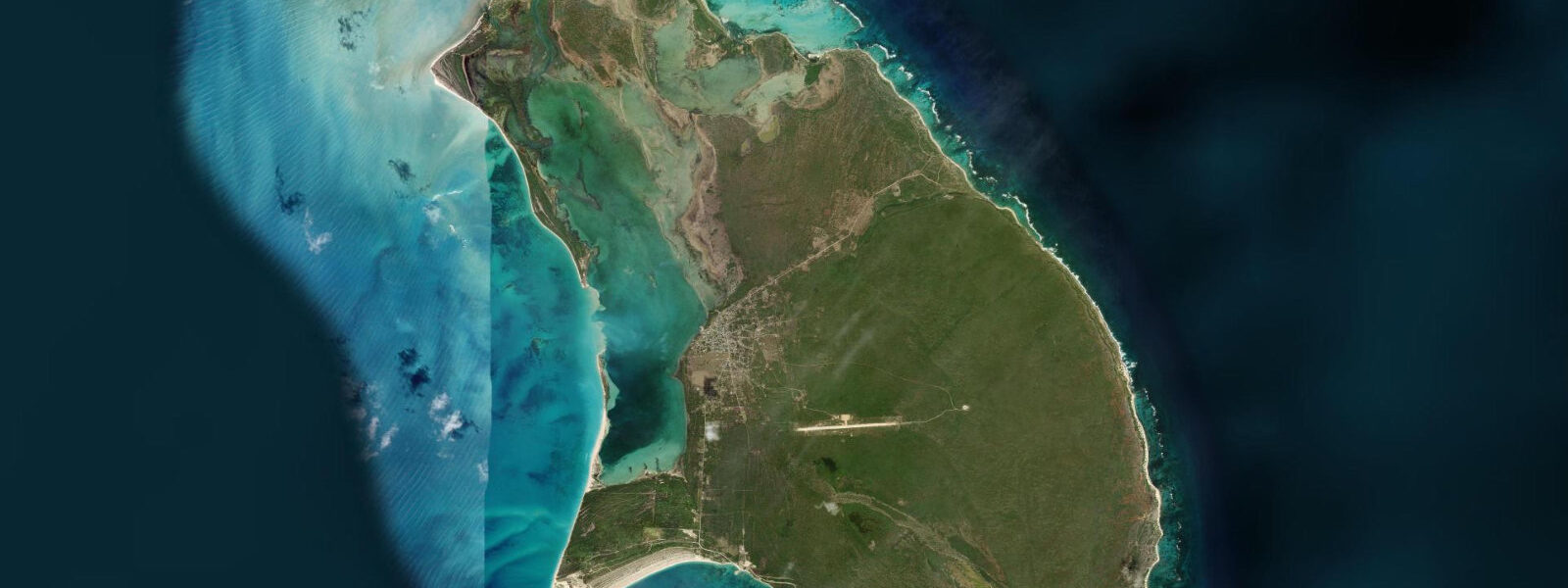
Codrington, Barbuda tide times
Codrington, Barbuda tide forecast — heights relative to MSL.
Today's tide times for Codrington, Barbuda
Tide times at Codrington, Barbuda on Tuesday, 4 August 2026: first low tide at 04:00am. Sunrise 05:47am, sunset 06:39pm.
Tide chart for Codrington, Barbuda
24-hour cosine-interpolated curve around the present moment. Heights relative to MSL. Predictions: Predictions: Open-Meteo Marine (MeteoFrance SMOC, 0.08° grid).
Sun, moon and conditions on Tue 04 Aug
Snapshot at build time — refreshes daily. Sea state from Open-Meteo Marine.
Highs and lows next 7 days
Every predicted high and low for the next week, with the daily tidal coefficient (0–120; higher = bigger swing, > 95 means stronger currents).
Other spots nearby
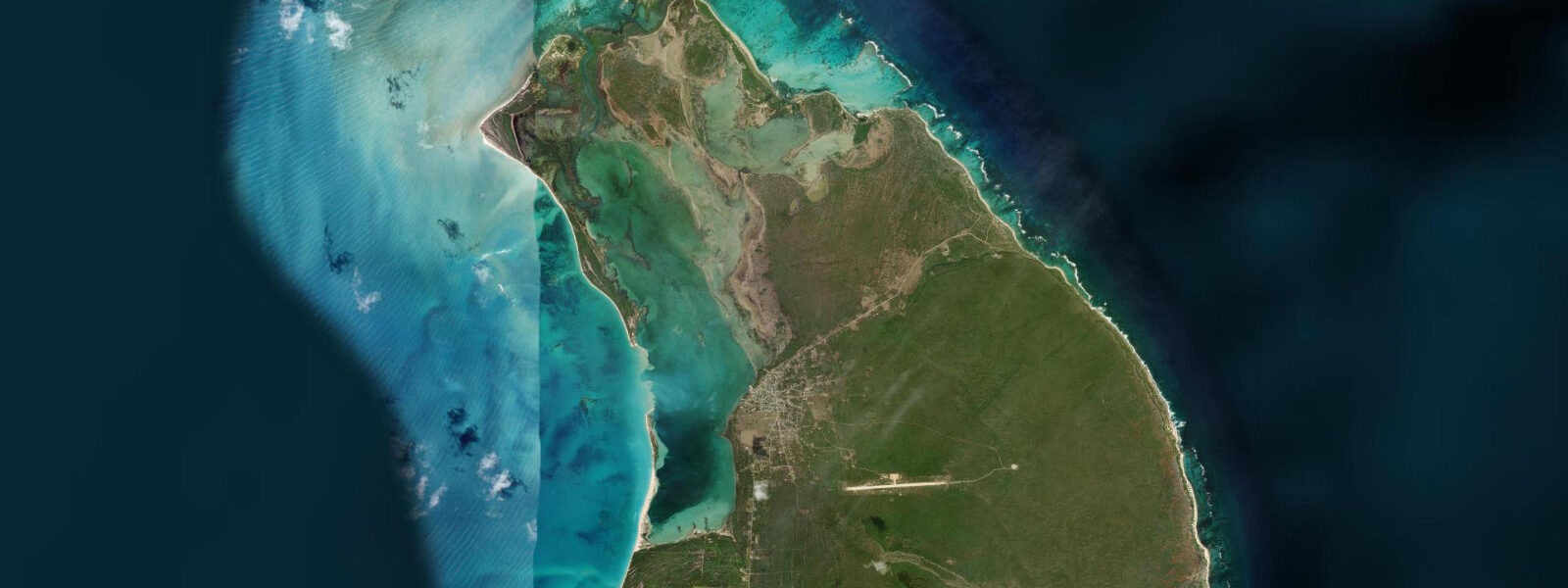
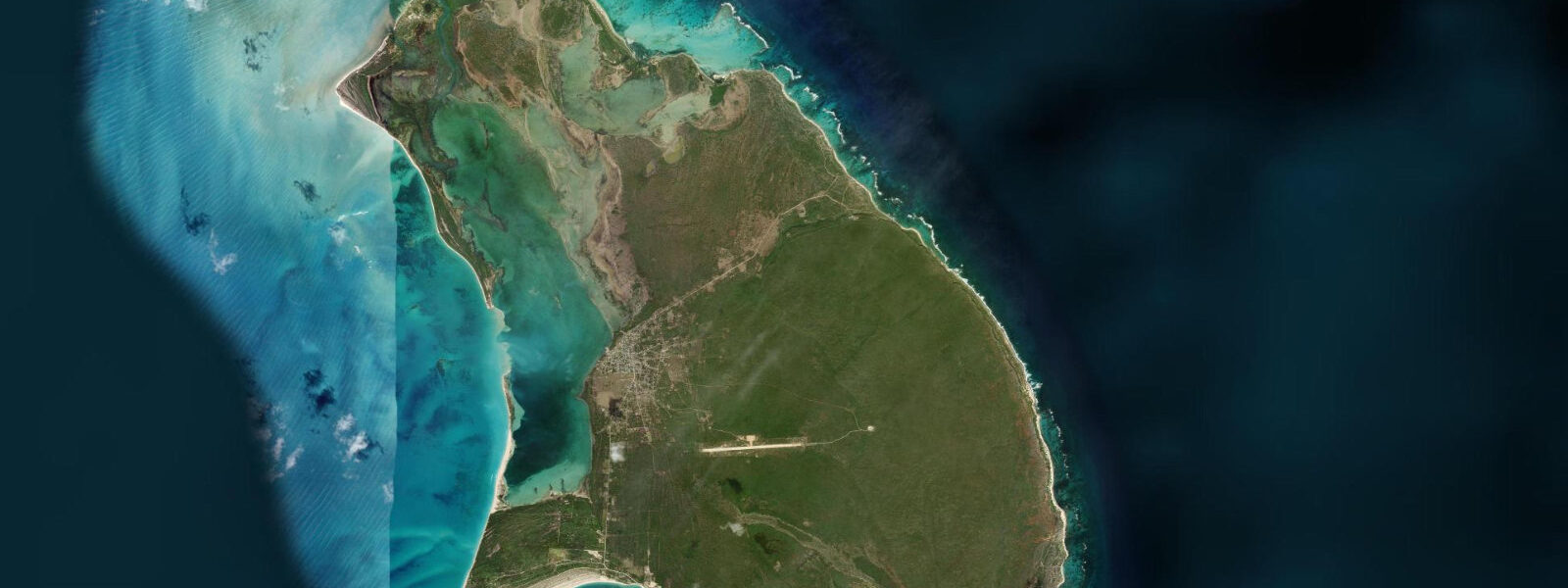
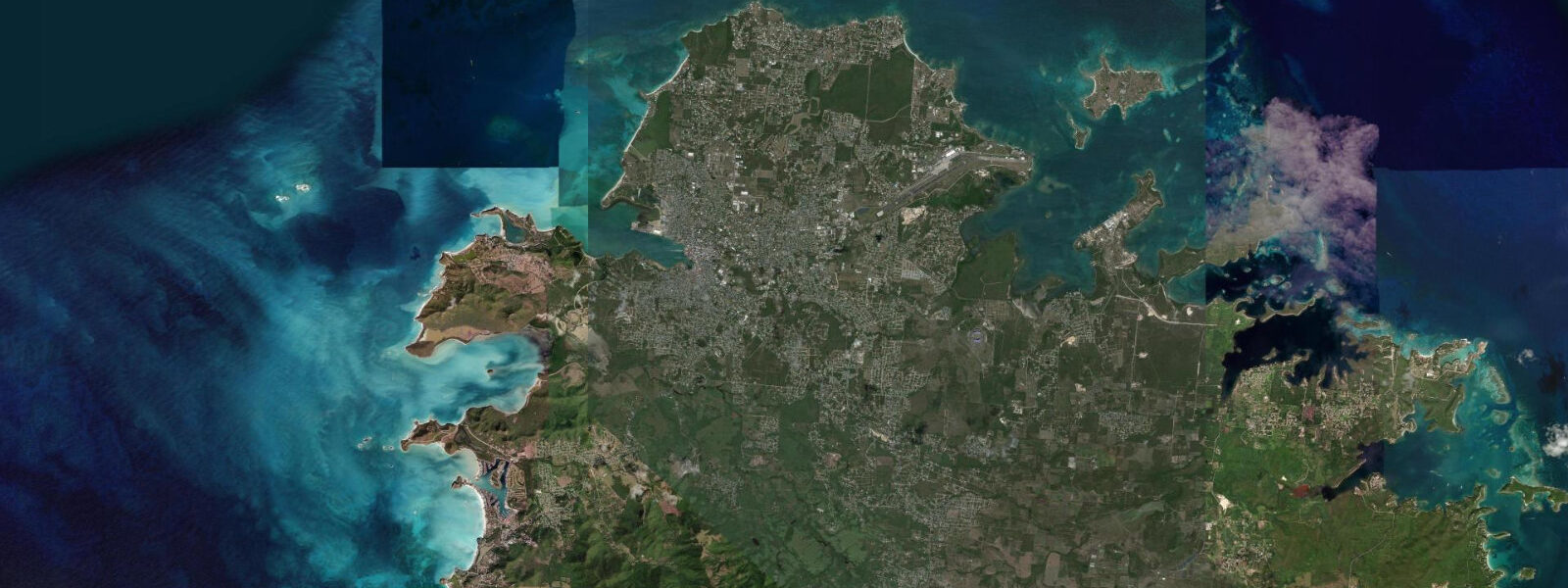
The three closest curated TideTurtle locations to Codrington, Barbuda, measured by great-circle distance.
Today's solunar windows
Solunar tradition: major periods are the ≈3h windows around moon transit and opposition; minor are ≈2h around moonrise and moonset. Pair with the local tide stage and wind for the best read.
About tides at Codrington, Barbuda
A short guide to the coastline at Codrington, Barbuda — geography, sea state, and what the tide is actually doing under your feet.
Codrington is the only town on Barbuda — an island that was nearly wiped clean by Hurricane Irma in September 2017 and is still rebuilding. The town sits on the western edge of the Codrington Lagoon, a large, nearly enclosed body of shallow water separated from the Caribbean by the barrier beach at Low Bay. Before Irma, Codrington had a population of around 1,800; since the storm, the permanent population has been smaller and the infrastructure patchier, though the recovery has progressed steadily.
The Codrington Lagoon itself is the focus of the island's most famous natural feature: the Frigate Bird Sanctuary, one of the largest frigatebird colonies in the western hemisphere, numbering between 5,000 and 10,000 birds at peak nesting season from September through February. The magnificent frigatebird males inflate their red throat pouches during the display season from October through December; boat tours from the lagoon's eastern shore bring visitors to the roosting trees within a few metres. The western beaches of Barbuda — Coco Point in the south, running 17 km north along Low Bay to the Codrington Lagoon entrance — have a characteristic that no other Caribbean beach shares at this scale: the sand is visibly pink.
The colour comes from the pulverised coral and shell in the sand matrix; the fine-grained pink-white beach with the turquoise shallow water behind the barrier reef is the image that defines Barbuda's coastal identity. The reef system surrounding Barbuda is among the least impacted coral in the eastern Caribbean because of the island's low population density, the shallow surrounding waters, and the general absence of commercial fishing pressure. Dive operators from Antigua run day trips to the Barbuda reef; several wrecks on the eastern Atlantic-facing coast add to the diving range.
7 metres, and the Atlantic swell, though typically smaller than at Grenada's eastern coast, produces a shore break on the less sheltered beaches. The Codrington Lagoon side is effectively calm; the tidal exchange through the narrow lagoon entrance controls the current within the lagoon, with a gentle inflow on the flood and outflow on the ebb. 3 metres on height.
Access to Barbuda from Antigua is by ferry (roughly 90 minutes from St. John's) or by light aircraft.
Tide questions about Codrington, Barbuda
Quick answers to the most common questions about tide times, range, and water access at Codrington, Barbuda.
What is the Frigate Bird Sanctuary at Codrington?
The Codrington Lagoon Frigate Bird Sanctuary holds one of the largest colonies of magnificent frigatebirds in the western hemisphere — between 5,000 and 10,000 birds depending on the season. Nesting runs from September through February; the male throat-pouch display peaks from October through December. Boat tours run from the lagoon's eastern shore, taking visitors through the mangrove to the roosting trees. The birds are accustomed to boats at close range and the colony is visible at distances of under 20 metres from the tour boats. The sanctuary is the primary reason most visitors come to Barbuda specifically.
Why is the sand at Barbuda pink?
The pink coloration of Barbuda's western beaches — particularly along the 17 km stretch of Low Bay — comes from the high concentration of pulverised coral and shell fragments mixed into the fine-grained sand. The coral Homotrema rubrum, a small red foraminifera that encrusts dead coral, contributes a significant fraction of the pink tint. The effect is most visible in dry sand above the high-water line and in the shallow turquoise water over the sand flat at low tide. The beach at Coco Point on the southern tip is considered the most vivid example; the Low Bay stretch maintains the colouration along its full length.
What is the tide range at Codrington?
The western Caribbean-facing coast at Codrington and Low Bay runs a spring range of roughly 0.4 to 0.6 metres — slightly larger than the sheltered Antigua harbours because Barbuda is more exposed to open water. The Atlantic-facing east coast runs a slightly larger range, approaching 0.5 to 0.7 metres. Inside the Codrington Lagoon the tidal signal is present but attenuated by the narrow entrance; the lagoon water level follows the outside with a lag and a reduced amplitude.
How do I get to Barbuda from Antigua?
The Antigua and Barbuda ferry runs between Heritage Quay in St. John's and Codrington dock; the crossing takes approximately 90 minutes. Ferry schedules have varied since the post-Irma recovery period; check the current schedule with the Antigua and Barbuda Port Authority or with the ferry operator directly before planning the trip. Light aircraft fly from V.C. Bird International Airport to Barbuda Codrington Airport in about 15 minutes; several charter operators run this route. Day trips are feasible but accommodation is limited; the island warrants at least one overnight stay to see the frigate bird colony properly.
Is this safe to use for navigation?
No. The waters around Barbuda are reef-strewn and partially uncharted at full detail resolution; the Atlantic-facing east coast has shallow reef patches extending several kilometres offshore. For vessel navigation around Barbuda, use the current Eastern Caribbean charts from the Caribbean Hydrographic Institute and consult the OECS Notices to Mariners. The Codrington Lagoon entrance channel is narrow and subject to shifting sand. Open-Meteo Marine gridded predictions are not authoritative navigational data.
7-day tide table — Codrington, Barbuda
Heights relative to MSL. Predictions: Open-Meteo Marine (MeteoFrance SMOC, 0.08° grid) — heights relative to MSL (not chart datum / LAT). Model-derived.
| Day | Type | Time | Height |
|---|---|---|---|
| Tue 04 Aug | Low | 04:00 | 0.3m |
| Wed 05 Aug | High | 17:00 | 0.4m |
| Thu 06 Aug | — | ||
| Fri 07 Aug | — | ||
| Sat 08 Aug | — | ||
| Sun 09 Aug | — | ||
| Mon 10 Aug | Low | 09:10 | 0.1m |