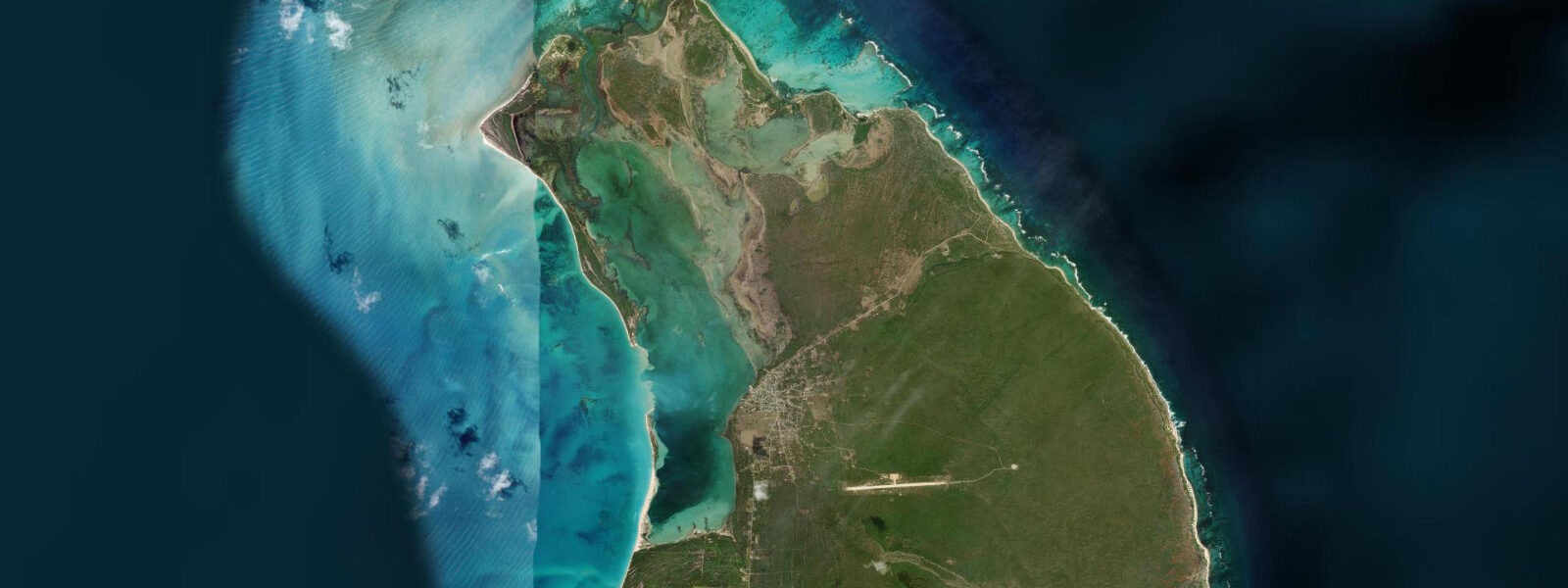
Low Bay, Barbuda tide times
Low Bay, Barbuda tide forecast — heights relative to MSL.
Tide chart for Low Bay, Barbuda
24-hour cosine-interpolated curve around the present moment. Heights relative to MSL. Predictions: Predictions: Open-Meteo Marine (MeteoFrance SMOC, 0.08° grid).
Sun, moon and conditions on Tue 04 Aug
Snapshot at build time — refreshes daily. Sea state from Open-Meteo Marine.
Highs and lows next 7 days
Every predicted high and low for the next week, with the daily tidal coefficient (0–120; higher = bigger swing, > 95 means stronger currents).
Other spots nearby
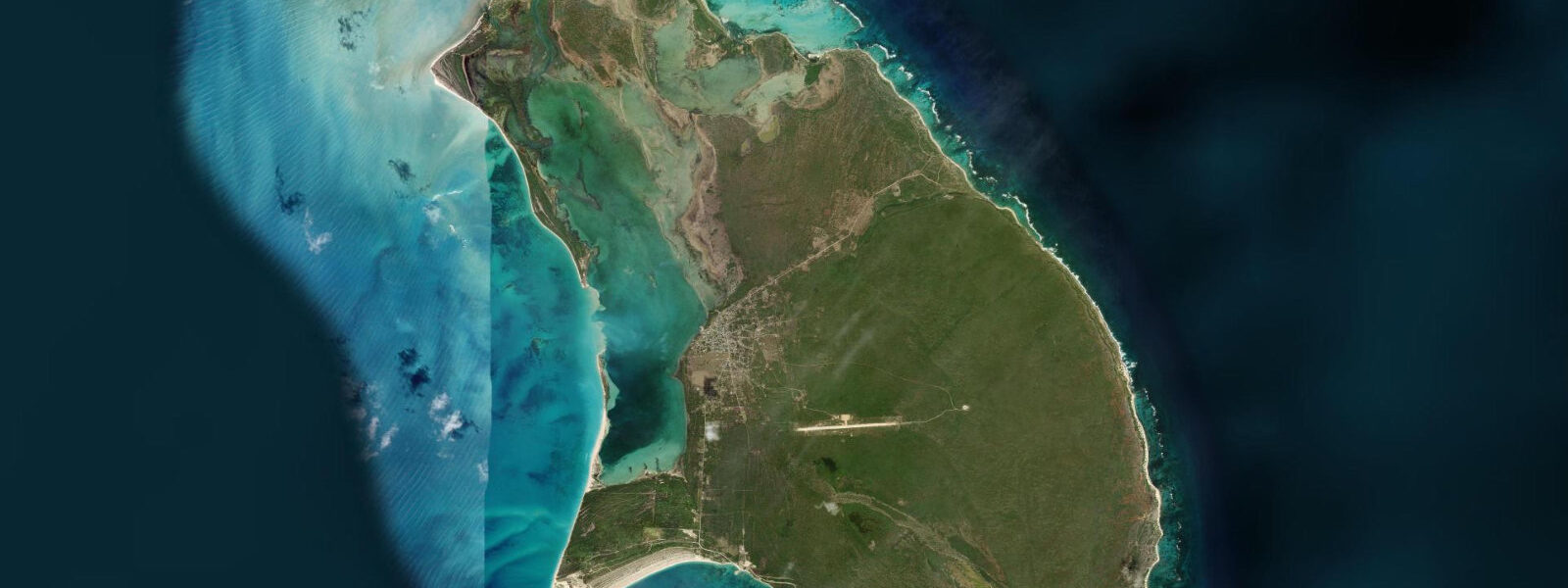
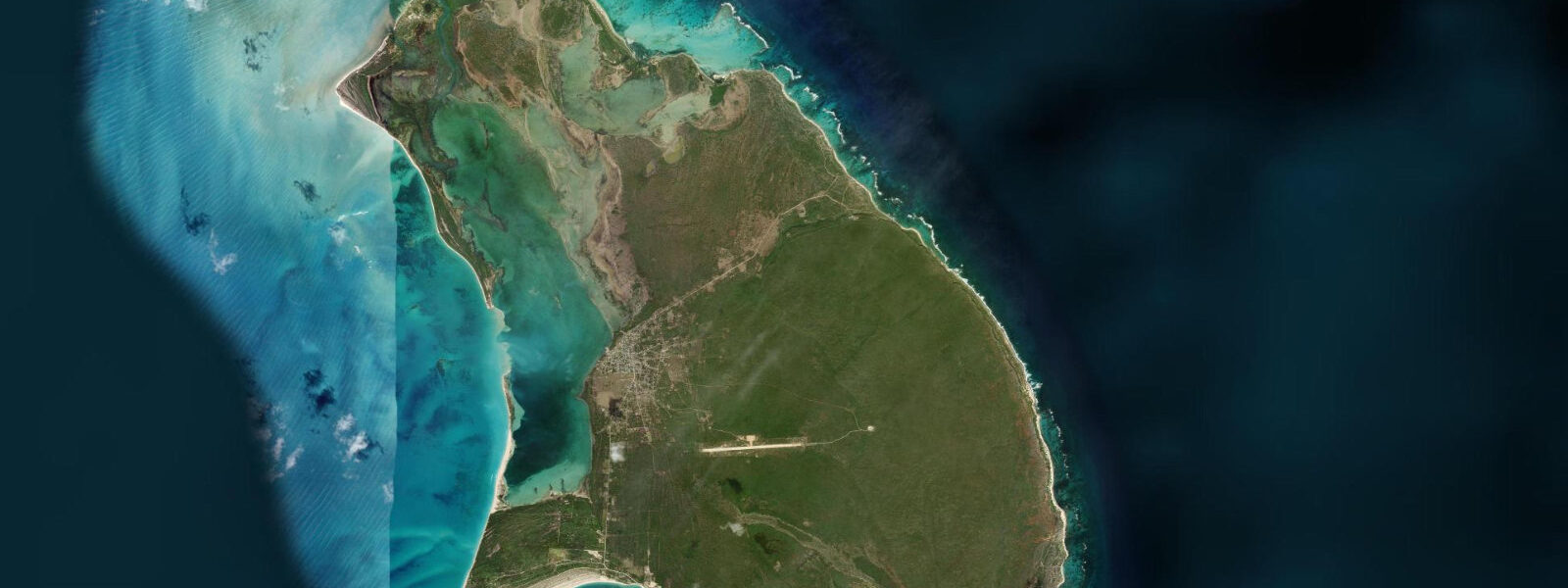
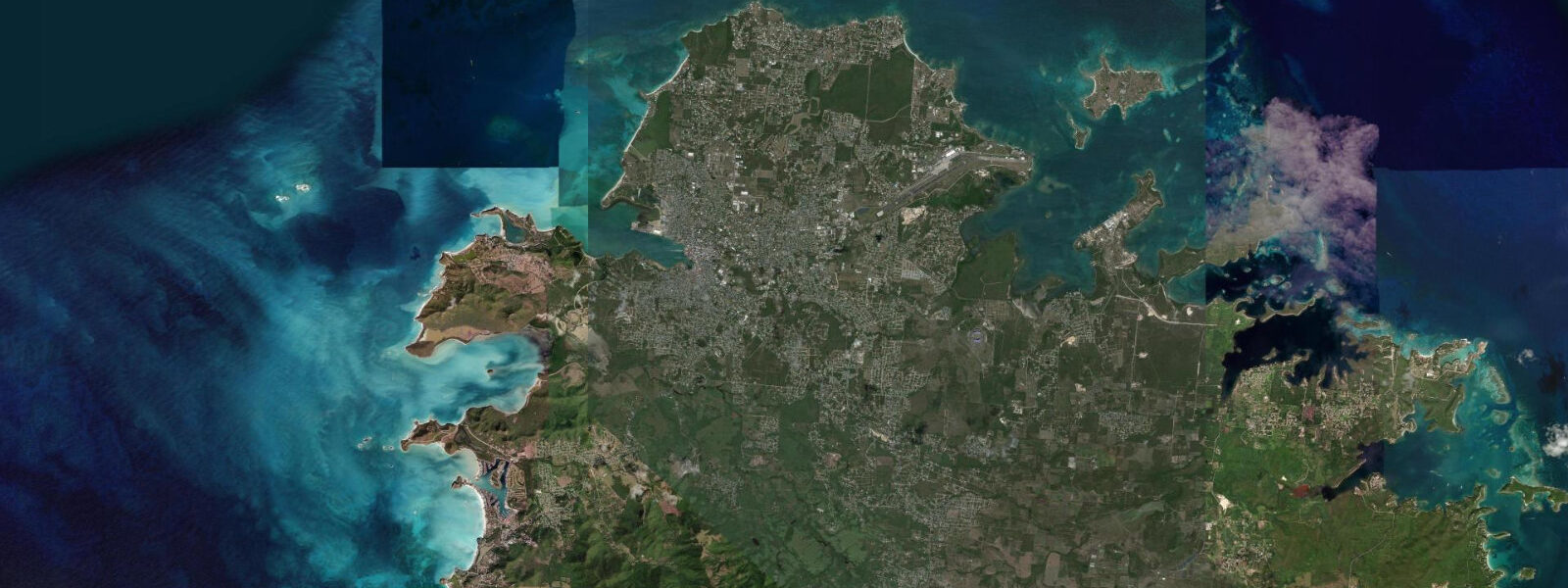
The three closest curated TideTurtle locations to Low Bay, Barbuda, measured by great-circle distance.
Today's solunar windows
Solunar tradition: major periods are the ≈3h windows around moon transit and opposition; minor are ≈2h around moonrise and moonset. Pair with the local tide stage and wind for the best read.
About tides at Low Bay, Barbuda
A short guide to the coastline at Low Bay, Barbuda — geography, sea state, and what the tide is actually doing under your feet.
Low Bay stretches along the entire western coast of Barbuda, a continuous arc of pale pink sand that runs for nearly 17 kilometres without interruption — one of the longest unbroken beaches in the Caribbean. The pink colouration comes from pulverised coral and shell mixed into the quartz grains; the saturation varies seasonally and is most visible in the raking light of early morning or late afternoon when the angle picks up the warm tones. The beach faces west across the Caribbean Sea, protected from Atlantic exposure by the width of the island behind it, and the water is shallow for a considerable distance offshore, dropping gradually over sand and scattered reef patches.
The tidal regime at Low Bay is mixed semidiurnal and firmly microtidal — spring range typically 0.4 to 0.6 metres between low and high water. On calm days the tide movement is the primary factor changing what the beach looks like: low tide exposes a broad band of damp, firm sand ideal for walking the full length, while the high pushes the waterline to within metres of the vegetation line in some sections. There are no rip currents of note in normal conditions; the shallow gradient and gentle bottom slope mean even small children can wade a long way out safely. Wind from the east and northeast pushes a small chop against the beach on trade wind days, but it rarely builds to uncomfortable size given the island mass behind.
From Low Bay, the Codrington Lagoon lies immediately behind the coastal barrier to the east. The Frigate Bird Sanctuary on the northern lagoon is the largest magnificent frigate bird colony in the western hemisphere, numbering several thousand birds, and the nesting season runs roughly September through April. Boat access to the sanctuary is arranged through guides in Codrington village; the best observation times are morning, when the birds are most active and the light is frontal from the east. Kayaking and paddleboarding in the lagoon are calm-water options sheltered from the open Caribbean by the same barrier beach that forms Low Bay.
For shore anglers, the low tide flat along Low Bay exposes a band of hard sand and scattered coral rubble where bonefish feed on incoming tides in the shallower sections. The bonefish is the primary target species on Barbuda's flats; guides working out of Codrington know the specific feeding areas and tide windows. The species is catch-and-release by convention among visiting fly fishers.
Coco Point at the southern end of Low Bay has historically been occupied by a private lodge; the beach itself is public shoreline. Palmetto Point marks the northern end of the low bay arc before the coast turns toward Codrington Lagoon. The full beach walk from Coco Point to Palmetto Point is a serious undertaking — plan a full day, carry water, and be aware that shade is absent for almost the entire distance.
Photographers working the beach should note that the combination of pink sand and the pale aquamarine water produces colour palettes difficult to find anywhere else in the Caribbean. The morning light from behind the island rim hits the water at a low angle until around 09:00; after that the overhead tropical sun flattens the colour contrast.
Tide predictions for Low Bay come from Open-Meteo Marine, a global gridded ocean model. Accuracy is typically within plus or minus 45 minutes on timing and 0.2 to 0.3 metres on height. Barbuda's remoteness means there is no local tide gauge; the gridded model interpolates from the regional signal.
The lack of infrastructure along Low Bay's 17-kilometre length is a feature, not a gap. Barbuda has made a deliberate choice not to permit the hotel development that Antigua has embraced; the result is a coastline that looks much as it did a century ago, with the exception of the Codrington village on the lagoon's eastern edge. Visitors who want the undeveloped Caribbean beach experience — the real one, not the resort-managed version — find it here.
Tide questions about Low Bay, Barbuda
Quick answers to the most common questions about tide times, range, and water access at Low Bay, Barbuda.
How long is Low Bay beach and can I walk the full length?
Low Bay runs approximately 17 kilometres along Barbuda's west coast from Coco Point in the south to Palmetto Point in the north — one of the longest unbroken beaches in the Caribbean. Walking the full length is a full-day commitment; the beach is entirely shadeless, and temperatures typically reach 30–32°C midday. Carry at least two litres of water per person. The firmer sand closest to the waterline on a falling or low tide makes for easier going than the soft upper beach. Transport logistics require planning: arrange pickup at the far end before you start, or bring a guide with a vehicle.
What is the tide range at Low Bay?
Low Bay is microtidal — mixed semidiurnal with a spring range of 0.4 to 0.6 metres. Two unequal high tides and two unequal low tides occur each day. The difference between neap and spring tides is noticeable but modest: neap range compresses to around 0.3 metres, spring range reaches the upper end of 0.6 metres around new and full moons. The Caribbean Sea shelters this coast from the full Atlantic tidal signal that affects Barbuda's windward northeast face. Tide predictions come from Open-Meteo Marine — accuracy within plus or minus 45 minutes on timing and 0.2 to 0.3 metres on height.
Is Low Bay good for bonefish flats fishing?
Yes. Barbuda's west-coast flats, including sections of Low Bay, hold bonefish year-round. The fish feed on the flats on incoming tides, typically moving onto the shallower sand as the water rises. Early morning on a flooding tide, with light winds and clear water, is the prime window. Guided wade fishing or skiff fishing through Codrington-based operators is the standard approach; the guides know which specific sections of the 17-kilometre flat are productive on a given tide. Barbuda is a fly-fishing destination where catch-and-release is the expected practice.
Can I see the frigate bird colony from Low Bay beach?
The Frigate Bird Sanctuary is located on the northern section of the Codrington Lagoon, on the interior side of the barrier beach that forms Low Bay. From the beach itself the view into the lagoon is blocked by the low vegetation and dune line. To actually observe the colony — thousands of magnificent frigate birds on the mangroves, with males inflating their red throat pouches during nesting season from September through April — you need to arrange a boat trip into the lagoon from Codrington. Guides meet you at the Codrington jetty. Budget around two hours for the trip.
What are water conditions like for swimming at Low Bay?
Low Bay is one of the calmer swimming beaches in the eastern Caribbean. The water is shallow for a significant distance offshore, the bottom is sand and scattered coral rubble without significant hazards, and there are no notable rip currents in normal conditions. Trade wind chop from the east arrives muted, having crossed the island behind the beach. Water clarity is excellent outside the post-rain periods when the lagoon's outlet can carry some turbidity across the barrier. The low tidal range means the waterline change between high and low is modest — typically 0.4 to 0.6 metres — and the beach remains swimmable across the full tidal cycle.
5-day tide table — Low Bay, Barbuda
Heights relative to MSL. Predictions: Open-Meteo Marine (MeteoFrance SMOC, 0.08° grid) — heights relative to MSL (not chart datum / LAT). Model-derived.
| Day | Type | Time | Height |
|---|---|---|---|
| Tue 04 Aug | — | ||
| Wed 05 Aug | — | ||
| Thu 06 Aug | — | ||
| Fri 07 Aug | Low | 07:00 | 0.1m |
| High | 16:00 | 0.4m | |
| Sat 08 Aug | Low | 07:50 | 0.1m |
| High | 17:00 | 0.5m | |