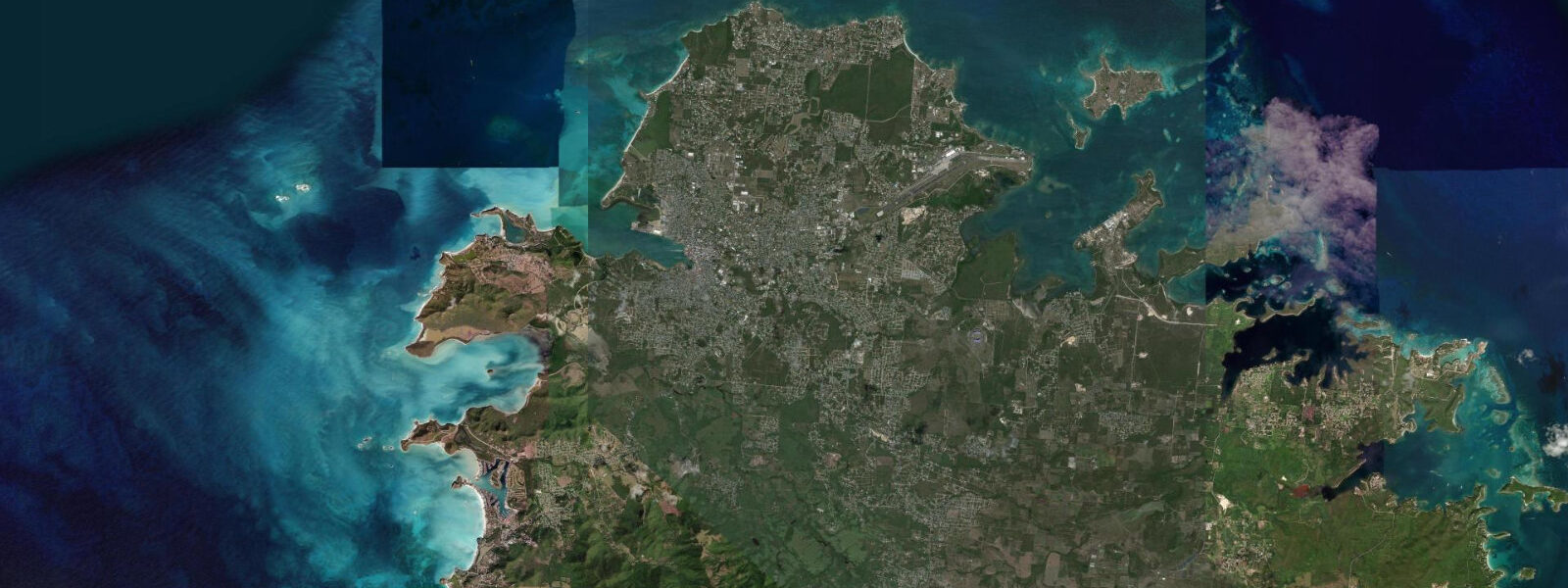
Dickenson Bay, Antigua tide times
Dickenson Bay, Antigua tide forecast — heights relative to MSL.
Tide chart for Dickenson Bay, Antigua
24-hour cosine-interpolated curve around the present moment. Heights relative to MSL. Predictions: Predictions: Open-Meteo Marine (MeteoFrance SMOC, 0.08° grid).
Sun, moon and conditions on Tue 04 Aug
Snapshot at build time — refreshes daily. Sea state from Open-Meteo Marine.
Highs and lows next 7 days
Every predicted high and low for the next week, with the daily tidal coefficient (0–120; higher = bigger swing, > 95 means stronger currents).
Other spots nearby
The three closest curated TideTurtle locations to Dickenson Bay, Antigua, measured by great-circle distance.
Today's solunar windows
Solunar tradition: major periods are the ≈3h windows around moon transit and opposition; minor are ≈2h around moonrise and moonset. Pair with the local tide stage and wind for the best read.
About tides at Dickenson Bay, Antigua
A short guide to the coastline at Dickenson Bay, Antigua — geography, sea state, and what the tide is actually doing under your feet.
Dickenson Bay is on Antigua's north coast, facing the sheltered water between the island and the reef line that defines the northern approach. 5 km of continuous sandy beach, calm enough for family swimming across most of the year, and backed by a concentration of hotels that makes it the most consistently visited beach strip on the island. The water is clear and shallow — the bay shoals gently, and the fringing reef on the northern end of the bay produces a natural breakwater effect that further reduces the wave energy at the shore.
Snorkelling on the reef fringe at the bay's northern point is accessible by swimming from the beach; the coral begins at 2 to 4 metres depth, with trumpet fish, parrotfish, and sergeant majors on the shallow sections and occasional reef squid at the drop-off. Watersports operators on the beach run kayak rentals, paddleboards, Hobie cats, banana boat rides, and glass-bottom boat tours to the offshore reef. The trade wind at Dickenson Bay arrives from the northeast and builds from mid-morning; the glass conditions in the early morning make the first two hours after sunrise the best window for calm-water kayaking and the clearest snorkelling visibility.
The beach itself is accessible on foot along the full length and is not reserved or gated for any specific hotel; the watersports operators maintain the middle section, and the less-trafficked southern end toward Sandals Resort has a more settled character in the early morning. Kite-surfing at Dickenson Bay is possible but not the island's primary kite venue — the fringing reef on the north reduces the wind consistency across the bay itself. The dedicated kite spot on Antigua is Jabberwock Beach, roughly 3 km east along the north coast road.
5 metres. The bay shoals to knee depth over wide areas on a spring low, which is relevant for launching inflatable SUPs and for families with very young children — the walk to swimming depth on a spring low tide can be 30 to 40 metres from the waterline. High water brings the swimming depth closer to shore.
3 metres on height.
Tide questions about Dickenson Bay, Antigua
Quick answers to the most common questions about tide times, range, and water access at Dickenson Bay, Antigua.
What is the snorkelling like at Dickenson Bay?
The snorkelling at Dickenson Bay is accessible from the beach without a boat. The fringing reef on the bay's northern point starts at 2 to 4 metres depth and runs along the outside of the natural breakwater; parrotfish, trumpet fish, sergeant majors, and reef squid are typical sightings. Visibility is best in the early morning before the trade wind builds surface chop — aim for the water before 09:00. The central and southern sections of the bay are sandy bottom with scattered coral heads at 3 to 5 metres; less productive for reef species but good for ray and turtle sightings in the early morning.
What watersports are available at Dickenson Bay?
Multiple watersports operators on the beach run kayak and paddleboard rentals, Hobie cat sailing, banana boats, glass-bottom boat tours to the reef, and parasailing. Equipment can be rented by the hour without advance booking in most cases. Dive operators in the area run half-day and full-day trips to offshore reef sites, wrecks, and the Pillars of Hercules rock formation on Antigua's south coast. The best time for calm-water paddling and kayaking is the early morning before the northeast trade builds.
What is the tide range at Dickenson Bay?
Caribbean microtidal: spring range 0.3 to 0.5 metres, mixed semidiurnal. The bay shoals gently, so the low-water waterline can retreat 30 to 40 metres from the high-water mark on a spring low — the dry beach widens noticeably, but the walk to swimming depth increases. Spring tides coincide with new and full moons. The tide has minimal effect on the reef snorkelling depth on the northern fringe; the main variable there is surface chop from the northeast trade.
Where do the tide predictions for Dickenson Bay come from?
Open-Meteo Marine, a free gridded global ocean model. Accuracy is typically within plus or minus 45 minutes on timing and 0.2 to 0.3 metres on height. The Antigua and Barbuda Meteorological Service publishes weather and marine forecasts for the island. The Caribbean Meteorological Organisation coordinates the regional tide gauge network; the nearest reference gauge data is available for St. John's Harbour on Antigua's west coast, which runs on a similar tidal phase to the north coast.
Is this safe to use for navigation?
No. The north coast approaches to Dickenson Bay involve the outer reef line that defines the bay. For vessel navigation, use the current Eastern Caribbean charts and the OECS Notices to Mariners. Open-Meteo Marine gridded predictions are not authoritative navigational data. For Dickenson Bay specifically, the reef on the northern point is a hazard for vessels approaching from the northeast; local knowledge and current chart data are required.
6-day tide table — Dickenson Bay, Antigua
Heights relative to MSL. Predictions: Open-Meteo Marine (MeteoFrance SMOC, 0.08° grid) — heights relative to MSL (not chart datum / LAT). Model-derived.
| Day | Type | Time | Height |
|---|---|---|---|
| Tue 04 Aug | — | ||
| Wed 05 Aug | — | ||
| Thu 06 Aug | — | ||
| Fri 07 Aug | — | ||
| Sat 08 Aug | — | ||
| Sun 09 Aug | Low | 08:00 | 0.1m |