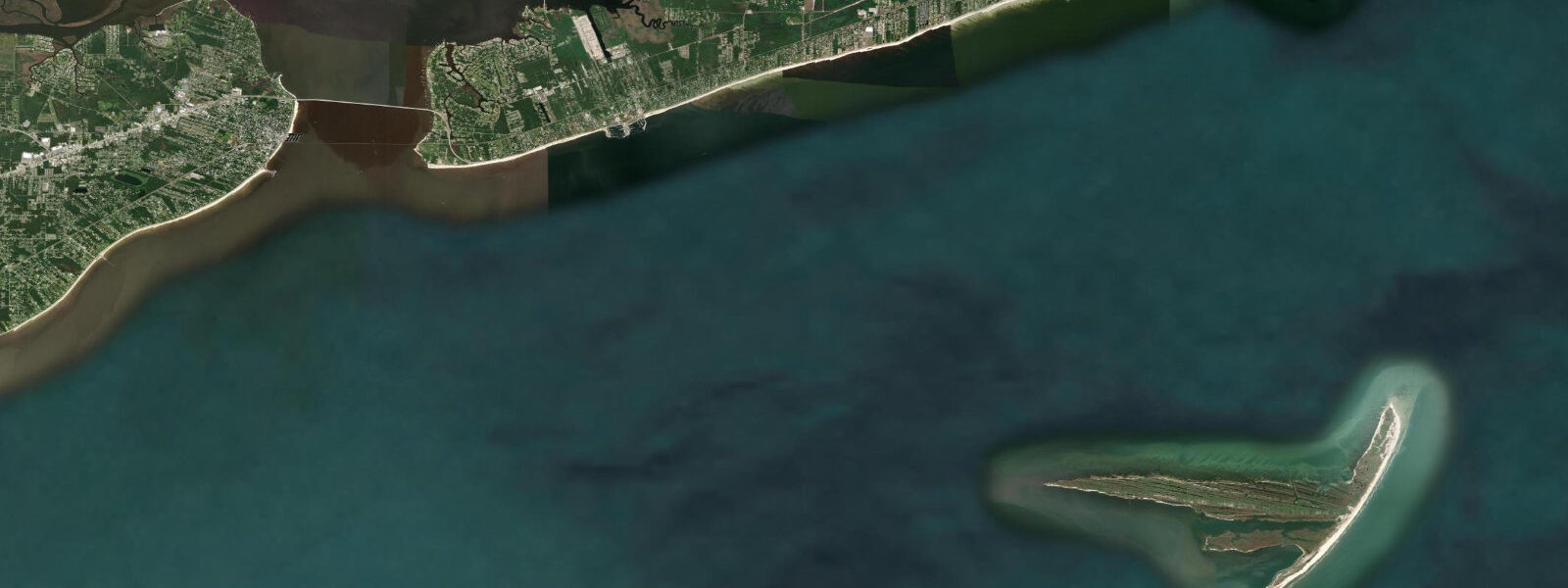
Pass Christian, MS tide times
Pass Christian, MS tide forecast — heights relative to MSL.
Tide chart for Pass Christian, MS
24-hour cosine-interpolated curve around the present moment. Heights relative to MSL. Predictions: Predictions: Open-Meteo Marine (MeteoFrance SMOC, 0.08° grid).
Sun, moon and conditions on Tue 04 Aug
Snapshot at build time — refreshes daily. Sea state from Open-Meteo Marine.
Highs and lows next 7 days
Every predicted high and low for the next week, with the daily tidal coefficient (0–120; higher = bigger swing, > 95 means stronger currents).
Other spots nearby
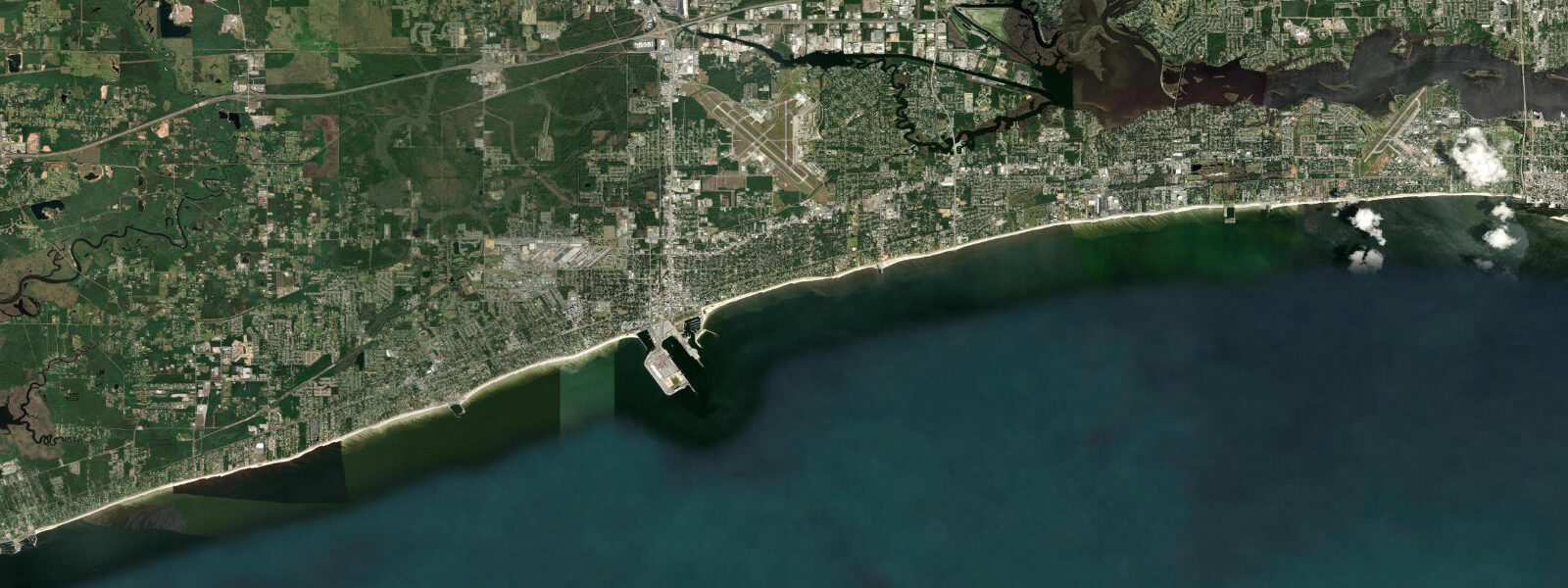
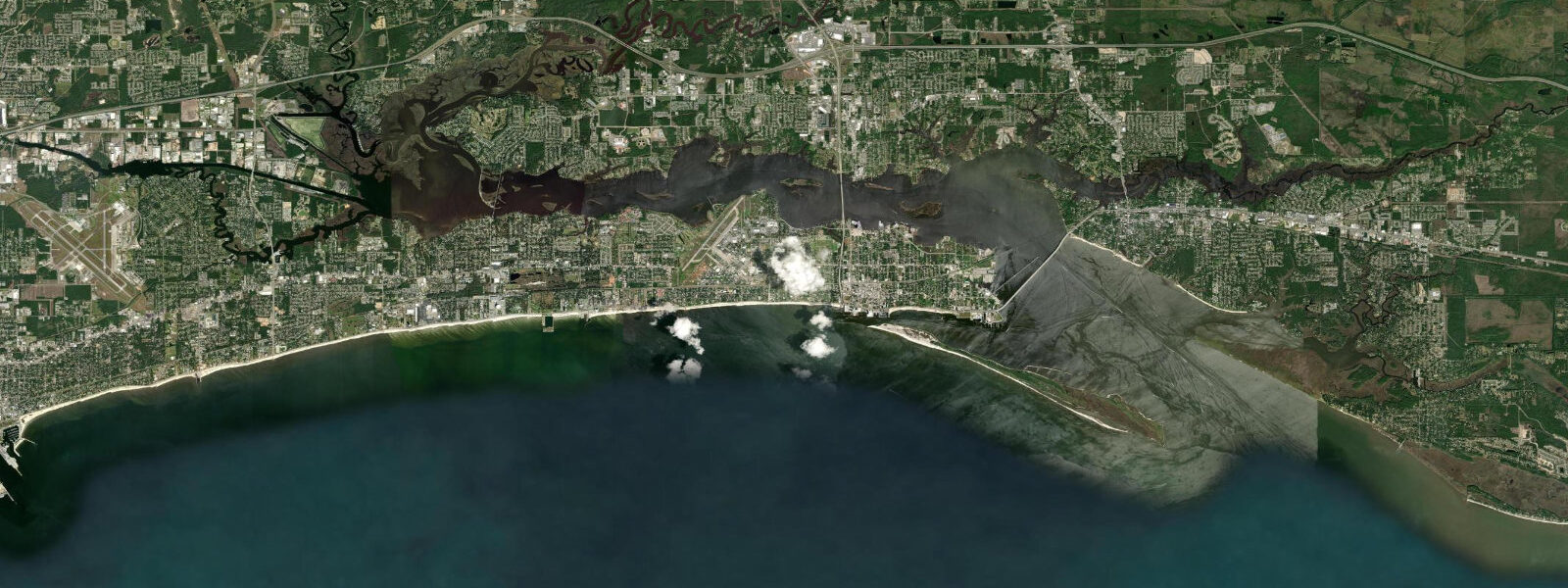
The three closest curated TideTurtle locations to Pass Christian, MS, measured by great-circle distance.
Today's solunar windows
Solunar tradition: major periods are the ≈3h windows around moon transit and opposition; minor are ≈2h around moonrise and moonset. Pair with the local tide stage and wind for the best read.
About tides at Pass Christian, MS
A short guide to the coastline at Pass Christian, MS — geography, sea state, and what the tide is actually doing under your feet.
Pass Christian (locally pronounced 'Pass Kristian') sits at the western end of the developed Mississippi Gulf Coast strip, a quiet town of roughly 5,000 between Gulfport and Bay St. Louis where the pace drops and the historic character of the coast comes through more clearly than in the casino corridor to the east. The tidal regime is diurnal — one high and one low per day — with a mean range around 0.4 metres MLLW, consistent with the rest of the shallow Mississippi Sound coast. What defines water level here day-to-day is far more often the wind than the tide.
The Pass Christian waterfront is anchored by one of the longer public beaches on the Mississippi coast, a palm-and-live-oak-shaded strip of sand facing the Sound and the barrier islands beyond. The beach is quieter than Biloxi's and draws families and retirees more than the resort crowd. The low tidal range means the waterline moves very little through the day — children playing at the water's edge in the morning will find nearly the same water level in the afternoon. The Sound water behind the barrier island chain is flat except when south or southeast winds build fetch-generated chop across the 15-kilometre width between the islands and the shore.
Pass Christian Harbour and the Pass Christian Yacht Club are the social cores of the town's boating community. The harbour entrance and the approach channel are dredged to allow modest keelboats and motorsailers to lie in the marina, but the Mississippi Sound's persistent shoaling means approach depths should be verified against current NOAA charts before visiting with deeper-draft vessels. The yacht club is one of the oldest on the Gulf Coast — founded in 1849 — and the sailing tradition here predates the casino era by more than a century.
The town was one of the hardest-hit Mississippi communities in Hurricane Katrina. Pass Christian's residential neighbourhood directly behind the beach was almost completely erased — the storm surge here exceeded 7 metres above MLLW, and the town's density and proximity to the water meant the destruction was nearly total. The rebuilt Pass Christian has a slightly different scale and character from the pre-Katrina town, with larger setbacks, elevated foundations, and rebuilt infrastructure designed around a revised understanding of surge exposure. The municipal harbour and marina were rebuilt and are functional.
For shore anglers and kayakers, the beach and the harbour provide the main access points. Red drum and speckled trout move through the nearshore flats, and the oyster reefs in the Sound east and west of the harbour hold sheepshead and black drum. Kayakers launching from the harbour can paddle south toward the Sound's mid-channel on calm days; the barrier islands are well beyond kayak range from here at roughly 13 to 15 kilometres offshore, accessible only by motorboat.
Predictions on this page come from Open-Meteo Marine, a global gridded ocean model. Accuracy is typically within plus or minus 45 minutes on timing and 0.2 to 0.3 metres on height — model-derived, not from a NOAA gauge. Given the very small tidal range at Pass Christian (0.3 to 0.4 m MLLW mean), model uncertainty is a significant fraction of the full tidal signal. For authoritative data, consult NOAA CO-OPS at tidesandcurrents.noaa.gov; the nearest reference gauge is Bay-Waveland Yacht Club (station 8747437) to the west.
Tide questions about Pass Christian, MS
Quick answers to the most common questions about tide times, range, and water access at Pass Christian, MS.
What is the tidal range at Pass Christian?
Pass Christian sees a mean tidal range of around 0.4 metres MLLW — diurnal pattern with one high and one low per day. This is among the smallest tidal ranges in the continental United States. The practical result is that the Mississippi Sound waterline barely moves through a normal day; wind setup from sustained southerly winds can raise water levels by as much or more than the full astronomical range. Anglers and boaters should pay more attention to wind forecasts and atmospheric pressure trends than to the tide prediction at this location.
Is Pass Christian good for kayaking?
Yes, for sheltered Sound paddling. The harbour and the beach provide easy launch points, and the flat, calm Sound water behind the barrier islands is suitable for beginner to intermediate sea kayakers on light-wind days. Distances to the barrier islands (13 to 15 km) are beyond safe day-paddle range from here without motorboat support. Paddlers should monitor wind forecasts carefully — the Sound's fetch geometry means southerly winds can build 0.5 to 1.0 m chop quickly on a flat surface.
What is the Pass Christian Yacht Club?
The Pass Christian Yacht Club, founded in 1849, is one of the oldest sailing clubs on the US Gulf Coast. It operates from the harbour at the west end of the beachfront and organises racing and cruising events on the Sound. The club was destroyed by Katrina in 2005 and rebuilt; it reopened in its rebuilt facility and has resumed its full programme. Visiting sailors and club members from affiliated yacht clubs are typically welcomed — contact the harbour master in advance for slip availability, as the approach channel depth should be verified for your vessel's draft.
What fish can I catch at Pass Christian?
The Sound flats and the nearshore oyster reefs around Pass Christian hold speckled trout, red drum, and sheepshead year-round, with flounder and black drum appearing seasonally. Crabbing is a local tradition; blue crabs are caught from the harbour and the beach piers. Spanish mackerel move through in spring and fall on the Gulf side of the barrier islands, accessible by motorboat. The quiet character of the Pass Christian shoreline — fewer boat wakes, less noise — can make the inshore fishing here less pressured than the more heavily trafficked waters near Biloxi.
Is this tide data safe to use for navigation at Pass Christian?
No. Open-Meteo Marine gridded predictions are not a substitute for official NOAA tide data or nautical charts. The Mississippi Sound has extensive shallow areas and the approach to Pass Christian Harbour requires following the dredged channel markers. Use NOAA Chart 11372 and consult the NOAA CO-OPS predictions for the nearest reference station (Bay-Waveland Yacht Club, station 8747437). During Gulf hurricane season, wind-driven surge can far exceed the astronomical tide at this location — follow National Hurricane Center advisories and local evacuation orders when tropical systems threaten the coast.
6-day tide table — Pass Christian, MS
Heights relative to MSL. Predictions: Open-Meteo Marine (MeteoFrance SMOC, 0.08° grid) — heights relative to MSL (not chart datum / LAT). Model-derived.
| Day | Type | Time | Height |
|---|---|---|---|
| Tue 04 Aug | — | ||
| Wed 05 Aug | High | 03:50 | 0.1m / 0.4ft |
| Low | 18:00 | -0.2m / -0.5ft | |
| Thu 06 Aug | — | ||
| Fri 07 Aug | — | ||
| Sat 08 Aug | High | 05:10 | 0.3m / 0.8ft |
| Sun 09 Aug | Low | 19:10 | -0.3m / -1.0ft |