Fairhope, AL tide times
Fairhope, AL tide forecast — heights relative to MSL.
Tide chart for Fairhope, AL
24-hour cosine-interpolated curve around the present moment. Heights relative to MSL. Predictions: Predictions: Open-Meteo Marine (MeteoFrance SMOC, 0.08° grid).
Sun, moon and conditions on Tue 04 Aug
Snapshot at build time — refreshes daily. Sea state from Open-Meteo Marine.
Highs and lows next 7 days
Every predicted high and low for the next week, with the daily tidal coefficient (0–120; higher = bigger swing, > 95 means stronger currents).
Other spots nearby
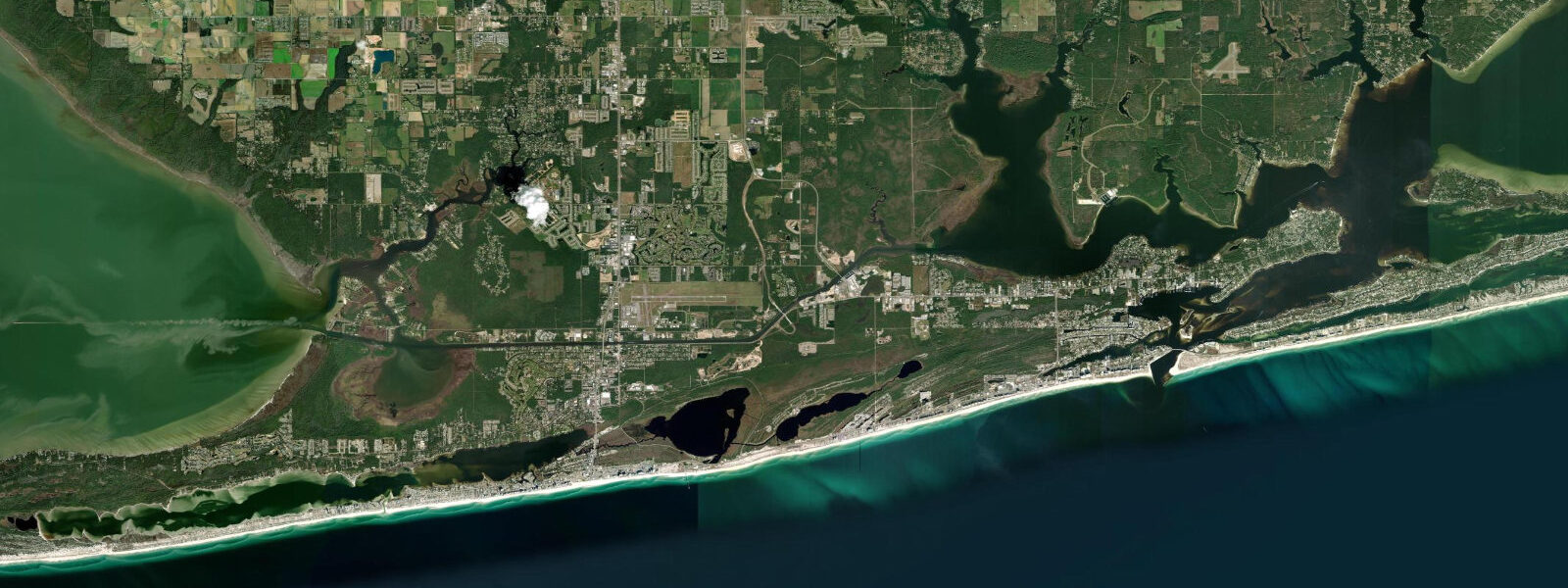
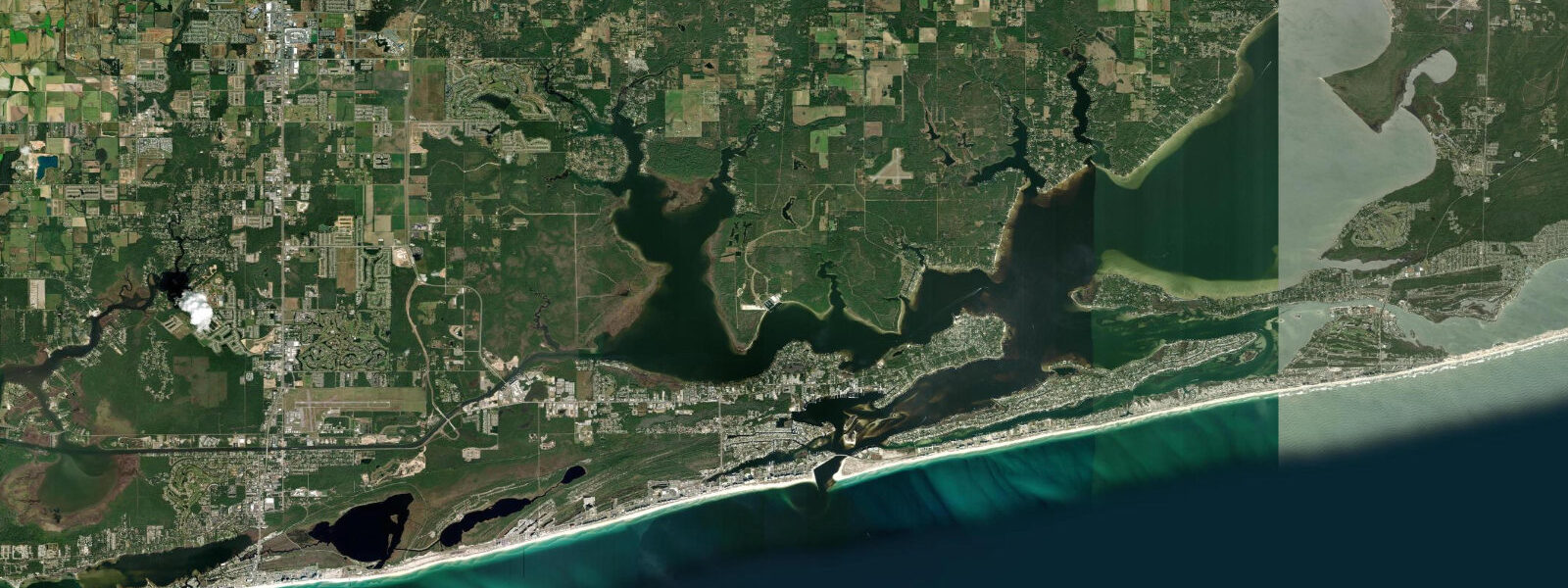
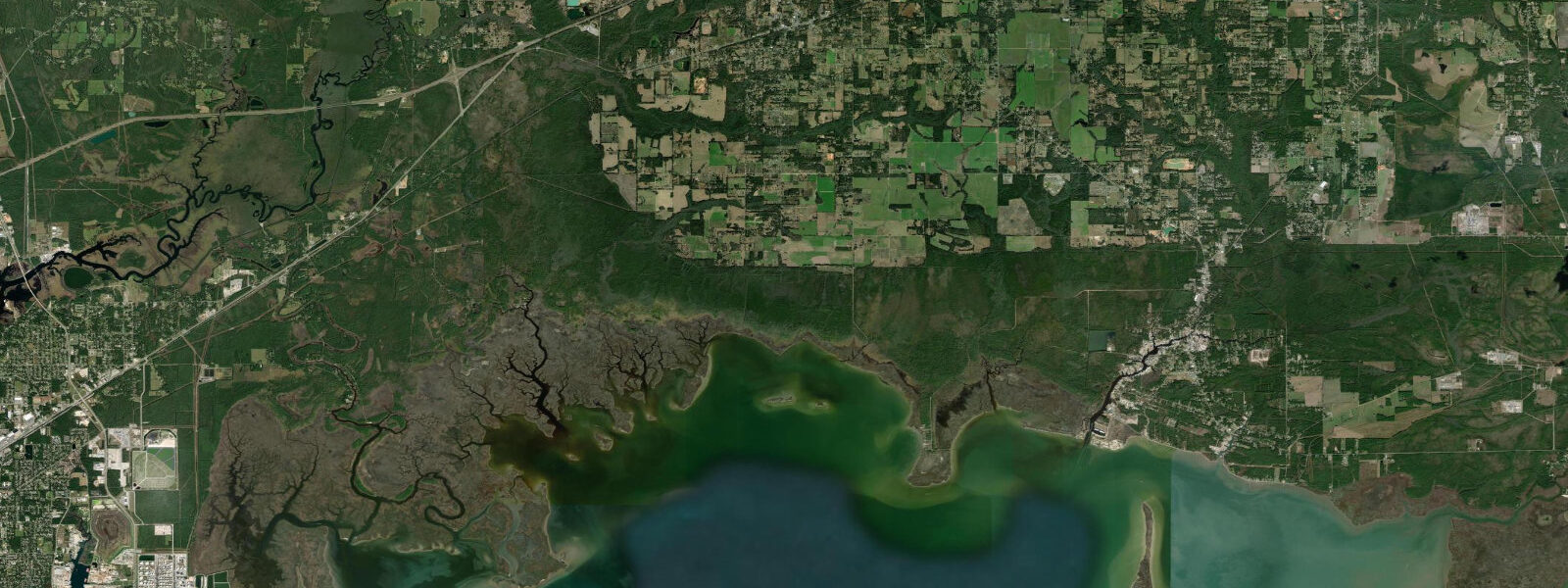
The three closest curated TideTurtle locations to Fairhope, AL, measured by great-circle distance.
Today's solunar windows
Solunar tradition: major periods are the ≈3h windows around moon transit and opposition; minor are ≈2h around moonrise and moonset. Pair with the local tide stage and wind for the best read.
About tides at Fairhope, AL
A short guide to the coastline at Fairhope, AL — geography, sea state, and what the tide is actually doing under your feet.
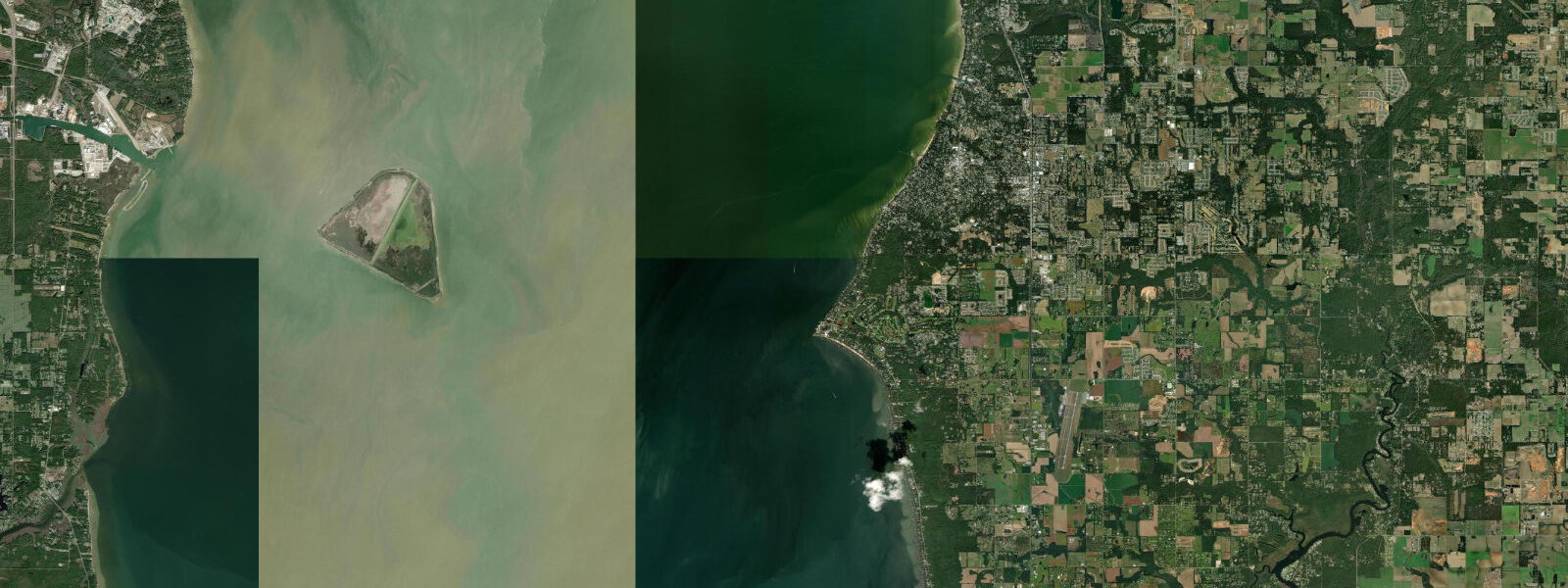
Fairhope sits on a bluff 15 to 20 metres above the eastern shore of Mobile Bay, about 45 kilometres north of the Gulf. The town looks west across the full width of the bay — roughly 11 kilometres of open water to the Mobile skyline and the river delta beyond. Mobile Bay is one of the largest estuaries on the Gulf Coast, with a surface area over 1,000 square kilometres, and despite being connected to the Gulf of Mexico through Mobile Pass at its southern tip, the bay's water-level dynamics are dominated not by astronomical tides but by wind and freshwater inflow. The tidal range at Fairhope is only about 0.3 metres — even smaller than the already-tiny Gulf Coast tidal signal — because the bay geometry further attenuates the tidal wave as it travels the 45 kilometres from Mobile Pass. On many days, local wind setup swamps the tidal signal entirely.
The wind-tide relationship in Mobile Bay is strong and well-documented. South winds push water from the Gulf northward into the bay, raising the Fairhope shoreline water level by 30 centimetres or more above predicted tide; north winds drain the bay, sometimes exposing the shallow mudflat below the Fairhope Municipal Pier by 50 centimetres beyond the normal low water line. This meteorological tide is far more useful for planning bay activities than the astronomical tide alone. Locals routinely check wind forecasts alongside tide tables when deciding whether conditions at the pier and beach are suitable.
Fairhope Municipal Pier extends 300 metres into the bay and is the town's visual centrepiece. Built on wooden pilings over a shallow clay-and-sand bottom, the pier is used daily for fishing, birdwatching, and sunset viewing. At the pier end, depth is 1.2 to 1.5 metres at mean water level — shallow enough that wind-driven low water events occasionally strand the small recreational vessels that anchor near the pier. The pier holds speckled trout, redfish, and flounder on the incoming tidal phase, along with schools of striped mullet that run through the bay in late summer. Blue crabs are netted from the pier in summer months using chicken-neck traps; no licence is required for recreational crabbing from a public pier in Alabama.
The Fairhope Beach Park below the bluff provides the main public shoreline access. A sandy beach 100 to 200 metres long faces the bay; the protected geometry of the eastern bay shoreline means wave energy is low, and the calm shallow water is consistently suitable for family swimming and wading. Bay water temperatures at Fairhope reach 30°C in July and August — warmer than the Gulf-facing beaches — because of the shallower depth and reduced circulation. Jellyfish (primarily moon jellyfish, Aurelia aurita) are common in the bay in summer and can accumulate near the Fairhope shoreline in calm conditions when south winds have been blowing for several days.
Fairhope itself has a distinct civic identity rooted in an 1894 single-tax utopian colony experiment — the Fairhope Single Tax Corporation still owns and leases land in the original colony area, making it one of the longest-running land-reform experiments in the US. The town's art galleries, bookshop culture, and craft market scene draw visitors from Mobile and Pensacola on weekends. The public rose garden at the bluff edge, maintained by the city, is one of the few places on the Alabama coast where formal horticulture and bay views combine on a single overlook. Photographers looking for the bay at its best will find sunrise from the Fairhope bluff productive year-round — east-facing only for the first light; the bay takes the best afternoon light from the Fairhope Pier looking west toward the Mobile skyline.
Tide predictions on this page are from Open-Meteo Marine, a global gridded ocean model, with typical accuracy of plus or minus 45 minutes on timing and 0.2 to 0.3 metres on height. Given that the total tidal range at Fairhope is only 0.3 metres, model-derived predictions here should be treated as guidance only — the wind-driven water level variation is often larger than both the tidal signal and the model error combined. NOAA CO-OPS station 8737048 (Mobile State Docks) is the closest active gauge for Mobile Bay water levels.
Tide questions about Fairhope, AL
Quick answers to the most common questions about tide times, range, and water access at Fairhope, AL.
What are the tides like at Fairhope on Mobile Bay?
Fairhope has very small tides — mean range approximately 0.3 metres above MLLW — because the bay attenuates the already-tiny Gulf Coast tidal signal during its 45-kilometre journey from Mobile Pass. The tidal pattern is diurnal (one high and one low per day) like the outer Alabama Gulf Coast. In practice, wind-driven water level changes are often larger than the astronomical tide at Fairhope: sustained south winds raise the bay surface 30 centimetres or more above predicted tide; north winds drain it down. Always check wind forecasts alongside tide tables when planning activities at the Fairhope pier or beach.
Is the Fairhope Municipal Pier open for fishing?
Yes. The Fairhope Municipal Pier is publicly accessible year-round during daylight hours (check current city hours as they vary seasonally). The 300-metre pier over Mobile Bay produces speckled trout, redfish, flounder, and blue crabs. The most productive fishing window is the incoming tidal phase — even the small 0.3-metre bay tide produces a detectable current shift at the pier pilings. Blue crab trapping with a chicken-neck trap is permitted from the pier; no Alabama recreational licence is required for fishing from a public pier. Note that wind-driven low water events can reduce depth at the pier end to under 1 metre.
Why is Mobile Bay water level influenced so much by wind?
Mobile Bay is large (over 1,000 square kilometres), shallow (mean depth about 3 metres), and connected to the Gulf through only one relatively small inlet at Mobile Pass. The bay acts as a shallow dish: persistent south winds push Gulf water northward through the inlet, piling water against the northern bay shore and raising water levels at Fairhope. North winds do the reverse, effectively draining the bay. Because the bay's depth is so small, even moderate wind stress creates significant water-level setup. This effect — sometimes called meteorological tide or storm surge in extreme cases — regularly exceeds the 0.3-metre astronomical tidal range at Fairhope.
What is the jubilee phenomenon in Mobile Bay?
The Mobile Bay jubilee is a natural event unique to this estuary where crabs, shrimp, flounder, and eels crowd the shallow eastern shoreline in large numbers, easily gathered by hand. Jubilees occur when warm, oxygen-depleted bottom water (driven by specific wind and tidal patterns) is pushed toward the shore, forcing bottom-dwelling creatures to the surface to breathe. They typically happen in calm late summer nights on the eastern bay shore between Daphne and Mullet Point, often announced on local social media when they begin. The phenomenon has been documented in Mobile Bay since at least the 1860s and is specific to this location's geometry — shallow eastern shelf, southeast wind pattern, and estuarine stratification.
Is this tide data reliable for boating on Mobile Bay?
Open-Meteo Marine gridded predictions provide approximate tidal guidance for Mobile Bay, but they do not capture the wind-driven water level changes that can account for 30 to 50 centimetres of variation at Fairhope — often more than the total tidal range. For boating decisions on Mobile Bay, use NOAA CO-OPS station 8737048 (Mobile State Docks) for real-time water level alongside NOAA or NWS wind forecasts. Shoal areas north of the Causeway (US 90) and in the upper bay can ground out unexpectedly during wind-driven low water events. The official navigation reference is NOAA Chart 11376.
7-day tide table — Fairhope, AL
Heights relative to MSL. Predictions: Open-Meteo Marine (MeteoFrance SMOC, 0.08° grid) — heights relative to MSL (not chart datum / LAT). Model-derived.
| Day | Type | Time | Height |
|---|---|---|---|
| Tue 04 Aug | — | ||
| Wed 05 Aug | — | ||
| Thu 06 Aug | High | 03:18 | 0.2m / 0.6ft |
| Low | 14:10 | -0.3m / -1.0ft | |
| Fri 07 Aug | High | 03:50 | 0.2m / 0.7ft |
| Low | 15:00 | -0.3m / -1.0ft | |
| Sat 08 Aug | — | ||
| Sun 09 Aug | High | 07:00 | 0.3m / 0.8ft |
| Low | 17:00 | -0.4m / -1.3ft | |
| Mon 10 Aug | High | 08:10 | 0.3m / 1.0ft |
| Low | 18:00 | -0.4m / -1.2ft | |