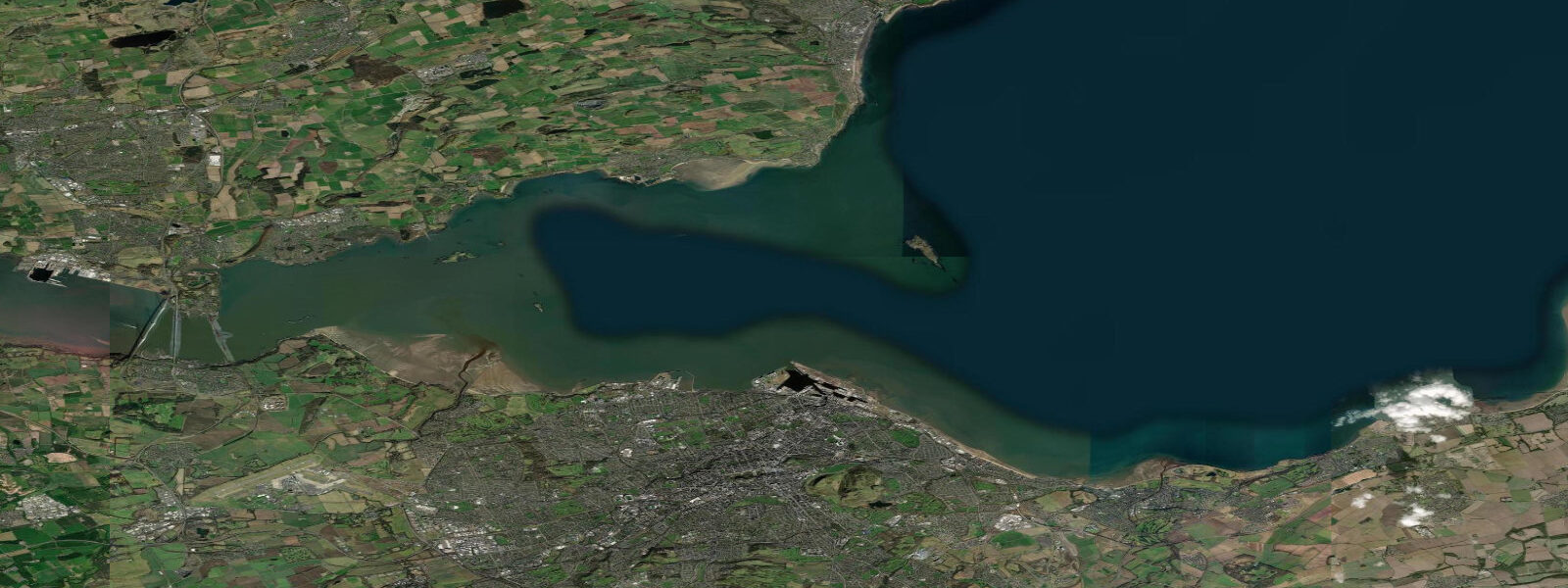
Leith (Edinburgh), Scotland tide times
Leith (Edinburgh), Scotland tide forecast — heights relative to MSL.
Today's tide times for Leith (Edinburgh), Scotland
Tide times at Leith (Edinburgh), Scotland on Sunday, 26 July 2026: first high tide at 01:00, first low tide at 06:36, second high tide at 12:52, second low tide at 19:00. Sunrise 05:03, sunset 21:33.
Tide chart for Leith (Edinburgh), Scotland
24-hour cosine-interpolated curve around the present moment. Heights relative to MSL. Predictions: Predictions: Open-Meteo Marine (MeteoFrance SMOC, 0.08° grid).
Sun, moon and conditions on Sun 26 Jul
Snapshot at build time — refreshes daily. Sea state from Open-Meteo Marine.
Highs and lows next 7 days
Every predicted high and low for the next week, with the daily tidal coefficient (0–120; higher = bigger swing, > 95 means stronger currents).
Other spots nearby
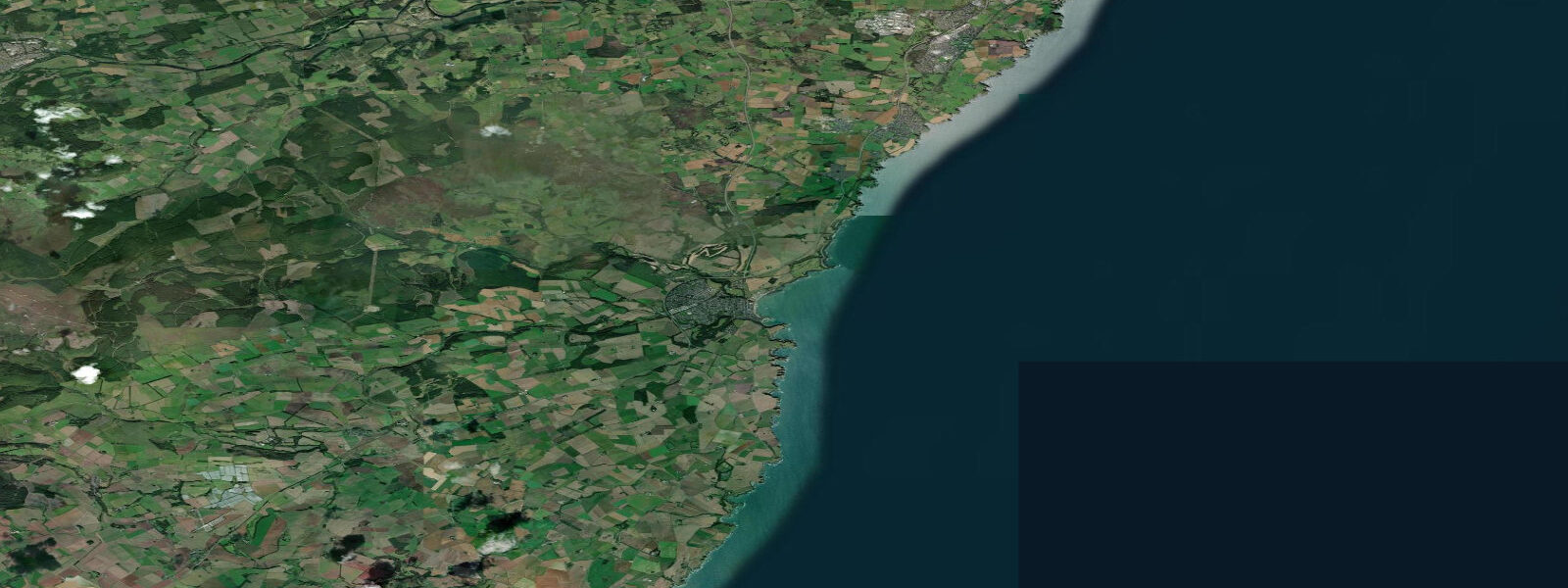
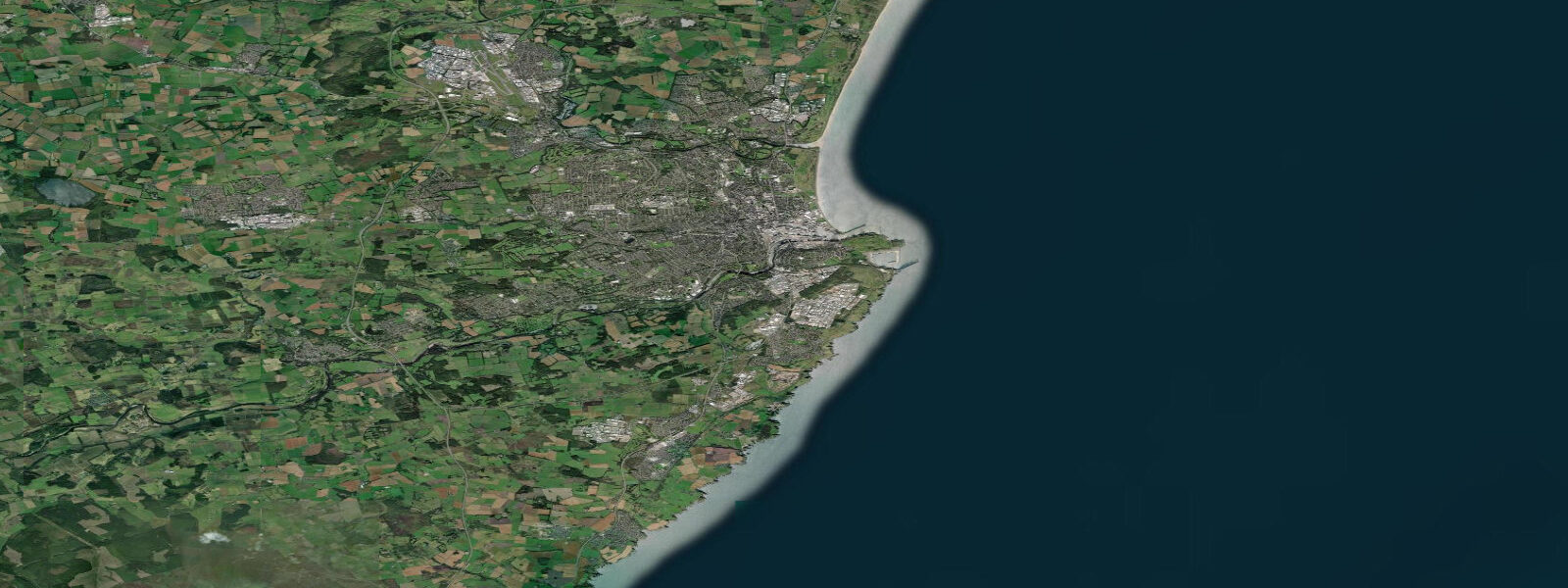
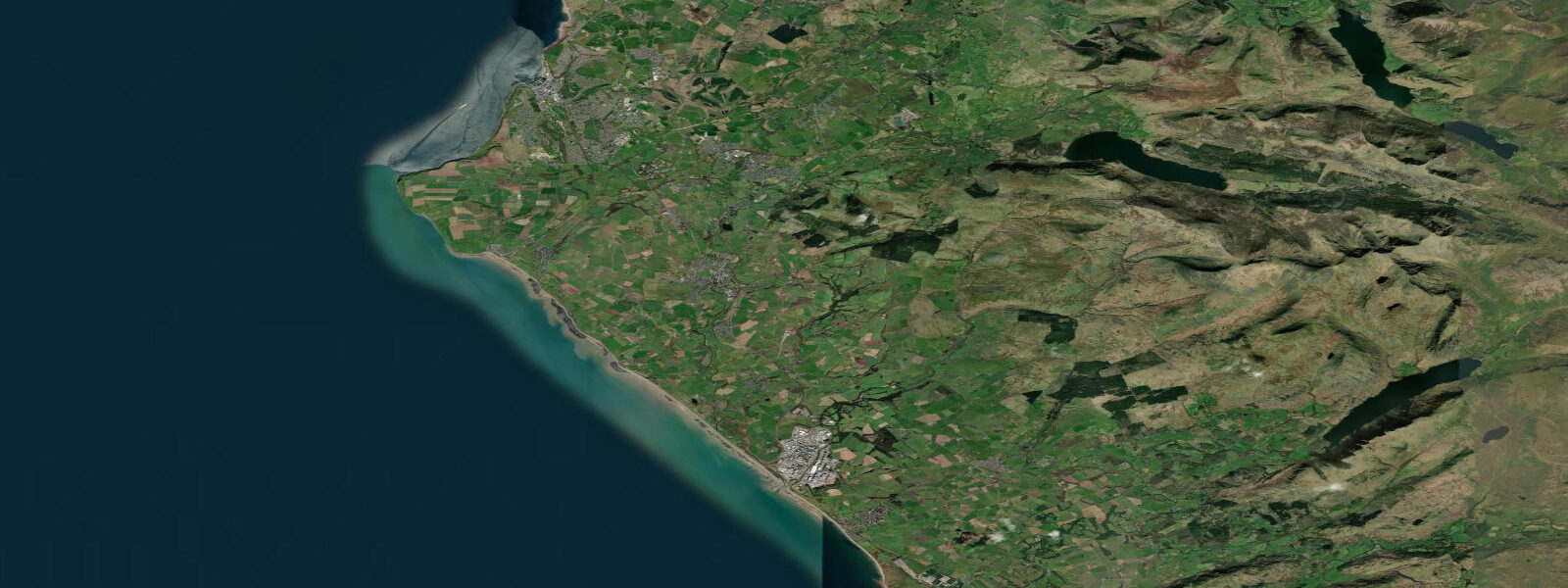
The three closest curated TideTurtle locations to Leith (Edinburgh), Scotland, measured by great-circle distance.
Today's solunar windows
Solunar tradition: major periods are the ≈3h windows around moon transit and opposition; minor are ≈2h around moonrise and moonset. Pair with the local tide stage and wind for the best read.
Cycle dates near Leith (Edinburgh), Scotland
Next spring tide on Sat 01 Aug (range 4.5m / 14.6ft). Last neap on Sun 26 Jul.
Spring tides cluster around new and full moons (biggest swings). Neap tides land on quarter moons (smallest swings). See the spring tide and neap tide glossary entries for the why.
About tides at Leith (Edinburgh), Scotland
A short guide to the coastline at Leith (Edinburgh), Scotland — geography, sea state, and what the tide is actually doing under your feet.
Leith is the working port of Edinburgh on the south shore of the Firth of Forth, opening east through the firth to the open North Sea past the Bass Rock and the Isle of May. The historical Leith Docks complex now mixes the Royal Yacht Britannia berth, the cruise terminal, and a working cargo and ferry trade with the redeveloped waterfront at the Shore. The tide here runs a moderate semidiurnal signal: cleanly two highs and two lows of comparable size each day, twelve and a half hours apart.
0 on neaps — substantially larger than the Thames Estuary or the southern North Sea coast and on the same scale as the eastern English coast. The Firth of Forth itself behaves as a tide amplifier as the open North Sea forcing propagates west through Berwick and Dunbar into the narrowing inner firth past the bridges and on to the upper firth at Alloa and Kincardine. High water at Stirling at the head of the firth lags Leith by about an hour.
The Firth of Forth Bridge crossing — the Forth Bridge railway, the Forth Road Bridge, and the Queensferry Crossing — sits at the narrowest point of the firth, where currents on the change of tide concentrate sharply. Beach walkers reading Portobello and Cramond for the wide-sand windows, sea kayakers crossing to Inchcolm Island, anglers working the Granton breakwater, and the working cargo pilots leaving Leith Docks each read the table for different windows. UK Hydrographic Office Admiralty TotalTide is the authoritative British tide product; Open-Meteo Marine drives the gridded predictions on this page.
North Sea storm surge in winter can lift levels 50 cm or more above predicted.
Tide questions about Leith (Edinburgh), Scotland
Quick answers to the most common questions about tide times, range, and water access at Leith (Edinburgh), Scotland.
When is the next high tide at Leith?
The hero block shows the next high tide at Leith in local UK time (GMT in winter, BST in summer). The 7-day table covers all the highs and lows. High water at Stirling at the head of the firth lags Leith by about an hour; at the firth mouth near North Berwick it leads by about half an hour.
What's the typical tide range at Leith?
Mean range at Leith is about 3.6 metres, climbing past 4.6 metres on spring tides around new and full moons and dropping near 2.0 metres on neaps. The pattern is cleanly semidiurnal — two highs and two lows of comparable size each day, twelve and a half hours apart. The Firth of Forth amplifies the open North Sea signal as it propagates west into the narrowing inner firth.
Where do these tide predictions come from?
Open-Meteo Marine, a gridded global ocean model. Useful for daily planning around the Forth and the eastern Scottish coast. For authoritative British tide data, the UK Hydrographic Office's Admiralty TotalTide product is the navigation-grade reference, and the National Tide and Sea Level Facility operates the Leith gauge as part of the Class A network.
Why does the tide get bigger going west into the Firth of Forth?
The Firth of Forth narrows progressively from its mouth at the open North Sea to its head at Stirling, and that funnel geometry amplifies the propagating tide. Open-coast forcing arrives at the firth mouth at North Berwick, propagates west under the bridges, and grows in height while the timing lags behind the open coast. High water at Stirling lags Leith by about an hour and the swing is slightly larger.
Is this safe to use for navigation?
No. For piloting in or out of Leith Docks, transiting the Forth bridges, or working the open Scottish east coast use UKHO Admiralty charts and TotalTide predictions, Forth Ports' pilotage guidance, and the Aberdeen Coastguard's notices to mariners. Currents at the Forth Bridge narrows are working-hazardous on the change of tide; North Sea storm surge in winter can override the harmonic signal.
7-day tide table — Leith (Edinburgh), Scotland
Heights relative to MSL. Predictions: Open-Meteo Marine (MeteoFrance SMOC, 0.08° grid) — heights relative to MSL (not chart datum / LAT). Model-derived.
| Day | Type | Time | Height |
|---|---|---|---|
| Sun 26 Jul | High | 01:00 | 1.0m / 3.1ft |
| Low | 06:36 | -1.5m / -4.9ft | |
| High | 12:52 | 1.2m / 3.8ft | |
| Low | 19:00 | -1.4m / -4.5ft | |
| Mon 27 Jul | High | 01:10 | 1.2m / 4.1ft |
| Low | 07:31 | -1.8m / -6.0ft | |
| High | 13:40 | 1.1m / 3.7ft | |
| Low | 19:48 | -1.8m / -5.8ft | |
| Tue 28 Jul | High | 01:59 | 1.4m / 4.5ft |
| Low | 08:11 | -2.0m / -6.7ft | |
| High | 14:24 | 1.3m / 4.2ft | |
| Low | 20:25 | -1.8m / -6.0ft | |
| Wed 29 Jul | High | 02:39 | 1.6m / 5.4ft |
| Low | 08:52 | -2.2m / -7.4ft | |
| High | 15:05 | 1.4m / 4.7ft | |
| Low | 21:02 | -1.9m / -6.3ft | |
| Thu 30 Jul | High | 03:13 | 1.8m / 5.8ft |
| Low | 09:28 | -2.4m / -8.0ft | |
| High | 15:44 | 1.5m / 4.9ft | |
| Low | 21:34 | -2.1m / -6.8ft | |
| Fri 31 Jul | High | 03:53 | 1.8m / 6.0ft |
| Low | 10:00 | -2.6m / -8.4ft | |
| High | 16:21 | 1.4m / 4.7ft | |
| Low | 22:00 | -2.2m / -7.1ft | |
| Sat 01 Aug | High | 04:30 | 1.8m / 5.9ft |
| Low | 10:32 | -2.7m / -8.7ft | |
| High | 16:56 | 1.4m / 4.7ft | |
| Low | 22:31 | -2.2m / -7.3ft |