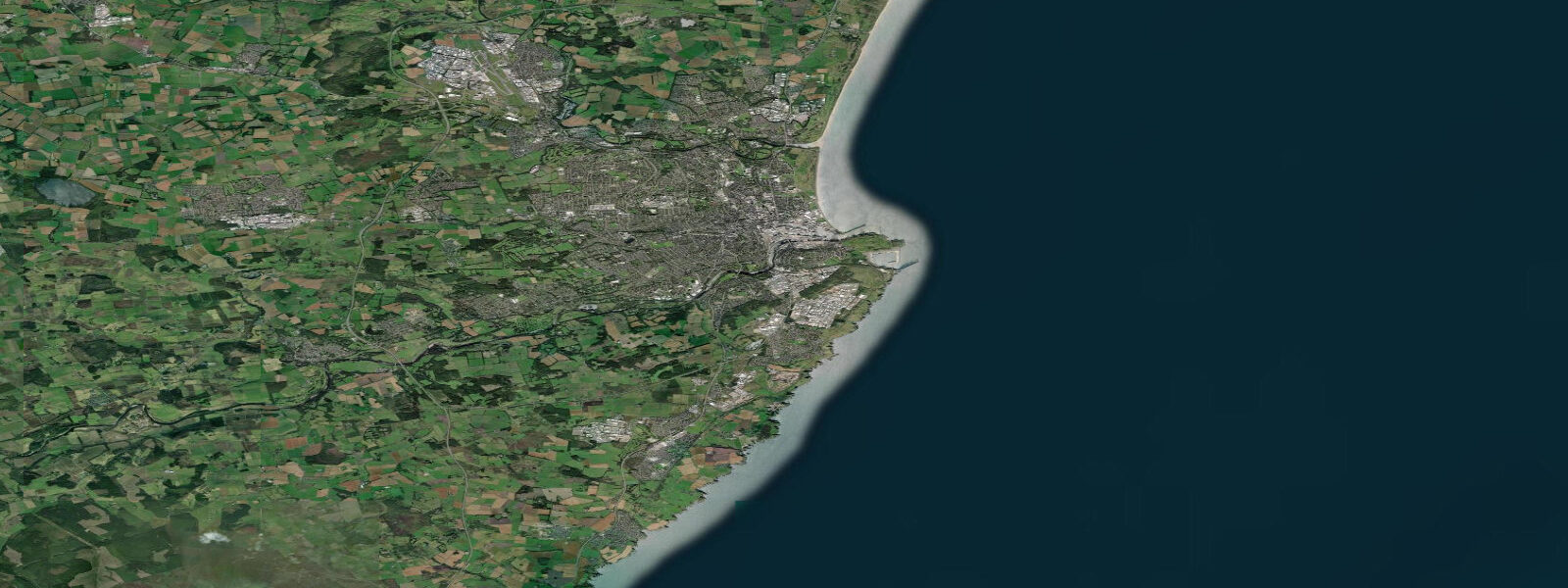
Aberdeen, Scotland tide times
Aberdeen, Scotland tide forecast — heights relative to MSL.
Today's tide times for Aberdeen, Scotland
Tide times at Aberdeen, Scotland on Sunday, 26 July 2026: first high tide at 01:00, first low tide at 05:37, second high tide at 11:56, second low tide at 18:00. Sunrise 04:52, sunset 21:35.
Tide chart for Aberdeen, Scotland
24-hour cosine-interpolated curve around the present moment. Heights relative to MSL. Predictions: Predictions: Open-Meteo Marine (MeteoFrance SMOC, 0.08° grid).
Sun, moon and conditions on Sun 26 Jul
Snapshot at build time — refreshes daily. Sea state from Open-Meteo Marine.
Highs and lows next 7 days
Every predicted high and low for the next week, with the daily tidal coefficient (0–120; higher = bigger swing, > 95 means stronger currents).
Other spots nearby
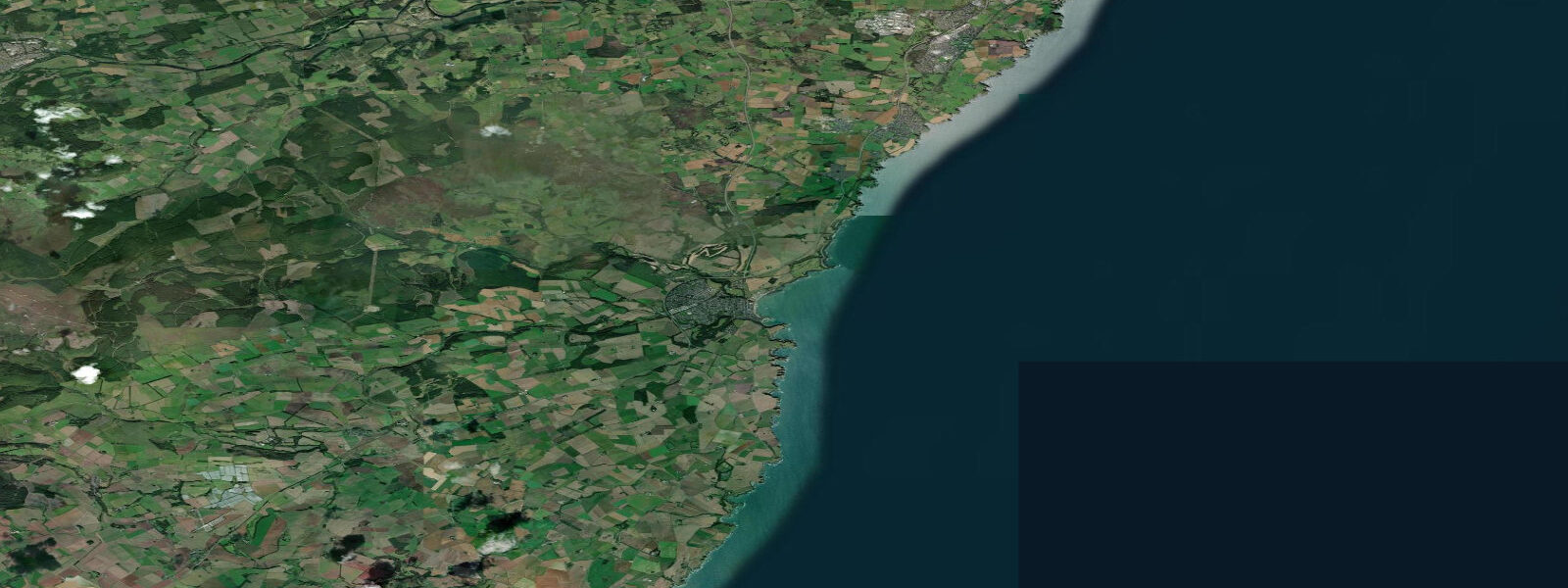
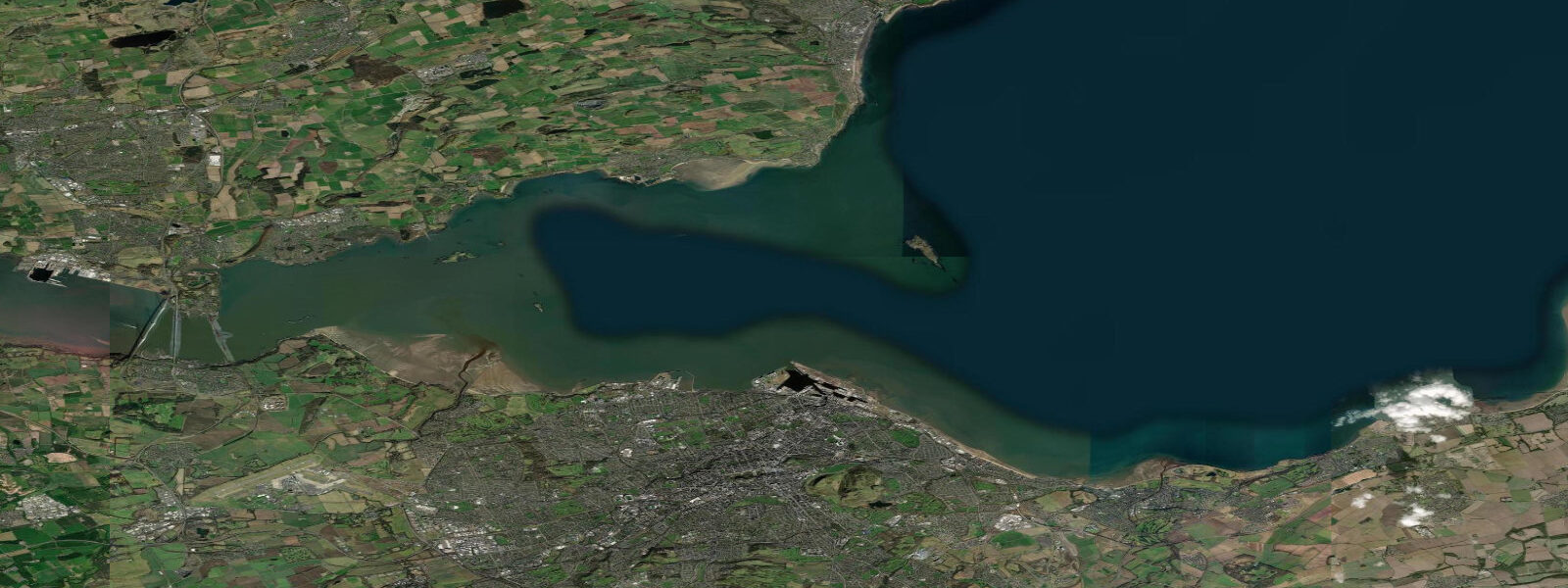
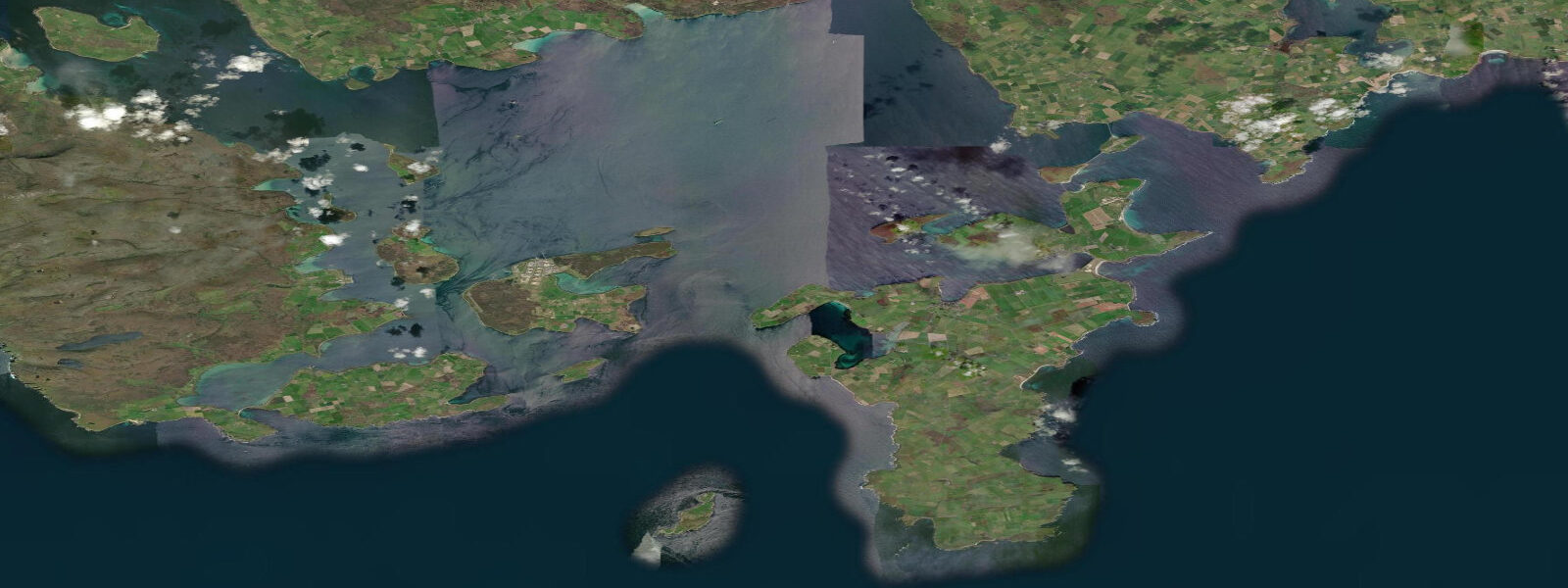
The three closest curated TideTurtle locations to Aberdeen, Scotland, measured by great-circle distance.
Today's solunar windows
Solunar tradition: major periods are the ≈3h windows around moon transit and opposition; minor are ≈2h around moonrise and moonset. Pair with the local tide stage and wind for the best read.
Cycle dates near Aberdeen, Scotland
Next spring tide on Sat 01 Aug (range 3.6m / 11.7ft). Last neap on Sun 26 Jul.
Spring tides cluster around new and full moons (biggest swings). Neap tides land on quarter moons (smallest swings). See the spring tide and neap tide glossary entries for the why.
About tides at Aberdeen, Scotland
A short guide to the coastline at Aberdeen, Scotland — geography, sea state, and what the tide is actually doing under your feet.
Aberdeen sits on the North Sea coast of north-east Scotland between the Dee and the Don river estuaries, the granite city built almost entirely from the locally quarried Rubislaw stone that gives the streets their distinctive silver-grey colour even on overcast days. The working harbour at the Dee estuary mouth is the largest port serving the North Sea offshore oil and gas industry and the headquarters of the European supply-base operations for the East Shetland Basin, the Forties, and the Brent fields. 0 on neaps.
Two highs and two lows of comparable size about twelve and a half hours apart. The amplitude is larger than Leith on the Firth of Forth (where the funnel geometry concentrates the signal further south on the same coast) but smaller than the macrotidal English Channel and Bristol Channel coasts on the southern UK. The Dee estuary mouth dries to bare sand and rock at the lowest spring lows, and the harbour-master schedules dredged-channel access around the tide for the larger offshore-supply vessels.
The defining modern industry is the offshore energy economy. Aberdeen has been the European oil capital since the early 1970s when commercial extraction began in the central and northern North Sea, and the airport at Dyce handles more helicopter movements per year than almost any other in the world (largest single source: the offshore platform shift-change traffic). 4-megawatt turbines installed in 2018 as the first deployment of MHI Vestas V164 prototypes).
The defining cultural feature is the Aberdeen FC fan culture and the Pittodrie ground on the seafront just north of the harbour, with the team's 1983 European Cup Winners' Cup final victory over Real Madrid in Gothenburg one of the great Scottish football moments. The Footdee fishing village (locally Fittie) at the harbour mouth, the long sand corridor at Aberdeen Beach and Balmedie north of the Don estuary, the historic Old Aberdeen with King's College and St Machar's Cathedral, and the cliff-and-castle coast at Dunnottar an hour south all read the table for different windows. UK Hydrographic Office Admiralty TotalTide is the authoritative British tide product; Open-Meteo Marine drives the gridded predictions on this page.
Tide questions about Aberdeen, Scotland
Quick answers to the most common questions about tide times, range, and water access at Aberdeen, Scotland.
When is the next high tide at Aberdeen?
The hero block shows the next high tide at the Aberdeen harbour gauge in local British time (GMT/BST with DST). The 7-day table covers all daily highs and lows. The Dee estuary mouth dries to bare sand and rock at the lowest spring lows, and the harbour-master schedules dredged-channel access around the tide.
What's the typical tide range at Aberdeen?
Mean range at the Aberdeen harbour gauge is about 3.7 metres — a moderate North Sea semidiurnal signal. Spring tides push close to 4.5 metres and neaps drop near 2.0. The amplitude is larger than Leith on the Firth of Forth where the funnel geometry concentrates the same signal further south, but smaller than the macrotidal English Channel and Bristol Channel coasts on the southern UK.
Where do these tide predictions come from?
Open-Meteo Marine, a gridded global ocean model. Useful for planning Aberdeen Beach and Balmedie walks, Dee estuary photography windows, the Footdee fishing-village sessions, and the Dunnottar cliff-coast day-trips an hour south. For authoritative British tide data, UK Hydrographic Office Admiralty TotalTide is the reference product and the Aberdeen reference gauge feeds the network.
How does the offshore oil and gas industry shape the working coast?
Aberdeen has been the European oil capital since the early 1970s when commercial extraction began in the central and northern North Sea. The harbour is the largest port serving the offshore industry and the airport at Dyce handles more helicopter movements per year than almost any other in the world — largely the platform shift-change traffic to the East Shetland Basin, the Forties, and the Brent fields. The city pivoted hard into offshore wind through the 2010s with the Aberdeen Bay Wind Farm visible from the beach corridor (eleven 8.4-megawatt turbines installed in 2018 as the first deployment of MHI Vestas V164 prototypes).
Is this safe to use for navigation?
No. For piloting in or out of the Aberdeen harbour, transiting the Dee estuary dredged channel, or any North Sea offshore-supply route use UK Hydrographic Office Admiralty TotalTide authoritative tide tables, the Aberdeen Harbour Board pilotage guidance, and the Met Office Inshore Waters Forecast for the Forties and Cromarty sea areas. North Sea storm surge in autumn and winter can lift levels well above predicted.
8-day tide table — Aberdeen, Scotland
Heights relative to MSL. Predictions: Open-Meteo Marine (MeteoFrance SMOC, 0.08° grid) — heights relative to MSL (not chart datum / LAT). Model-derived.
| Day | Type | Time | Height |
|---|---|---|---|
| Sun 26 Jul | High | 01:00 | 0.5m / 1.5ft |
| Low | 05:37 | -1.2m / -3.9ft | |
| High | 11:56 | 0.8m / 2.6ft | |
| Low | 18:00 | -1.1m / -3.5ft | |
| Mon 27 Jul | High | 00:09 | 0.9m / 2.8ft |
| Low | 18:44 | -1.4m / -4.5ft | |
| Tue 28 Jul | High | 01:00 | 0.9m / 3.1ft |
| Low | 07:11 | -1.6m / -5.3ft | |
| High | 13:26 | 0.9m / 2.8ft | |
| Low | 19:20 | -1.4m / -4.7ft | |
| Wed 29 Jul | High | 01:35 | 1.2m / 3.9ft |
| Low | 07:51 | -1.8m / -5.8ft | |
| High | 14:05 | 1.0m / 3.2ft | |
| Low | 19:56 | -1.5m / -5.0ft | |
| Thu 30 Jul | High | 02:10 | 1.3m / 4.3ft |
| Low | 08:25 | -1.9m / -6.3ft | |
| Fri 31 Jul | High | 02:44 | 1.4m / 4.5ft |
| Low | 08:59 | -2.0m / -6.7ft | |
| High | 15:14 | 1.1m / 3.4ft | |
| Low | 21:00 | -1.7m / -5.7ft | |
| Sat 01 Aug | High | 03:15 | 1.4m / 4.6ft |
| Low | 09:31 | -2.2m / -7.1ft | |
| High | 15:50 | 1.0m / 3.4ft | |
| Low | 21:34 | -1.8m / -5.9ft | |
| Sun 02 Aug | High | 00:00 | -0.7m / -2.3ft |