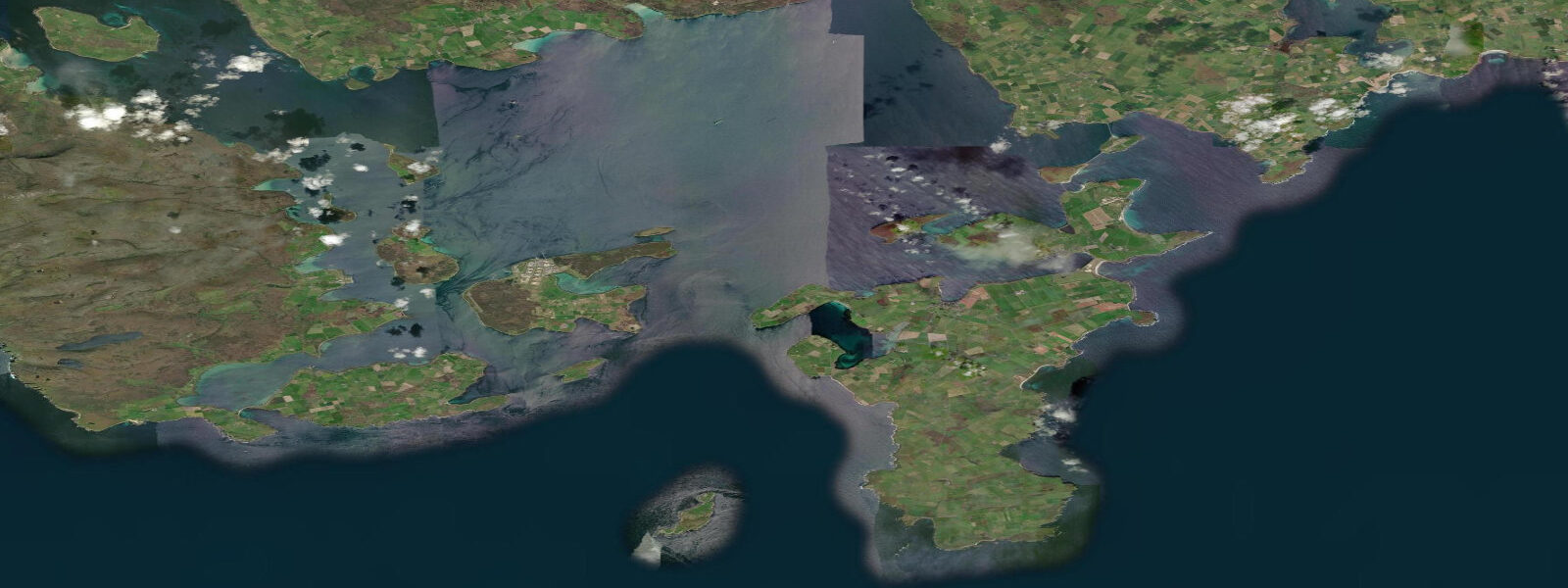
South Ronaldsay tide times
South Ronaldsay tide forecast — heights relative to MSL.
Today's tide times for South Ronaldsay
Tide times at South Ronaldsay on Tuesday, 4 August 2026: first low tide at 07:48, first high tide at 14:50, second low tide at 19:45. Sunrise 05:04, sunset 21:29.
Tide chart for South Ronaldsay
24-hour cosine-interpolated curve around the present moment. Heights relative to MSL. Predictions: Predictions: Open-Meteo Marine (MeteoFrance SMOC, 0.08° grid).
Sun, moon and conditions on Tue 04 Aug
Snapshot at build time — refreshes daily. Sea state from Open-Meteo Marine.
Highs and lows next 7 days
Every predicted high and low for the next week, with the daily tidal coefficient (0–120; higher = bigger swing, > 95 means stronger currents).
Other spots nearby
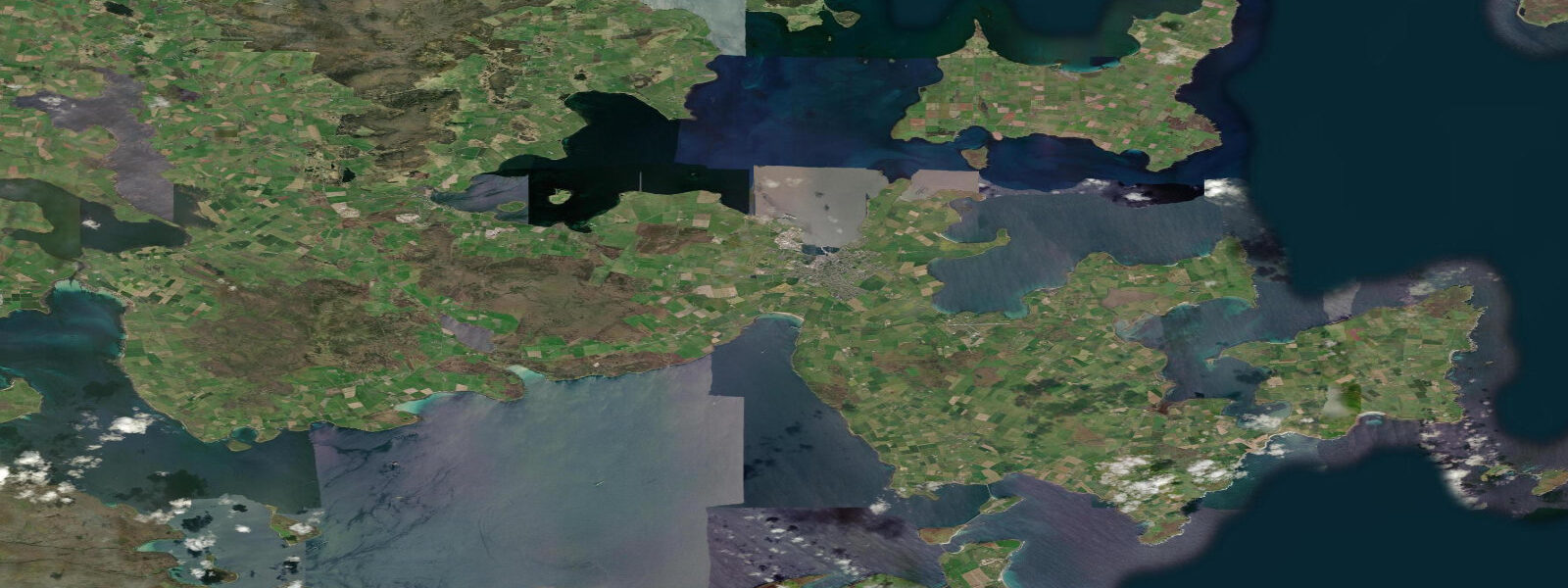
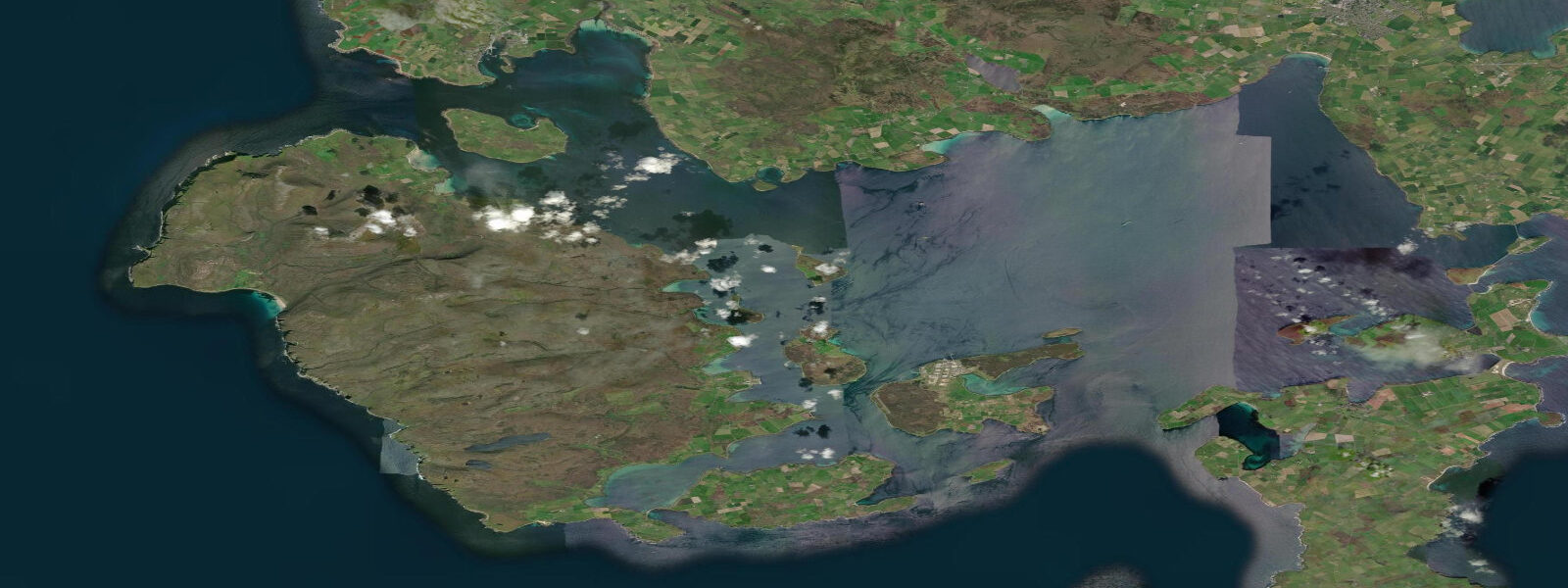
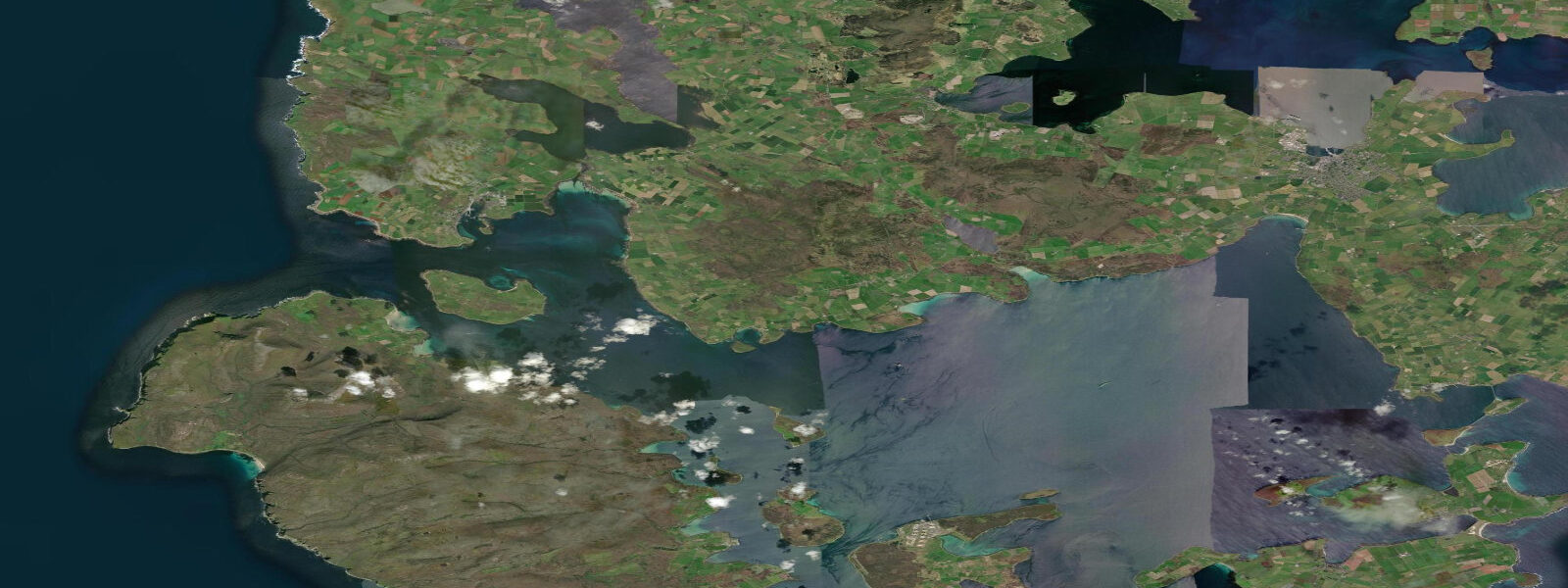
The three closest curated TideTurtle locations to South Ronaldsay, measured by great-circle distance.
Today's solunar windows
Solunar tradition: major periods are the ≈3h windows around moon transit and opposition; minor are ≈2h around moonrise and moonset. Pair with the local tide stage and wind for the best read.
Cycle dates near South Ronaldsay
Next spring tide on Wed 05 Aug (range 1.6m / 5.4ft). Next neap on Fri 07 Aug.
Spring tides cluster around new and full moons (biggest swings). Neap tides land on quarter moons (smallest swings). See the spring tide and neap tide glossary entries for the why.
About tides at South Ronaldsay
A short guide to the coastline at South Ronaldsay — geography, sea state, and what the tide is actually doing under your feet.
South Ronaldsay is the southernmost of the main Orkney islands, connected to the Mainland by the Churchill Barriers — four concrete causeways built during the Second World War to block the eastern approaches to Scapa Flow after a German submarine entered through Kirk Sound in October 1939 and sank the battleship HMS Royal Oak with the loss of 833 men. The Barriers were constructed largely by Italian prisoners of war, who also built the Italian Chapel on Lamb Holm — a Nissen hut transformed into a decorated chapel that still stands and still functions. The spring tidal range at South Ronaldsay is 3.2 metres above Chart Datum; the waters around the Barriers are complex and run with strong streams through the gaps between the islands.
Burwick at the southern tip is the closest point on Orkney to the Scottish mainland, with the Pentland Firth 12 kilometres wide at this narrowing. The tidal flow through the Pentland Firth approaches off Burwick runs at 10 to 12 knots at springs, making these waters among the most dangerous for small craft in the UK. Hoxa Head on the western side of the island overlooks the main southern entrance to Scapa Flow — the deep-water passage through which the Grand Fleet moved and from which it sortied for the Battle of Jutland in 1916. Views from Hoxa Head take in the full expanse of Scapa Flow, the cliffs of Hoy, and on clear days the Caithness coast of the Scottish mainland.
The Italian Chapel on Lamb Holm, the first island crossed on the road south from Kirkwall, is one of Orkney's most visited sites. The interior was decorated by POW artist Domenico Chiocchetti and fellow prisoners using paint, concrete, and salvaged materials; the trompe l'oeil brickwork and ironwork are meticulous enough that first-time visitors often reach out to touch what appears to be carved stone and find painted plasterboard. Chiocchetti returned in 1960 and again in 1964 to help restore the work. The chapel is a functioning Catholic place of worship, open daily, with no admission charge.
The east coast of South Ronaldsay faces the North Sea and has sandy beaches accessible at low water. St Margaret's Hope, the main village, sits on a sheltered bay on the northwest side facing into Scapa Flow. The village has a small harbour with a regular ferry connection to Houton on the Mainland and a handful of restaurants and accommodation options. The Hope — the Old Norse word for a small sheltered bay — is calm at all states of tide; swimming is possible here in summer when water temperatures in Scapa Flow reach 13 to 14 degrees Celsius.
Fishing from South Ronaldsay centres on the eastern beaches and the rock marks at Burwick. The Sand of Wright on the northeast coast produces flatfish — plaice and flounder — in the shallow sandy shallows on the incoming tide. Bass are present around the Pentland Firth approaches in summer; Coalfish and pollock are the more consistent catches from the rocky southern shoreline on lures. The deep water of Hoxa Sound is boat-fishing territory for cod and ling in autumn and winter.
The concrete blockships deliberately sunk to narrow the channels before the Barriers were built stand clear at low water near Churchill Barrier No. 1, rusting dramatically against the Scapa Flow backdrop. The combination of the blockships, the causeway, the Orkney sky, and the water in different light conditions makes this one of the more compelling photographic subjects in the north of Scotland.
Tidal predictions here use the Open-Meteo Marine gridded model (±45 minutes on timing, ±0.3 m on height). Not for navigation.
Tide questions about South Ronaldsay
Quick answers to the most common questions about tide times, range, and water access at South Ronaldsay.
What are the Churchill Barriers and why were they built?
The Churchill Barriers are four concrete causeways connecting the Orkney Mainland to the islands of Lamb Holm, Glimps Holm, Burray, and South Ronaldsay. They were built between 1940 and 1945 on Winston Churchill's orders after a German U-boat (U-47) penetrated the eastern approaches to Scapa Flow through Kirk Sound in October 1939 and sank HMS Royal Oak. The Barriers blocked the eastern channels permanently. Italian prisoners of war provided much of the labour. Today they carry the A961 road and are the main route to South Ronaldsay. Concrete blockships sunk to restrict the channels during construction are still visible at low water.
What is the tidal range and current situation around South Ronaldsay?
Mean spring tidal range at South Ronaldsay is 3.2 metres above Chart Datum. The waters around the Churchill Barriers are tidally complex — the Barriers themselves partially restrict the natural flow through the eastern sounds, and streams run through the remaining gaps between the islands at 2 to 3 knots at springs. The Pentland Firth approaches off Burwick at the southern tip of the island have streams of 10 to 12 knots at springs and represent genuinely hazardous water for small craft. Hoxa Sound, the main western entrance to Scapa Flow past Hoxa Head, runs at 4 knots at springs.
What can I see at the Italian Chapel?
The Italian Chapel on Lamb Holm is a Nissen hut decorated by Italian POW artist Domenico Chiocchetti and fellow prisoners during the war. The interior features trompe l'oeil brickwork and stonework painted with such precision that it appears three-dimensional; the altar and rood screen are fabricated from salvaged concrete and scrap metal finished to resemble carved stone and wrought iron. Chiocchetti returned in 1960 and again in 1964 to help restore the chapel. It is a functioning Catholic chapel, open daily, with no admission charge. The chapel is on the left side of the road as you cross from the Mainland toward South Ronaldsay.
Is there good swimming or beach access on South Ronaldsay?
St Margaret's Hope bay on the northwest side of the island is the most sheltered swimming location, facing into Scapa Flow with minimal swell exposure. Water temperatures reach 13 to 14 degrees Celsius in July and August. The bay is calm in most wind directions except southerlies. The Sand of Wright beach on the northeast coast is a sandy bay facing the North Sea, exposed to east and northeast winds; good for beach walking at low water when the sandy flats extend. Neither beach has lifeguard cover. The Hope village has a public slipway suitable for launching sea kayaks.
What fishing is available on South Ronaldsay?
The Sand of Wright on the northeast coast is a sandy beach mark that produces plaice and flounder in the shallow water on the incoming tide from spring through autumn. Ragworm and lugworm on a running leger are the standard approach. The southern rocky shoreline around Burwick and Windwick Bay produces coalfish, pollock, and wrasse from the kelp-covered rock. Bass are recorded in the Pentland Firth approaches in summer but this is at the extreme northern edge of their range. The deep water of Hoxa Sound is boat-fishing territory for cod, ling, and haddock in autumn and winter.
8-day tide table — South Ronaldsay
Heights relative to MSL. Predictions: Open-Meteo Marine (MeteoFrance SMOC, 0.08° grid) — heights relative to MSL (not chart datum / LAT). Model-derived.
| Day | Type | Time | Height |
|---|---|---|---|
| Tue 04 Aug | Low | 07:48 | -1.4m / -4.5ft |
| High | 14:50 | 0.3m / 0.8ft | |
| Low | 19:45 | -1.0m / -3.2ft | |
| Wed 05 Aug | High | 02:06 | 0.4m / 1.4ft |
| Low | 08:27 | -1.2m / -4.0ft | |
| High | 15:40 | 0.2m / 0.6ft | |
| Thu 06 Aug | Low | 09:22 | -1.2m / -3.8ft |
| High | 17:00 | 0.1m / 0.2ft | |
| Low | 21:37 | -0.9m / -2.9ft | |
| Fri 07 Aug | High | 18:25 | 0.2m / 0.7ft |
| Low | 23:12 | -0.7m / -2.4ft | |
| Sat 08 Aug | High | 06:51 | 0.4m / 1.2ft |
| Low | 12:03 | -0.7m / -2.3ft | |
| High | 19:31 | 0.5m / 1.7ft | |
| Sun 09 Aug | Low | 00:48 | -0.7m / -2.3ft |
| High | 07:57 | 0.6m / 2.0ft | |
| Low | 13:26 | -0.7m / -2.4ft | |
| High | 20:23 | 0.6m / 2.1ft | |
| Mon 10 Aug | Low | 02:01 | -1.0m / -3.3ft |
| High | 08:57 | 0.7m / 2.2ft | |
| Low | 14:27 | -0.9m / -3.1ft | |
| High | 21:12 | 0.7m / 2.4ft | |
| Tue 11 Aug | Low | 00:00 | -0.5m / -1.6ft |