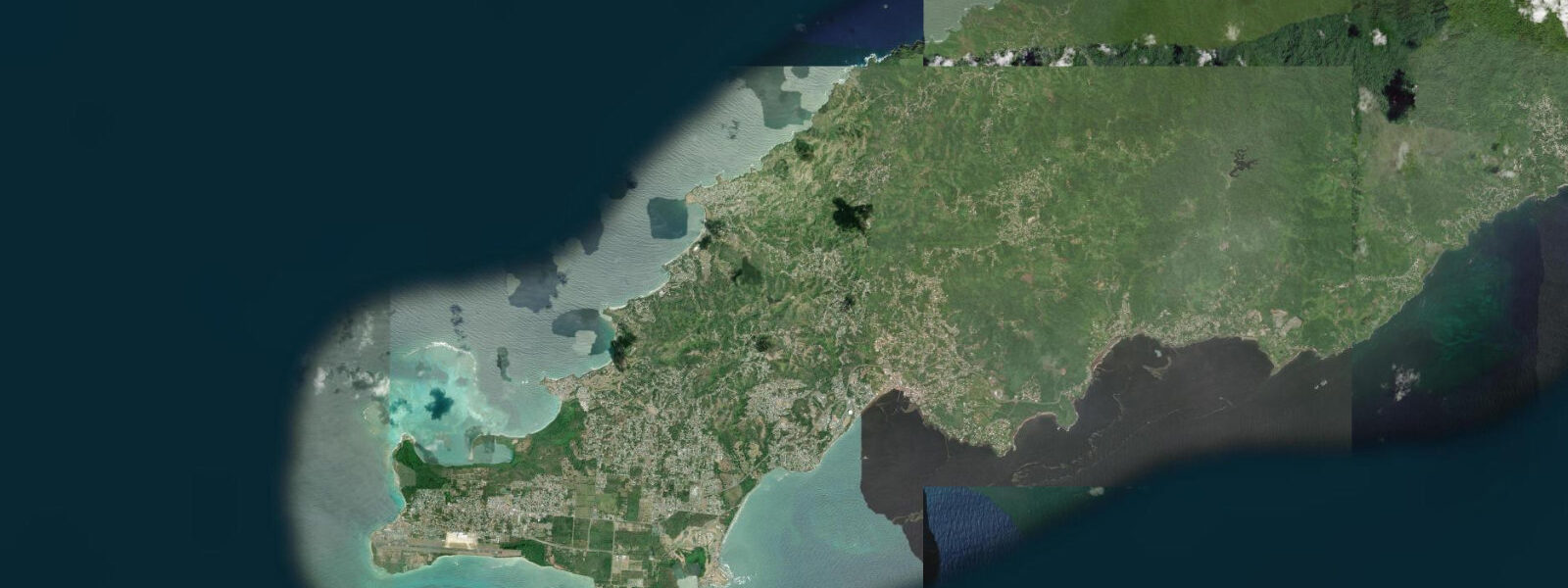
Pigeon Point, Tobago tide times
Pigeon Point, Tobago tide forecast — heights relative to MSL.
Today's tide times for Pigeon Point, Tobago
Tide times at Pigeon Point, Tobago on Tuesday, 4 August 2026: first low tide at 12:22am, first high tide at 06:21am, second low tide at 12:20pm, second high tide at 06:38pm. Sunrise 05:51am, sunset 06:26pm.
Tide chart for Pigeon Point, Tobago
24-hour cosine-interpolated curve around the present moment. Heights relative to MSL. Predictions: Predictions: Open-Meteo Marine (MeteoFrance SMOC, 0.08° grid).
Sun, moon and conditions on Tue 04 Aug
Snapshot at build time — refreshes daily. Sea state from Open-Meteo Marine.
Highs and lows next 7 days
Every predicted high and low for the next week, with the daily tidal coefficient (0–120; higher = bigger swing, > 95 means stronger currents).
Other spots nearby
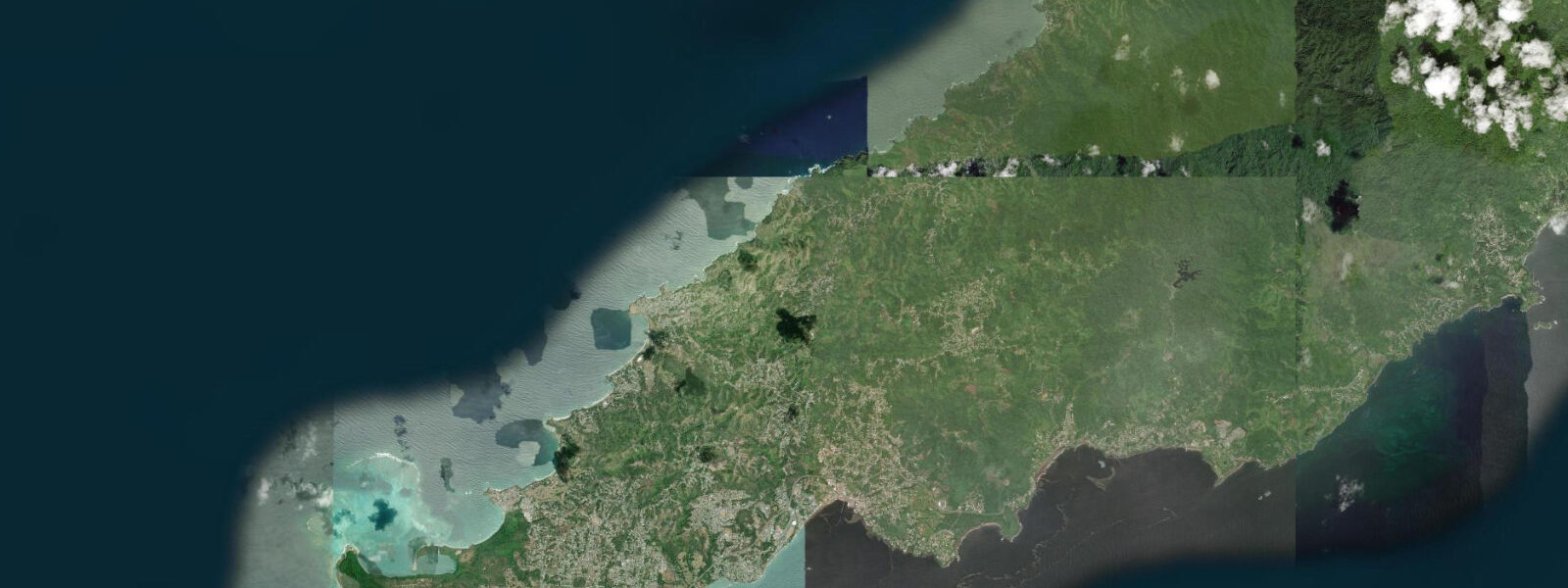
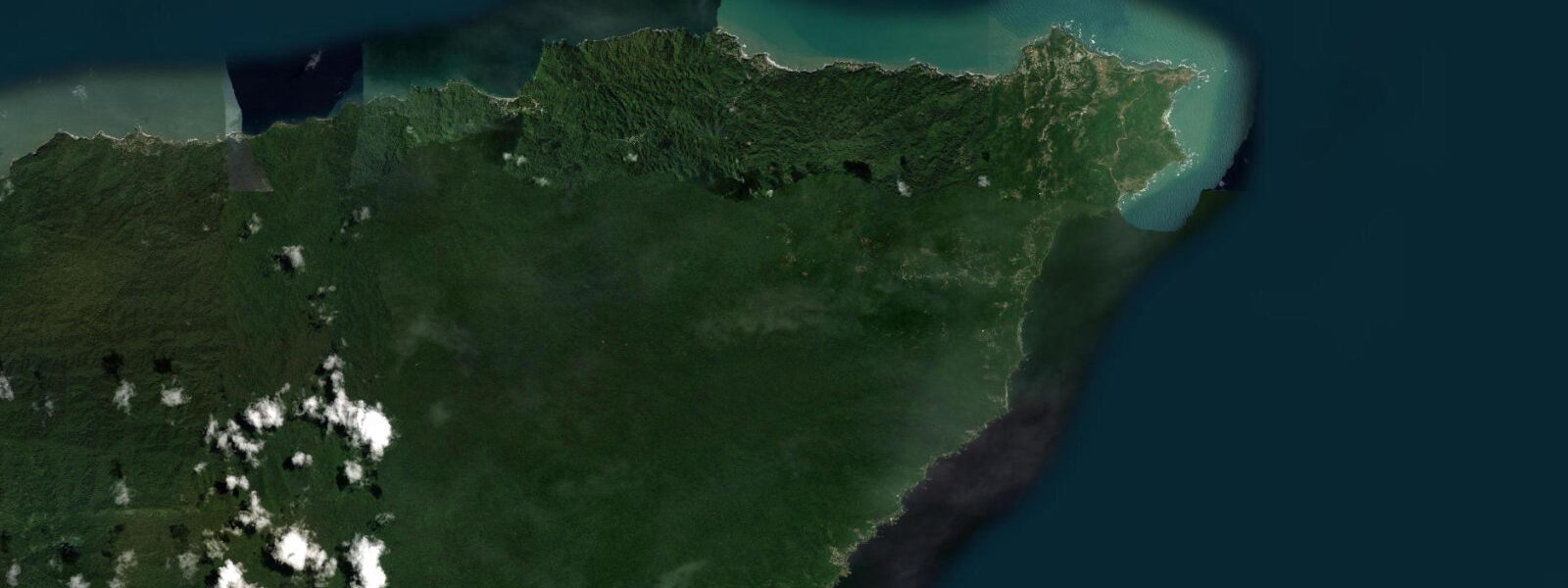
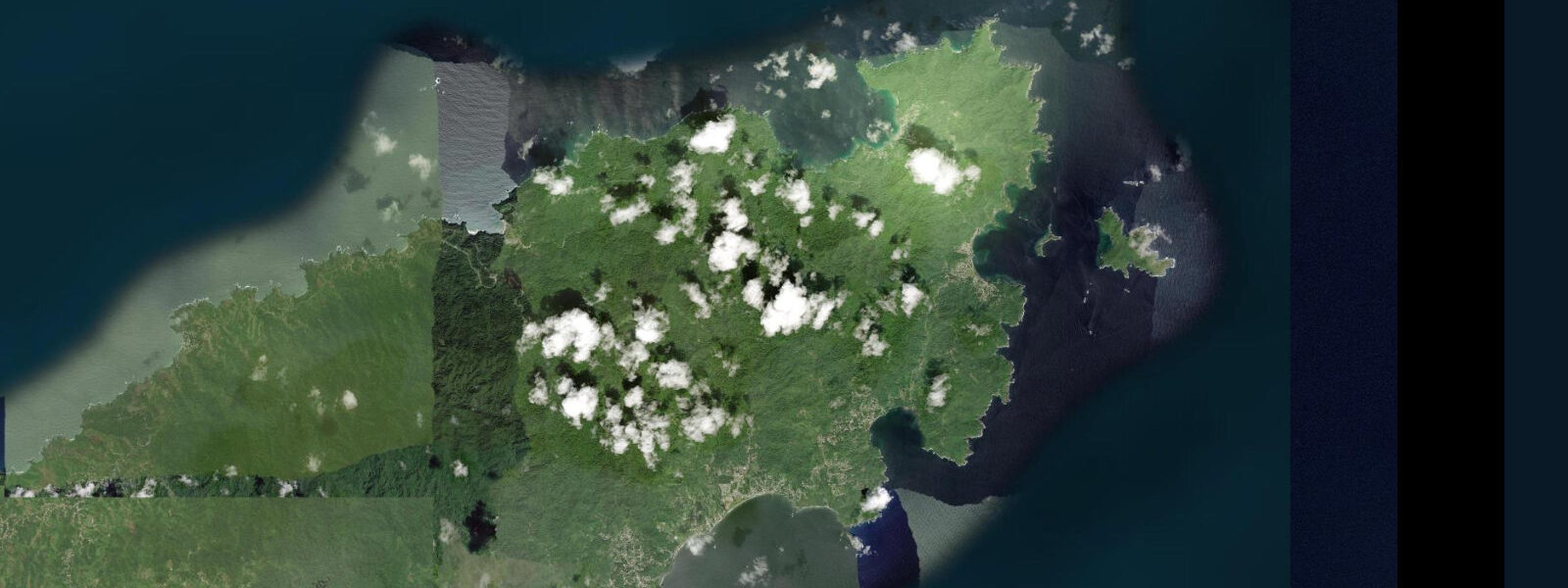
The three closest curated TideTurtle locations to Pigeon Point, Tobago, measured by great-circle distance.
Today's solunar windows
Solunar tradition: major periods are the ≈3h windows around moon transit and opposition; minor are ≈2h around moonrise and moonset. Pair with the local tide stage and wind for the best read.
About tides at Pigeon Point, Tobago
A short guide to the coastline at Pigeon Point, Tobago — geography, sea state, and what the tide is actually doing under your feet.
Pigeon Point is in the southwest corner of Tobago, a spit of land that extends into the calm water between the main island and the outer reef line, and it is the most photographed beach in Trinidad and Tobago. The image that has appeared in Caribbean promotional material since the 1970s — the thatched-roof jetty extending into turquoise shallow water, the palm-lined white sand in the foreground — is Pigeon Point Heritage Park. 5 metres depth across most of its extent at low tide, which suits families, snorkellers working the reef edge, and glass-bottom boat operators running the short tour to the outer reef.
Buccoo Reef, the most accessible and most visited snorkel site in Tobago, sits 2 km offshore from Pigeon Point and is reached by glass-bottom boat from the jetty. The reef has suffered bleaching pressure over several decades of warming sea temperatures and visitor impact, but the coral coverage is recovering in patches; parrotfish, sergeant majors, and the occasional turtle are reliable sightings. 0 metres depth and is the location of the traditional stand-in-the-sea-on-a-sandbar photo.
The depth of the Nylon Pool varies noticeably with the tide — on a spring low the sandbar can be barely ankle-deep; on a spring high it submerges to thigh depth. 6 metres. Inside the Pigeon Point lagoon the tide effect is primarily a depth variation over the sandy bottom; the beach width changes by 10 to 15 metres between spring high and spring low.
The reef edge to the west of the lagoon is more exposed, and the snorkelling depth on the outer face drops at low tide, putting the shallowest coral heads at less than a metre. Snorkelling visits to the outer Buccoo Reef face are generally planned for mid-tide rising or higher. The heritage park admission fee covers beach access and use of the facilities; the thatched jetty and the beach chairs along the main strand are included.
Kayak rentals and paddleboard hire are available at the park entrance. 3 metres on height.
Tide questions about Pigeon Point, Tobago
Quick answers to the most common questions about tide times, range, and water access at Pigeon Point, Tobago.
What is the Nylon Pool and how do I get there?
The Nylon Pool is a naturally occurring shallow sandbar in the open water between Pigeon Point and Buccoo Reef, approximately 2 km from shore. It sits at 0.5 to 1.0 metres depth depending on the tide — ankle-deep on a spring low, thigh-deep on a spring high. Glass-bottom boat tours run from the Pigeon Point jetty throughout the morning; the standard trip combines a pass over Buccoo Reef for the glass-bottom view with a stop at the Nylon Pool for the stand-in-the-sea experience. Boats typically depart every 30 to 60 minutes from about 09:00. The best snorkelling visibility at the reef is in the morning before the trade builds.
What is the state of Buccoo Reef?
Buccoo Reef has experienced repeated bleaching events over the past three decades as sea surface temperatures have risen in the southeastern Caribbean. The coral coverage is patchy — some sections have recovered well, particularly in the deeper zones around 5 to 8 metres that are less susceptible to thermal stress, while the shallowest areas remain sparse. Fish life is healthy; the parrotfish population has been recovering since glass-bottom boat access was regulated and anchor damage reduced. The reef is still a worthwhile snorkel site, with genuine coral coverage on the outer western face.
What is the tide range at Pigeon Point?
Mixed semidiurnal, spring range roughly 0.4 to 0.6 metres. Inside the Pigeon Point lagoon the depth over the sandy bottom changes by the full tidal range between high and low; on a spring low the lagoon shallows to under a metre across most of its extent. The beach width changes by 10 to 15 metres. At the Nylon Pool sandbar 2 km offshore, the same tidal range makes the difference between an ankle-deep and a thigh-deep wading experience.
Where do the tide predictions for Pigeon Point come from?
Open-Meteo Marine, a free gridded global ocean model. Accuracy is typically within plus or minus 45 minutes on timing and 0.2 to 0.3 metres on height. For Trinidad and Tobago, the Trinidad and Tobago Hydrological Division and the Institute of Marine Affairs publish coastal and marine data for the territory. The nearest authoritative tide reference for Tobago is the Scarborough harbour gauge on the island's southwest coast, running on a similar tidal phase to Pigeon Point.
Is this safe to use for navigation?
No. The Buccoo Reef system and the outer reef line west of Pigeon Point are significant navigational hazards in the approaches to southwest Tobago. For vessel navigation, use the current Eastern Caribbean charts and consult the OECS Notices to Mariners. The passage between Pigeon Point and Buccoo Reef requires knowledge of the reef channel positions; local guide boat assistance is the norm for visiting yachts. Open-Meteo Marine gridded predictions are not authoritative navigational data.
7-day tide table — Pigeon Point, Tobago
Heights relative to MSL. Predictions: Open-Meteo Marine (MeteoFrance SMOC, 0.08° grid) — heights relative to MSL (not chart datum / LAT). Model-derived.
| Day | Type | Time | Height |
|---|---|---|---|
| Tue 04 Aug | Low | 00:22 | -0.2m |
| High | 06:21 | 0.3m | |
| Low | 12:20 | -0.2m | |
| High | 18:38 | 0.4m | |
| Wed 05 Aug | Low | 01:15 | -0.2m |
| High | 07:18 | 0.2m | |
| Low | 13:00 | -0.2m | |
| Thu 06 Aug | High | 20:21 | 0.3m |
| Fri 07 Aug | — | ||
| Sat 08 Aug | Low | 05:18 | -0.3m |
| High | 23:00 | 0.4m | |
| Sun 09 Aug | Low | 17:45 | -0.1m |
| Mon 10 Aug | High | 00:10 | 0.4m |
| Low | 19:00 | -0.2m | |