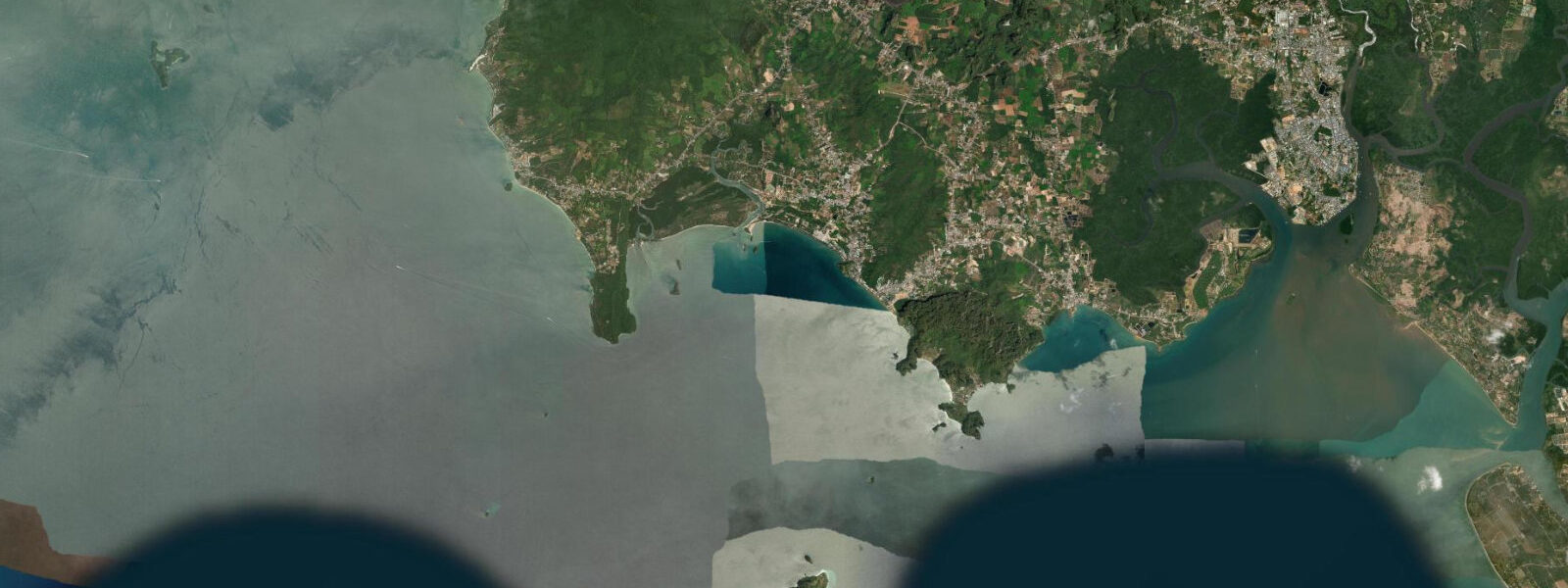
Railay Beach tide times
Railay Beach tide forecast — heights relative to MSL.
Today's tide times for Railay Beach
Tide times at Railay Beach on Tuesday, 4 August 2026: first low tide at 07:00, first high tide at 12:58, second low tide at 19:39. Sunrise 06:17, sunset 18:44.
Tide chart for Railay Beach
24-hour cosine-interpolated curve around the present moment. Heights relative to MSL. Predictions: Predictions: Open-Meteo Marine (MeteoFrance SMOC, 0.08° grid).
Sun, moon and conditions on Tue 04 Aug
Snapshot at build time — refreshes daily. Sea state from Open-Meteo Marine.
Highs and lows next 7 days
Every predicted high and low for the next week, with the daily tidal coefficient (0–120; higher = bigger swing, > 95 means stronger currents).
Other spots nearby
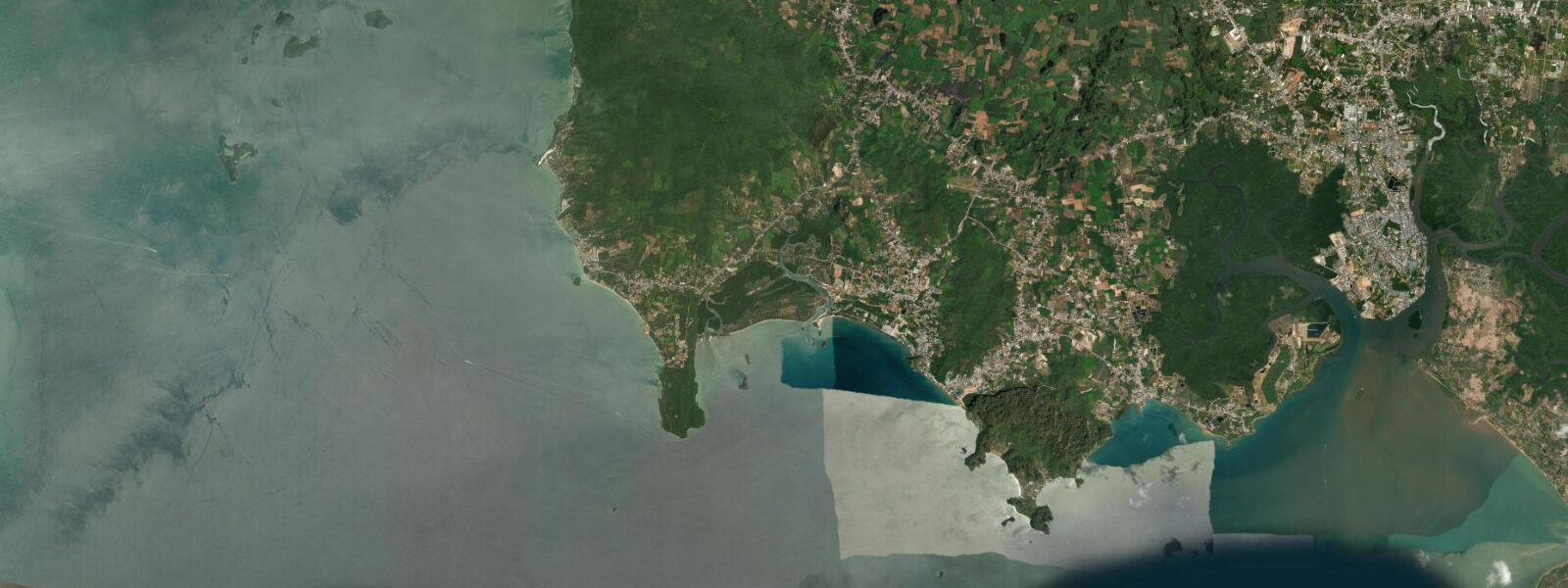
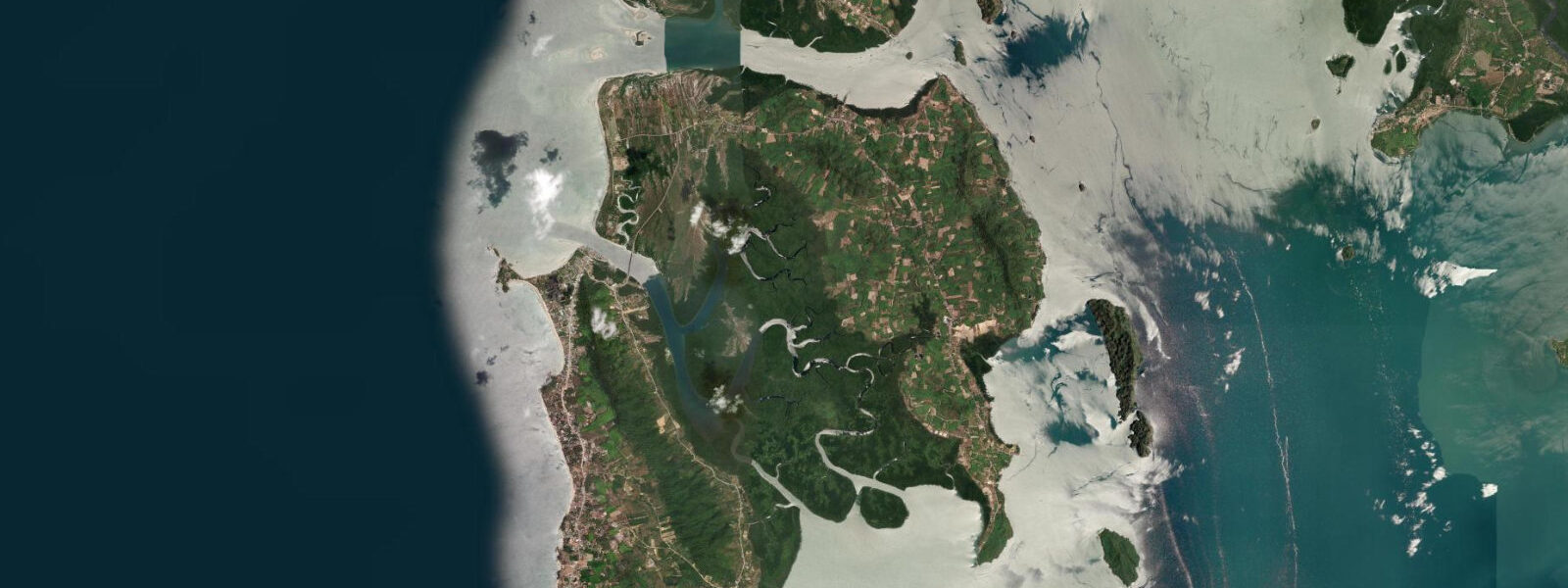
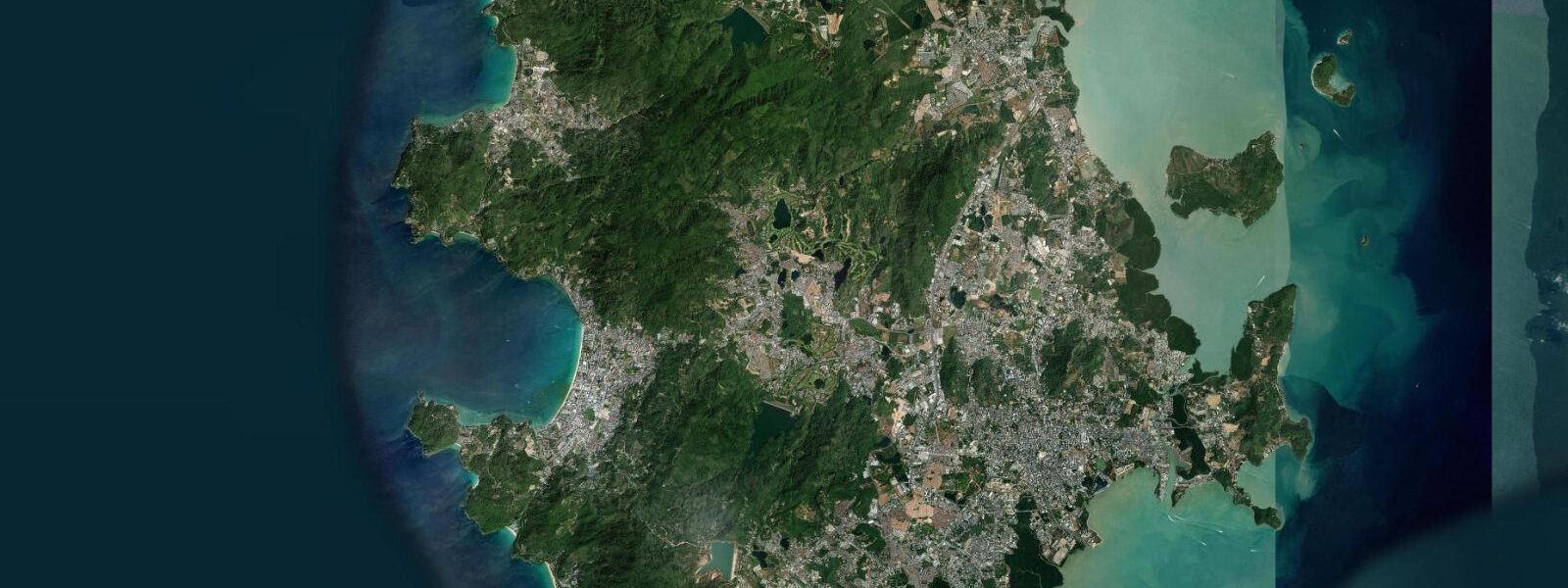
The three closest curated TideTurtle locations to Railay Beach, measured by great-circle distance.
Today's solunar windows
Solunar tradition: major periods are the ≈3h windows around moon transit and opposition; minor are ≈2h around moonrise and moonset. Pair with the local tide stage and wind for the best read.
Cycle dates near Railay Beach
Last spring tide on Tue 04 Aug (range 2.1m). Next spring tide on Mon 10 Aug (range 1.9m). Next neap on Sun 09 Aug.
Spring tides cluster around new and full moons (biggest swings). Neap tides land on quarter moons (smallest swings). See the spring tide and neap tide glossary entries for the why.
About tides at Railay Beach
A short guide to the coastline at Railay Beach — geography, sea state, and what the tide is actually doing under your feet.
Railay is a peninsula on Thailand's Andaman coast, cut off from the mainland by the same limestone karst cliffs that define the visual identity of Krabi Province. No road reaches it. Sheer rock walls — 300 m high in places, the same formation that hosts Railay's world-class rock climbing routes — seal the landward side completely, leaving long-tail boat as the only transport option.
The service runs from Krabi Town's Chao Fah pier (45 min, ~150 THB/person) and from Ao Nang beach (15 min, ~120 THB). Boats run on demand through daylight hours; the last reliable return from Railay to Krabi Town is around 18:00. 0 m above Chart Datum.
The Andaman Sea's exposure to the Indian Ocean tidal wave produces a more pronounced tide than the Gulf of Thailand manages across the peninsula. That spring range shapes Railay in concrete ways. The main visitor beach, Railay West, is the long-tail landing.
5 m above CD), boats pull directly onto the beach and passengers step ashore dry. 2 m), the boat must anchor 30–50 m offshore and passengers wade; the boatmen watch the depth and make the call — no formal tide table is posted at the beach, but every boatman knows the day's schedule. The wade at low spring is knee-to-thigh depth.
Railay East, on the mangrove side of the peninsula, is the other beach — a tidal flat and mangrove shoreline that is swimmable only in the top 2–3 hours of the flood tide. At low tide the flat exposes a sequence of mud and low-lying rock, unsuitable for swimming but walkable. The path between Railay West and Railay East crosses the peninsula in 5 minutes; most visitors arrive on the west and walk to the east only for the path onward to Phra Nang Cave Beach.
Phra Nang is the third and most dramatic beach — reached by a 10-minute walk around the headland from Railay West (or by longtail, 5 minutes). The beach sits under a 300 m limestone cliff and fronts a bay of exceptionally clear water. At low spring, the rock shelf and boulders at the base of the cliff expose, and the beach extends 60–70 m to the waterline.
At high spring the beach compresses to 15–20 m. The best photography window at Phra Nang is low-to-mid tide in morning light — the cliff face catches the early sun and the exposed rock in the foreground gives scale. Rock climbing on the limestone towers around Railay is one of the most concentrated sport-climbing destinations in Asia, with over 200 bolted routes ranging from 5a to 9a.
The climbing school operators at Railay West teach beginners on the Half Dome sector and the Muay Thai Wall; experienced climbers head to the Diamond Cave area and the routes above the mangrove on Railay East. Tidal state doesn't directly affect most routes, but the platforms and ledges at the base of several cliffs (particularly on the south face of the headland between Railay West and Phra Nang) are partially inundated at high spring. Check the predicted high-water height before setting up at low-level starting holds.
Kayak rental operates from Railay West and from the small operator beside the mangrove path. The cave system through the centre of the peninsula (open to visitors with torches) is best explored at low-to-mid tide when the interior cave floor is drier. 3 m.
Thai Meteorological Department (TMD) publishes the authoritative Andaman coast tide tables.
Tide questions about Railay Beach
Quick answers to the most common questions about tide times, range, and water access at Railay Beach.
How does the tide affect the boat landing at Railay West?
The tidal range at Railay is 2.5–3.0 m at spring. The long-tail landing on Railay West beach is directly tidal-sensitive. At mid-to-high water (roughly above 1.5 m above Chart Datum), boats come directly to the beach and passengers step off dry. At low spring water (the predicted low can fall to 0.0–0.3 m above CD), the boat anchors 30–50 m offshore and passengers wade knee-to-thigh depth through the tidal flat. Boatmen judge this on the day — no formal tide board is posted. To arrive and depart dry, check the predicted high-water time on this page and plan to travel in the two hours before or after the predicted high. Departures near low water involve a wade regardless of operator. Tide predictions here are from Open-Meteo Marine, ±45 min / ±0.2–0.3 m; TMD tables are the authoritative reference.
When is the best time to visit Phra Nang Cave Beach?
Phra Nang Cave Beach is accessible by a 10-minute walk around the headland from Railay West, or by longtail (5 minutes). The beach is at its widest at low-to-mid tide, when the rock shelf and boulders at the base of the 300 m limestone cliff expose — adding 40–50 m of dry beach at low spring compared to high spring. Morning visits (07:00–10:00) combine the best light on the cliff face with the lower chance of crowd pressure; the beach fills quickly after 10:00 when the first Ao Nang day-trip boats arrive. For photography with foreground rock and clear reflections, the two-hour window after the predicted low water is the practical target. In the NE monsoon season (November–February), westerly swell in the Andaman eases and the bay is at its calmest.
Is Railay East beach worth visiting?
Railay East faces the mangrove channel and tidal flat that separates the peninsula from the mainland coast. It is not a swimming beach for most of the tidal cycle — the flat exposes at low tide to reveal mud and low rock. However, the upper two to three hours of the flood tide make the East beach swimmable in calm water; at high spring the mangrove fringe is partially flooded and the water reaches almost to the boardwalk. The practical reason to walk to Railay East is the onward path to Phra Nang Cave Beach (10 minutes through the jungle path) and to reach the Diamond Cave climbing area above the mangrove. The cave entrance on the East side of the peninsula is best entered on a falling or low tide when the interior floor is not standing in water.
What is the rock climbing like at Railay and does the tide affect it?
Railay and the surrounding karst have over 200 bolted sport climbing routes on limestone, rated from 5a (beginner) to 9a (world-class). The main sectors are Half Dome and Muay Thai Wall (beginner and intermediate), Diamond Cave, One Two Three Wall, and the routes above Phra Nang Beach. The tidal state affects a small subset of routes: several low-level starting platforms and ledge traverses on the south face of the Phra Nang headland are partially inundated at high spring water (above 2.5 m). Before setting up at the base of any route with low starting holds near the waterline, check the predicted high-water height. The Railay West climbing schools (King Climbers, Tex Rock Climbing) teach beginners regardless of tidal state on the inland sectors; only the cliff-base and water-level traverses are tidal-dependent.
What is the best season to visit Railay?
The NE monsoon season, November through April, is when Railay and the Andaman coast are at their best. The northeast wind keeps conditions dry, the Andaman Sea is calm in the bays, and visibility underwater is at its annual peak. January through March is the heart of high season — blue skies, light wind, and boat services running reliably. May marks the start of the SW monsoon; by June the Andaman coast receives the full southwest wind, which can push 1.0–2.0 m swell into west-facing bays. Long-tail boat services continue through the SW monsoon but may be suspended on the roughest days. Some climbing and snorkelling operators reduce operations June through October. The best months for combining good conditions, lower crowds, and open businesses are November, December, February, and March.
8-day tide table — Railay Beach
Heights relative to MSL. Predictions: Open-Meteo Marine (MeteoFrance SMOC, 0.08° grid) — heights relative to MSL (not chart datum / LAT). Model-derived.
| Day | Type | Time | Height |
|---|---|---|---|
| Tue 04 Aug | Low | 07:00 | -0.4m |
| High | 12:58 | 1.5m | |
| Low | 19:39 | -0.6m | |
| Wed 05 Aug | High | 13:40 | 1.4m |
| Low | 20:13 | -0.4m | |
| Thu 06 Aug | High | 02:21 | 1.3m |
| Low | 20:57 | -0.1m | |
| Fri 07 Aug | High | 15:56 | 1.1m |
| Low | 22:00 | 0.1m | |
| Sat 08 Aug | High | 05:13 | 1.3m |
| Low | 23:56 | 0.1m | |
| Sun 09 Aug | High | 06:54 | 1.4m |
| Low | 13:45 | 0.0m | |
| High | 19:41 | 1.1m | |
| Mon 10 Aug | Low | 01:47 | -0.0m |
| High | 08:10 | 1.6m | |
| Low | 14:55 | -0.2m | |
| High | 20:46 | 1.4m | |
| Tue 11 Aug | Low | 02:56 | -0.2m |
| High | 06:00 | 0.8m |