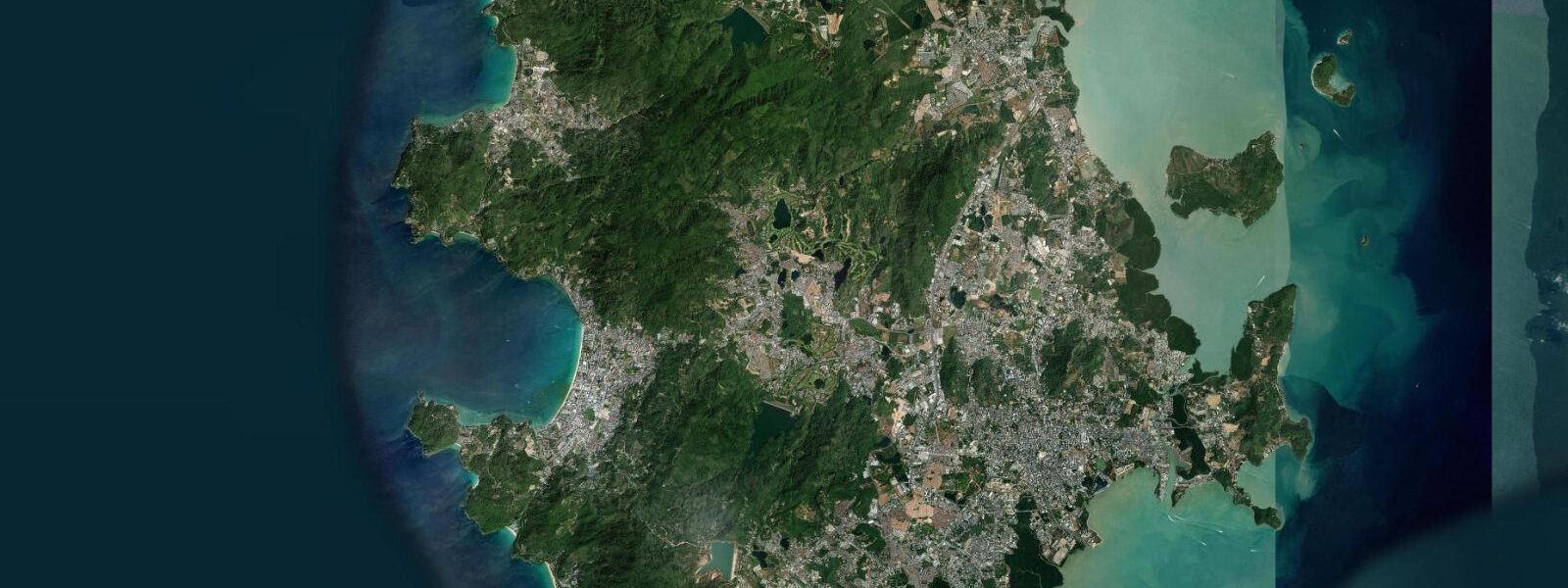
Patong Beach, Phuket tide times
Patong Beach, Phuket tide forecast — heights relative to MSL.
Today's tide times for Patong Beach, Phuket
Tide times at Patong Beach, Phuket on Monday, 3 August 2026: first low tide at 18:41. Sunrise 06:19, sunset 18:46.
Tide chart for Patong Beach, Phuket
24-hour cosine-interpolated curve around the present moment. Heights relative to MSL. Predictions: Predictions: Open-Meteo Marine (MeteoFrance SMOC, 0.08° grid).
Sun, moon and conditions on Mon 03 Aug
Snapshot at build time — refreshes daily. Sea state from Open-Meteo Marine.
Highs and lows next 7 days
Every predicted high and low for the next week, with the daily tidal coefficient (0–120; higher = bigger swing, > 95 means stronger currents).
Other spots nearby
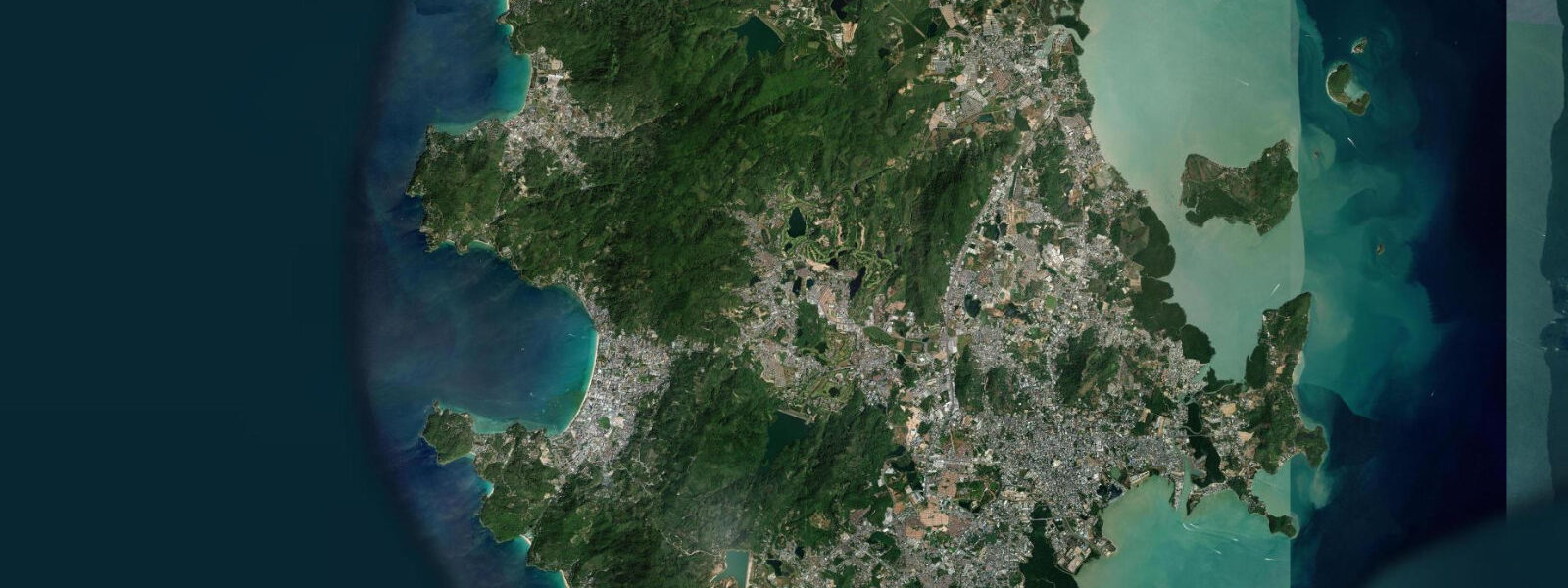
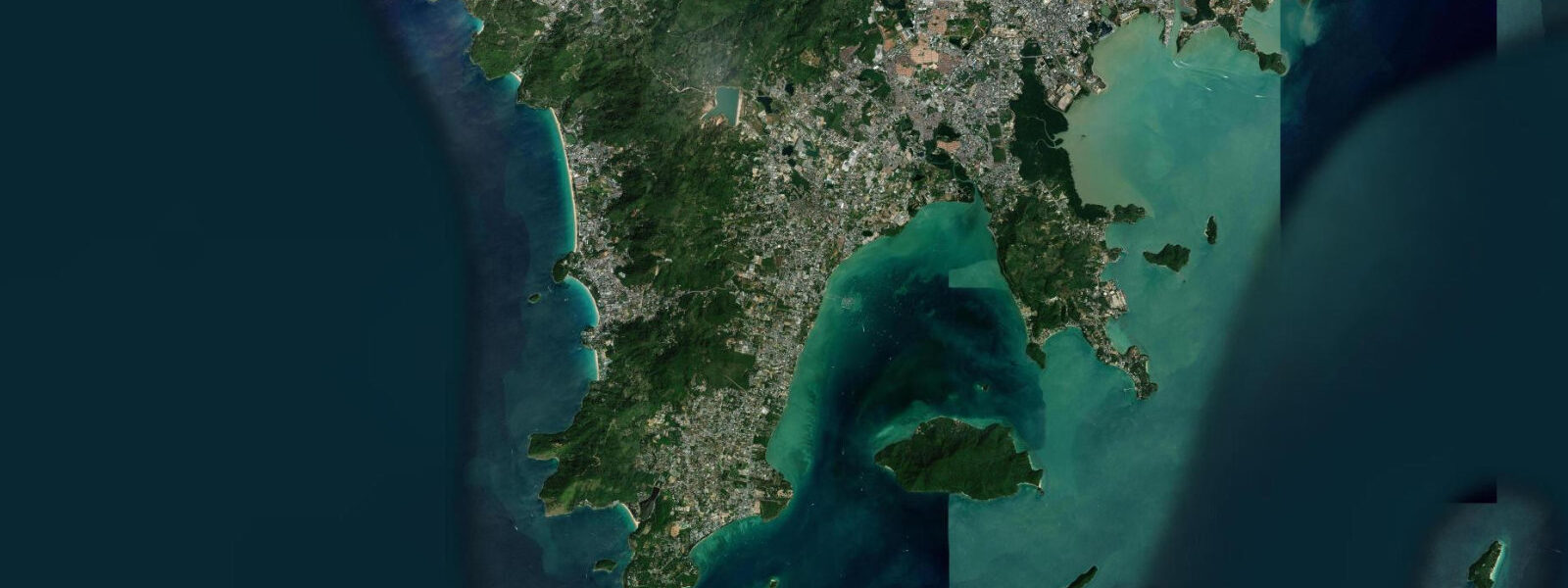
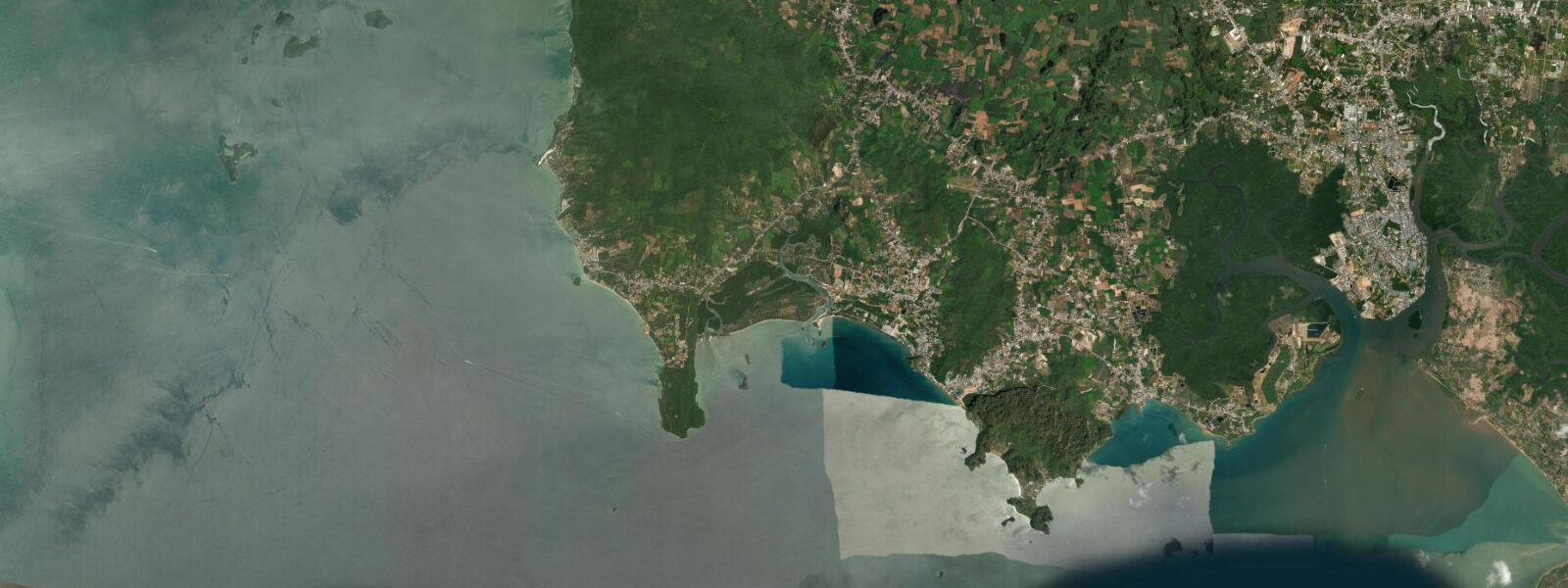
The three closest curated TideTurtle locations to Patong Beach, Phuket, measured by great-circle distance.
Today's solunar windows
Solunar tradition: major periods are the ≈3h windows around moon transit and opposition; minor are ≈2h around moonrise and moonset. Pair with the local tide stage and wind for the best read.
Cycle dates near Patong Beach, Phuket
Last spring tide on Mon 03 Aug (range 1.7m). Next neap on Fri 07 Aug.
Spring tides cluster around new and full moons (biggest swings). Neap tides land on quarter moons (smallest swings). See the spring tide and neap tide glossary entries for the why.
About tides at Patong Beach, Phuket
A short guide to the coastline at Patong Beach, Phuket — geography, sea state, and what the tide is actually doing under your feet.
Patong Beach sits on Phuket's west coast, opening directly to the Andaman Sea through a bay curved between the Kalim headland to the north and Hat Patong headland to the south. The bay faces roughly northwest, which matters — the Andaman Sea runs a semidiurnal tide with noticeable diurnal inequality, meaning the two daily high waters are rarely the same height and the two low waters often differ by 0.5 m or more. Mean tidal range sits between 2.0 and 3.0 m, with spring ranges toward the upper end.
The practical consequence shows clearly on the beach. At high spring water, the beach narrows to 20–30 m in front of the Bangla Road beachfront strip — beach umbrellas crowd back toward the road and the wet sand is effectively gone. At low spring water, the sand extends 100–150 m seaward and the rocky headlands at both ends of the bay become accessible on foot along the waterline. The difference between a high-spring afternoon and a low-spring morning is roughly 2.5 m of vertical tide, which translates to significant horizontal beach exposure on the gentle gradient here.
Diurnal inequality means timing matters as much as the high-or-low label. On certain days the morning high water is markedly lower than the afternoon high — the beach may open up by 09:00 and close again by 14:00, with a second, smaller closure in the evening. Checking both the height and the time of each tidal event gives a clearer picture than just knowing 'high tide is around noon.'
The monsoon calendar cuts across the tide calendar. From May through October, the Southwest Monsoon drives swell into the Andaman Sea from the northwest. That swell wraps directly into Patong Bay and wave action can be significant — shore break on the steeper north end of the beach is common on rough days. Lifeguard flags run red or red-and-yellow on the worst days; swimming is restricted but the beach stays open. The calmer option is the southern corner near the Amari hotel, which sits in the lee of Hat Patong headland and stays swimmable when the north end is churned up. During the dry season, roughly November through April, the sea flattens and the bay is calm enough for confident open-water swimmers and families with young children.
Anglers working the rocky headlands time their sessions to the lower half of the tidal cycle. The submerged reef structures at the base of Hat Patong headland hold grouper and snapper; those rocks are above water or barely awash at low spring, making casting access easier but fish-holding depth shallower. An hour either side of high water gives the best depth over the reef without requiring the long wade across the exposed sand flat.
Longtail boats operate from the beach, ferrying snorkellers and day-trippers to Freedom Beach, a smaller cove accessible only by boat about 3 km south along the coast. The longtail operators watch the tidal state at the snorkel destinations — the reef patches near Freedom Beach and the offshore pinnacles sit in shallow water, and entry conditions shift significantly depending on whether 0.4 m or 2.8 m of water covers the rocks. Departures tend to cluster around mid-flood and early ebb when depth is adequate but current is manageable.
Kayakers launching from the beach should note that the northern half of the bay, toward the Kalim headland, picks up more chop during onshore wind — the southern run toward Hat Patong is the more protected paddle. Timing a departure to the first three hours after low water gives a building flood behind you for the outward leg and an ebb assist on return.
For photographers, the bay's northwest orientation delivers good backlight from mid-morning and direct golden light at sunset over the Andaman horizon. The best foreground at sunset is the exposed sand flat during a low evening tide — the wet surface reflects colour when the beach extends its full 150 m. During high water at the same hour, the foreground is compressed to a strip of beach chairs.
Tide data for Patong Beach, Phuket comes from the Open-Meteo Marine API, a gridded model product. Timing accuracy is ±45 minutes, height accuracy ±0.3 m — usable for trip planning, not for navigation.
Tide questions about Patong Beach, Phuket
Quick answers to the most common questions about tide times, range, and water access at Patong Beach, Phuket.
When is Patong Beach at its widest and best for families with young children?
The beach reaches its full width of 100–150 m during low spring water — the sand extends well out from the beachfront road and the shallow gradient makes the water edge gentle for small children. Check the predicted low water time and plan arrival 1–2 hours beforehand. The dry season (November to April) combines low-tide beach width with calm sea conditions; during the Southwest Monsoon (May to October) the sea can be rough regardless of tidal state. The southern end of the bay, near the Amari hotel corner, stays calmer than the north end on most days. Avoid high spring tide if beach space is the priority — the sand narrows to 20–30 m and the wet zone retreats almost to the road.
What is the tidal range at Patong and how does diurnal inequality affect planning?
Mean tidal range on the Andaman Sea at Patong runs 2.0–3.0 m, reaching the upper end on spring tides. The tide is semidiurnal — two highs and two lows each day — but with significant diurnal inequality, meaning the two daily high waters are often different heights by 0.3–0.7 m, and the two lows can differ similarly. On some days one low water is notably shallower than the other, giving a much longer period of beach exposure in one part of the day than the other. Check both the time and the predicted height of each event rather than assuming both lows are equivalent.
Can longtail boats reach Freedom Beach at any tidal state?
Not reliably at all states. Freedom Beach sits in a small cove with rocky approaches, and the snorkel sites between Patong and Freedom Beach include shallow reef patches where depth over the rock varies by up to 2.5 m across the tidal cycle. Longtail operators typically depart around mid-flood or early ebb — sufficient water depth over the reef without the stronger spring-tide current that runs on full flood. At very low spring water the shallow sections can be borderline for boat passage and the snorkel experience at the reef changes considerably. If you have a specific departure time in mind, confirm tidal conditions with the boat operator the day before.
Is the Hat Patong headland walkable from the beach at low tide?
Yes, at low spring water the rocky base of both headlands — Hat Patong to the south and Kalim to the north — becomes accessible on foot along the waterline. The walk to Hat Patong takes roughly 10–15 minutes from the main beach strip on a low-spring day, crossing rocky platform that is otherwise submerged. Do not attempt the walk on a rising tide without tracking the time — the return window closes as the flood comes in and the rocks become awash. A 2.5 m spring tide can cover the headland platform in 30–40 minutes once the flood accelerates. Check the low water time, allow no more than 45 minutes for the excursion, and return before the halfway point of flood.
Does the monsoon season make Patong Bay dangerous regardless of tides?
Dangerous is too strong a word for most days, but the Southwest Monsoon (May to October) brings consistent northwest swell into Patong Bay and the sea state changes character. Shore break on the north end of the beach can be rough; lifeguards fly red or red-and-yellow flags on the worst days and swimming is restricted. The southern corner of the bay near Hat Patong headland is more sheltered and often swimmable when the north end is flagged. Snorkel trips to outer sites may be suspended entirely on heavy-swell days regardless of tide. The dry season (November to April) is reliably calm. Tides run year-round on the same pattern; the monsoon adds a wave-energy variable the tidal prediction does not capture.
8-day tide table — Patong Beach, Phuket
Heights relative to MSL. Predictions: Open-Meteo Marine (MeteoFrance SMOC, 0.08° grid) — heights relative to MSL (not chart datum / LAT). Model-derived.
| Day | Type | Time | Height |
|---|---|---|---|
| Mon 03 Aug | Low | 18:41 | -0.4m |
| Tue 04 Aug | High | 00:55 | 1.3m |
| Low | 06:54 | -0.2m | |
| High | 12:56 | 1.3m | |
| Low | 19:12 | -0.3m | |
| Wed 05 Aug | High | 13:34 | 1.2m |
| Low | 19:48 | -0.2m | |
| Thu 06 Aug | High | 02:16 | 1.2m |
| Low | 08:25 | 0.1m | |
| Fri 07 Aug | High | 03:15 | 1.2m |
| Low | 09:36 | 0.3m | |
| High | 15:36 | 1.0m | |
| Low | 21:43 | 0.2m | |
| Sat 08 Aug | High | 04:50 | 1.1m |
| Low | 11:36 | 0.3m | |
| High | 17:43 | 0.9m | |
| Low | 23:43 | 0.2m | |
| Sun 09 Aug | High | 06:35 | 1.2m |
| Low | 13:24 | 0.1m | |
| High | 19:25 | 0.9m | |
| Mon 10 Aug | Low | 01:25 | 0.1m |
| High | 06:00 | 1.1m |