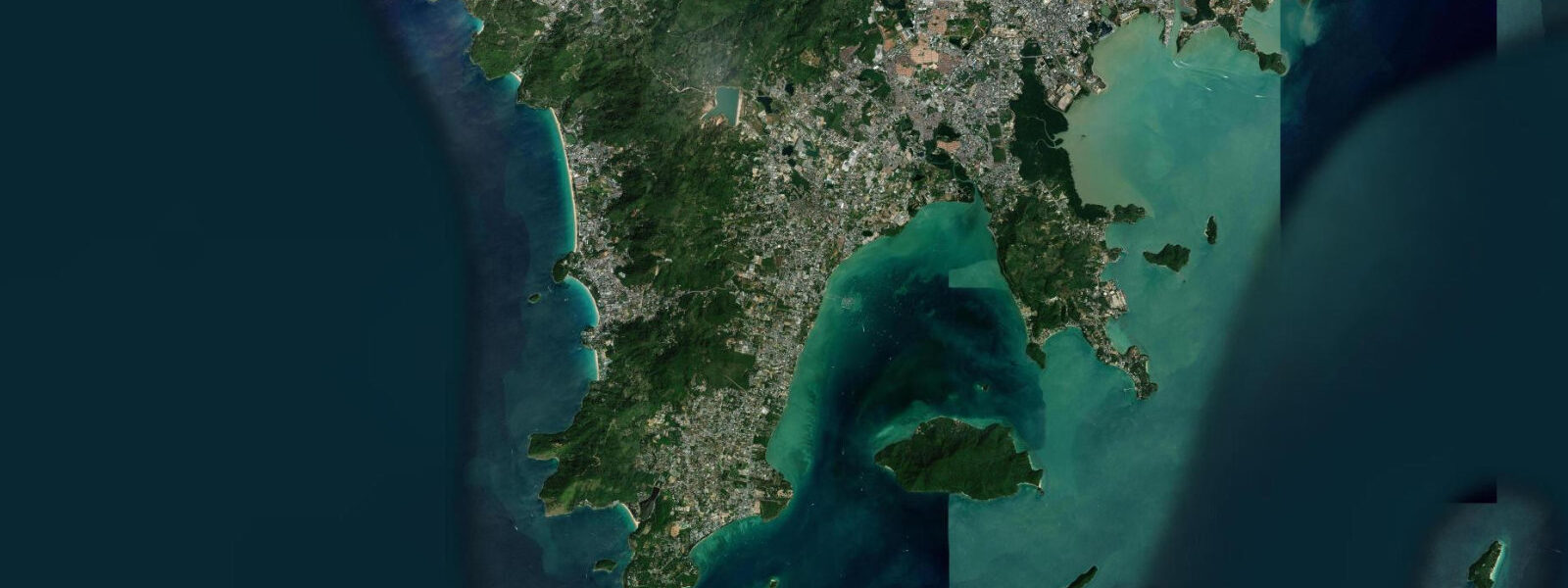
Rawai Beach, Phuket tide times
Rawai Beach, Phuket tide forecast — heights relative to MSL.
Today's tide times for Rawai Beach, Phuket
Tide times at Rawai Beach, Phuket on Monday, 3 August 2026: first low tide at 18:45. Sunrise 06:19, sunset 18:46.
Tide chart for Rawai Beach, Phuket
24-hour cosine-interpolated curve around the present moment. Heights relative to MSL. Predictions: Predictions: Open-Meteo Marine (MeteoFrance SMOC, 0.08° grid).
Sun, moon and conditions on Mon 03 Aug
Snapshot at build time — refreshes daily. Sea state from Open-Meteo Marine.
Highs and lows next 7 days
Every predicted high and low for the next week, with the daily tidal coefficient (0–120; higher = bigger swing, > 95 means stronger currents).
Other spots nearby
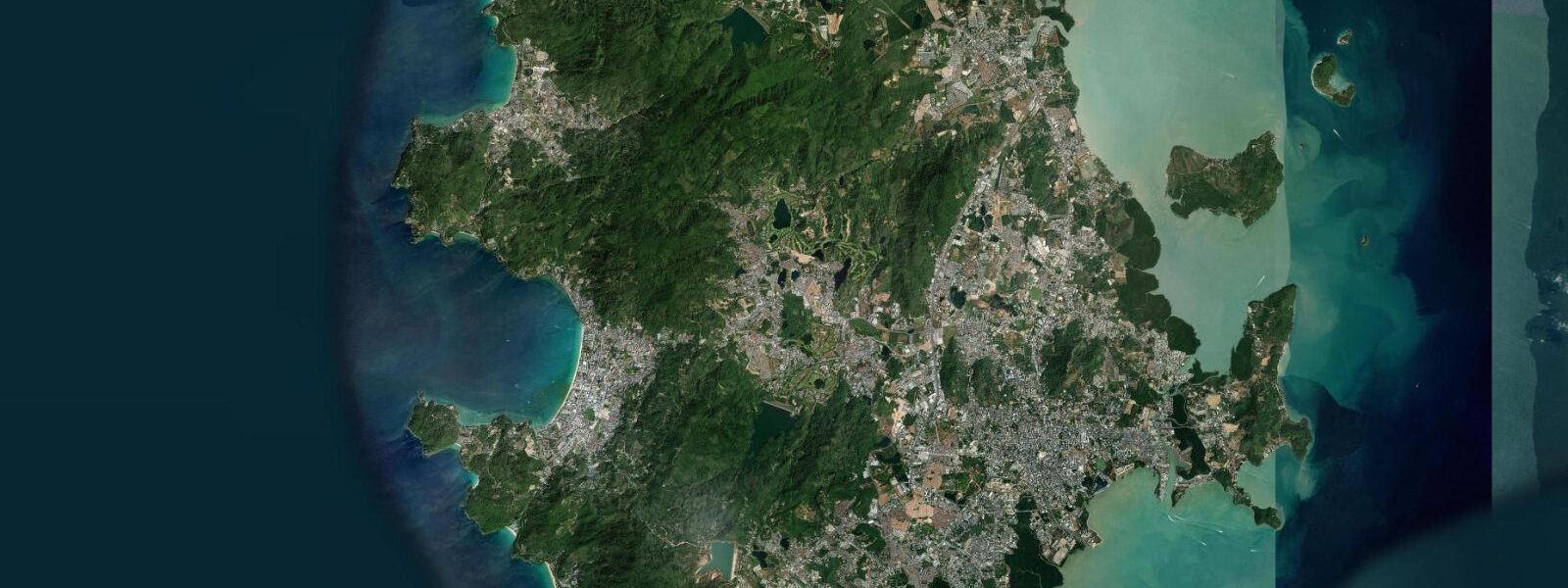
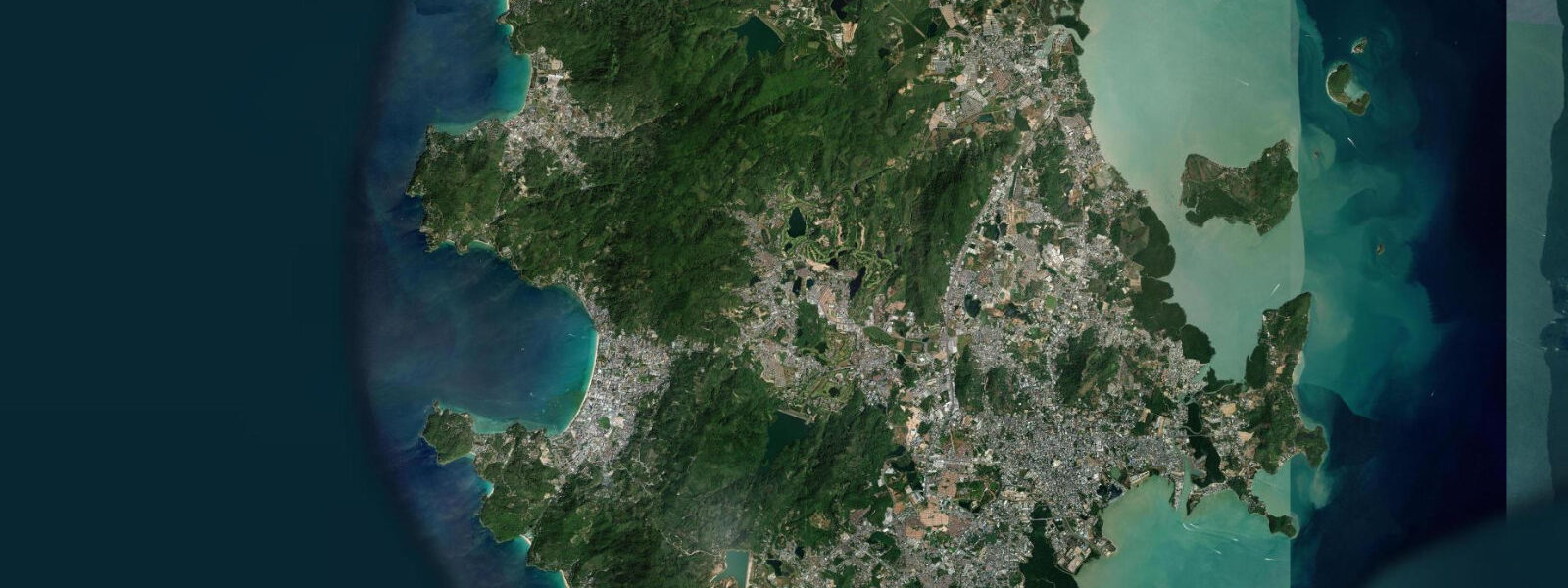
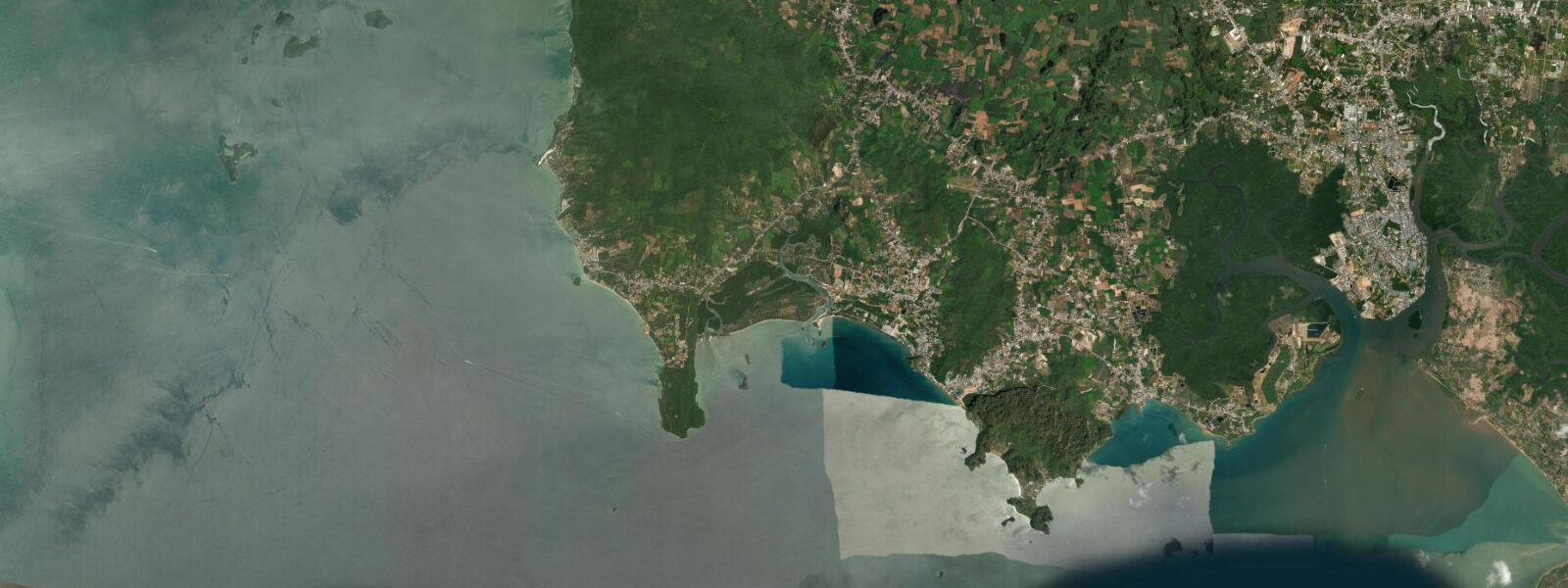
The three closest curated TideTurtle locations to Rawai Beach, Phuket, measured by great-circle distance.
Today's solunar windows
Solunar tradition: major periods are the ≈3h windows around moon transit and opposition; minor are ≈2h around moonrise and moonset. Pair with the local tide stage and wind for the best read.
Cycle dates near Rawai Beach, Phuket
Last spring tide on Mon 03 Aug (range 1.7m). Next neap on Fri 07 Aug.
Spring tides cluster around new and full moons (biggest swings). Neap tides land on quarter moons (smallest swings). See the spring tide and neap tide glossary entries for the why.
About tides at Rawai Beach, Phuket
A short guide to the coastline at Rawai Beach, Phuket — geography, sea state, and what the tide is actually doing under your feet.
Rawai Beach is at the southern tip of Phuket — not a resort beach, not a tourist-primary strip. It is a working waterfront for the Chao Ley, the Moken Sea Gypsy community who have fished and harvested these waters for generations. The Chao Ley village sits at the south end of the beach; the community's livelihood is directly tied to the tidal state in ways that visitors rarely see.
The Andaman Sea here runs a semidiurnal tide with the same diurnal inequality as the rest of Phuket's west-facing coast — mean range 2.0–3.0 m on spring tides. The tidal flat off Rawai is extensive and rocky. At low spring water the flat extends 200–300 m from the beach. This is the defining characteristic of Rawai: at low water, the beach ceases to function as a beach and becomes a wide, dry, exposed rocky platform. The traditional longtail boats that line the waterfront are left resting on the flat, tilted sideways in the sun, waiting. They cannot launch until the returning flood brings sufficient depth — typically 1.5–2.0 m of water at the beach edge. That relaunch window, when the tide climbs back to operating depth and the engines start again, is a specific moment that shapes the Chao Ley working day.
Island transfers from Rawai operate on a tide-permitting basis for the same reason. Bon Island (Koh Bon), Coral Island (Koh Hae), and Koh Lone are visible from the beach, scattered a few kilometres offshore in the Andaman Sea. The longtail runs to these islands require navigating the shallow tidal flat — at low spring water, departure is not possible. Day-trip operators quote departure windows of typically 08:00–10:00 and 13:00–15:00, but those windows shift several minutes each day as the tidal schedule advances. Confirming the actual tidal state the morning of departure is not optional.
Ya Nui Beach, 2 km south of Rawai along the coast road toward Promthep Cape, is a small, quiet cove that partially escapes the Rawai flat problem — the approach is a steeper sandy shore rather than the wide rocky platform, though it still shallows at very low water. Kayakers and paddleboarders based at Ya Nui use the mid-flood window for launching, which avoids both the exposed low-water rocks and the stronger current that runs on full spring ebb.
Promthep Cape, 3 km south of Rawai, is Phuket's southernmost point. The lighthouse stands at roughly 50 m elevation with an unobstructed view across the Andaman horizon — on a clear evening the sunset geometry is close to perfect. The headland is also a useful vantage for reading sea state before island departures: whitecaps on the channel between the cape and Koh Bon indicate wind and chop that the longtail operators will weigh against the day's plan.
For photographers, Rawai offers two distinct scenes separated by tide height. At low water — the wide flat, boats resting at odd angles, Chao Ley fishers working the exposed rock — the images are about labour and place and tradition. At high water, when the boats float and the Chao Ley village comes alive at the water's edge, the character of the beach changes to something more recognisably maritime. The 2–3 hour low-water window around spring low is the specific opportunity for the flat-and-tilted-boats composition.
Anglers who target the rocky structure of the tidal flat work the first two hours of flood — the retreating shallow water concentrates fish over the submerged reef patches. Squid fishing is practised from the beach at night, with lanterns used to attract the prey; the squid come closer to shore as the tide floods and tend to move offshore on ebb. Local knowledge from the Chao Ley community is worth more than any published guideline for timing.
For beach families, Rawai is not the right beach at low water — the flat is rocky and uncomfortable and swimming is impossible until the tide returns. At mid-to-high water on a calm day, the southern end near the village has enough depth and the water is generally clear. The Southwest Monsoon affects the Andaman-facing shore at Rawai similarly to Patong; rough conditions are possible May through October, with the bay at the southern tip somewhat sheltered from the dominant northwest swell.
Tide data for Rawai Beach, Phuket comes from the Open-Meteo Marine API, a gridded model product. Timing accuracy is ±45 minutes, height accuracy ±0.3 m — usable for trip planning, not for navigation.
Tide questions about Rawai Beach, Phuket
Quick answers to the most common questions about tide times, range, and water access at Rawai Beach, Phuket.
Why are the longtail boats at Rawai resting on dry ground at low tide?
The tidal flat at Rawai extends 200–300 m from the beach at low spring water. When the tide drops, the entire flat is exposed — rocky, dry, and unnavigable. The longtail boats that serve the Chao Ley community and the island-transfer trade simply settle on the flat and wait. There is nothing wrong with them; they are grounded by the tide. The flat refloods on the incoming tide, and the boats are typically relaunched once the water depth reaches 1.5–2.0 m at the beach edge. On a 2.5 m spring tide, the low-water exposure period runs roughly 3–4 hours. Arrival planning matters: a mid-morning visit to Rawai can coincide with the flat fully exposed, boats resting, and no island transfers possible until the afternoon flood.
When can I get a longtail from Rawai to Coral Island or Koh Lone?
Island transfers from Rawai require enough water over the tidal flat for the boats to navigate — typically 1.5 m or more at the beach edge. On spring tides the departure window is restricted: departures are possible roughly 2.5–3 hours after low water on the flood, and on ebb the window closes again about 2.5–3 hours before the next low. On neap tides the flat is shallower and the restriction is less severe. The operators know the flat intimately and will adjust or cancel based on actual conditions, not the printed time. Check the predicted low water height and time the day before — if low water is predicted below 0.3 m chart datum, plan island transfers for late morning or early afternoon rather than first light.
Is Rawai Beach suitable for swimming?
At mid-to-high tide on a calm day, the southern end of Rawai near the Chao Ley village has enough water for swimming and the seabed is sandy in patches. At low water, swimming is not possible — the flat is exposed rock for 200 m. The beach is not set up for tourism the way Patong or Karon is; there are no beach chairs or jet skis, and the atmosphere is a working waterfront. For families seeking a full day at a swimmable beach, Rawai is best timed to arrive at mid-flood and leave before the ebb exposes the flat again. The adjacent Ya Nui Beach, 2 km south toward Promthep Cape, has a steeper profile and stays swimmable at lower tidal states than Rawai.
What is the best time to photograph the boats resting on the Rawai tidal flat?
The low-water window on a spring tide — roughly 1.5 hours either side of low water — gives the widest exposed flat and the most boats resting at angles on the dry rock. That low water on the Andaman Sea at Phuket occurs roughly every 12.5 hours, so you get two low-water windows per day, one of which may be in morning light and one in afternoon. Check the predicted low water time and the sun angle for the shoot day — a low water between 07:00 and 09:00 gives warm morning side-light on the boats and the Chao Ley village behind them. The boats themselves are photogenic at any light, but the wide flat with Bon Island and Koh Hae in the background needs enough elevation in the sun to avoid flat grey tones.
How far is Promthep Cape from Rawai and can you see the tidal state from there?
Promthep Cape is roughly 3 km south of Rawai along the coast road — a 10-minute drive or a manageable uphill walk. The lighthouse sits at about 50 m elevation with a clear view across the Andaman horizon and back north along the Rawai tidal flat. From the cape you can see whitecaps in the channel between the headland and the offshore islands — a practical sea-state check before committing to a longtail departure from Rawai. The sunset view from the cape is west-facing and unobstructed; evening low tides that coincide with sunset produce a reflective wet flat along the Rawai shoreline visible from the cape's viewpoint platform.
8-day tide table — Rawai Beach, Phuket
Heights relative to MSL. Predictions: Open-Meteo Marine (MeteoFrance SMOC, 0.08° grid) — heights relative to MSL (not chart datum / LAT). Model-derived.
| Day | Type | Time | Height |
|---|---|---|---|
| Mon 03 Aug | Low | 18:45 | -0.4m |
| Tue 04 Aug | High | 00:55 | 1.3m |
| Low | 06:57 | -0.2m | |
| High | 12:58 | 1.3m | |
| Low | 19:15 | -0.3m | |
| Wed 05 Aug | High | 13:37 | 1.2m |
| Low | 19:51 | -0.2m | |
| Thu 06 Aug | High | 02:17 | 1.2m |
| Low | 08:25 | 0.1m | |
| High | 14:20 | 1.1m | |
| Low | 20:35 | 0.0m | |
| Fri 07 Aug | High | 03:19 | 1.2m |
| Low | 09:42 | 0.3m | |
| High | 15:36 | 1.0m | |
| Low | 21:48 | 0.2m | |
| Sat 08 Aug | High | 04:50 | 1.1m |
| Low | 11:37 | 0.3m | |
| High | 17:43 | 0.9m | |
| Low | 23:48 | 0.2m | |
| Sun 09 Aug | High | 06:39 | 1.2m |
| Low | 13:25 | 0.1m | |
| High | 19:25 | 0.9m | |
| Mon 10 Aug | Low | 01:25 | 0.1m |
| High | 06:00 | 1.1m |