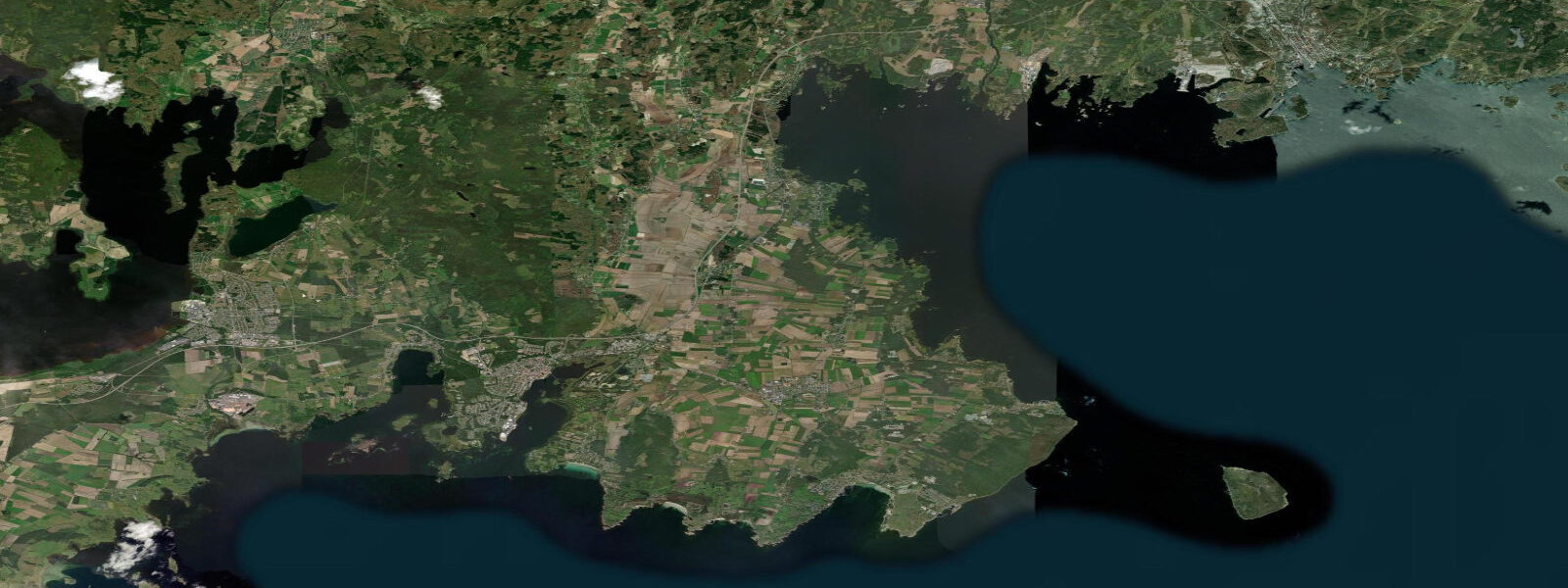
Sölvesborg tide times
Sölvesborg tide forecast — heights relative to MSL.
Today's tide times for Sölvesborg
Tide times at Sölvesborg on Tuesday, 4 August 2026: first low tide at 02:00. Sunrise 05:08, sunset 21:05.
Tide chart for Sölvesborg
24-hour cosine-interpolated curve around the present moment. Heights relative to MSL. Predictions: Predictions: Open-Meteo Marine (MeteoFrance SMOC, 0.08° grid).
Sun, moon and conditions on Tue 04 Aug
Snapshot at build time — refreshes daily. Sea state from Open-Meteo Marine.
Highs and lows next 7 days
Every predicted high and low for the next week, with the daily tidal coefficient (0–120; higher = bigger swing, > 95 means stronger currents).
Other spots nearby
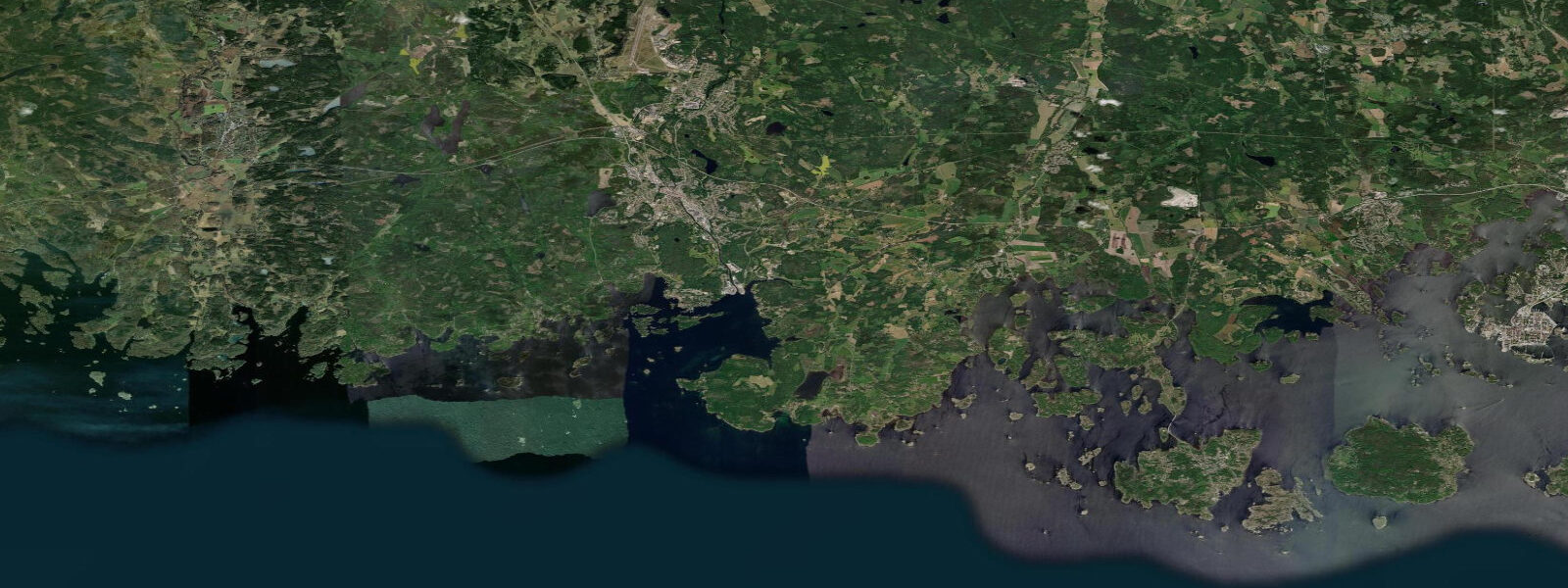
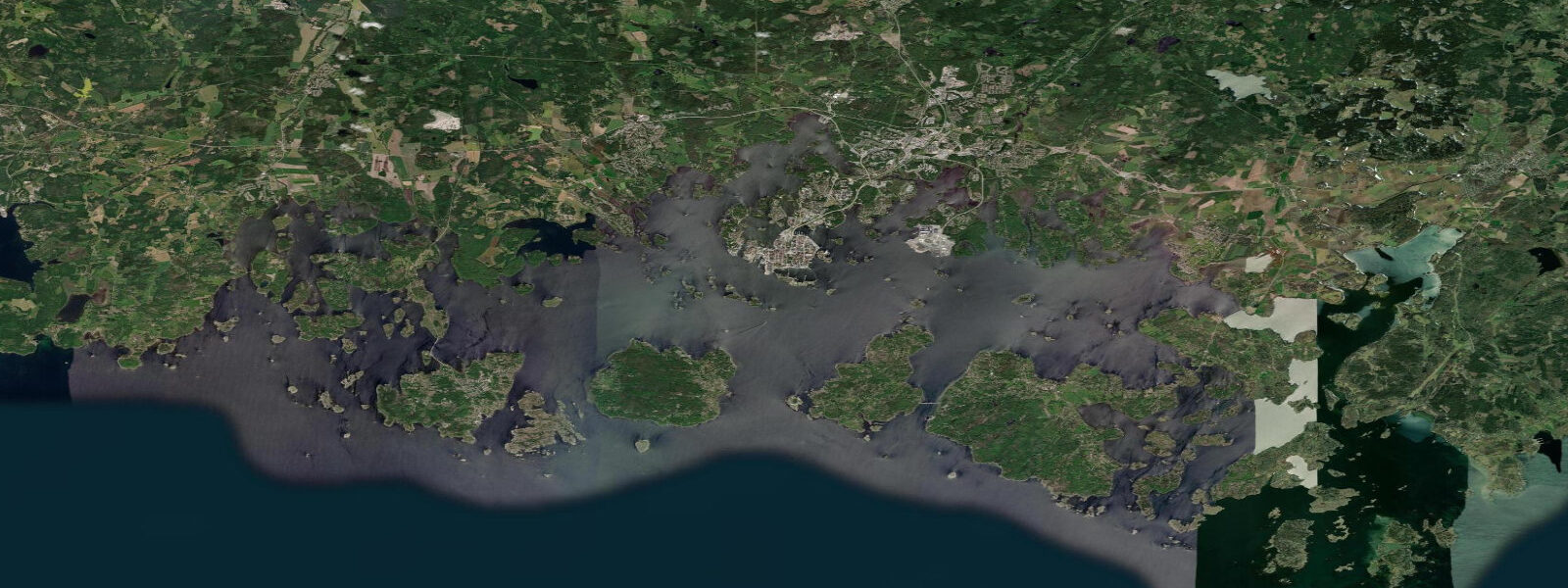
The three closest curated TideTurtle locations to Sölvesborg, measured by great-circle distance.
Today's solunar windows
Solunar tradition: major periods are the ≈3h windows around moon transit and opposition; minor are ≈2h around moonrise and moonset. Pair with the local tide stage and wind for the best read.
About tides at Sölvesborg
A short guide to the coastline at Sölvesborg — geography, sea state, and what the tide is actually doing under your feet.
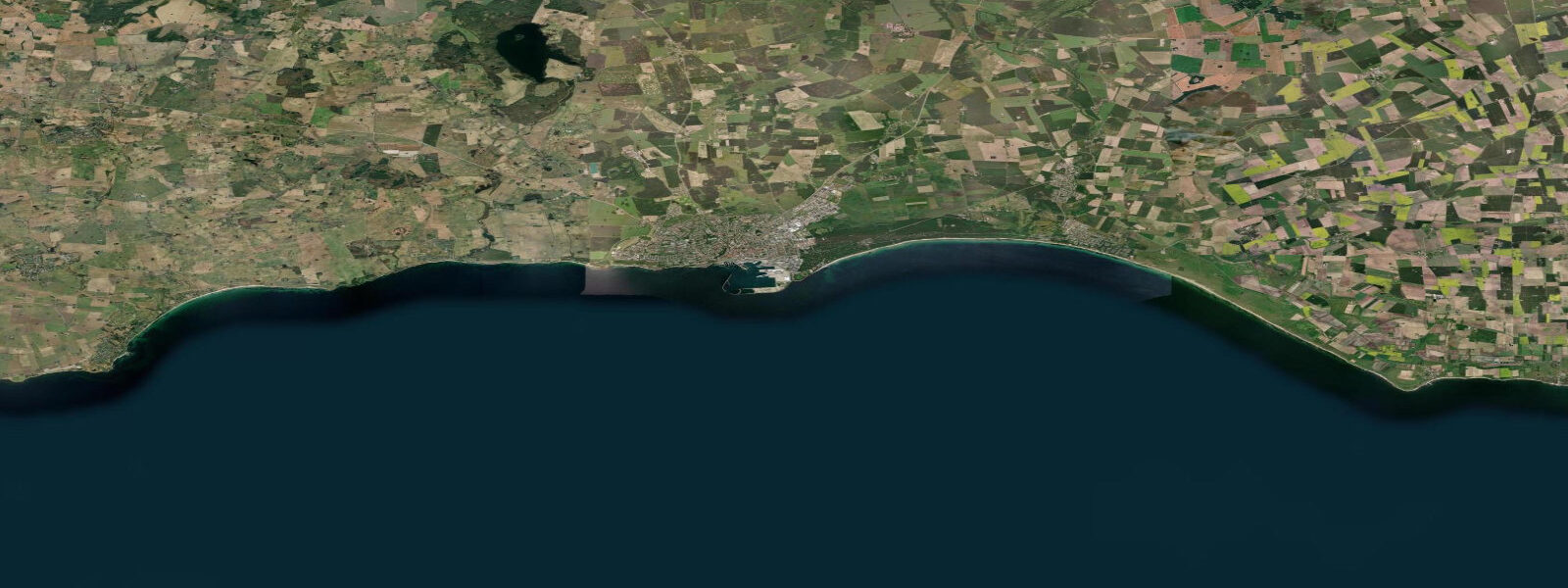
Sölvesborg is the westernmost town in Blekinge, on the north shore of the Sölvesborgsbukten bay where the Blekinge coast transitions to Skåne. It is a small market town of 9,000 with a well-preserved medieval centre — the ruined Sölvesborg Castle and Saint Nicholas church date from the 14th century — and a straightforward coastal identity based on the bay beaches, the outer skerries, and the Sölvesborg pier: at 2.5 km, one of the longest pedestrian piers in Europe.
The tidal regime at Sölvesborg is Baltic: effectively non-tidal, mean range approximately 10 cm, dominated by wind-driven water level change. The Sölvesborgsbukten bay faces south across a relatively broad fetch toward Bornholm island (40 km south); southerly winds push water into the bay and can raise the water level 0.3–0.5 m above mean, while northerly winds draw it down by a similar amount. The ±0.3–0.5 m wind-driven variation is far more significant than the 10 cm tidal range for any coastal planning.
The 2.5 km pier — Sölvesborg Brygga — is built for recreational use: the deck is wide enough for cycling and walking, has rest benches along its length, and terminates in a platform with a view across the open Baltic. Fishing from the pier is one of the primary recreational activities; the outer sections in 3–4 m of water hold flatfish (flounder, dab) year-round and mackerel in summer. The non-tidal Baltic means depth at the pier head is essentially constant throughout the day.
The bay beaches at Sölvesborg — Sandviken beach on the east side and several smaller beaches around the town — face south and receive direct summer sun. The non-tidal Baltic means beach width is constant throughout the day. What changes is wind-driven water level: calm high-pressure periods in summer produce settled conditions with water temperature 18–22 °C in July–August. Southerly wind events push warmer surface water onto the beaches.
Sea anglers fishing the outer Baltic coast south of Sölvesborg target Baltic cod (subject to strict quota restrictions), flatfish, and garfish from kayak or small boat. The outer rocky skerry points south and east of the bay entrance are the best positions for shore-casting garfish and mackerel in summer.
The Sölvesborg pier is the centrepiece of a coastal cycling circuit linking the town to the outer beaches. The Kustleden coastal walking path passes through the area and connects to the wider Blekinge coastal path system.
All tide predictions for Sölvesborg come from the Open-Meteo Marine gridded model. Timing accuracy is ±45 minutes; height accuracy is ±0.3 m above Chart Datum.
Tide questions about Sölvesborg
Quick answers to the most common questions about tide times, range, and water access at Sölvesborg.
What is the tidal range at Sölvesborg and does it affect the famous pier?
Sölvesborg has a mean Baltic tidal range of approximately 10 cm — negligible for any coastal planning. The 2.5 km Sölvesborg Brygga pier's depth at the pier head is essentially constant at 3–4 m. What does affect the pier is wind-driven water level change: sustained southerly gales can raise the Baltic level by 0.3–0.5 m, noticeable at the pier but not a safety concern under normal conditions. Tide predictions carry ±45 minutes timing uncertainty and ±0.3 m height uncertainty — the uncertainty exceeds the tidal signal.
Is fishing from Sölvesborg pier productive, and what species can be caught?
Fishing from the outer sections of the 2.5 km pier is productive for flatfish (flounder and dab) on the sandy Baltic bottom in 3–4 m of water, year-round. Mackerel and garfish arrive from June and are taken on small lures and float rigs through September. The non-tidal Baltic means fishing conditions from the pier do not change significantly with tidal state — depth is essentially constant. Early morning and evening are the most productive fishing times. Check current quota restrictions for Baltic cod before targeting that species.
When are the Sölvesborg beaches warmest for swimming?
Sandviken beach and the Sölvesborgsbukten bay beaches are warmest in mid-July to early August, when the shallow south-facing bay heats faster than the open Baltic. Water temperatures of 18–22 °C are typical at peak summer. The Baltic is non-tidal — beach width is constant throughout the day. The main variable for swimming comfort is wind: southerly wind in summer raises local temperature and pushes warm surface water onto the beach; northerly wind draws cold deeper water upward.
How long is the Sölvesborg pier and what facilities does it have?
Sölvesborg Brygga extends 2.5 km south into Sölvesborgsbukten bay — one of the longest pedestrian piers in Europe. The deck accommodates both walking and cycling and has benches along its length. The outer platform provides views across the open Baltic toward Bornholm island, 40 km south. The pier is free to use and open year-round. Fishing from the pier is permitted; no tidal planning is needed given the Baltic's 10 cm range.
Does wind matter more than tide for coastal activities at Sölvesborg?
Completely. With only 10 cm of tidal range, wind is the dominant variable for every coastal activity at Sölvesborg. Sustained southerly wind raises local water level by 0.3–0.5 m and creates 0.5–1.0 m chop in the open bay; the SMHI Baltic water-level forecast is the useful planning tool. For kayaking, the outer coast south of the bay entrance requires a weather window. Inner bay paddling in the Sölvesborgsbukten is sheltered from all wind directions except direct south.
5-day tide table — Sölvesborg
Heights relative to MSL. Predictions: Open-Meteo Marine (MeteoFrance SMOC, 0.08° grid) — heights relative to MSL (not chart datum / LAT). Model-derived.
| Day | Type | Time | Height |
|---|---|---|---|
| Tue 04 Aug | Low | 02:00 | -0.1m |
| Wed 05 Aug | High | 13:00 | -0.0m |
| Thu 06 Aug | Low | 12:00 | -0.1m |
| High | 13:00 | -0.1m | |
| Fri 07 Aug | Low | 05:00 | -0.2m |
| Sat 08 Aug | High | 15:00 | -0.1m |
| Low | 18:00 | -0.1m |