Zarautz tide times
Zarautz tide forecast — heights relative to MSL.
Today's tide times for Zarautz
Tide times at Zarautz on Tuesday, 4 August 2026: first low tide at 02:00, first high tide at 08:16, second low tide at 14:18, second high tide at 20:31. Sunrise 07:00, sunset 21:28.
Tide chart for Zarautz
24-hour cosine-interpolated curve around the present moment. Heights relative to MSL. Predictions: Predictions: Open-Meteo Marine (MeteoFrance SMOC, 0.08° grid).
Sun, moon and conditions on Tue 04 Aug
Snapshot at build time — refreshes daily. Sea state from Open-Meteo Marine.
Highs and lows next 7 days
Every predicted high and low for the next week, with the daily tidal coefficient (0–120; higher = bigger swing, > 95 means stronger currents).
Other spots nearby
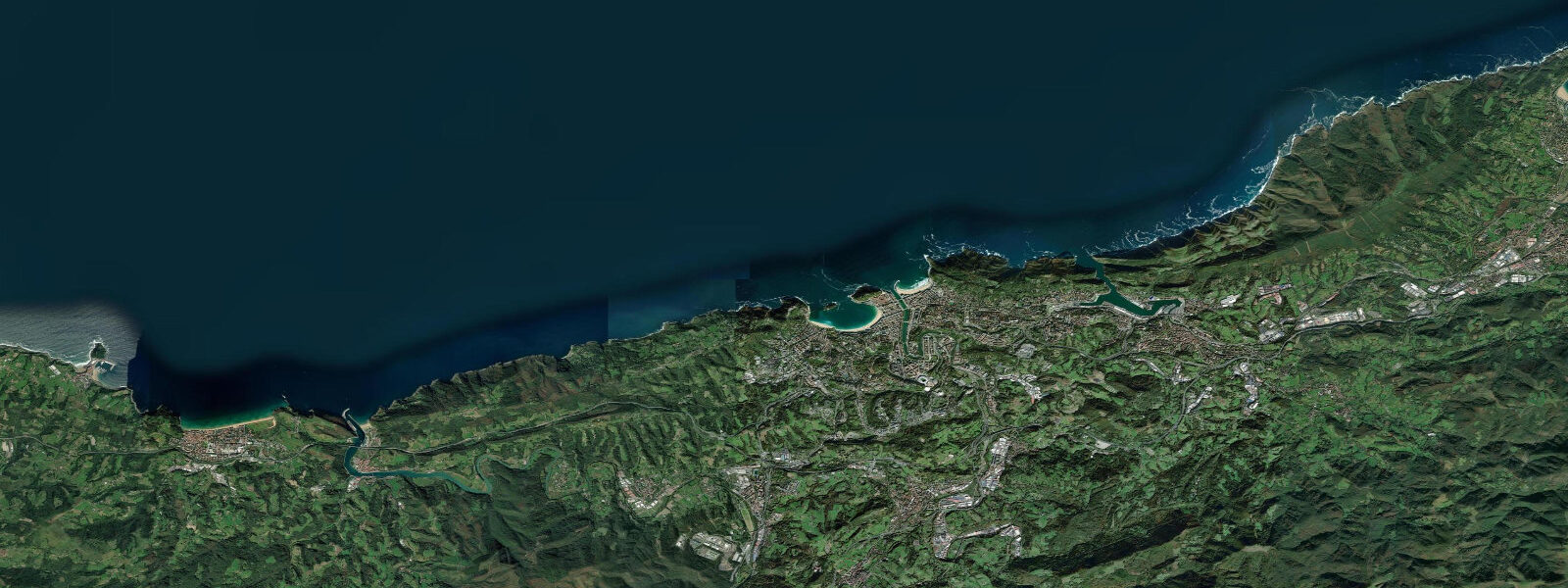
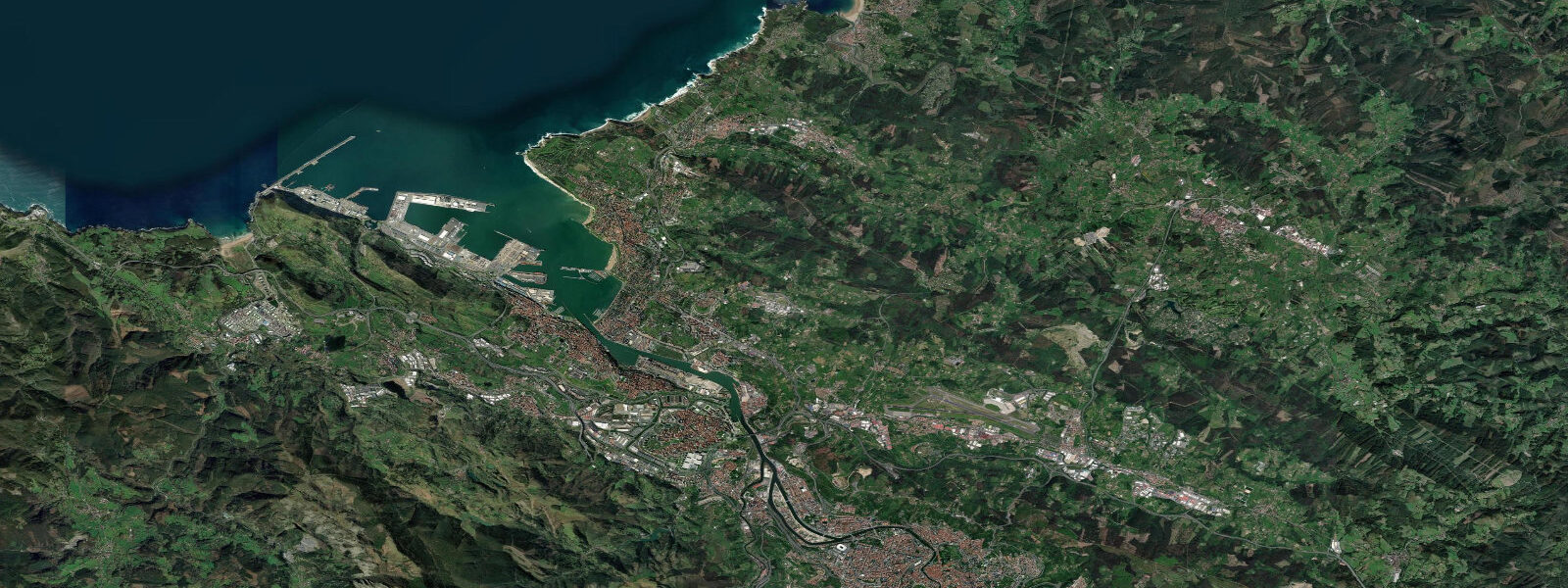
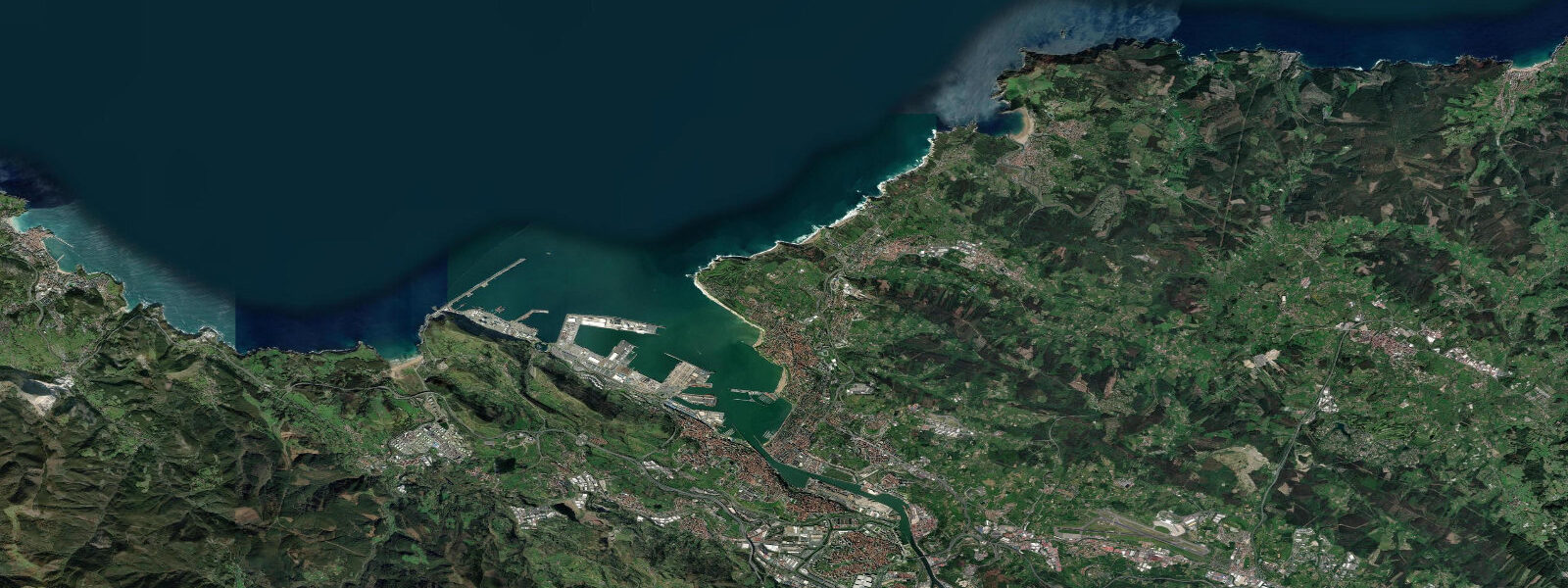
The three closest curated TideTurtle locations to Zarautz, measured by great-circle distance.
Today's solunar windows
Solunar tradition: major periods are the ≈3h windows around moon transit and opposition; minor are ≈2h around moonrise and moonset. Pair with the local tide stage and wind for the best read.
Cycle dates near Zarautz
Last spring tide on Tue 04 Aug (range 2.9m). Next spring tide on Mon 10 Aug (range 3.0m). Next neap on Fri 07 Aug.
Spring tides cluster around new and full moons (biggest swings). Neap tides land on quarter moons (smallest swings). See the spring tide and neap tide glossary entries for the why.
About tides at Zarautz
A short guide to the coastline at Zarautz — geography, sea state, and what the tide is actually doing under your feet.
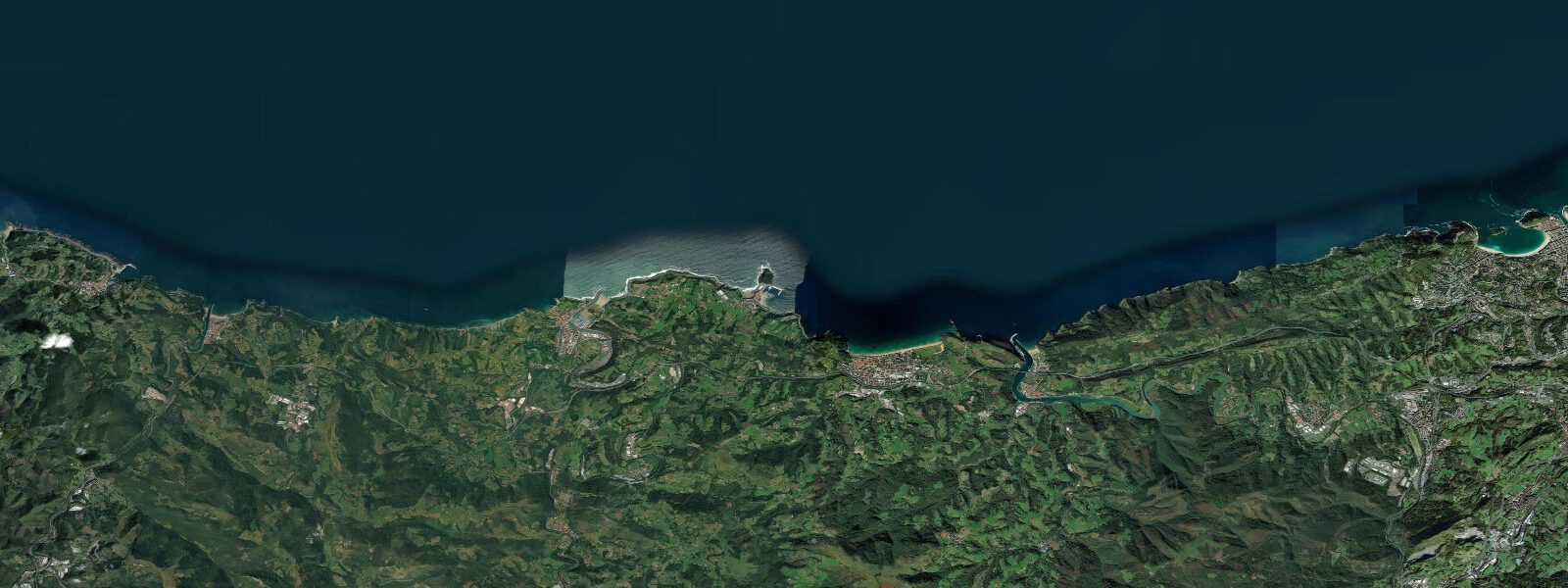
Zarautz has the longest beach on the Basque coast — 2.4 kilometres of straight sand between the old town headland to the west and the Talaimendi hill to the east. It faces north-northwest into the Bay of Biscay and picks up Atlantic swell with no offshore obstruction. Mean spring tidal range is approximately 3.5 metres; the tide is semidiurnal. That range alters the beach substantially: at high water, the sand narrows to a fringe a few metres wide at the base of the seafront promenade; at low water, the full 2.4 km × 50 to 80 metre strip is exposed and the shallow sandbar break runs across the length of the beach.
Zarautz is the primary surf town on the Spanish Basque coast. The break is a beach break — shifting peaks along the full 2.4 km — with quality that improves markedly at low to mid-rising tide when the sandbar is exposed and the waves pitch more cleanly. The most consistent surf window is September through April, when Atlantic depressions push northwesterly swells into the bay. Autumn (September–November) is the benchmark period: water temperature still 16 to 18°C, swell size 1.5 to 3 metres, light offshore winds on calm mornings. The World Surf League has staged European Championship Tour events at Zarautz.
The town itself is compact and built close to the sea — the old quarter on the headland at the western end, the promenade running the full length of the beach, a cluster of surf shops and pintxos bars on the main street. The terraced vineyards of Txakoli de Getaria (Getariako Txakolina DO) begin immediately behind the town and climb the hillsides above the beach. Txakoli — a dry, slightly sparkling white wine with high acidity and 10–11% alcohol — is poured from a height into a wide glass to aerate it; a standard pitcher at any bar in town will have this theatre. The wine pairs with anchoas and local pintxos with the kind of obvious rightness that only exists in the place of origin.
Fishing from the rocks at the eastern end of the beach targets lubina (sea bass), sargo (white sea bream), and the occasional dorada; rock fishing is best at the last two hours of the flood. The harbour at Getaria, 4 kilometres west, lands more significant commercial catch — the Getaria fishing fleet is one of the most active on the Basque coast, specialising in anchoa and the rare kokotxa (cod cheeks used in pil-pil sauce).
The promenade walk along the full beach to the Talaimendi headland takes 30 minutes at low water; at high water, the wave wash can reach the promenade wall. The cliffs of Talaimendi above the eastern end give a full view along the beach and out toward the bay.
Tide predictions on this page come from Open-Meteo Marine, a gridded global ocean model. Accuracy is typically within plus or minus 45 minutes on timing and 0.2 to 0.3 metres on height — model-derived, not from a local gauge. For authoritative official predictions, Puertos del Estado (puertos.es) publishes gauge-based tide tables for Pasajes (Pasaia), 20 kilometres east of Zarautz.
Tide questions about Zarautz
Quick answers to the most common questions about tide times, range, and water access at Zarautz.
How does the tide affect Zarautz beach and surf conditions?
With a mean spring range of roughly 3.5 metres, the tide transforms Zarautz beach visibly. At high water on a spring tide, the sand narrows to a few metres at the base of the promenade — barely walkable. At low water, 50 to 80 metres of sand is exposed across the full 2.4-kilometre length. For surfing, low to mid-rising tide produces the cleanest waves: the sandbar is shallower, waves pitch more sharply, and the cross-shore current is weaker. High water tends to produce slower, mushier waves that back off before breaking. The 2 to 3 hours around low water are generally the most watched by local surfers.
What is the best time of year to surf at Zarautz?
September through November is the peak surf window at Zarautz. The first Atlantic swells of autumn arrive in September while water temperature is still 16 to 19°C (4/3mm wetsuit). October and November bring the most consistent swell (northwesterly, 1.5 to 3 m) with occasional 4 metre-plus days when deep Atlantic depressions track northeast. December through February can produce the biggest waves (3 to 5+ metres) but conditions are harsher and the crowd thins to experienced local surfers. Summer (June–August) is typically flat — best for beginner lessons. The WSL European Championship Tour events at Zarautz run in late summer, usually August.
What is Txakoli wine and where can I try it in Zarautz?
Txakoli (Txakolina) is a Basque white wine — dry, lightly sparkling, high acidity, 10 to 11.5% alcohol — produced from Hondarrabi Zuri grapes grown on the steep Atlantic-facing hillsides above the Basque coast. The denominación de origen nearest to Zarautz is Getariako Txakolina (Getaria Txakoli), produced on the slopes between Zarautz and Getaria. The wine is poured from height into a wide glass to add effervescence. Any bar in Zarautz will serve it; the Txakoli producers around Getaria (Ameztoi, Txomin Etxaniz) offer cellar visits and tastings. It tastes different — better — within 10 km of the coast than it does anywhere else.
Are there surf schools at Zarautz?
Yes — Zarautz has the highest concentration of surf schools on the Basque coast, most operating from the beachfront promenade between June and September. Schools offer lessons in Spanish, Basque, English, and French. A standard beginner lesson (2 hours, including board and wetsuit hire) runs 35 to 50 euros. Summer (July–August) is the busiest period with the flattest waves — ideal for learning, though schools are full and conditions are slow. Autumn lessons with a school give better wave exposure if a beginner is comfortable. For progression beyond beginner, autumn swells at Zarautz are the training ground for the Basque surf community.
Are the tide predictions on this page official forecasts I can use for navigation or water safety decisions?
No. The predictions on this page are generated by Open-Meteo Marine, a global ocean model, and carry a typical accuracy of plus or minus 45 minutes on timing and 0.2 to 0.3 metres on height. They are suitable for general beach planning — timing a surf session, estimating beach width, understanding the tidal cycle — but not for navigation or any decision where tide height accuracy is safety-critical. For authoritative official tide predictions for the Zarautz coastline, use Puertos del Estado (puertos.es). The nearest official gauge is at Pasajes (Pasaia), approximately 20 kilometres east.
8-day tide table — Zarautz
Heights relative to MSL. Predictions: Open-Meteo Marine (MeteoFrance SMOC, 0.08° grid) — heights relative to MSL (not chart datum / LAT). Model-derived.
| Day | Type | Time | Height |
|---|---|---|---|
| Tue 04 Aug | Low | 02:00 | -1.9m |
| High | 08:16 | 1.0m | |
| Low | 14:18 | -1.7m | |
| High | 20:31 | 1.1m | |
| Wed 05 Aug | Low | 02:49 | -1.8m |
| High | 09:00 | 0.8m | |
| Low | 15:06 | -1.6m | |
| High | 21:21 | 0.8m | |
| Thu 06 Aug | Low | 03:38 | -1.6m |
| High | 09:55 | 0.7m | |
| Low | 16:05 | -1.5m | |
| High | 22:25 | 0.6m | |
| Fri 07 Aug | Low | 04:42 | -1.4m |
| High | 11:05 | 0.6m | |
| Low | 17:21 | -1.3m | |
| High | 23:48 | 0.5m | |
| Sat 08 Aug | Low | 06:02 | -1.3m |
| High | 12:32 | 0.6m | |
| Low | 18:50 | -1.4m | |
| Sun 09 Aug | High | 01:21 | 0.6m |
| Low | 07:25 | -1.4m | |
| High | 13:55 | 0.8m | |
| Low | 20:10 | -1.6m | |
| Mon 10 Aug | High | 02:39 | 0.8m |
| Low | 08:35 | -1.6m | |
| High | 15:00 | 1.1m | |
| Low | 21:13 | -1.9m | |
| Tue 11 Aug | High | 01:00 | -0.0m |