Tarifa tide times
Tarifa tide forecast — heights relative to MSL.
Today's tide times for Tarifa
Tide times at Tarifa on Monday, 3 August 2026: first low tide at 02:00, first high tide at 06:15. Sunrise 07:30, sunset 21:26.
Tide chart for Tarifa
24-hour cosine-interpolated curve around the present moment. Heights relative to MSL. Predictions: Predictions: Open-Meteo Marine (MeteoFrance SMOC, 0.08° grid).
Sun, moon and conditions on Mon 03 Aug
Snapshot at build time — refreshes daily. Sea state from Open-Meteo Marine.
Highs and lows next 7 days
Every predicted high and low for the next week, with the daily tidal coefficient (0–120; higher = bigger swing, > 95 means stronger currents).
Other spots nearby
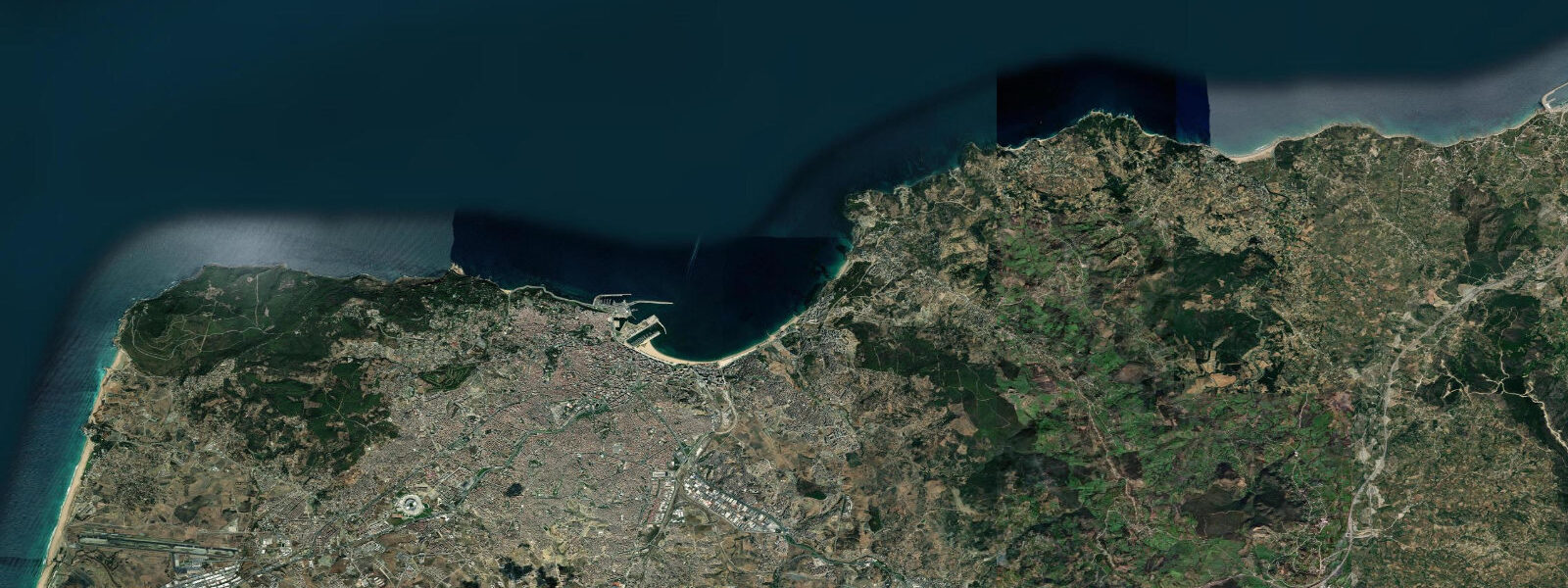
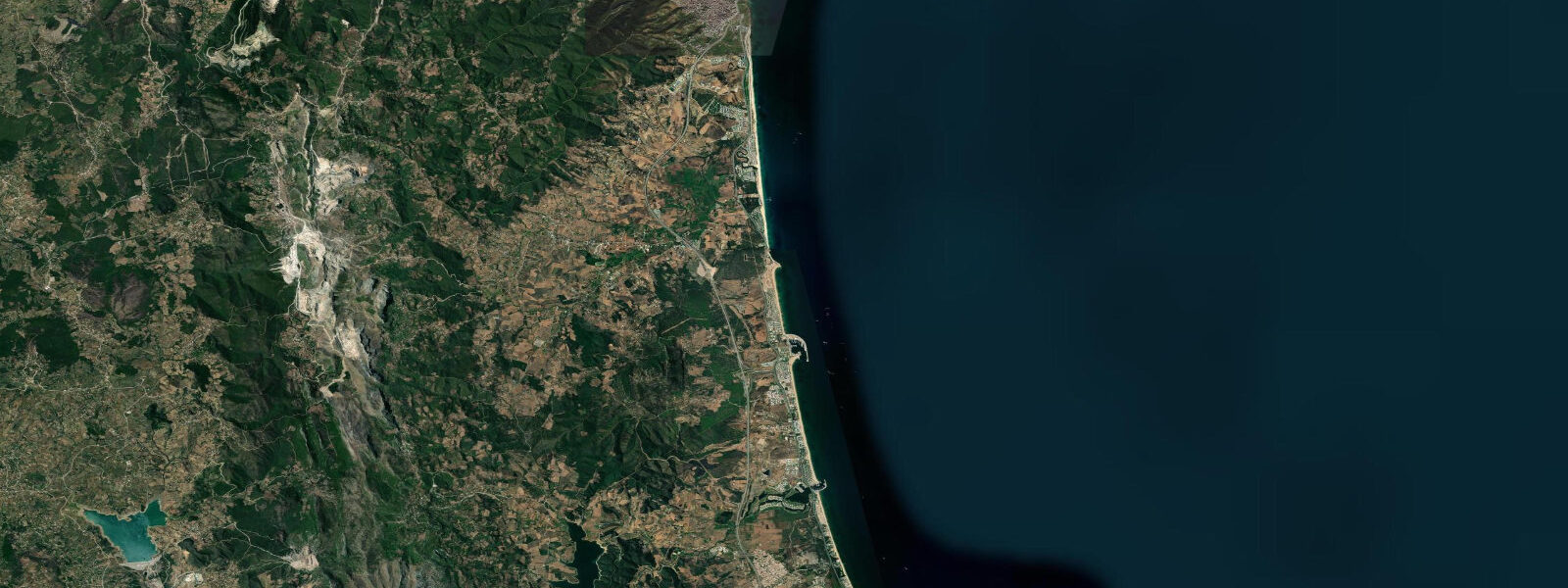
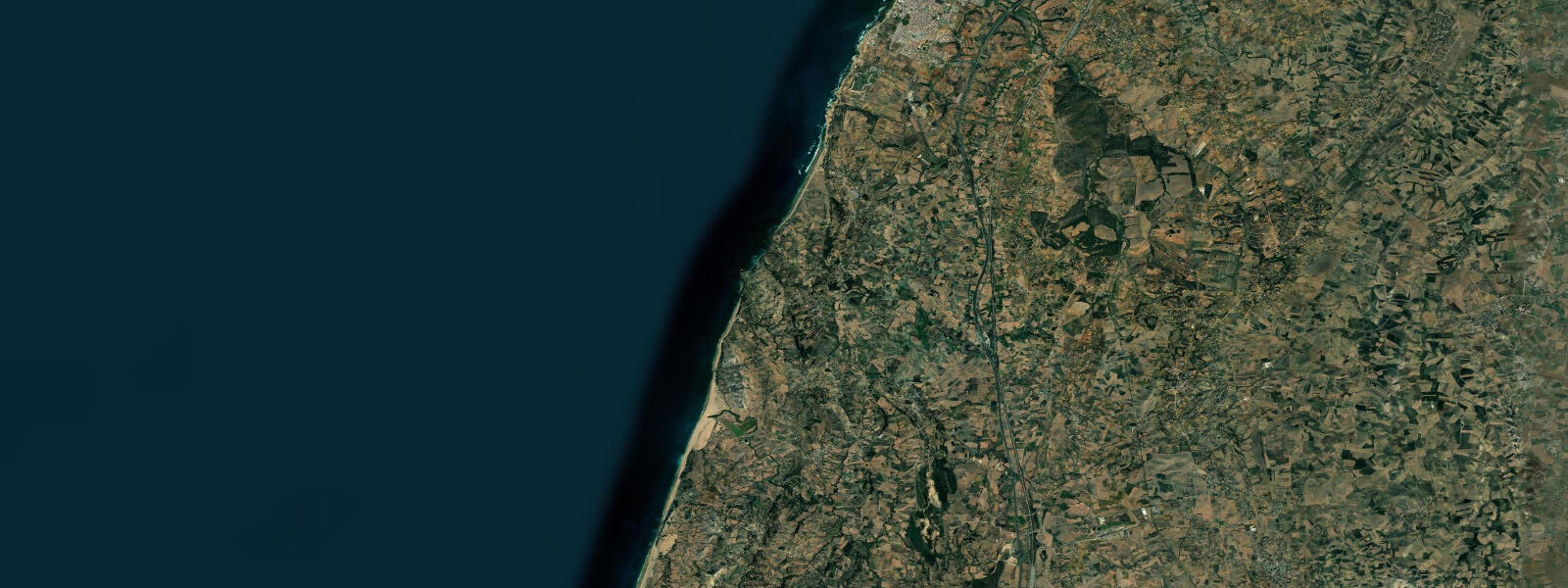
The three closest curated TideTurtle locations to Tarifa, measured by great-circle distance.
Today's solunar windows
Solunar tradition: major periods are the ≈3h windows around moon transit and opposition; minor are ≈2h around moonrise and moonset. Pair with the local tide stage and wind for the best read.
Cycle dates near Tarifa
Last spring tide on Mon 03 Aug (range 1.2m). Next spring tide on Sun 09 Aug (range 0.9m). Next neap on Fri 07 Aug.
Spring tides cluster around new and full moons (biggest swings). Neap tides land on quarter moons (smallest swings). See the spring tide and neap tide glossary entries for the why.
About tides at Tarifa
A short guide to the coastline at Tarifa — geography, sea state, and what the tide is actually doing under your feet.
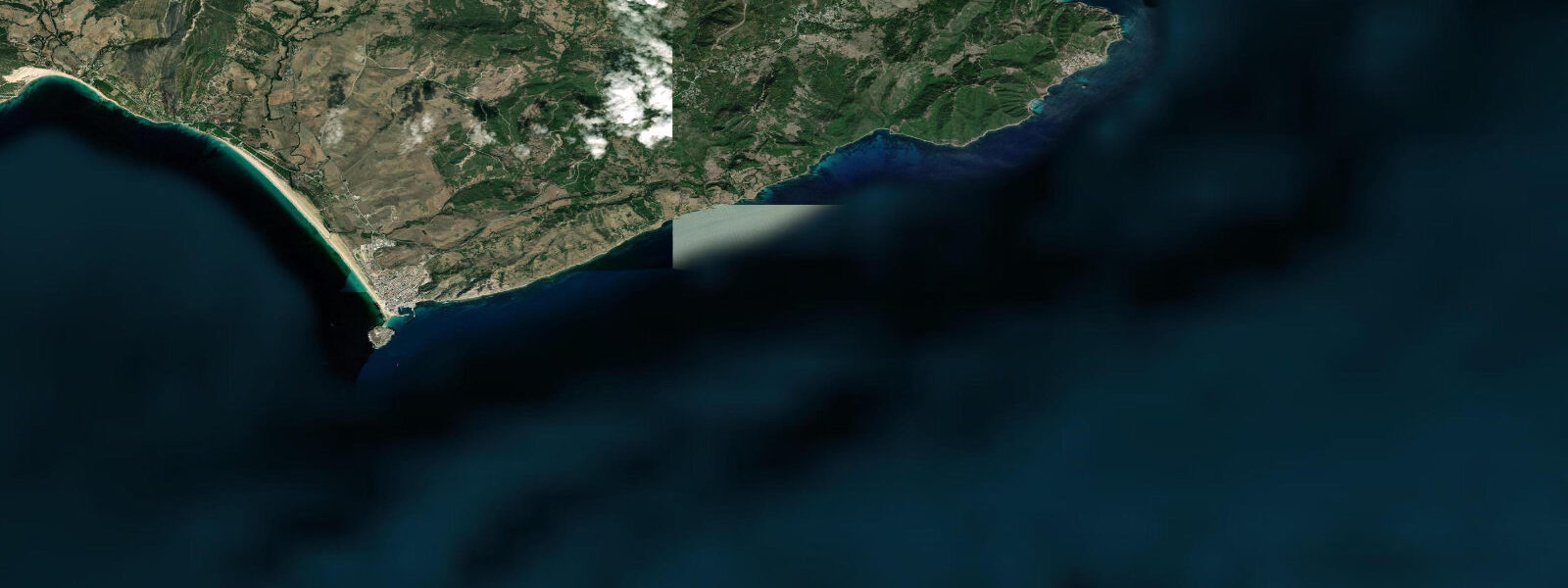
Tarifa is the southernmost point of continental Europe, where the Atlantic meets the Mediterranean through the Strait of Gibraltar and the coast of Morocco is visible 14 kilometres across the water. The Levante and Poniente winds funnel through the strait with mechanical regularity, making Tarifa the undisputed wind sports capital of Europe. Tidal range here is Atlantic — mean spring range around 2.8 metres — a dramatic jump from the negligible Mediterranean tides just around the headland on the east side of the strait.
Kitesurfing and windsurfing are the defining activities. The Levante (east wind, 25 to 40 knots, blowing offshore from the African continent) and the Poniente (west wind, 20 to 35 knots, blowing in from the Atlantic) together provide wind on around 300 days per year. The beaches at Los Lances, Valdevaqueros, and Dos Mares are set up with wind sports schools, equipment hire, and the infrastructure of a dedicated kite community. Los Lances is the main Levante beach; Valdevaqueros works better in the Poniente.
The tidal range matters for kitesurfers and windsurfers at Tarifa. At low water on spring tides, Los Lances beach is wide and the water is shallow for a long way — an advantage for learning, but the tidal current in the strait runs strongly and can sweep riders east in the Levante. At high water, the launching area narrows. The most experienced local riders time sessions to use the tidal current rather than fight it.
Whale watching is exceptional in the Strait of Gibraltar. Orca, sperm whale, fin whale, and pilot whale all pass through the strait seasonally; bottlenose dolphins are resident. The FitoS Foundation research centre in Tarifa runs responsible whale watching trips and also contributes scientific data on cetacean use of the strait. Orca in the strait have attracted international attention in recent years after boats reported interactions — these are a specific subpopulation that has developed a behaviour of engaging with boats' rudders.
The old town of Tarifa (La Medina) is a walled Islamic medieval town with white-washed streets, entirely within walking distance of the wind beaches. The castle (Castillo de Guzmán el Bueno) is on the headland above the strait; the view south to Africa from the castle walls is clear on most days.
Predictions on this page come from Open-Meteo Marine, a gridded global ocean model. Accuracy is typically within plus or minus 45 minutes on timing and 0.2 to 0.3 metres on height — model-derived, not from a local gauge. For the most accurate tide data for the Strait of Gibraltar, consult Puertos del Estado at puertos.es.
Tide questions about Tarifa
Quick answers to the most common questions about tide times, range, and water access at Tarifa.
Why is Tarifa so windy?
The Strait of Gibraltar acts as a Venturi — the narrow channel between the Atlantic and Mediterranean accelerates airflow when pressure differences drive wind through it. The Levante (east wind, from the African interior) and Poniente (west wind, from the Atlantic) are both channelled and amplified by the strait's geometry. Tarifa averages wind above 7 Beaufort on around 100 days per year; it's the windiest point in continental Europe.
What is the tidal range at Tarifa?
Tarifa has Atlantic tidal range — mean spring range approximately 2.8 metres — which makes it completely different from the Mediterranean tides east of the strait. The tidal current through the Strait of Gibraltar is significant; the flood runs eastward (into the Mediterranean) and the ebb runs westward. Current in the main strait channel reaches 3 knots on springs. Kitesurfers need to account for this current — it can push riders east (in a Levante session) further than expected.
Is kitesurfing at Tarifa suitable for beginners?
With a school, yes. The strong, consistent wind is ideal for learning — there is enough power to lift and keep a kite airborne even with beginner technique. The shallow water at Los Lances at low tide is forgiving for falls. The challenge is the consistency and strength of the wind itself — gusts can surprise. All reputable Tarifa schools (there are dozens) use trainer kites before putting beginners on a full kite. Completing a 3-day IKO-certified beginners course is the minimum before attempting independent kiting.
Can I see whales and orcas from Tarifa?
Yes — the Strait of Gibraltar is one of the most cetacean-rich waterways in Europe. Bottlenose dolphins are year-round residents. Fin whales and sperm whales pass through on seasonal migrations; pilot whales are regularly seen. Orca — specifically the small Iberian subpopulation of about 40 individuals — are most active in the strait from June through September when bluefin tuna run. The FitoS Foundation runs responsible whale watching tours with onboard naturalists and research instruments.
Can I see Africa from Tarifa?
On any clear day, yes — Morocco is 14 km across the Strait of Gibraltar, and Jebel Musa (the African pillar of Hercules) at 851 metres is prominently visible from the Tarifa headland and castle walls. The town of Tarifa itself sits on the narrowest point of the strait. Ferries depart from the nearby port of Tarifa to Tangier Med (Morocco) multiple times daily; crossing time is about 35 minutes — making a day trip to Morocco from Tarifa one of the easier cross-continental excursions in Europe.
8-day tide table — Tarifa
Heights relative to MSL. Predictions: Open-Meteo Marine (MeteoFrance SMOC, 0.08° grid) — heights relative to MSL (not chart datum / LAT). Model-derived.
| Day | Type | Time | Height |
|---|---|---|---|
| Mon 03 Aug | Low | 02:00 | -0.7m |
| High | 06:15 | 0.2m | |
| Tue 04 Aug | Low | 00:38 | -1.0m |
| High | 06:55 | 0.1m | |
| Low | 12:51 | -1.0m | |
| High | 19:11 | 0.1m | |
| Wed 05 Aug | Low | 01:25 | -1.0m |
| High | 07:45 | 0.0m | |
| Low | 13:39 | -0.9m | |
| High | 20:05 | 0.0m | |
| Thu 06 Aug | Low | 02:10 | -0.9m |
| High | 08:46 | -0.1m | |
| Low | 14:35 | -0.8m | |
| High | 21:10 | -0.0m | |
| Fri 07 Aug | Low | 03:16 | -0.8m |
| High | 09:57 | -0.1m | |
| Low | 15:52 | -0.8m | |
| High | 22:35 | -0.0m | |
| Sat 08 Aug | Low | 04:38 | -0.8m |
| High | 11:19 | -0.0m | |
| Low | 17:16 | -0.8m | |
| High | 23:57 | 0.0m | |
| Sun 09 Aug | Low | 06:10 | -0.8m |
| High | 12:34 | 0.1m | |
| Low | 18:43 | -0.8m | |
| Mon 10 Aug | High | 01:00 | 0.1m |