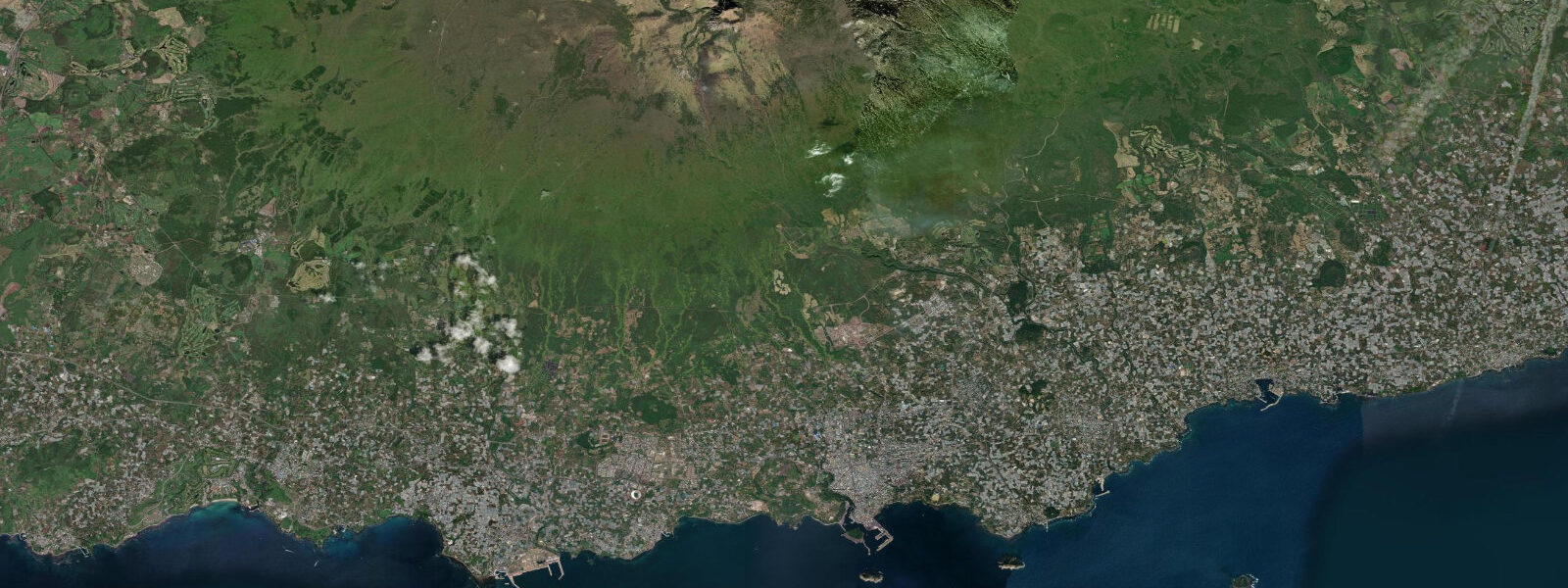
Seogwipo tide times
Seogwipo tide forecast — heights relative to MSL.
Today's tide times for Seogwipo
Tide times at Seogwipo on Monday, 3 August 2026: first low tide at 09:00, first high tide at 12:03, second low tide at 18:10. Sunrise 05:47, sunset 19:32.
Tide chart for Seogwipo
24-hour cosine-interpolated curve around the present moment. Heights relative to MSL. Predictions: Predictions: Open-Meteo Marine (MeteoFrance SMOC, 0.08° grid).
Sun, moon and conditions on Mon 03 Aug
Snapshot at build time — refreshes daily. Sea state from Open-Meteo Marine.
Highs and lows next 7 days
Every predicted high and low for the next week, with the daily tidal coefficient (0–120; higher = bigger swing, > 95 means stronger currents).
Other spots nearby
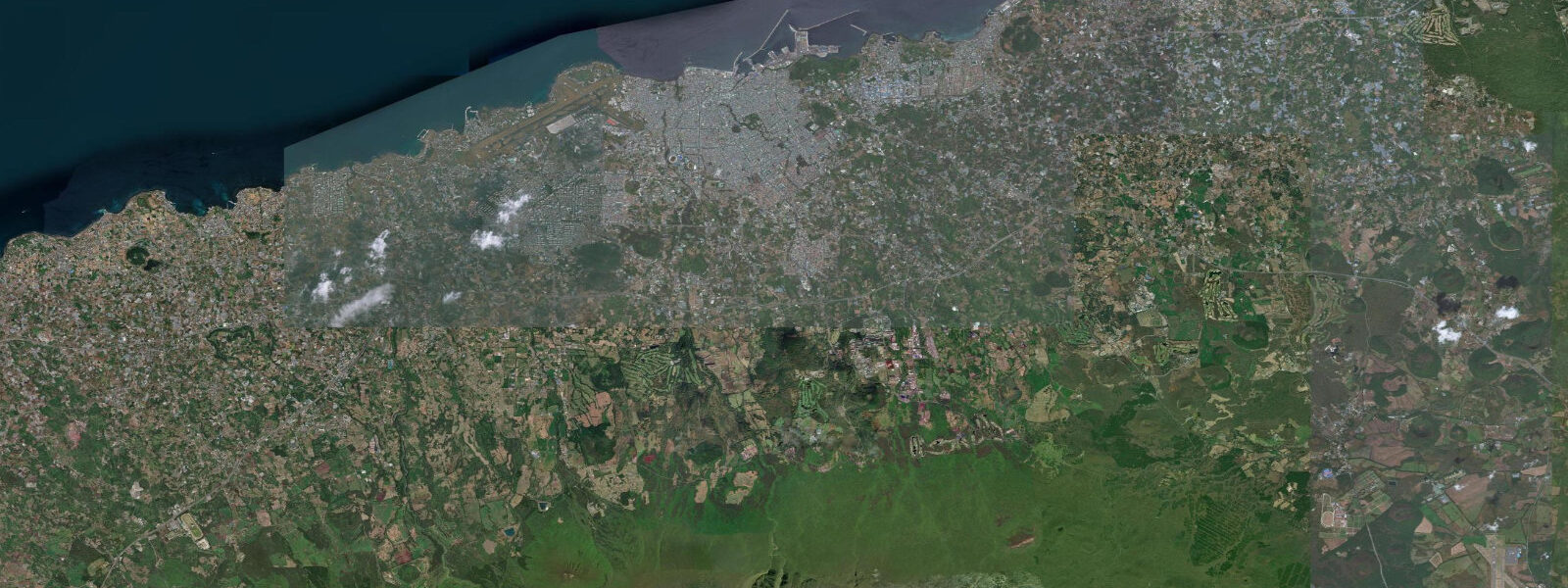
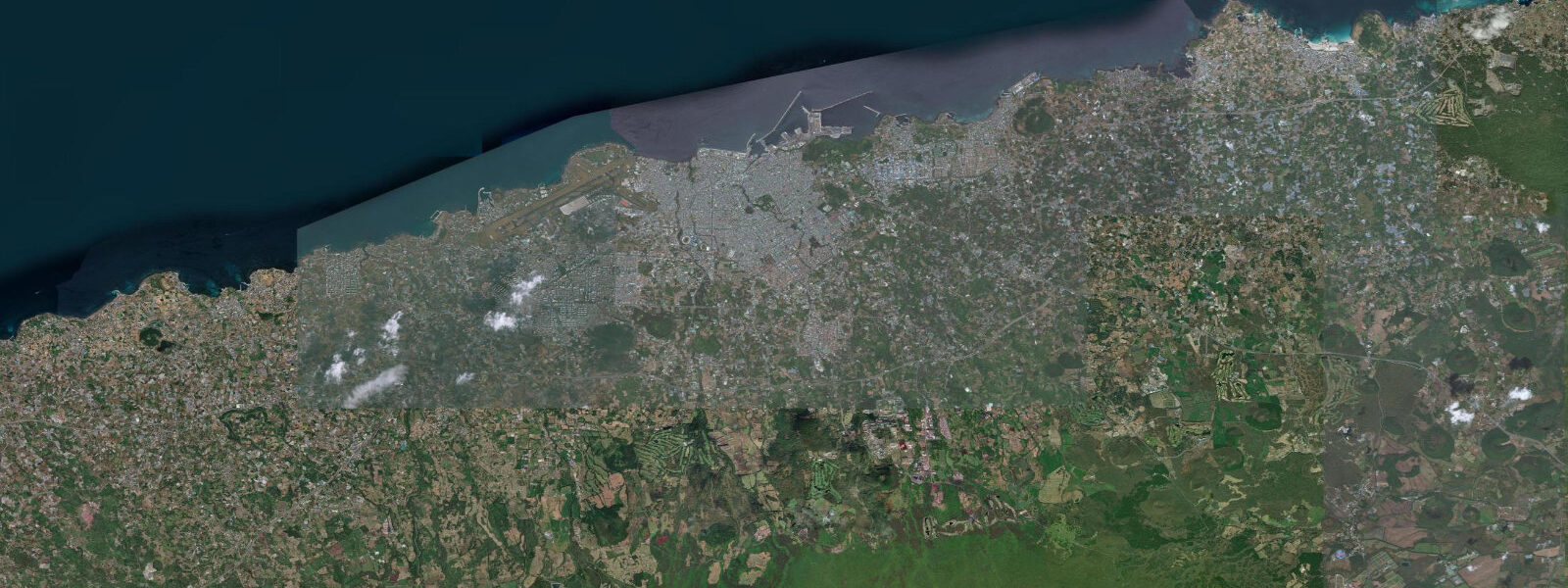
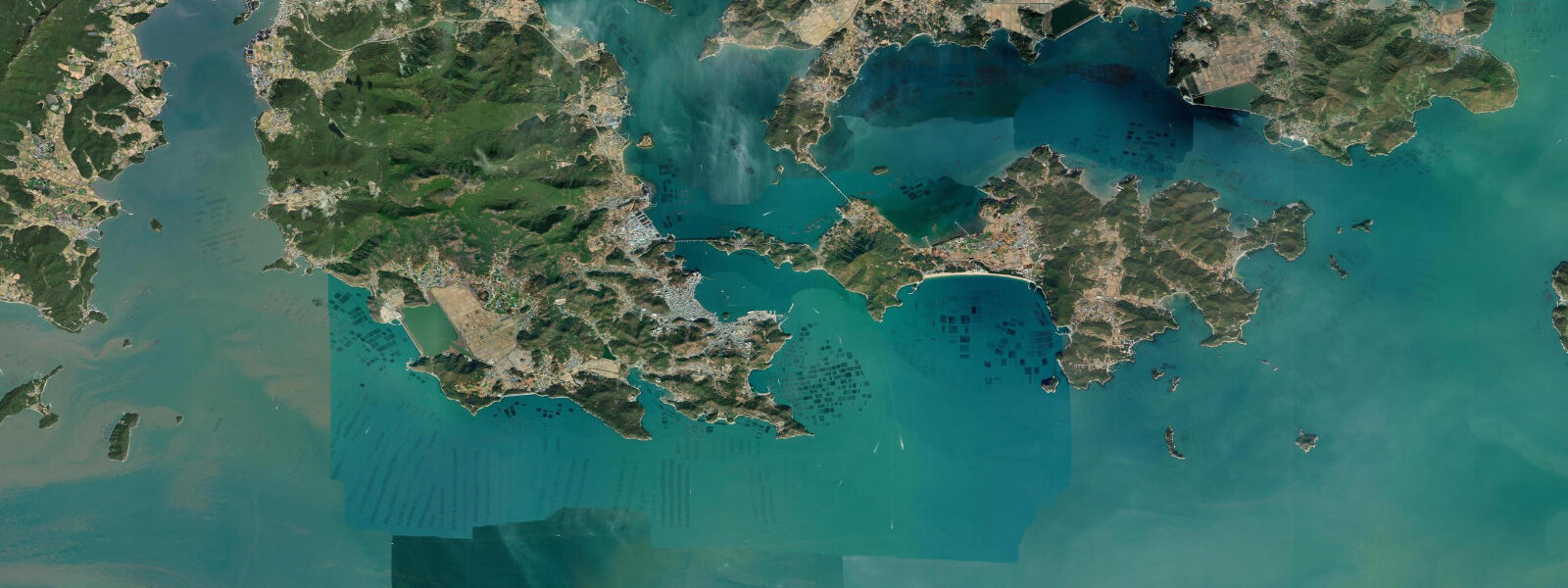
The three closest curated TideTurtle locations to Seogwipo, measured by great-circle distance.
Today's solunar windows
Solunar tradition: major periods are the ≈3h windows around moon transit and opposition; minor are ≈2h around moonrise and moonset. Pair with the local tide stage and wind for the best read.
Cycle dates near Seogwipo
Last spring tide on Mon 03 Aug (range 1.9m). Next spring tide on Sat 08 Aug (range 1.6m). Next neap on Thu 06 Aug.
Spring tides cluster around new and full moons (biggest swings). Neap tides land on quarter moons (smallest swings). See the spring tide and neap tide glossary entries for the why.
About tides at Seogwipo
A short guide to the coastline at Seogwipo — geography, sea state, and what the tide is actually doing under your feet.
Seogwipo is on the south coast of Jeju Island, sheltered from the prevailing north wind by Hallasan volcano (1950 m), and benefits from the warm subtropical current that flows along the southern coast. The city has a subtropical climate — the warmest in Korea — and the marine environment reflects this: hawksbill turtles, subtropical reef fish, and warm water (22 to 26°C in summer) that makes diving and snorkelling accessible without a thick wetsuit. Tidal range is semidiurnal with a mean spring range of about 1.2 metres.
Jeongbang Waterfall is one of the world's few waterfalls that falls directly into the sea — the 23-metre cascade of the Jeongbang Stream drops off a basalt cliff into the Pacific Ocean. The viewing platform at the base of the cliff (accessed by stairs from the waterfall entrance above) gives a direct view of the falls entering the sea at high tide. At low water, the basalt rock shelf at the base is accessible and the rock pool zone is rich. The waterfall is stronger in summer monsoon (June through August).
The fishing village of Cheonjiyeon Waterfall Park hosts Seogwipo's second waterfall — Cheonjiyeon (23 m) falls into a pool before reaching the sea; the access path through subtropical forest is notable for the Taiwanese firefly (Luciola hydrophila) population that is visible at dusk from May through June. The firefly viewing is seasonally restricted.
Scuba diving from Seogwipo is the best in South Korea. The 30-40 minute boat trips to Munseom, Seopseom, and Beomseom islets produce consistent encounters with hawksbill and loggerhead sea turtles at most sites — the turtles are habituated to divers. The warm subtropical current brings visibility to 15 to 25 metres on the best days. Several full-service dive shops operate in Seogwipo's harbour area.
The annual Seogwipo Fire Festival (in February) and the Haenyeo Culture Festival reflect the town's deep connection to the sea. The haenyeo diver demonstrations at the waterfront market are the most accessible public version of the diving tradition.
Predictions on this page come from Open-Meteo Marine, a gridded global ocean model. Accuracy is typically within plus or minus 45 minutes on timing and 0.2 to 0.3 metres on height — model-derived, not from a local gauge. For Korean tide data, consult KHOA at khoa.go.kr.
Tide questions about Seogwipo
Quick answers to the most common questions about tide times, range, and water access at Seogwipo.
What is Jeongbang Waterfall?
Jeongbang Waterfall is the only waterfall in Asia (and one of very few in the world) that falls directly into the ocean — the 23-metre cascade drops off a basalt cliff straight into the Pacific. The viewing area is reached by a stairway from the entrance above; the viewing platform gives a close-up view of the falls hitting the sea. The basalt shelf at the base is accessible at low water spring tides for rock pool exploration. The falls are strongest in the summer monsoon (June through August).
Is there sea turtle diving at Seogwipo?
Yes — hawksbill and loggerhead sea turtles are encountered on virtually every dive at the Munseom, Seopseom, and Beomseom islets off Seogwipo. The turtles are protected and habituated to divers; they rest on the reef and feed on sponges without being disturbed by careful divers who maintain respectful distance. Several dive operators in Seogwipo specifically advertise turtle dive sites. The best visibility (15 to 25 m) is from late September through November when the summer plankton has cleared.
What is the tidal range at Seogwipo?
Mean spring range at Seogwipo is approximately 1.2 metres — slightly smaller than the north Jeju coast due to the island's shadow effect on the tidal wave from the open Pacific. The tidal state affects the Jeongbang Waterfall rock shelf accessibility (at low water the shelf is exposed; at high water it's submerged). Dive sites around the offshore islets have light tidal current on springs.
Can I see the Taiwanese firefly at Cheonjiyeon Park?
The Luciola hydrophila firefly population in Cheonjiyeon Waterfall Park is one of the few remaining accessible firefly colonies in Korea. Viewing season is May through June, at dusk (7:30 to 9:30 p.m.). The park restricts artificial light and visitor numbers during viewing season to protect the colony — check with the park entrance (local website: jejutour.go.kr) for current season status and admission arrangements. Outside the firefly season, the park is open for the waterfall and tropical forest walk.
How do I get from Jeju City to Seogwipo?
Seogwipo is on the opposite side of Jeju Island from Jeju City — about 40 km and 50 to 60 minutes by bus or car. Two express bus routes connect Jeju City terminal to Seogwipo (Line 182 via the coast highway, Line 281 via the centre). Car hire is more flexible for exploring Seogwipo and the south coast sites (Jeongbang, Cheonjiyeon, Oedolgae Rock) in combination. The Jeju Olle Trail Route 8 from Wolpyeong Inlet to the Handong area passes through Seogwipo on foot.
8-day tide table — Seogwipo
Heights relative to MSL. Predictions: Open-Meteo Marine (MeteoFrance SMOC, 0.08° grid) — heights relative to MSL (not chart datum / LAT). Model-derived.
| Day | Type | Time | Height |
|---|---|---|---|
| Mon 03 Aug | Low | 09:00 | 0.3m |
| High | 12:03 | 1.2m | |
| Low | 18:10 | -0.5m | |
| Tue 04 Aug | High | 00:24 | 1.4m |
| Low | 06:48 | -0.5m | |
| High | 12:52 | 1.1m | |
| Low | 18:54 | -0.2m | |
| Wed 05 Aug | High | 01:00 | 1.2m |
| Low | 19:46 | 0.0m | |
| Thu 06 Aug | High | 01:37 | 1.1m |
| Low | 08:18 | -0.3m | |
| High | 15:05 | 1.2m | |
| Low | 20:54 | 0.4m | |
| Fri 07 Aug | High | 02:20 | 1.1m |
| Low | 09:25 | -0.2m | |
| High | 16:50 | 1.3m | |
| Sat 08 Aug | Low | 10:52 | -0.3m |
| High | 18:18 | 1.3m | |
| Sun 09 Aug | Low | 00:36 | 0.4m |
| High | 05:10 | 0.8m | |
| Low | 12:08 | -0.5m | |
| Mon 10 Aug | High | 06:47 | 0.9m |