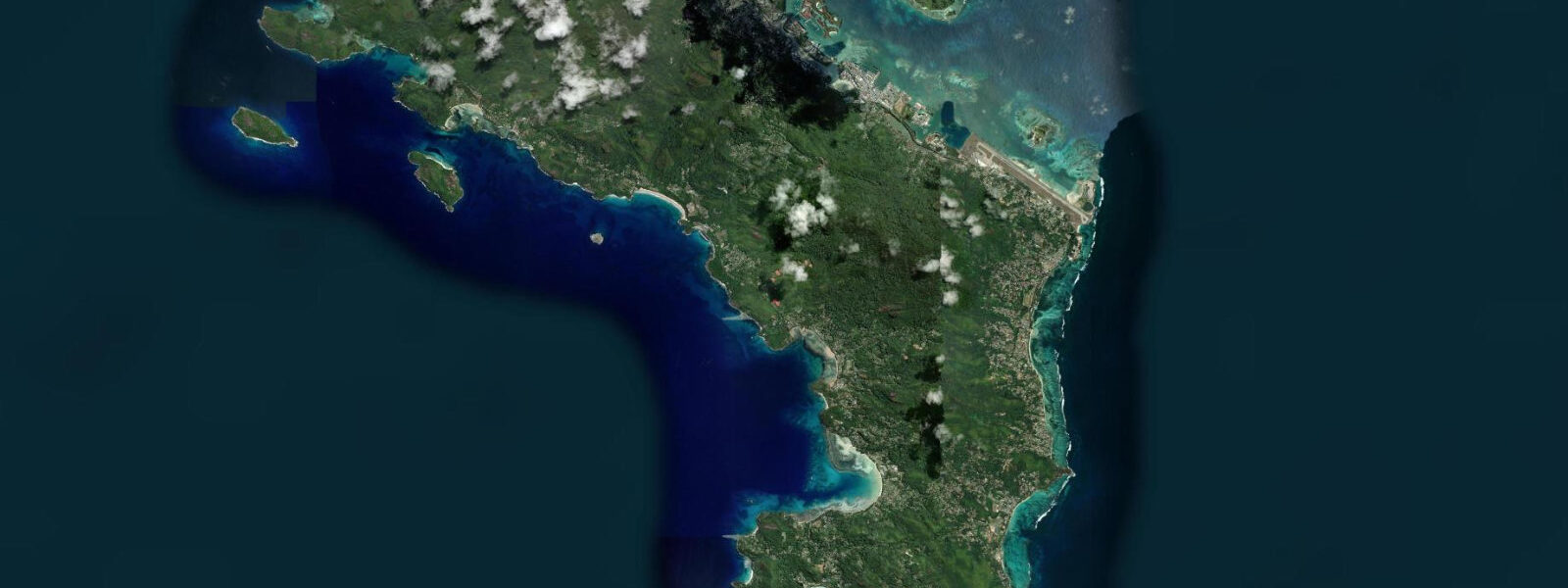
Anse Intendance tide times
Anse Intendance tide forecast — heights relative to MSL.
Today's tide times for Anse Intendance
Tide times at Anse Intendance on Tuesday, 4 August 2026: first low tide at 01:40pm, first high tide at 07:25pm. Sunrise 06:26am, sunset 06:21pm.
Tide chart for Anse Intendance
24-hour cosine-interpolated curve around the present moment. Heights relative to MSL. Predictions: Predictions: Open-Meteo Marine (MeteoFrance SMOC, 0.08° grid).
Sun, moon and conditions on Tue 04 Aug
Snapshot at build time — refreshes daily. Sea state from Open-Meteo Marine.
Highs and lows next 7 days
Every predicted high and low for the next week, with the daily tidal coefficient (0–120; higher = bigger swing, > 95 means stronger currents).
Other spots nearby
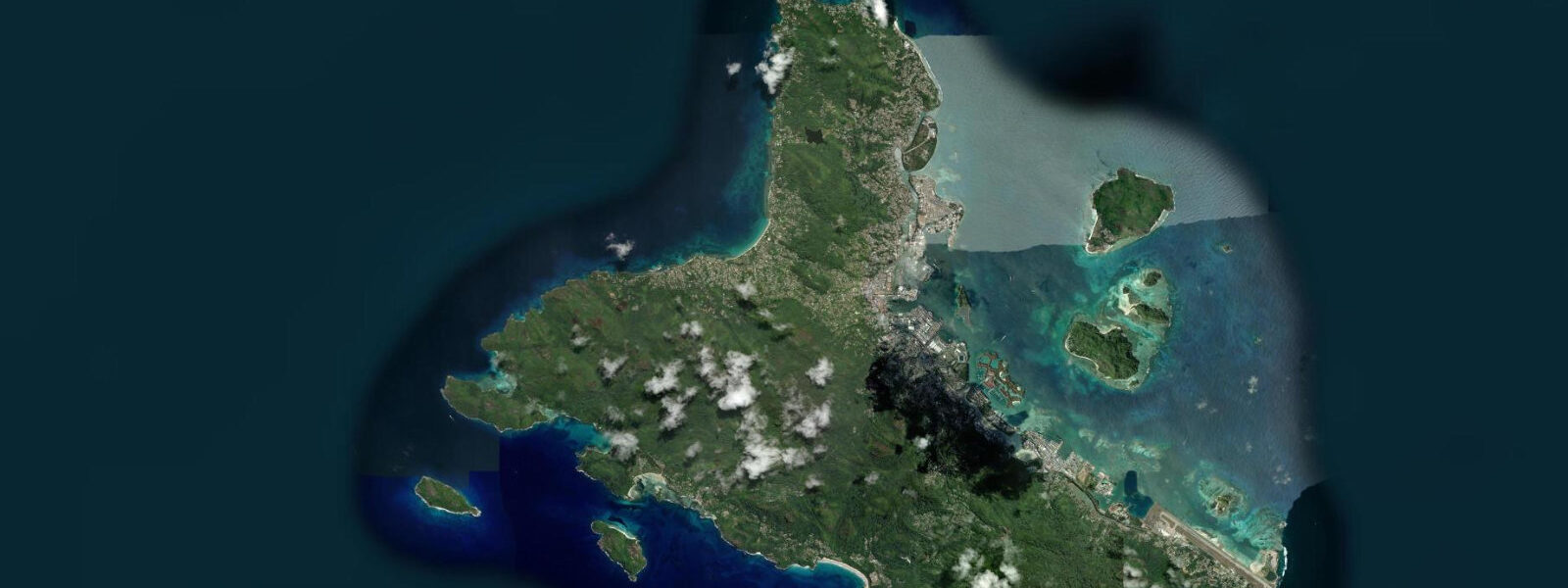
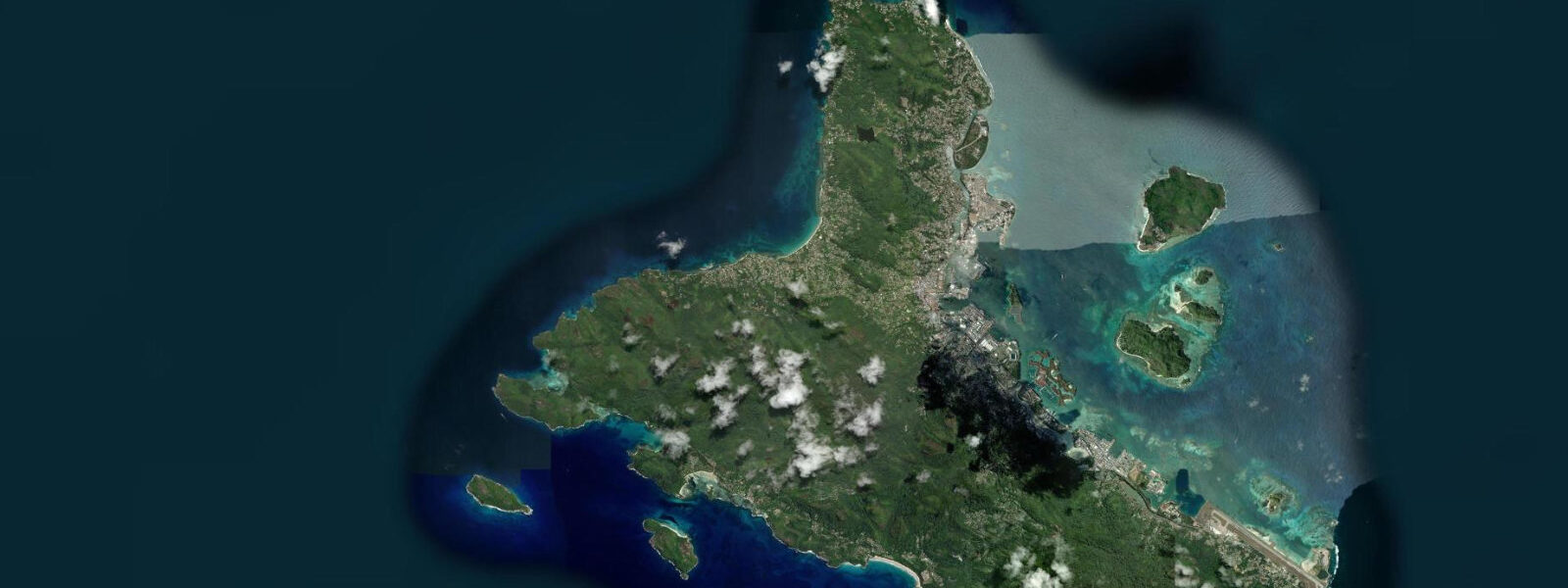
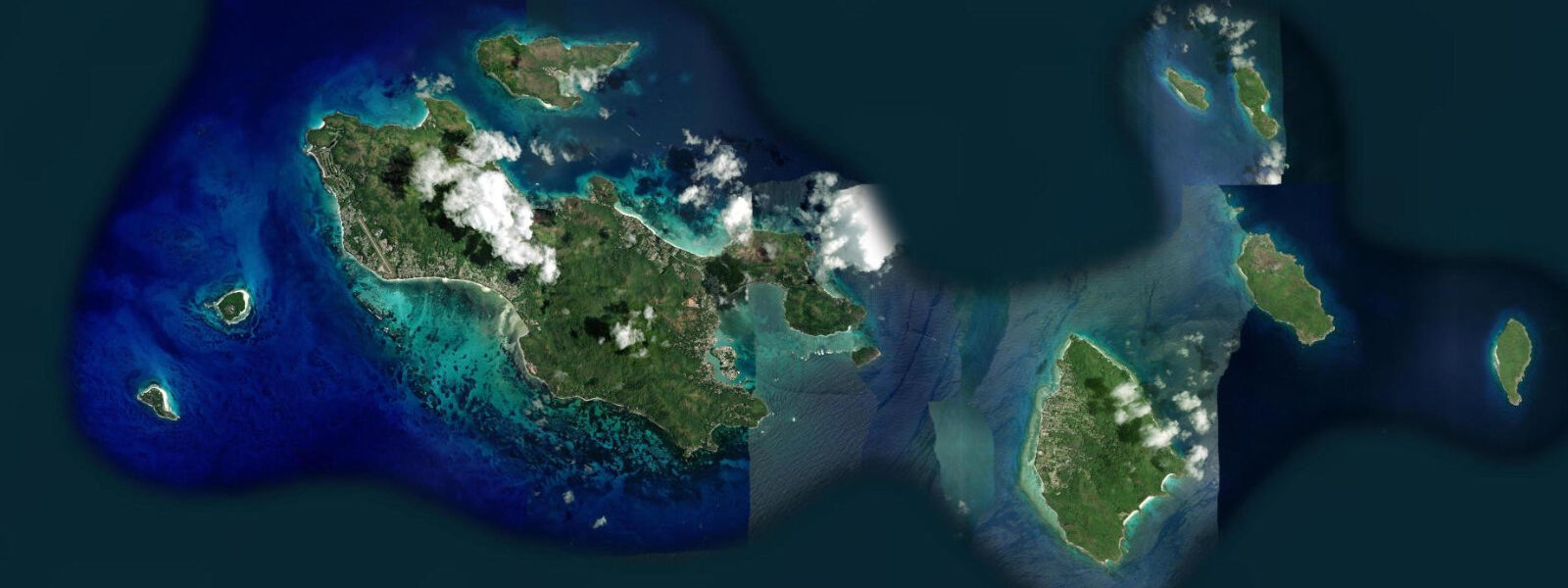
The three closest curated TideTurtle locations to Anse Intendance, measured by great-circle distance.
Today's solunar windows
Solunar tradition: major periods are the ≈3h windows around moon transit and opposition; minor are ≈2h around moonrise and moonset. Pair with the local tide stage and wind for the best read.
Cycle dates near Anse Intendance
Next spring tide on Wed 05 Aug (range 1.1m). Next neap on Mon 10 Aug.
Spring tides cluster around new and full moons (biggest swings). Neap tides land on quarter moons (smallest swings). See the spring tide and neap tide glossary entries for the why.
About tides at Anse Intendance
A short guide to the coastline at Anse Intendance — geography, sea state, and what the tide is actually doing under your feet.
Anse Intendance is a 400 m arc of sand on the exposed southeastern coast of Mahé, facing 150° southeast into the open Indian Ocean. There is no reef or headland between this beach and the coast of Sri Lanka, 2,200 km to the northeast — and none between it and the Antarctic continent to the south. The granite hills behind the beach — part of a private nature reserve — rise steeply from the sand, and the access track from the nearest road descends through dense tropical vegetation for roughly 300 m before reaching the shore.
The tidal regime at Anse Intendance is mixed predominantly diurnal, identical to the rest of the inner Seychelles: spring range 0.9–1.3 m above chart datum, neap range 0.3–0.5 m. The tide table matters here, but it is not always the controlling variable for beach conditions. During the SE trade season from May through October, Anse Intendance receives consistent groundswell from the south and southeast, with significant wave height of 1.5–2.5 m on active trade days. On those days the wave energy at the shore — and the lateral current generated by oblique wave approach — exceeds the tidal influence on beach conditions by a significant margin.
This is one of the very few beaches in the Seychelles that produces waves suitable for bodyboarding or shortboard surfing. The swell is consistent in the trade season; the beach break is most organised at mid-tide when the shore slope creates a useful step for the incoming waves. At high spring water the waves close out quickly across the full sand face; at low water the submerged sand bars are barely covered and the break becomes guttery and unorganised. The middle two hours either side of mid-tide (between the low and the high) offer the most defined conditions. Surfing is self-organised; there are no facilities, no instruction, and no lifeguard.
During the NW monsoon from December through March, Anse Intendance calms substantially. The southeast-facing coast enters the island's wind shadow during northwesterly conditions, and significant wave height drops to 0.2–0.5 m on typical NW monsoon days. The beach becomes a calm, turquoise swimming bay — almost unrecognisable from its trade-season character. The trade-season NW beaches (Beau Vallon, Port Launay) are exposed during this window, and Anse Intendance becomes one of the better swimming spots on Mahé. Water clarity is also noticeably higher without the stirred sediment from trade-season swell.
Anglers fishing from Anse Intendance target the school of fish that works the sand along the wave-break line and the rocky platforms of the flanking headlands. Shore fishing on the SE swell coast is best during the early ebb when the retreating tide concentrates fish at the edge of the sand shelf. Trevally and grouper are the primary targets from the headland rocks; casting into the wave zone at mid-tide covers the sand-flat species. Note that the approach to the beach across the rough track can be muddy after rain — the southeast slopes of Mahé receive some of the heaviest rainfall on the island.
Photographers working the beach should arrive in the late afternoon when the southerly light strikes the granite headland on the northern side, contrasting the dark rock against the white foam of breaking swell. At low water the full width of the sandy beach is exposed and the wave-cut step at the lower beach provides a foreground element. At high spring water the waves reach closer to the vegetation line, narrowing the beach to a few metres in some sections.
Predictions for Anse Intendance on this page come from Open-Meteo Marine, a gridded global ocean model; accuracy is typically ±45 minutes on timing and ±0.2–0.3 m on height. The Seychelles Meteorological Authority (SMA) tide tables for Victoria Harbour are the authoritative reference for the Mahé region.
Tide questions about Anse Intendance
Quick answers to the most common questions about tide times, range, and water access at Anse Intendance.
Is Anse Intendance good for swimming?
It depends entirely on the season and the day. During the NW monsoon (December–March), Anse Intendance is in the island's wind shadow and the SE-facing coast is calm; 0.2–0.5 m wave height makes it a manageable swimming beach. During the SE trade season (May–October), significant wave height regularly reaches 1.5–2.5 m at the shore. The lateral current generated by oblique-approach swell can be strong across the beach face. Swimming during active trade-season swell is not recommended for casual swimmers; the beach has no lifeguard and no warning flag system. Check the Marine Forecast from the Seychelles Meteorological Authority for current wave height before entering the water during May–October.
When is the swell best for bodyboarding at Anse Intendance?
The SE trade season from May through October delivers the most consistent swell to Anse Intendance. Typical significant wave height on active trade days is 1.5–2.5 m with period around 10–14 seconds from the south-southeast. The most organised break occurs at mid-tide — the two-hour window either side of the mid-point between low and high water. At high spring water (spring range 0.9–1.3 m) the waves close out across the full beach face. At low water the exposed sand steps are dry and the wave energy dissipates unevenly. There is no dedicated surf forecast service for the Seychelles; the best proxy is the Open-Meteo or Windy Marine swell model combined with the SMA weather forecast.
How do I get to Anse Intendance?
Anse Intendance is on the southeastern coast of Mahé, approximately 12 km from Victoria by road. The quickest route follows the coast road south from Victoria through Anse Aux Pins, then west over the mountain road via Quatre Bornes to Anse Intendance — roughly 30–40 minutes by taxi. There is no scheduled bus service that reaches the beach directly; the nearest bus stop is a 20-minute walk from the access path. The access path descends 300 m through private nature reserve land and can be muddy after rain. Rental cars and taxis are the practical options. Parking is limited to a small cleared area near the top of the path.
What is the tidal range at Anse Intendance?
The tidal regime is mixed predominantly diurnal — the same as all inner Seychelles beaches. Spring range is 0.9–1.3 m above chart datum; neap range is 0.3–0.5 m. During the SE trade season, however, wave setup at the shore can add 0.1–0.3 m to the effective water level at the sand face, and wave run-up on a 1.5 m swell day reaches considerably higher than the predicted tide level. The tide is relevant for planning the wave-break character (mid-tide favours the best bodyboarding conditions), but the swell height and direction are the controlling variables for beach conditions. Open-Meteo Marine predictions on this page carry the standard accuracy of ±45 minutes on timing and ±0.2–0.3 m on height.
Is Anse Intendance on private land?
The beach itself is public — like all beaches in the Seychelles, the foreshore to the high-water mark is accessible to the public under Seychelles law. The approach path to Anse Intendance passes through land associated with a private nature reserve; visitors should use the established path rather than attempting to approach through the vegetation. There are no facilities on the beach — no toilet block, no vendor, no beach furniture. Carry water and sun protection. The nearest shops are in Quatre Bornes or on the Anse Takamaka road, approximately 3–5 km from the beach access point.
8-day tide table — Anse Intendance
Heights relative to MSL. Predictions: Open-Meteo Marine (MeteoFrance SMOC, 0.08° grid) — heights relative to MSL (not chart datum / LAT). Model-derived.
| Day | Type | Time | Height |
|---|---|---|---|
| Tue 04 Aug | Low | 13:40 | -0.1m |
| High | 19:25 | 0.7m | |
| Wed 05 Aug | Low | 01:35 | -0.2m |
| High | 08:15 | 0.9m | |
| Thu 06 Aug | Low | 02:06 | -0.2m |
| High | 09:03 | 0.9m | |
| Low | 15:40 | 0.1m | |
| High | 20:42 | 0.4m | |
| Fri 07 Aug | Low | 02:45 | -0.1m |
| High | 10:21 | 0.9m | |
| Low | 17:42 | 0.1m | |
| High | 22:10 | 0.3m | |
| Sat 08 Aug | Low | 03:50 | -0.0m |
| High | 11:52 | 0.9m | |
| Sun 09 Aug | Low | 05:40 | 0.0m |
| High | 13:22 | 1.0m | |
| Low | 20:47 | -0.1m | |
| Mon 10 Aug | High | 02:10 | 0.4m |
| Low | 21:25 | -0.2m | |
| Tue 11 Aug | High | 03:00 | 0.5m |