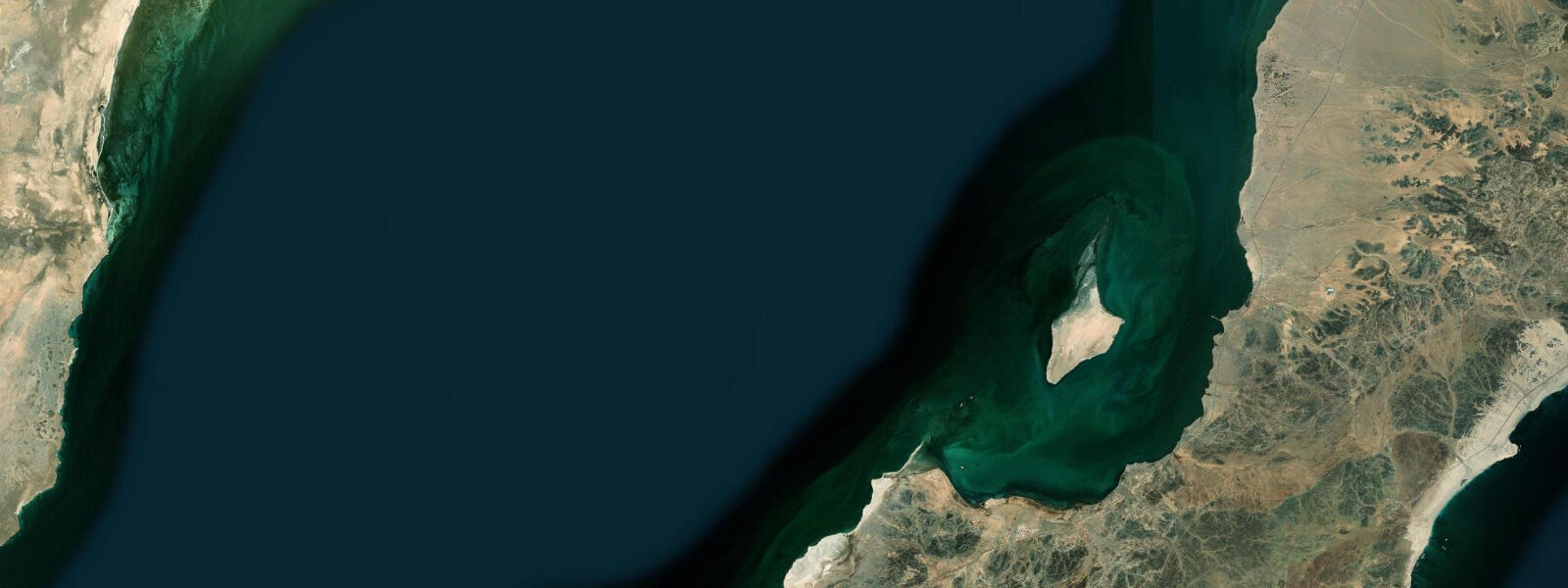
Masirah Island tide times
Masirah Island tide forecast — heights relative to MSL.
Today's tide times for Masirah Island
Tide times at Masirah Island on Tuesday, 4 August 2026: first high tide at 04:00am, first low tide at 05:48am, second high tide at 12:12pm, second low tide at 06:58pm. Sunrise 05:40am, sunset 06:41pm.
Tide chart for Masirah Island
24-hour cosine-interpolated curve around the present moment. Heights relative to MSL. Predictions: Predictions: Open-Meteo Marine (MeteoFrance SMOC, 0.08° grid).
Sun, moon and conditions on Tue 04 Aug
Snapshot at build time — refreshes daily. Sea state from Open-Meteo Marine.
Highs and lows next 7 days
Every predicted high and low for the next week, with the daily tidal coefficient (0–120; higher = bigger swing, > 95 means stronger currents).
Other spots nearby
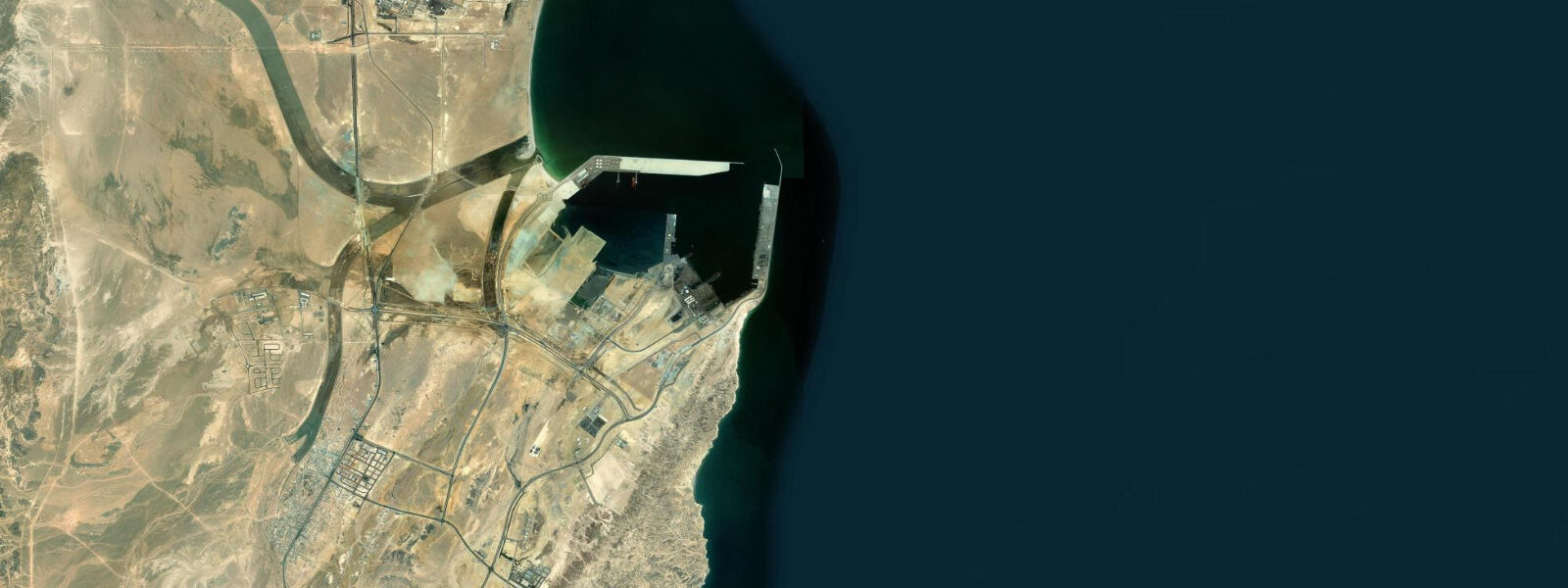
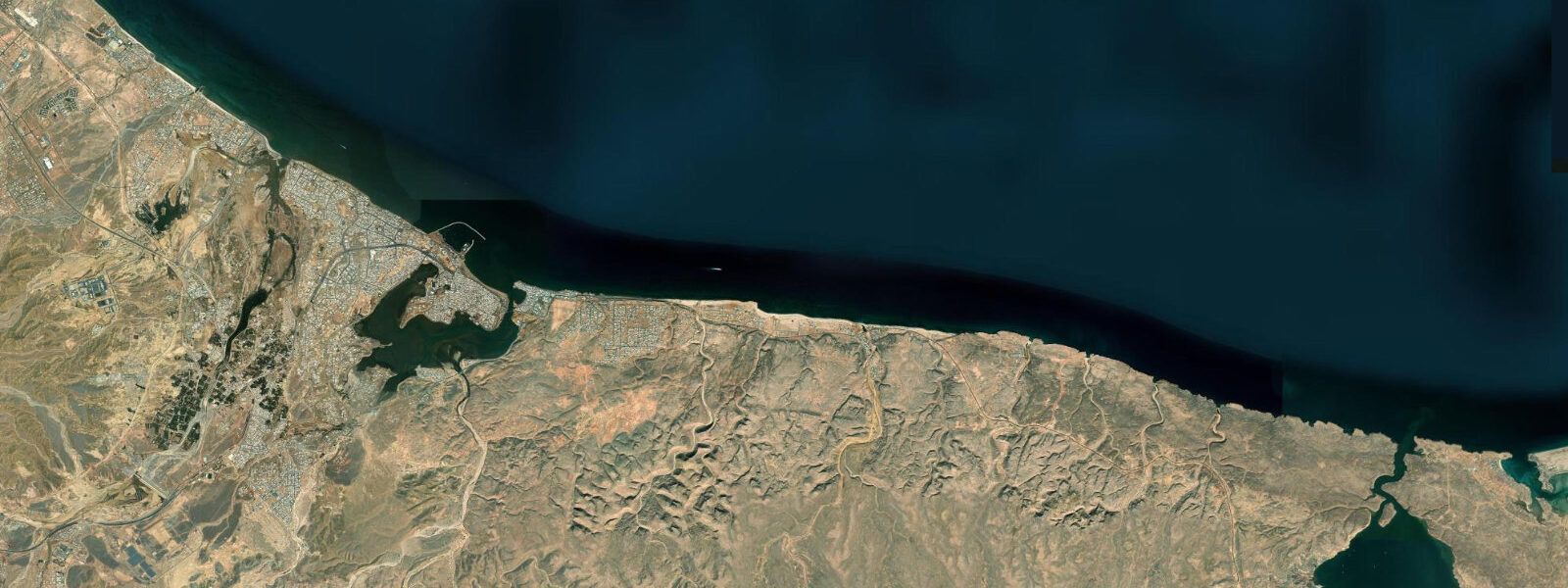
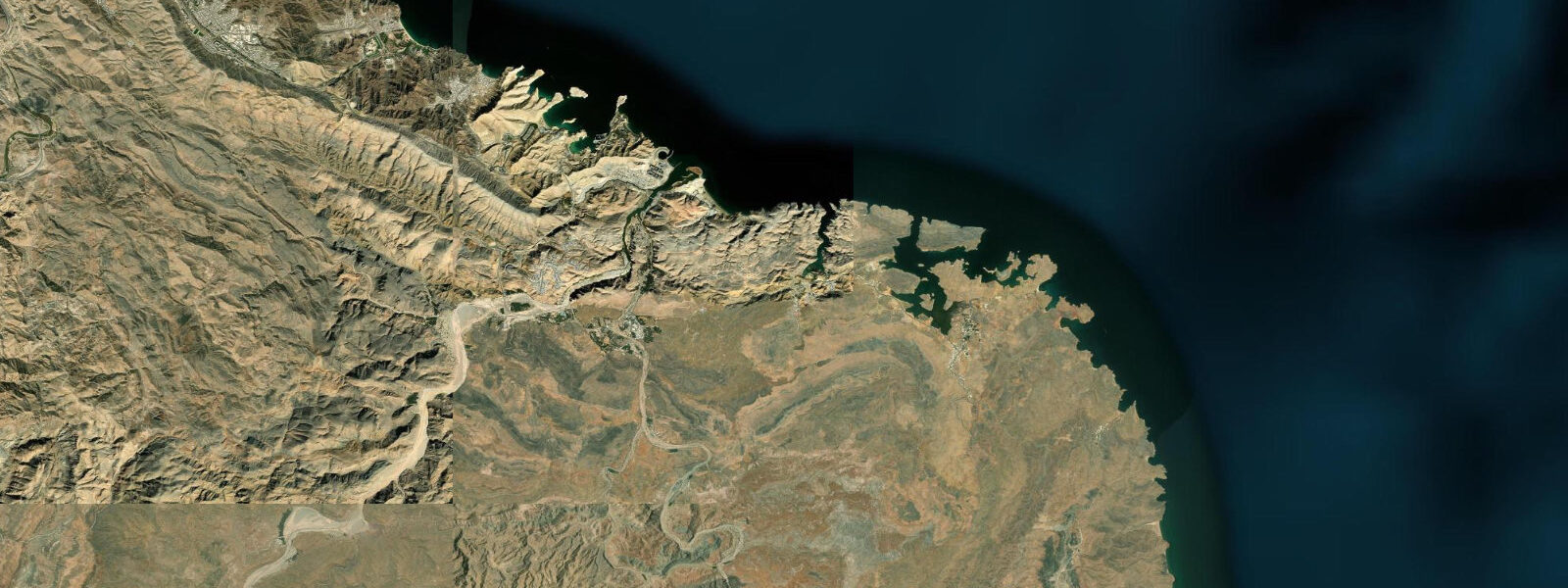
The three closest curated TideTurtle locations to Masirah Island, measured by great-circle distance.
Today's solunar windows
Solunar tradition: major periods are the ≈3h windows around moon transit and opposition; minor are ≈2h around moonrise and moonset. Pair with the local tide stage and wind for the best read.
Cycle dates near Masirah Island
Next spring tide on Sat 08 Aug (range 1.7m). Last neap on Tue 04 Aug. Next neap on Sun 09 Aug.
Spring tides cluster around new and full moons (biggest swings). Neap tides land on quarter moons (smallest swings). See the spring tide and neap tide glossary entries for the why.
About tides at Masirah Island
A short guide to the coastline at Masirah Island — geography, sea state, and what the tide is actually doing under your feet.
Masirah Island lies in the Arabian Sea off the central Omani coast, separated from the mainland by the Masirah Channel — a 20 km wide strait that is one of the most reliably windy stretches of water in the western Arabian Sea. The island is 100 km long and 20 km wide, the largest island in Oman, and it combines three things that rarely coexist: one of the world's largest loggerhead sea turtle (Caretta caretta) nesting populations, a functioning military airbase (Omani Air Force, formerly leased to the USAF), and some of the best kite-surfing wind in the Indian Ocean region.
The loggerhead turtle nesting season runs from October through April, with the peak from November through January. Tens of thousands of loggerheads nest annually on Masirah's beaches — the exact count varies by year but estimates of 30,000 to 40,000 nesting females in a peak year place Masirah among the three or four most significant loggerhead rookeries globally. The nesting activity is concentrated on the eastern and southern beaches away from the main settlement at Hilf. Night walks to observe nesting are possible during the season but are self-guided (no formal reserve infrastructure as of the most recent information available); the beach walk approach is similar to other unmanaged nesting beaches — minimal lighting, quiet movement, and staying back from active nesting turtles.
The Masirah Channel on the island's western side is the kite-surfing environment: the channel wind between the island and the mainland is accelerated by the channelling effect and reaches 20 to 35 knots reliably from May through September, the southwest monsoon (Khareef) season. The fetch in the channel is not excessive — the mainland is 20 km west — so the swell is moderate; the wind-to-swell ratio produces good planing conditions rather than full ocean waves. Several kite camps have operated from the channel-side beach, though infrastructure is basic and varies seasonally.
The island has very few tourist facilities: the main settlement at Hilf has the ferry terminal, some shops, and a few basic guest houses. There is no resort hotel, no dive centre, and no formal turtle-watching operation with booking infrastructure. Visitors arrive self-sufficient.
The Arabian Sea tidal regime at Masirah is semidiurnal with a spring range of 1.5 to 2.0 m. The tidal current in the Masirah Channel is significant at springs — the channel geometry concentrates the flow and runs at 1 to 2 knots, which is a practical factor for the kite surfing entry and exit points on the channel beach. Predictions on this page come from Open-Meteo Marine gridded model. The DGMET in Oman publishes the authoritative tide tables for this region.
Tide questions about Masirah Island
Quick answers to the most common questions about tide times, range, and water access at Masirah Island.
When is the next high tide at Masirah Island?
The hero block at the top of this page shows the next predicted high at Masirah in local Oman Standard Time (GST, UTC+4). Masirah has an Arabian Sea semidiurnal tide with a spring range of 1.5 to 2.0 m. The tidal current in the Masirah Channel between the island and the mainland runs at 1 to 2 knots at springs — relevant for channel-side kite-surfing entry and exit. The Directorate General of Meteorology (DGMET) in Oman publishes the authoritative tide tables for this region.
What is the tidal range at Masirah Island?
Mean spring range at Masirah is 1.5 to 2.0 m — a significant semidiurnal tide characteristic of the open Arabian Sea. Neap range compresses to roughly 0.5 to 1.0 m. The Masirah Channel concentrates the tidal current, which reaches 1 to 2 knots at springs. The tidal state also affects turtle nesting beach conditions — high spring tides during the nesting season occasionally inundate lower beach zones and influence nest site selection by nesting females.
Where do these tide predictions come from?
Open-Meteo Marine, a free gridded global ocean model. At Masirah's 1.5 to 2.0 m spring range, the model's typical accuracy (plus or minus 45 minutes, 0.2 to 0.3 m) is 10 to 20 percent of the total signal. For authoritative Omani tide data, the DGMET publishes tide tables for Omani ports. The UKHO also publishes tide tables covering the Arabian Sea coast of Oman.
When is the best time to visit Masirah for turtles and for kite-surfing?
The two activities have complementary seasons. Loggerhead turtle nesting peaks November through January (season October to April) — this is also the northeast monsoon period, when the island is cooler and more comfortable for visitors. Kite-surfing season in the Masirah Channel peaks May through September, driven by the southwest monsoon (Khareef), which delivers 20 to 35 knot winds consistently. The overlap period (April and October) offers moderate conditions for both activities. Infrastructure is minimal year-round — self-sufficient travel with a tent or camping gear is the standard approach for extended stays. Road access from the mainland is by ferry from Shannah on the mainland coast.
Is this safe to use for navigation?
No. TideTurtle is a planning tool for recreational coastal activity, not a navigation resource. The Masirah Channel has significant tidal currents at springs and the island's coastline includes reef and shoal areas. The Masirah airbase restricts airspace and has maritime exclusion zones around its facilities. For vessel operations, use UKHO charts for the Arabian Sea coast of Oman and the DGMET meteorological bulletins. Open-Meteo Marine gridded predictions do not replace authoritative navigation sources.
7-day tide table — Masirah Island
Heights relative to MSL. Predictions: Open-Meteo Marine (MeteoFrance SMOC, 0.08° grid) — heights relative to MSL (not chart datum / LAT). Model-derived.
| Day | Type | Time | Height |
|---|---|---|---|
| Tue 04 Aug | High | 04:00 | -0.1m |
| Low | 05:48 | -0.3m | |
| High | 12:12 | 1.0m | |
| Low | 18:58 | -0.6m | |
| Wed 05 Aug | High | 01:15 | 0.6m |
| Low | 06:25 | -0.1m | |
| High | 12:45 | 1.0m | |
| Low | 19:48 | -0.7m | |
| Thu 06 Aug | High | 13:16 | 1.0m |
| Low | 20:50 | -0.8m | |
| Fri 07 Aug | High | 04:15 | 0.5m |
| Low | 08:18 | 0.3m | |
| High | 14:05 | 0.9m | |
| Low | 22:02 | -0.8m | |
| Sat 08 Aug | High | 05:52 | 0.6m |
| Low | 09:45 | 0.4m | |
| High | 15:15 | 0.8m | |
| Low | 23:17 | -0.9m | |
| Sun 09 Aug | High | 07:19 | 0.8m |
| Low | 12:00 | 0.4m | |
| Mon 10 Aug | High | 08:04 | 0.9m |
| Low | 13:18 | 0.3m | |
| High | 18:02 | 0.8m |