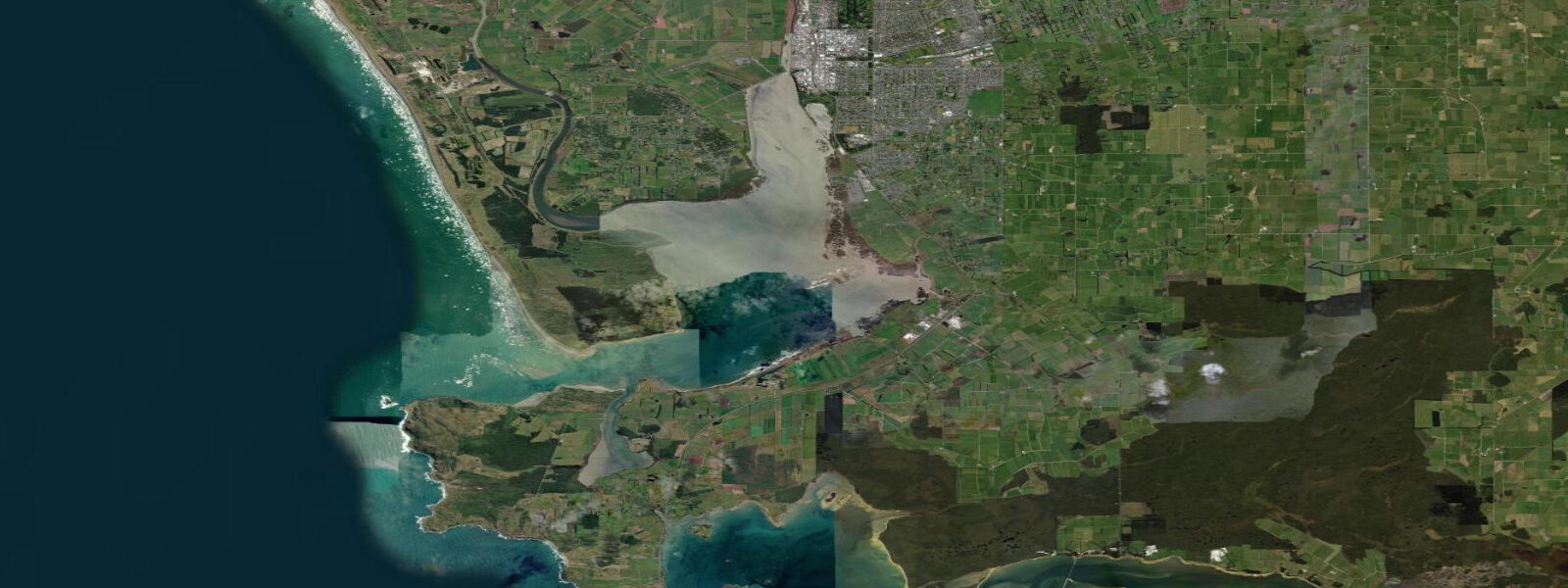
Oreti Beach, Invercargill tide times
Oreti Beach, Invercargill tide forecast — heights relative to MSL.
Tide chart for Oreti Beach, Invercargill
24-hour cosine-interpolated curve around the present moment. Heights relative to MSL. Predictions: Predictions: Open-Meteo Marine (MeteoFrance SMOC, 0.08° grid).
Sun, moon and conditions on Thu 06 Aug
Snapshot at build time — refreshes daily. Sea state from Open-Meteo Marine.
Highs and lows next 7 days
Every predicted high and low for the next week, with the daily tidal coefficient (0–120; higher = bigger swing, > 95 means stronger currents).
Other spots nearby
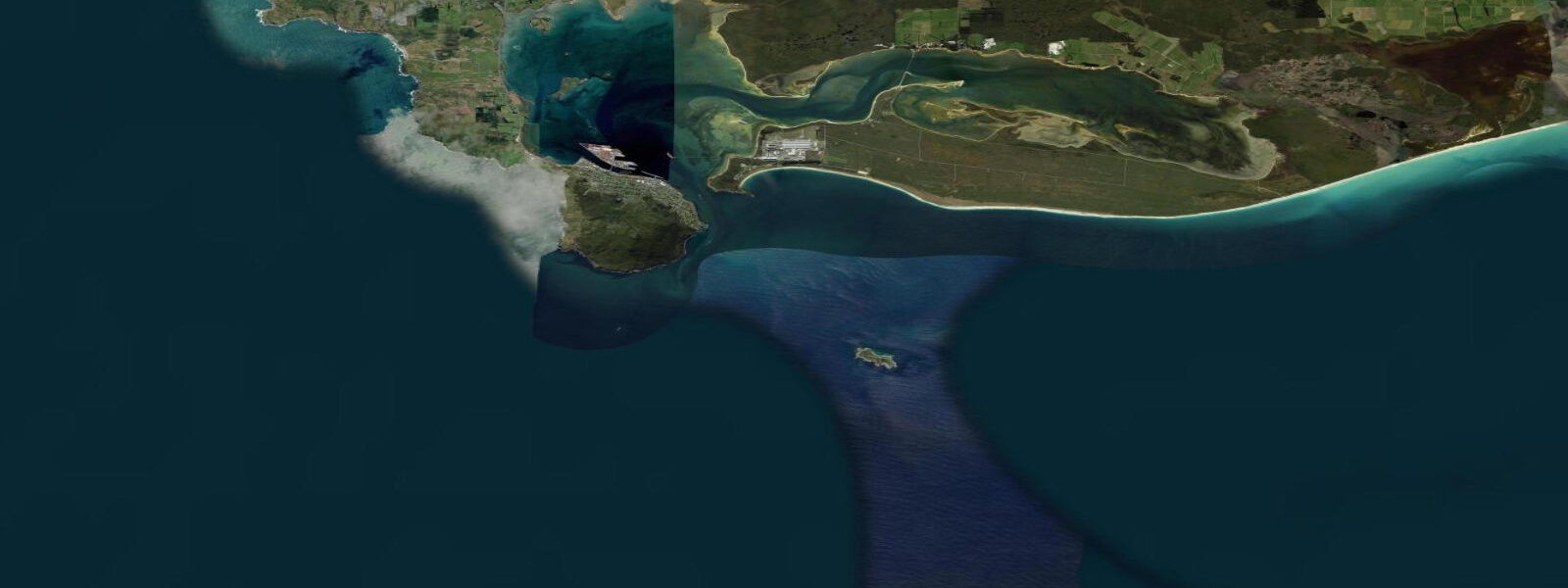
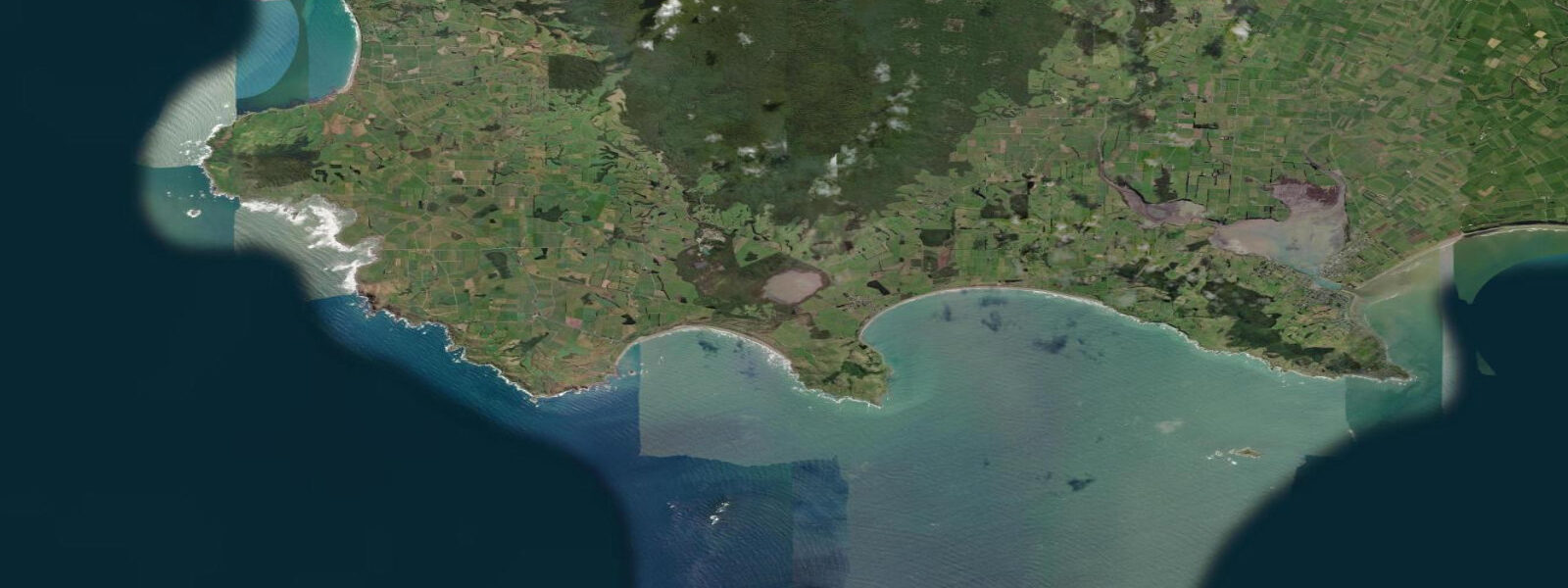
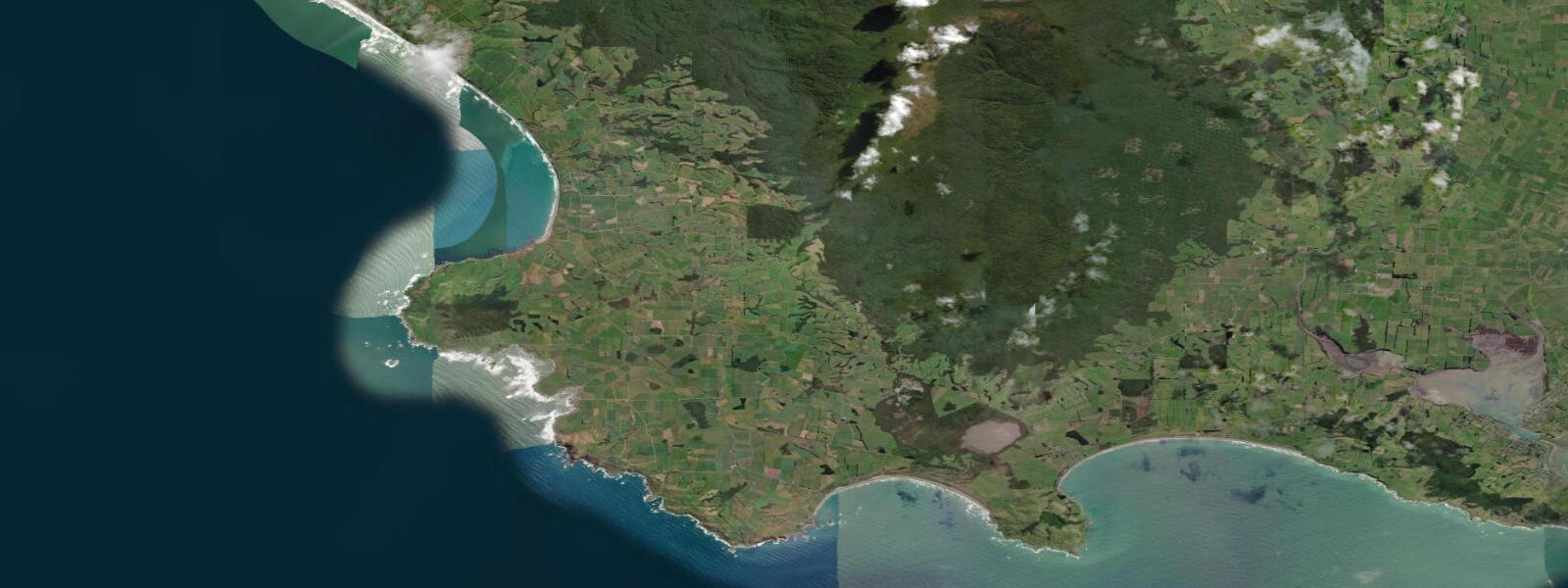
The three closest curated TideTurtle locations to Oreti Beach, Invercargill, measured by great-circle distance.
Today's solunar windows
Solunar tradition: major periods are the ≈3h windows around moon transit and opposition; minor are ≈2h around moonrise and moonset. Pair with the local tide stage and wind for the best read.
Cycle dates near Oreti Beach, Invercargill
Last spring tide on Tue 04 Aug (range 1.7m). Next spring tide on Mon 10 Aug (range 2.3m). Next neap on Thu 06 Aug.
Spring tides cluster around new and full moons (biggest swings). Neap tides land on quarter moons (smallest swings). See the spring tide and neap tide glossary entries for the why.
About tides at Oreti Beach, Invercargill
A short guide to the coastline at Oreti Beach, Invercargill — geography, sea state, and what the tide is actually doing under your feet.
Oreti Beach is 14 kilometres of straight, exposed surf beach on the Southland coast west of Invercargill, facing the approaches to Foveaux Strait. Mean tidal range is approximately 2.2 metres — enough to move the waterline across a wide, hard-packed low-tide flat. At low water, the flat is broad and firm. It was that combination of length, firmness, and near-total absence of obstacles that brought Burt Munro here.
Munro, a Southland engineer and lifelong motorcyclist, spent decades modifying a 1920 Indian Scout in his Invercargill garage. He brought it to Oreti repeatedly for speed testing on the low-tide flat, eventually shipping it to the Bonneville Salt Flats in Utah, where in 1967 he set a world record for under-1000cc motorcycles at 184.087 mph — a record that still stands. The 2005 film The World's Fastest Indian (Anthony Hopkins as Munro) recreated some of the Oreti preparation runs. The beach and its tidal flat were a testing ground that no constructed facility could have provided cheaply.
Oreti is also one of the few New Zealand beaches where motor vehicles are permitted on the sand. The beach is used for four-wheel driving, horse riding, and — when conditions allow — kiteboarding in the onshore westerlies. Swimmers and waders use the sheltered section closest to the access point at New River Estuary; the open beach is exposed to Foveaux Strait weather and the water is cold year-round (12–15°C). The surf in southwesterly swells can be powerful on the outer sections.
The New River Estuary at the northern end of the beach is a significant intertidal habitat. At low water the mudflats attract bar-tailed godwits (Limosa lapponica), South Island oystercatchers, and other migratory wading birds. The estuary tidal exchange follows Oreti Beach's 2.2-metre range.
Predictions on this page come from Open-Meteo Marine, a global gridded ocean model accurate to within approximately ±45 minutes on timing and ±0.2–0.3 metres on height. For authoritative New Zealand tidal predictions, consult LINZ at linz.govt.nz.
Tide questions about Oreti Beach, Invercargill
Quick answers to the most common questions about tide times, range, and water access at Oreti Beach, Invercargill.
What is the tidal range at Oreti Beach?
Mean spring tidal range at Oreti Beach is approximately 2.2 metres. The 2.2-metre rise and fall moves the waterline across a wide, low-gradient beach, exposing a broad hard-packed flat at low water. That flat is why Burt Munro used the beach for speed testing — the surface quality at low tide rivals prepared tracks.
Can I drive on Oreti Beach?
Yes — Oreti Beach is one of the few New Zealand beaches where motor vehicles are legally permitted on the sand. Access is at the New River Estuary end, off Dunns Road west of Invercargill. Standard road rules apply on the beach; pedestrians and horses also use the area, so keep speeds low in shared sections. The hard-packed low-tide flat is driveable; the upper beach above the tide line is softer and less predictable.
What is the connection to Burt Munro and The World's Fastest Indian?
Burt Munro was an Invercargill-based engineer who spent decades modifying a 1920 Indian Scout motorcycle. He used Oreti Beach's long, firm low-tide flat for development runs before taking the bike to the Bonneville Salt Flats in Utah. In 1967 he set a world land speed record for under-1000cc motorcycles at 184.087 mph, a record that still stands. The 2005 film The World's Fastest Indian (Anthony Hopkins) tells the story and recreated the Oreti runs on location.
Is Oreti Beach safe for swimming?
The sheltered section near the New River Estuary access point is the most suitable for swimming. The open beach is exposed to Foveaux Strait weather — southwesterly swells can produce powerful surf with strong rips, and water temperature is 12–15°C year-round (cold water shock is a risk without a wetsuit). There are no lifeguards on Oreti Beach. The beach is better for driving, walking, horse riding, and birdwatching on the estuary flats than for casual swimming.
Are the tide predictions on this page suitable for navigation?
No. Predictions here come from Open-Meteo Marine, a global ocean model providing indicative guidance only — not certified nautical data. For authoritative tidal predictions for Southland, consult Land Information New Zealand (LINZ) at linz.govt.nz. For beach vehicle access and activity planning, treat model predictions as approximate timing only and observe actual conditions on arrival.
7-day tide table — Oreti Beach, Invercargill
Heights relative to MSL. Predictions: Open-Meteo Marine (MeteoFrance SMOC, 0.08° grid) — heights relative to MSL (not chart datum / LAT). Model-derived.
| Day | Type | Time | Height |
|---|---|---|---|
| Thu 06 Aug | High | 04:38 | 0.9m |
| Low | 11:00 | -0.8m | |
| High | 17:04 | 0.8m | |
| Low | 23:26 | -0.8m | |
| Fri 07 Aug | High | 05:33 | 0.8m |
| Low | 11:58 | -0.7m | |
| High | 18:05 | 0.8m | |
| Sat 08 Aug | Low | 00:27 | -0.7m |
| High | 06:43 | 0.9m | |
| Low | 13:01 | -0.5m | |
| High | 19:13 | 1.0m | |
| Sun 09 Aug | Low | 01:35 | -0.6m |
| High | 07:57 | 1.1m | |
| Low | 14:10 | -0.5m | |
| High | 20:23 | 1.0m | |
| Mon 10 Aug | Low | 02:42 | -0.7m |
| High | 09:06 | 1.1m | |
| Low | 15:15 | -0.6m | |
| High | 21:32 | 1.1m | |
| Tue 11 Aug | Low | 03:47 | -0.8m |
| High | 10:09 | 1.3m | |
| Low | 16:17 | -0.7m | |
| High | 22:27 | 1.3m | |
| Wed 12 Aug | Low | 04:43 | -0.9m |
| High | 11:00 | 1.5m |