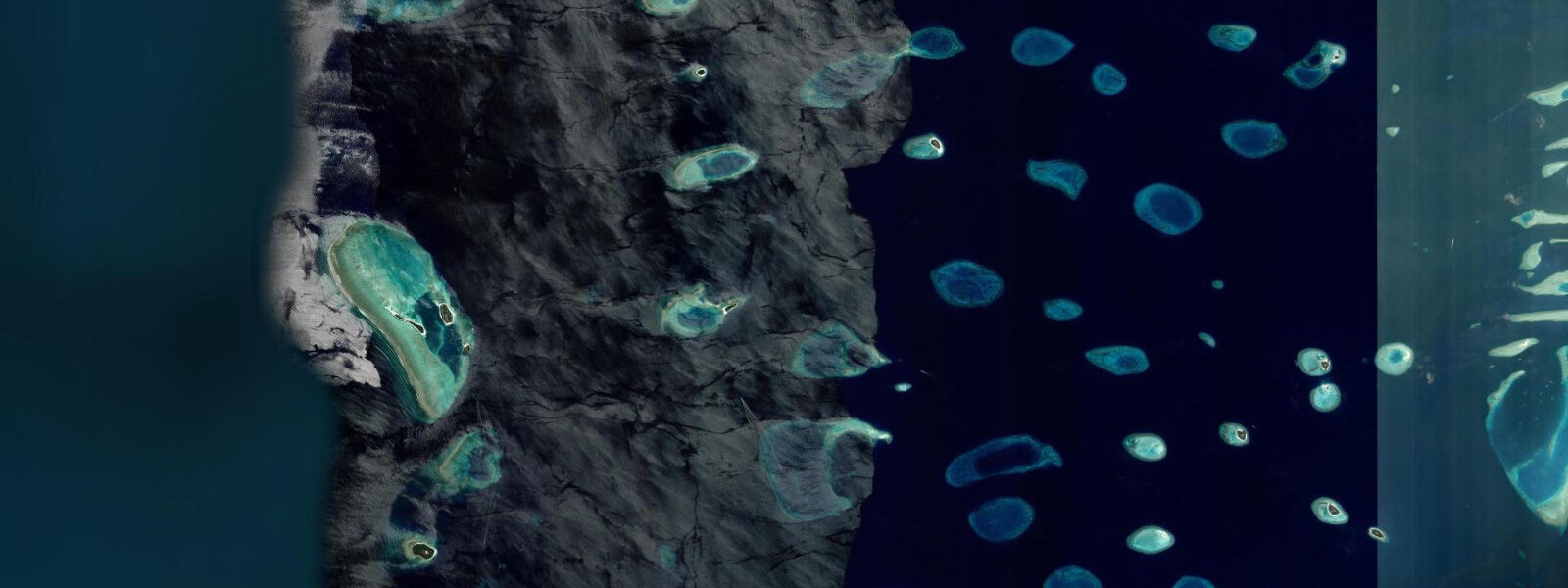
Rangali Island tide times
Rangali Island tide forecast — heights relative to MSL.
Today's tide times for Rangali Island
Tide times at Rangali Island on Tuesday, 4 August 2026: first high tide at 05:00, first low tide at 08:47, second high tide at 14:50, second low tide at 21:37. Sunrise 06:07, sunset 18:23.
Tide chart for Rangali Island
24-hour cosine-interpolated curve around the present moment. Heights relative to MSL. Predictions: Predictions: Open-Meteo Marine (MeteoFrance SMOC, 0.08° grid).
Sun, moon and conditions on Tue 04 Aug
Snapshot at build time — refreshes daily. Sea state from Open-Meteo Marine.
Highs and lows next 7 days
Every predicted high and low for the next week, with the daily tidal coefficient (0–120; higher = bigger swing, > 95 means stronger currents).
Other spots nearby
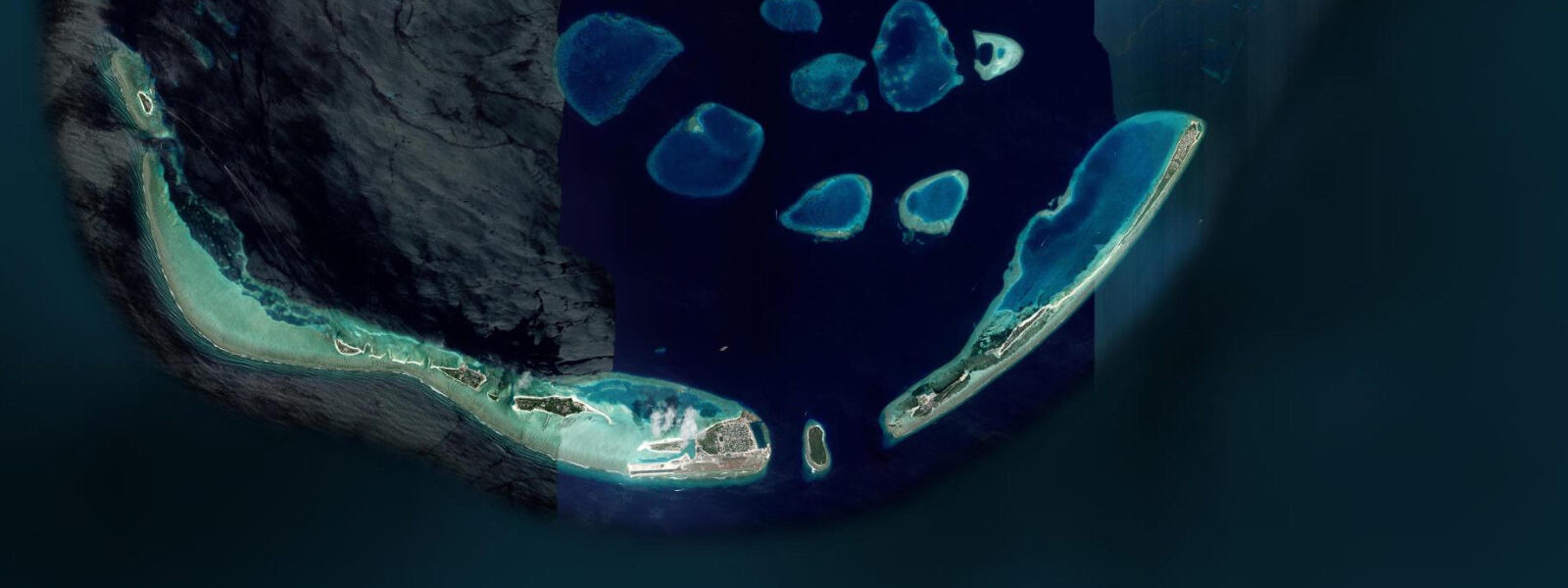
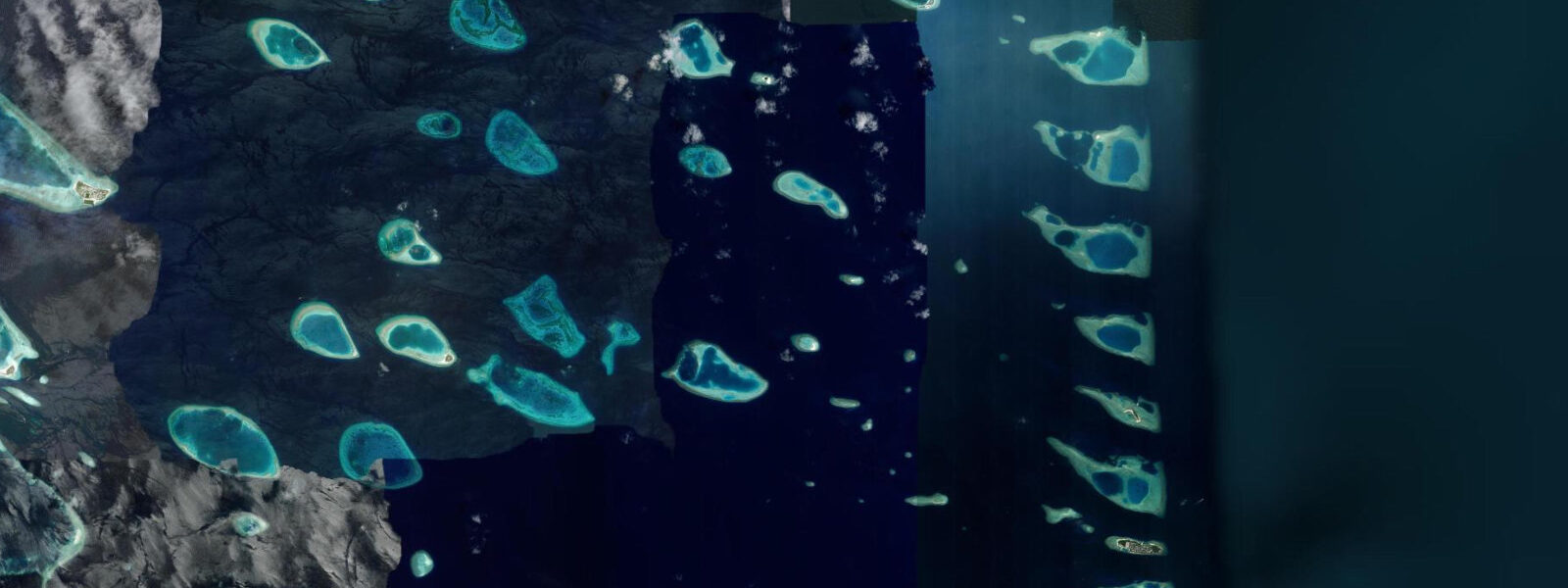
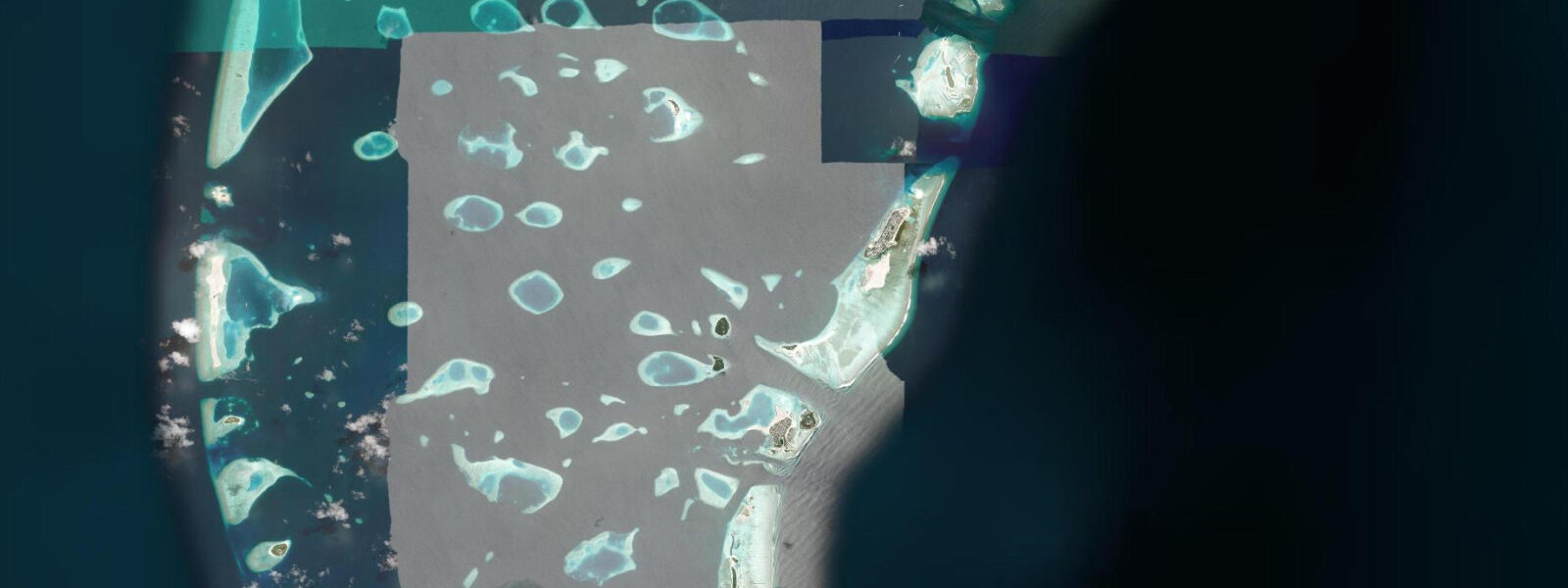
The three closest curated TideTurtle locations to Rangali Island, measured by great-circle distance.
Today's solunar windows
Solunar tradition: major periods are the ≈3h windows around moon transit and opposition; minor are ≈2h around moonrise and moonset. Pair with the local tide stage and wind for the best read.
Cycle dates near Rangali Island
Next spring tide on Mon 10 Aug (range 0.8m). Next neap on Thu 06 Aug.
Spring tides cluster around new and full moons (biggest swings). Neap tides land on quarter moons (smallest swings). See the spring tide and neap tide glossary entries for the why.
About tides at Rangali Island
A short guide to the coastline at Rangali Island — geography, sea state, and what the tide is actually doing under your feet.
Rangali Island sits in the far southwest corner of South Ari Atoll, one of the most remote inhabited points in the atoll group. The island is the site of a well-known luxury resort positioned across two small islands — Rangali and Rangalifinolhu — connected by a 500 m walkway over the shallow lagoon. The house reef at Rangali drops to 30 m within a short swim from the beach; the underwater visibility and reef condition at this remote outer-atoll position is among the best in the Maldives.
The tidal regime is mixed with diurnal inequality: spring range approximately 0.9–1.2 m above Chart Datum, with occasional diurnal days. The lagoon between the two Rangali islands is shallow (0.3–1.0 m at mean water level); at high water it is a tranquil, waist-to-chest-deep passage, and at low water the central section shallows to 10–20 cm — walkable but not swimmable. The walkway between the islands is constructed above the high-water line and remains above water at all tide states.
The house reef on the ocean face of Rangali drops steeply within 20 m of the beach. At high water the reef crest sits at 0.3–0.5 m depth; snorkellers can approach the drop-off without difficulty. At low water the reef crest may be exposed or at 5–10 cm depth, making direct entry from the beach impractical — entry by boat or from the resort jetty (which maintains depth at all tide states) is the standard approach. The full drop-off from crest to 30 m is accessible at all tide states by entering from the deeper lagoon-side jetty.
South Ari Atoll's position on the western edge of the Maldives chain means the ocean face of the atoll is exposed to the full Indian Ocean swell from the W and SW during the SW monsoon (May–November). Swell at Rangali during this period can reach 1.0–2.0 m on the exposed reef face; the lagoon side is sheltered. The NE monsoon (December–April) is the classic calm season with flat seas and NE trade wind conditions.
Water temperature at Rangali is 27–29°C from November through April (NE monsoon) and 25–27°C from May through October (SW monsoon) when upwelling cools the surface marginally. Visibility on the house reef reaches 20–30 m in the NE monsoon season and 10–20 m in the SW monsoon when plankton concentrations increase. Tide predictions here come from Open-Meteo Marine: accuracy ±45 min / ±0.2–0.3 m. Maldives Meteorological Service publishes official sea-level data.
The luxury resort on Rangali and Rangalifinolhu islands is built on an entirely over-water and beach villa model; no other form of accommodation exists on the islands. The over-water villas have direct lagoon access steps; the lagoon depth at the villa steps is 0.5–1.2 m at high water and 0.2–0.5 m at low, making direct water entry from the villa easy at high water and requiring descent of additional steps at low. The house reef drop-off is accessible by a 100–150 m swim from the ocean-side beach villas; the reef crest at this distance is at 0.3–0.5 m at high water.
The extreme remoteness of Rangali Island in the SW corner of South Ari Atoll means the resort is effectively self-contained; supplies arrive by seaplane and speedboat. The resort's over-water restaurant built entirely below the ocean surface, with transparent panels giving views into the reef below, is a frequently referenced example of architectural integration with the tidal marine environment. The depth of the water beneath the restaurant varies with the tide; at low water the seabed is closer to the glass and the available light for the marine life below is reduced. The 500 m inter-island walkway at Rangali, crossing the shallow lagoon above the tidal water, is a physical experience of the Maldivian tidal environment that no amount of shore-side description replaces.
Tide questions about Rangali Island
Quick answers to the most common questions about tide times, range, and water access at Rangali Island.
Is the Rangali house reef better at high or low tide?
High water gives the best direct-from-beach access to the reef crest. At high water the crest sits at 0.3–0.5 m depth and snorkellers can enter from the beach and reach the drop-off comfortably. At low water the reef crest may be at or above the surface, making beach entry difficult; the standard approach is to enter from the resort jetty (which maintains depth at all tide states) and swim laterally to the crest. The drop-off itself is accessible at all tide states; the difference is only in the entry route and the depth over the crest. The house reef drop-off at Rangali begins at 5–8 m depth at the reef base and the reef crest at 0.3–0.5 m at high water.
What is the walkway between the two Rangali islands?
The 500 m walkway connects the two islands of the resort (Rangali and Rangalifinolhu) over the shallow inter-island lagoon. The walkway is constructed above the high-water line; it stays above water at all tidal states. The lagoon beneath and around the walkway is 0.3–1.0 m at mean water level; at high water it is a shallow swimming and snorkelling area, and at low water it shallows to 10–20 cm in the central section. Snorkelling from the walkway at high water is possible; at low water the lagoon is too shallow. The lagoon at low-neap tide retains more depth than at low-spring tide; neap lows are more comfortable for in-lagoon snorkelling.
Where do the tide predictions on this page come from?
Open-Meteo Marine, a free gridded global ocean model. Accuracy is typically ±45 minutes on timing and ±0.2–0.3 m on height. The Maldives Meteorological Service publishes official sea-level data referenced to Malé; South Ari Atoll conditions are broadly consistent with the central Maldivian tidal pattern. For navigation in the South Ari Atoll passes and outer channels, use Maldives Meteorological Service data. This page is not for navigation. The MMS (Maldives Meteorological Service) tide predictions for the central Maldives are accurate to within ±20 minutes for harmonic predictions; the Open-Meteo Marine accuracy class of ±45 minutes is conservative for this region.
What is the best season to dive or snorkel at Rangali?
The NE monsoon season (December–April) gives the clearest conditions: water temperature 27–29°C, visibility 20–30 m on the house reef and drop-off, and flat calm sea on the ocean face. The SW monsoon (May–November) brings plankton-rich water that reduces visibility to 10–20 m but drives the whale shark aggregations in South Ari Atoll; if whale shark snorkelling is the priority, May–November is the peak season. Both seasons are excellent for diving; the choice depends on whether water clarity or whale shark encounter probability is the priority. The NE monsoon also coincides with the low season for whale sharks at South Ari Atoll; the choice between clear water and whale shark encounters is a genuine trade-off.
Is there a tidal current around Rangali Island?
The outer reef face at Rangali and the channels at the southwest corner of South Ari Atoll experience tidal currents of 0.5–1.5 knots at springs, varying by the proximity to the main atoll passes. The house reef drop-off on the ocean face has a mild to moderate current depending on the tidal phase; the best visibility and calmest conditions for reef snorkelling are at or near slack water. Drift dives along the outer drop-off are offered by dive operators when a light current is running; confirm the current plan with your dive guide before committing to a drift. The southwest corner of South Ari Atoll (Rangali area) has a mild current on most dive profiles; the main exposed current sites are on the northern and eastern faces of the atoll.
8-day tide table — Rangali Island
Heights relative to MSL. Predictions: Open-Meteo Marine (MeteoFrance SMOC, 0.08° grid) — heights relative to MSL (not chart datum / LAT). Model-derived.
| Day | Type | Time | Height |
|---|---|---|---|
| Tue 04 Aug | High | 05:00 | 0.6m |
| Low | 08:47 | 0.3m | |
| High | 14:50 | 0.8m | |
| Low | 21:37 | 0.1m | |
| Wed 05 Aug | High | 04:06 | 0.7m |
| Low | 09:18 | 0.4m | |
| High | 15:00 | 0.8m | |
| Low | 22:04 | 0.0m | |
| Thu 06 Aug | High | 05:06 | 0.7m |
| Low | 09:45 | 0.5m | |
| High | 15:15 | 0.7m | |
| Fri 07 Aug | Low | 23:42 | 0.0m |
| Sat 08 Aug | — | ||
| Sun 09 Aug | High | 11:00 | 0.7m |
| Mon 10 Aug | Low | 02:45 | 0.0m |
| High | 11:45 | 0.8m | |
| Tue 11 Aug | Low | 04:00 | 0.0m |