Dhidhoofinolhu tide times
Dhidhoofinolhu tide forecast — heights relative to MSL.
Today's tide times for Dhidhoofinolhu
Tide times at Dhidhoofinolhu on Tuesday, 4 August 2026: first high tide at 05:00, first low tide at 09:07, second high tide at 15:03, second low tide at 21:43. Sunrise 06:06, sunset 18:22.
Tide chart for Dhidhoofinolhu
24-hour cosine-interpolated curve around the present moment. Heights relative to MSL. Predictions: Predictions: Open-Meteo Marine (MeteoFrance SMOC, 0.08° grid).
Sun, moon and conditions on Tue 04 Aug
Snapshot at build time — refreshes daily. Sea state from Open-Meteo Marine.
Highs and lows next 7 days
Every predicted high and low for the next week, with the daily tidal coefficient (0–120; higher = bigger swing, > 95 means stronger currents).
Other spots nearby
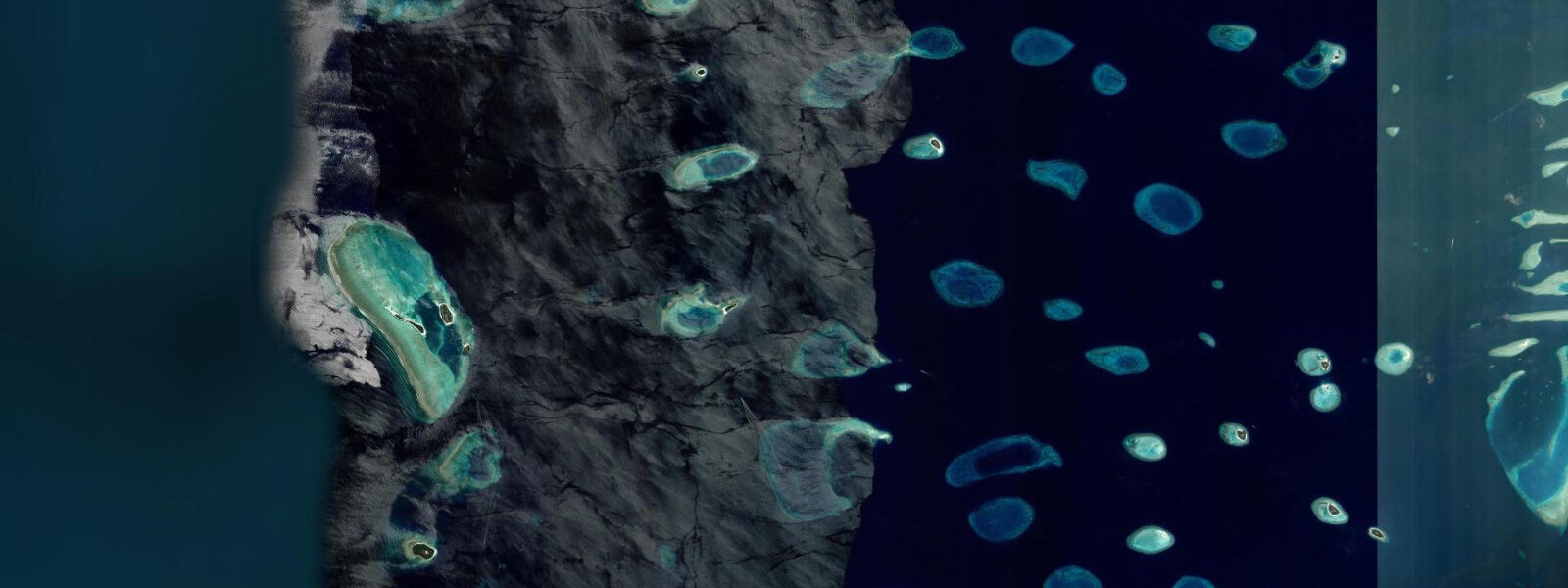
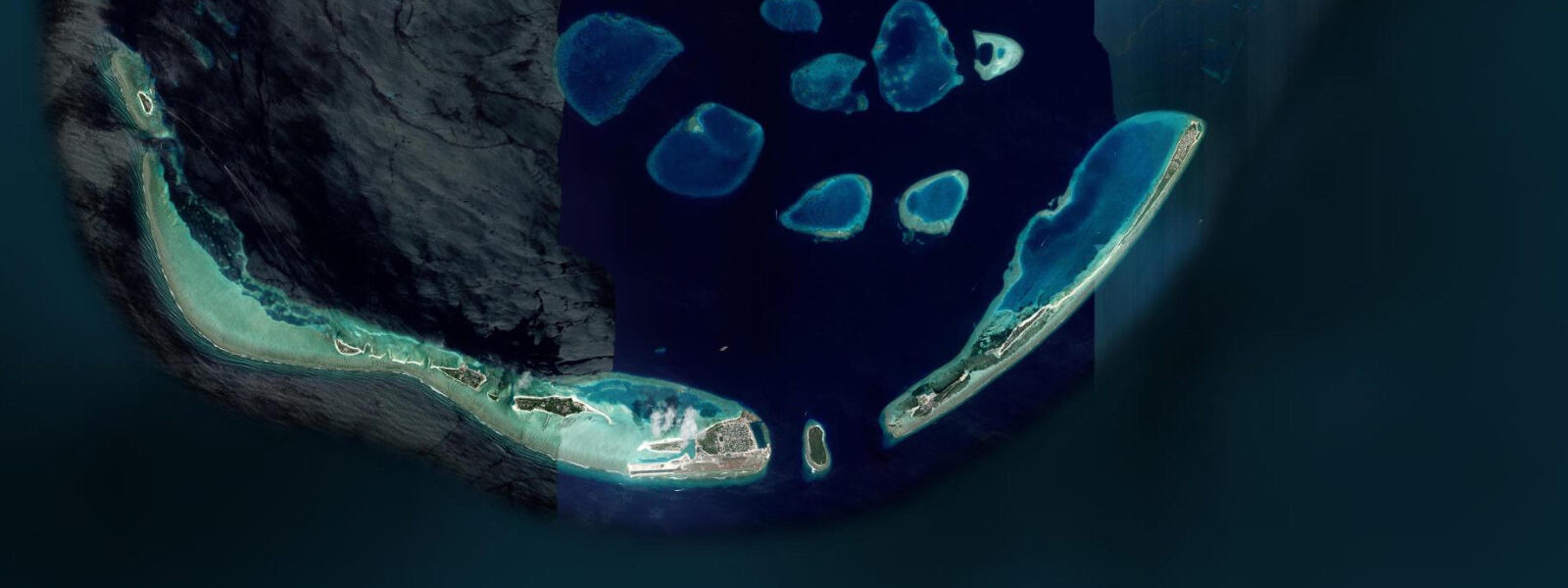
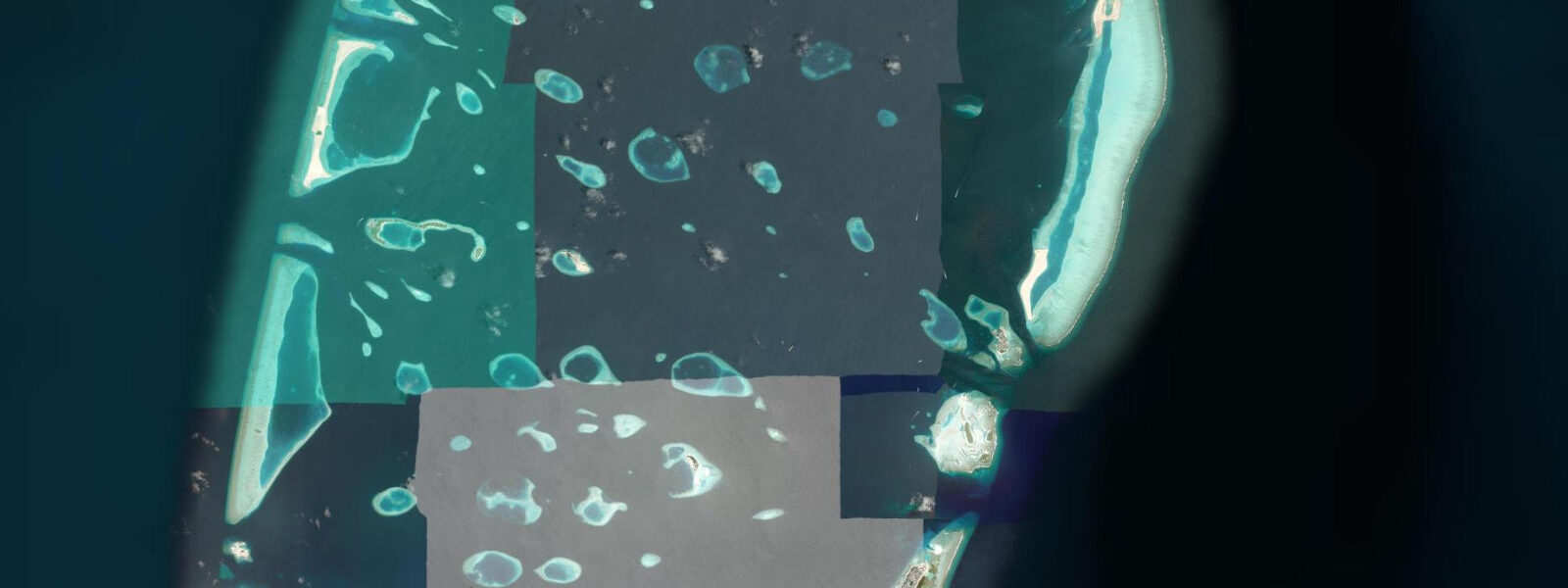
The three closest curated TideTurtle locations to Dhidhoofinolhu, measured by great-circle distance.
Today's solunar windows
Solunar tradition: major periods are the ≈3h windows around moon transit and opposition; minor are ≈2h around moonrise and moonset. Pair with the local tide stage and wind for the best read.
Cycle dates near Dhidhoofinolhu
Last spring tide on Tue 04 Aug (range 0.8m). Next spring tide on Mon 10 Aug (range 0.7m). Next neap on Thu 06 Aug.
Spring tides cluster around new and full moons (biggest swings). Neap tides land on quarter moons (smallest swings). See the spring tide and neap tide glossary entries for the why.
About tides at Dhidhoofinolhu
A short guide to the coastline at Dhidhoofinolhu — geography, sea state, and what the tide is actually doing under your feet.
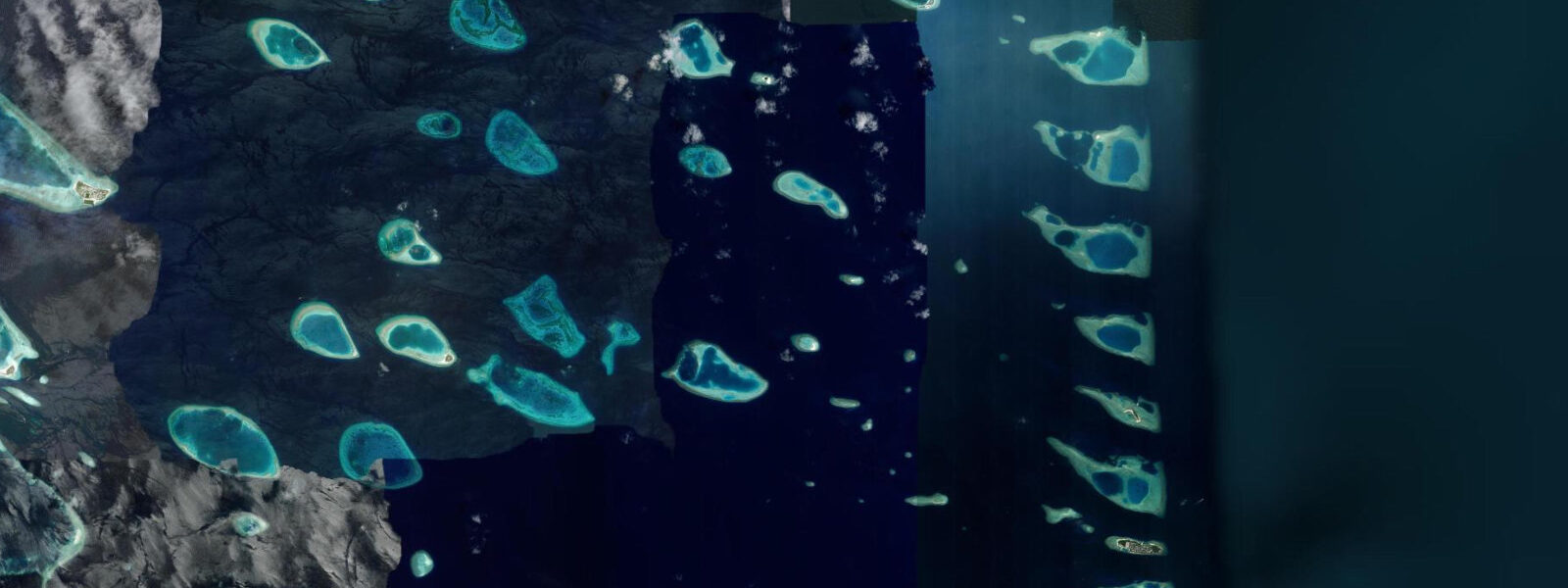
Dhidhoofinolhu is a small resort island in the northeast of North Ari Atoll (Alifu Alifu), on the eastern side of the atoll facing the open Indian Ocean. The island is characterised by a long house reef on the ocean face that provides exceptional snorkelling and diving along a steep drop-off running for several hundred metres beside the island. The calm lagoon on the western side gives sheltered swimming; the eastern reef face is exposed to Indian Ocean circulation.
The tidal regime is mixed with a diurnal component: spring range approximately 0.9–1.2 m above Chart Datum, consistent across the North and South Ari Atoll chain. On some lunar phases the pattern approaches diurnal; the timing and height of the two daily highs can differ enough to make planning around a specific water level practical. The Maldives Meteorological Service monitors sea level at several northern atoll locations; North Ari Atoll conditions are broadly referenced to Malé.
The house reef at Dhidhoofinolhu extends along the eastern face of the island and drops to 15–25 m at the base of the drop-off, within easy swimming distance of the beach. At high water the reef crest is at 0.4–0.6 m depth; snorkellers can cross the crest from the beach with reasonable ease and descend to the drop-off face. At low water the crest shallows to 0–0.2 m and direct beach-to-crest entry becomes difficult; the resort maintains a jetty entry point at the end of the island where depth is maintained at all tide states.
North Ari Atoll has a productive drift diving network. The Rasdhoo Atoll channel to the north of the Ari chain — technically a separate small atoll but closely associated with Ari — is famous for hammerhead shark diving on the deep outer slope. The channel between Rasdhoo and North Ari generates reliable tidal current; drift dives here are timed to the slack period at the outer slope, where hammerheads aggregate in the 30–40 m depth range. Dive operators from Dhidhoofinolhu run day trips to Rasdhoo.
The lagoon on the western side of Dhidhoofinolhu is the calm, family-friendly face of the island. At high water the lagoon depth over the sandbar and seagrass is 0.5–1.5 m, suitable for paddling, shallow snorkelling, and swimming. At low water sections of the outer lagoon bank dry and the depth over the seagrass drops to 10–20 cm in some areas. Hawksbill and green sea turtles are resident on the Dhidhoofinolhu house reef; sightings are most frequent in the early morning when turtles feed on the shallow reef top at or near the predicted high.
Tide predictions here come from Open-Meteo Marine: accuracy ±45 min / ±0.2–0.3 m. Maldives Meteorological Service publishes official Maldivian sea-level data.
North Ari Atoll's inhabited island Mathiveri (accessible by speedboat from Dhidhoofinolhu in 20 minutes) operates guesthouses and is an alternative base for visitors who prefer the inhabited-island experience over a resort. The Mathiveri house reef and the nearby Halaveli Thila dive site (a protected marine area with resident reef sharks and eagle rays) are accessible from either base. The drift dive culture of Ari Atoll — timing entry to the atoll passes during a specific current phase — requires local knowledge; the dive operators at Dhidhoofinolhu and at Mathiveri's dive shops plan passes according to the current tables they maintain.
The North Ari Atoll island chain runs from the open ocean on the western and eastern faces, with the calmer atoll lagoon in the interior. Dhidhoofinolhu's position on the eastern ocean face gives it exposure to the NE trade wind during the NE monsoon (December–April); the beach is on the lagoon (western) side where the wind creates a rippled surface but not uncomfortable wave conditions. The ocean-facing house reef is accessible from the beach by swimming through the lagoon and across the reef crest; alternatively, the resort's dive dhoni drops snorkellers directly onto the reef crest from the ocean side.
Tide questions about Dhidhoofinolhu
Quick answers to the most common questions about tide times, range, and water access at Dhidhoofinolhu.
When is the best time to snorkel the Dhidhoofinolhu house reef?
High water gives the best beach-entry snorkelling at Dhidhoofinolhu. At high water the reef crest is at 0.4–0.6 m depth and snorkellers can cross from the beach into the drop-off zone without difficulty. At low water the crest shallows to near-surface; the reef crest is still accessible but entry by boat from the jetty is more practical. The overall best conditions are at or near the predicted high in the early morning (06:00–09:00) when light penetration is deepest and turtle activity on the shallow reef top is highest. The optimal high-water reef snorkel at Dhidhoofinolhu is in the 90-minute window centred on the predicted high; outside this window the crest depth reduces noticeably.
Can I see hammerhead sharks from Dhidhoofinolhu?
Hammerhead shark (Sphyrna lewini) aggregations are found at the Rasdhoo Atoll outer slope, accessible by day trip from Dhidhoofinolhu (approximately 45–60 minutes by boat). The dive is at 30–40 m depth on the outer slope; it requires Advanced Open Water certification minimum and is typically done as a dawn dive (departing before sunrise) when hammerheads are most active on the slope before retreating to deeper water. The dive is timed to the tidal current phase; confirm timing with the dive operator. This is an advanced dive site. The Rasdhoo hammerhead dive requires an Advanced Open Water certification minimum and a dawn departure (before 05:30) from the resort jetty.
Where do the tide predictions on this page come from?
Open-Meteo Marine, a free gridded global ocean model. Accuracy is typically ±45 minutes on timing and ±0.2–0.3 m on height. The Maldives Meteorological Service publishes official sea-level data referenced to Malé; North Ari Atoll conditions are broadly consistent with the central Maldivian tidal pattern. For navigation in the North Ari Atoll passes, use Maldives Meteorological Service data. This page is not for navigation. MMS sea-level data for the Maldives is available at meteorology.gov.mv; the central Maldivian tidal predictions are the most accurate available for planning dive timing in Ari Atoll.
Is the Dhidhoofinolhu lagoon swimmable at low tide?
The inner lagoon on the western side of Dhidhoofinolhu shallows at low water; sections of the outer lagoon bank can drop to 10–20 cm depth at a spring low, which is wading depth but not swimming depth. The deeper central section of the lagoon remains swimmable at most tidal states. At high water the full lagoon expanse is at 0.5–1.5 m depth and is the calmest, most comfortable swimming area. Check the predicted high time on this page and plan lagoon swimming within two hours of the high for the most comfortable conditions. The outer lagoon bank at Dhidhoofinolhu shallows to 10–20 cm at spring low tide; snorkelling the outer lagoon edge is best done within 90 minutes of the predicted high.
What is the NE monsoon season at Dhidhoofinolhu, and how does it affect snorkelling?
The NE monsoon runs December through April, bringing NE trade winds, flat seas, and excellent visibility (20–30 m on the house reef). This is the classic Maldives calm season and the prime period for reef snorkelling and visibility-dependent underwater photography. The SW monsoon (May–November) brings more variable conditions, increased swell on the eastern (ocean-facing) house reef, and the plankton-rich water that drives whale shark aggregations in South Ari Atoll. Both seasons are productive for snorkelling; the NE monsoon gives the best reef visibility, the SW monsoon gives the best chance of large pelagic encounters. NE monsoon visibility of 20–30 m at Dhidhoofinolhu is typical for the northern Ari Atoll outer reef face; some sites on the eastern ocean face exceed 30 m in the clearest conditions.
8-day tide table — Dhidhoofinolhu
Heights relative to MSL. Predictions: Open-Meteo Marine (MeteoFrance SMOC, 0.08° grid) — heights relative to MSL (not chart datum / LAT). Model-derived.
| Day | Type | Time | Height |
|---|---|---|---|
| Tue 04 Aug | High | 05:00 | 0.7m |
| Low | 09:07 | 0.3m | |
| High | 15:03 | 0.8m | |
| Low | 21:43 | 0.1m | |
| Wed 05 Aug | High | 04:12 | 0.7m |
| Low | 09:40 | 0.3m | |
| High | 15:20 | 0.8m | |
| Low | 22:15 | 0.0m | |
| Thu 06 Aug | High | 05:10 | 0.7m |
| Low | 22:52 | 0.0m | |
| Fri 07 Aug | — | ||
| Sat 08 Aug | — | ||
| Sun 09 Aug | High | 11:10 | 0.7m |
| Mon 10 Aug | Low | 03:06 | 0.1m |
| High | 11:42 | 0.8m | |
| Tue 11 Aug | Low | 04:00 | 0.1m |