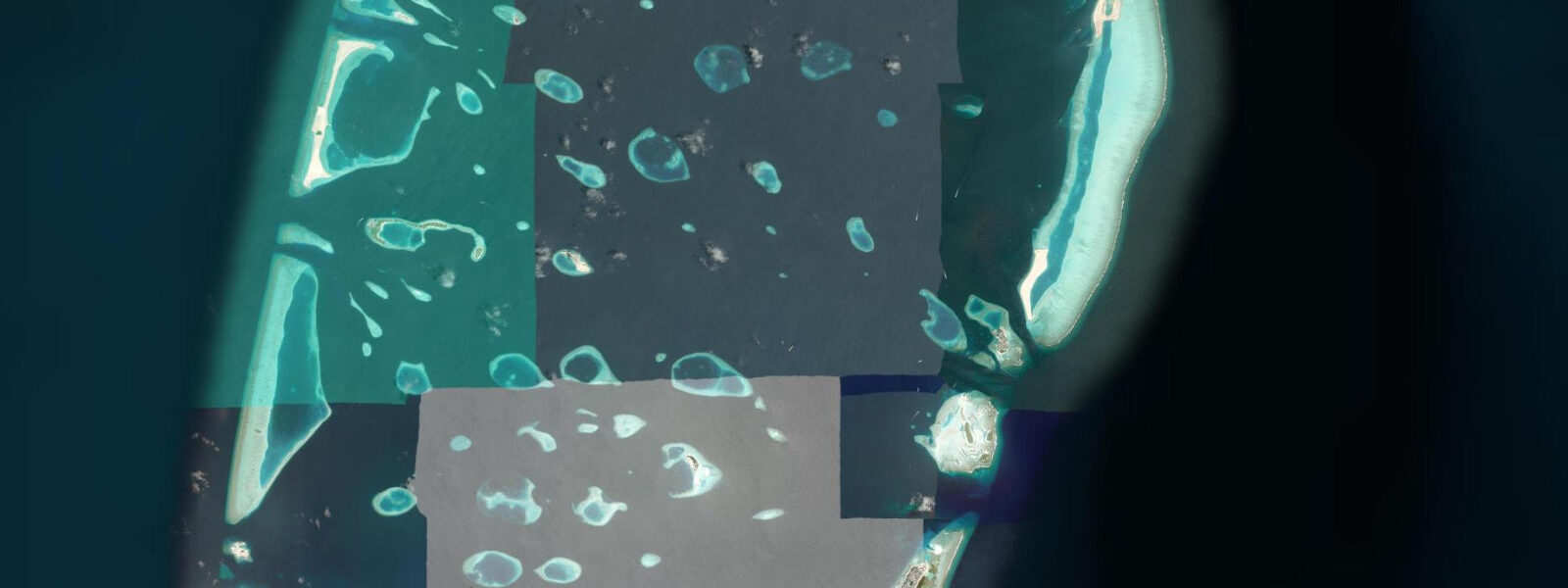
Maafushi, Maldives tide times
Maafushi, Maldives tide forecast — heights relative to MSL.
Today's tide times for Maafushi, Maldives
Tide times at Maafushi, Maldives on Monday, 3 August 2026: first high tide at 05:00, first low tide at 08:56, second high tide at 15:03. Sunrise 06:03, sunset 18:20.
Tide chart for Maafushi, Maldives
24-hour cosine-interpolated curve around the present moment. Heights relative to MSL. Predictions: Predictions: Open-Meteo Marine (MeteoFrance SMOC, 0.08° grid).
Sun, moon and conditions on Mon 03 Aug
Snapshot at build time — refreshes daily. Sea state from Open-Meteo Marine.
Highs and lows next 7 days
Every predicted high and low for the next week, with the daily tidal coefficient (0–120; higher = bigger swing, > 95 means stronger currents).
Other spots nearby
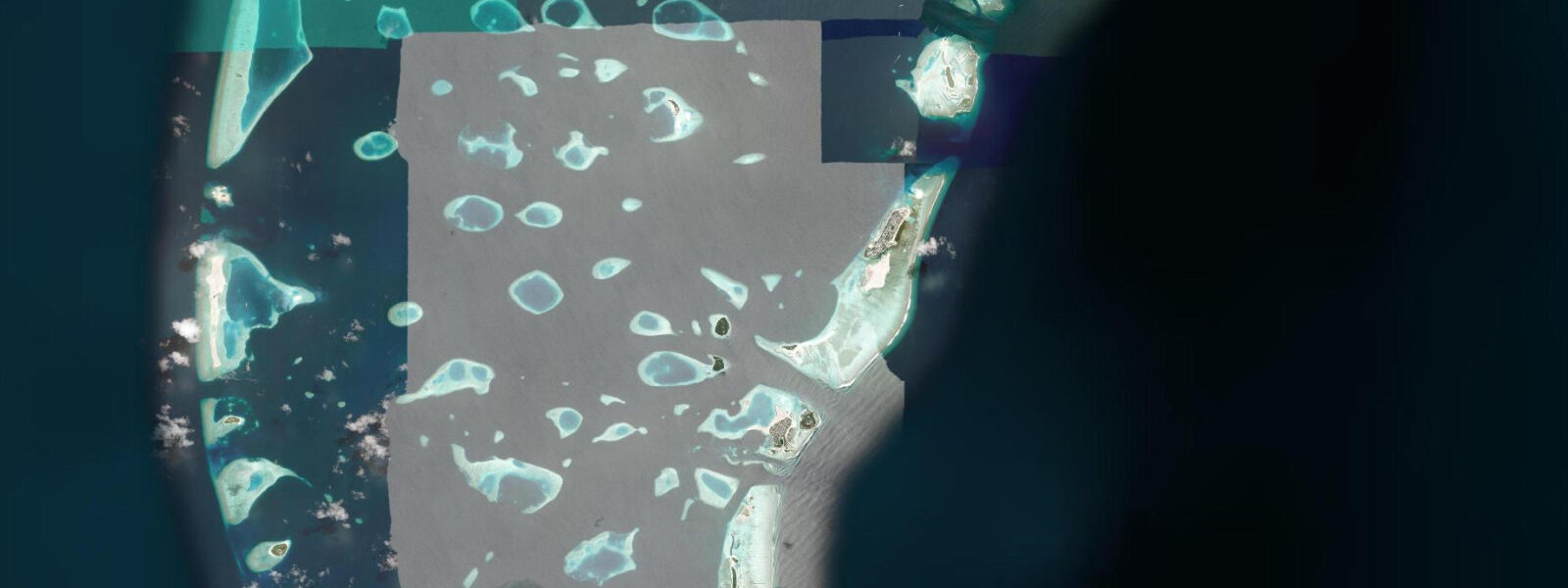
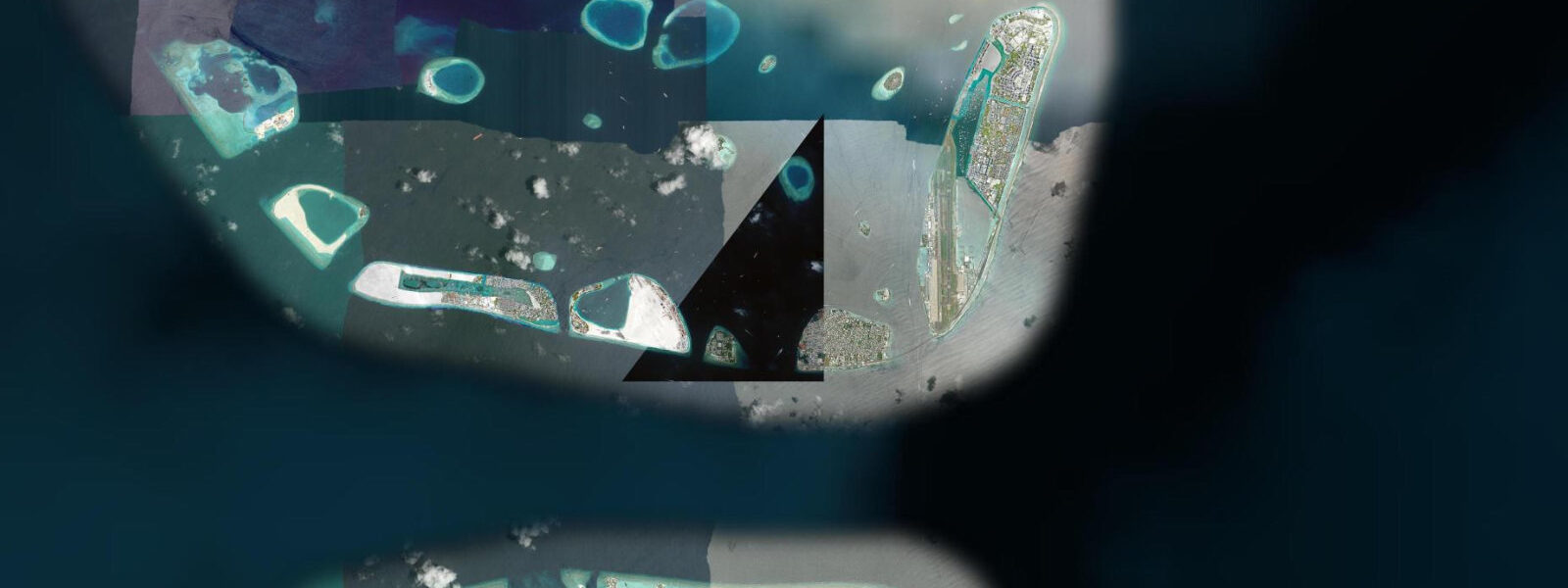
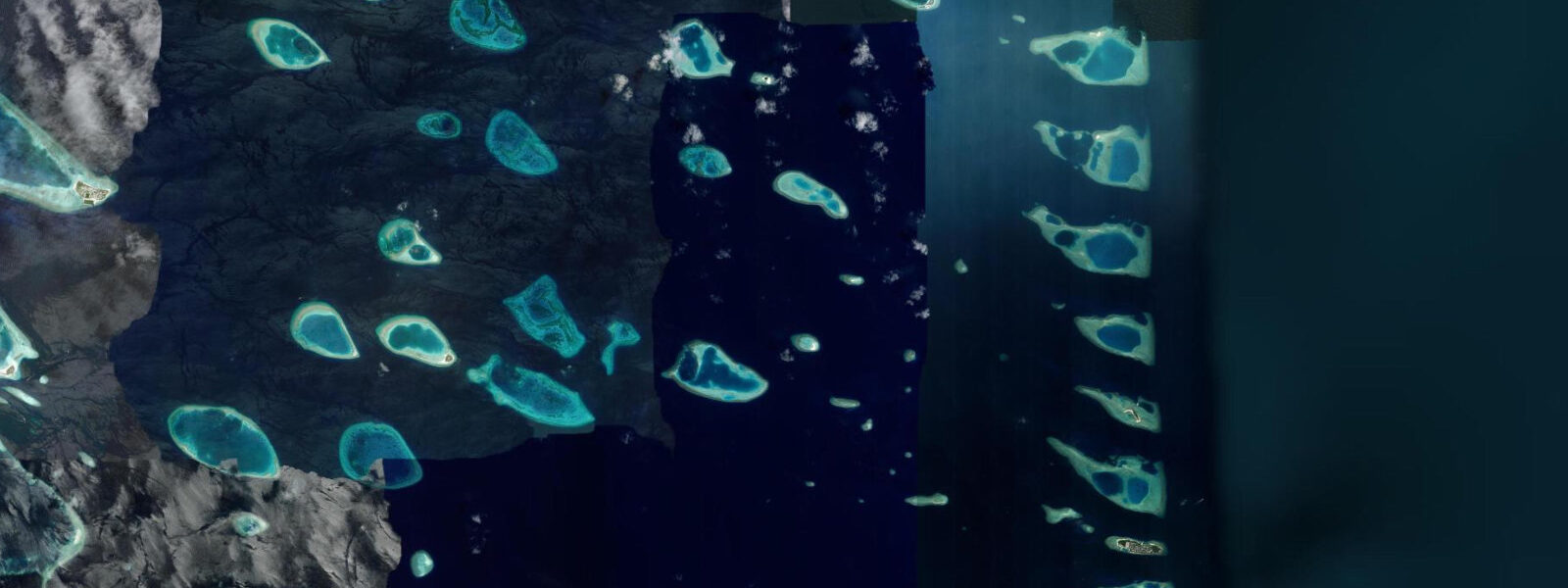
The three closest curated TideTurtle locations to Maafushi, Maldives, measured by great-circle distance.
Today's solunar windows
Solunar tradition: major periods are the ≈3h windows around moon transit and opposition; minor are ≈2h around moonrise and moonset. Pair with the local tide stage and wind for the best read.
Cycle dates near Maafushi, Maldives
Last spring tide on Mon 03 Aug (range 0.7m). Next neap on Wed 05 Aug.
Spring tides cluster around new and full moons (biggest swings). Neap tides land on quarter moons (smallest swings). See the spring tide and neap tide glossary entries for the why.
About tides at Maafushi, Maldives
A short guide to the coastline at Maafushi, Maldives — geography, sea state, and what the tide is actually doing under your feet.
Maafushi sits in Kaafu Atoll (South Malé Atoll), 26 km south of the Maldivian capital Malé, and is the most visited local island in the country. The tidal regime here requires some explanation, because it does not behave like the Atlantic or Pacific coasts most visitors are accustomed to. The Maldives lie close to an Indian Ocean amphidromic point — a location of near-zero tidal amplitude where the tidal wave rotating across the ocean basin essentially cancels itself out. The result is a small mean spring tidal range of 0.8–1.2 m, with a mixed semidiurnal pattern. Two highs and two lows occur each day, but with marked daily inequality: one high will be noticeably higher than the other, and one low distinctly lower. On some days the pattern shifts toward a single dominant cycle. This variability means you cannot simply extrapolate a consistent four-event rhythm — checking the actual prediction for the specific day matters more here than it does on a coast with a regular semidiurnal tide.
The practical effect of the tidal range on Maafushi is dramatic relative to the numbers. At spring low water, the sand bar on the eastern side of the 1.5 km island — the area commonly called the bikini beach zone — extends 30–50 m further than at high tide. The exposure of additional sand is gradual and the gradient is low, so the change unfolds slowly over the ebb. More striking is the sandbank that appears 500 m east of Maafushi at spring low water. This feature is submerged at high tide — invisible from the shore — and emerges over the course of two hours as the water drops. At low water the sandbank sits above the surface and can be waded to from the island's eastern shore. The water clarity in the channel between the island and the sandbank at low water is typically 10–15 m visibility in settled conditions, with a sandy bottom visible throughout. The experience of standing on a feature that will be 0.8–1.0 m underwater in six hours is one of the specific things Maafushi offers that the resort islands of Kaafu Atoll do not replicate in the same way — those islands have their own sandbanks and reef edges, but not in walking distance of a guesthouse.
Snorkelling from the sandbank area accesses the reef edge at 2–5 m depth. The reef here is the boundary between the lagoon and the open ocean; the fish density on the edge is higher than over the inner flat. At low to mid-tide the current across the reef flat is minimal and snorkelling is easy. As the tide rises and the lagoon refills, current over the outer edge increases — advanced snorkellers and divers can use this to drift along the wall, but casual swimmers should stay inside the flat at rising mid to high tide. Night diving from Maafushi is a specific draw in certain seasons: bioluminescent plankton appears in the water column, triggered by disturbance. The phenomenon is not guaranteed and is most commonly reported from December through February, when the northeast monsoon is established and plankton blooms are more frequent in these waters.
Maafushi's character as a local island distinguishes it from the resort model. The island has a local mosque, a market, guesthouses spread through the settlement, and a resident community whose daily life is not structured around tourism. Alcohol is restricted to designated areas on the island (not the local settlement itself), which is standard for local islands in the Maldives. The bikini beach zone — where swimwear is permitted — is separate from the main beach used by residents. Visitors arriving from Malé by speedboat (roughly 30 minutes) or public ferry (about 1.5 hours) encounter an island with actual residents going about actual lives, which is a fundamentally different experience from a resort island where the entire infrastructure exists to serve guests.
For beach families, the eastern sandbank emergence at low spring water is the most accessible spectacle — visible from the shore, walkable at low tide, and safe in calm conditions. Photography at the sandbank at low water — with Malé 26 km north barely visible on the horizon and the atoll reef edge dropping away to the east — produces images with genuine depth that the pool-deck resort shot does not.
Tide data for Maafushi comes from the Open-Meteo Marine API, a gridded model product. Timing accuracy is ±45 minutes, height accuracy ±0.3 m — usable for trip planning, not for navigation.
Tide questions about Maafushi, Maldives
Quick answers to the most common questions about tide times, range, and water access at Maafushi, Maldives.
What is the tidal range at Maafushi and why is it so small?
The mean spring tidal range at Maafushi is 0.8–1.2 m, which is small for a coastal location. The Maldives sit close to an Indian Ocean amphidromic point — a location where the rotating tidal wave across the ocean basin produces near-zero amplitude. The tide is mixed semidiurnal: two highs and two lows per day, but with noticeable daily inequality between cycles. The two highs on a given day are typically different heights, and the two lows are different depths. Check the actual prediction for your specific date rather than assuming a regular four-event cycle.
When does the sandbank appear east of Maafushi?
The sandbank 500 m east of Maafushi emerges at spring low water — the lowest tides of the month, typically around new and full moon. At high tide the sandbank is fully submerged and invisible from the island's shore. At spring low water it breaks the surface and can be waded to from the eastern beach. The emergence takes roughly two hours from mean low water to the full sandbank exposure. At neap tides the water may not drop far enough to expose the feature fully. Check the tidal prediction for your date and look for spring low water events (lowest lows of the lunar cycle) to time the walk.
Is snorkelling safe from the Maafushi sandbank area?
Snorkelling on the inner flat and the reef edge at 2–5 m depth is straightforward at low to mid-tide — current is minimal and the water is clear over a sandy bottom. As the tide rises and the lagoon refills, current over the outer reef edge increases. Casual swimmers and families should stay on the inner flat at rising mid to high tide. The reef edge at rising tide produces a drift current that experienced snorkellers and divers use intentionally, but it is not suitable for those without experience reading reef currents. At all stages, the inner lagoon flat between the island and the sandbank is the safest zone.
How does Maafushi differ from a resort island in the Maldives?
Maafushi is an inhabited local island with roughly 1,000–1,500 residents, a mosque, a market, and guesthouses integrated into the settlement. The entire island does not exist to serve tourists. Alcohol is restricted to designated areas separate from the local settlement, and swimwear is permitted only in the designated bikini beach zone on the eastern shore. Resort islands are private, uninhabited-before-development environments where all infrastructure serves guests. The tradeoff is cost — guesthouse stays on Maafushi run a fraction of resort rates — and experience: local island life is visible and genuine rather than staged.
What is bioluminescent diving at Maafushi?
Bioluminescent plankton in the water column around Maafushi produces visible light when disturbed by movement — most dramatically visible on night dives and night snorkels in dark conditions. The phenomenon is most commonly reported December through February, during the established northeast monsoon when certain plankton blooms concentrate in these waters. It is not guaranteed on any given night and varies with water temperature, plankton density, and moon phase (darker nights with a new moon show the effect most clearly). Local dive operators run dedicated bioluminescence dives when conditions are favourable — check with operators in the week before your planned dive rather than booking months ahead.
8-day tide table — Maafushi, Maldives
Heights relative to MSL. Predictions: Open-Meteo Marine (MeteoFrance SMOC, 0.08° grid) — heights relative to MSL (not chart datum / LAT). Model-derived.
| Day | Type | Time | Height |
|---|---|---|---|
| Mon 03 Aug | High | 05:00 | 0.7m |
| Low | 08:56 | 0.2m | |
| High | 15:03 | 0.9m | |
| Tue 04 Aug | Low | 21:56 | 0.1m |
| Wed 05 Aug | High | 04:21 | 0.8m |
| Low | 09:55 | 0.3m | |
| High | 15:45 | 0.8m | |
| Thu 06 Aug | Low | 10:40 | 0.4m |
| High | 16:00 | 0.7m | |
| Low | 23:04 | 0.1m | |
| Fri 07 Aug | High | 16:10 | 0.6m |
| Sat 08 Aug | Low | 00:00 | 0.1m |
| High | 09:00 | 0.6m | |
| Sun 09 Aug | Low | 01:50 | 0.1m |
| High | 11:00 | 0.7m | |
| Mon 10 Aug | Low | 04:00 | 0.1m |