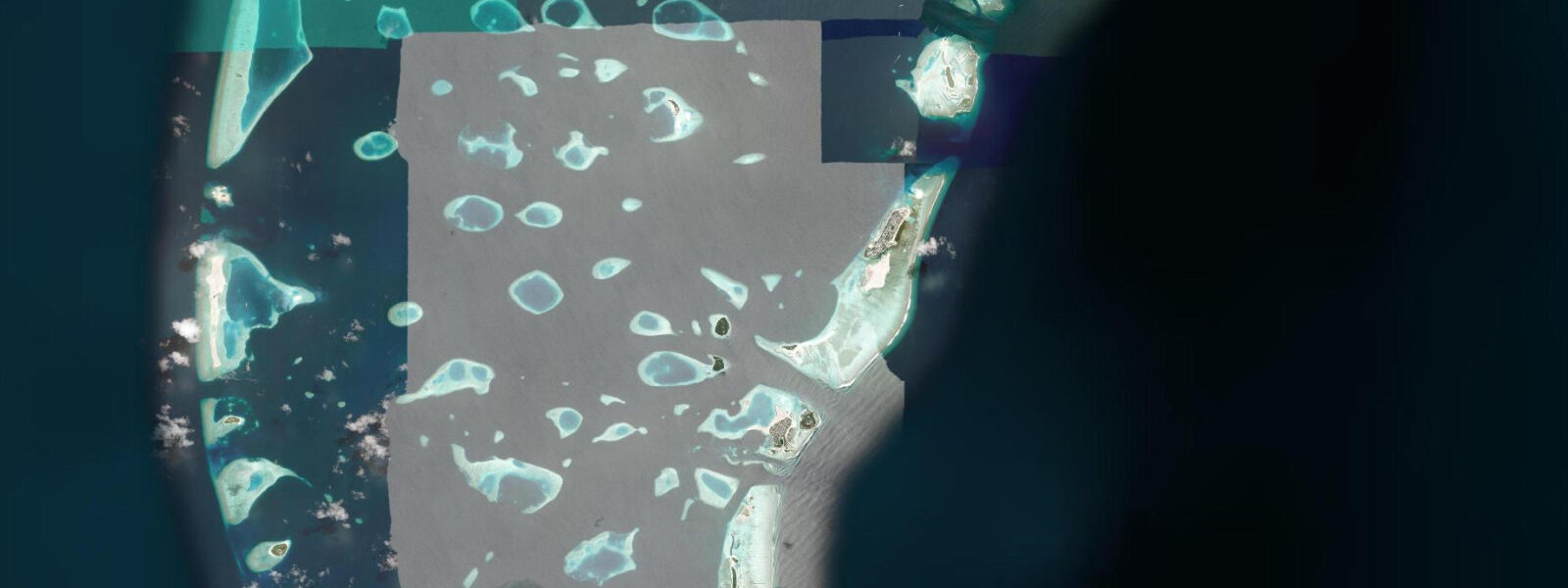
Guraidhoo, Maldives tide times
Guraidhoo, Maldives tide forecast — heights relative to MSL.
Today's tide times for Guraidhoo, Maldives
Tide times at Guraidhoo, Maldives on Monday, 3 August 2026: first high tide at 05:00, first low tide at 09:10, second high tide at 15:16, second low tide at 21:37. Sunrise 06:03, sunset 18:20.
Tide chart for Guraidhoo, Maldives
24-hour cosine-interpolated curve around the present moment. Heights relative to MSL. Predictions: Predictions: Open-Meteo Marine (MeteoFrance SMOC, 0.08° grid).
Sun, moon and conditions on Mon 03 Aug
Snapshot at build time — refreshes daily. Sea state from Open-Meteo Marine.
Highs and lows next 7 days
Every predicted high and low for the next week, with the daily tidal coefficient (0–120; higher = bigger swing, > 95 means stronger currents).
Other spots nearby
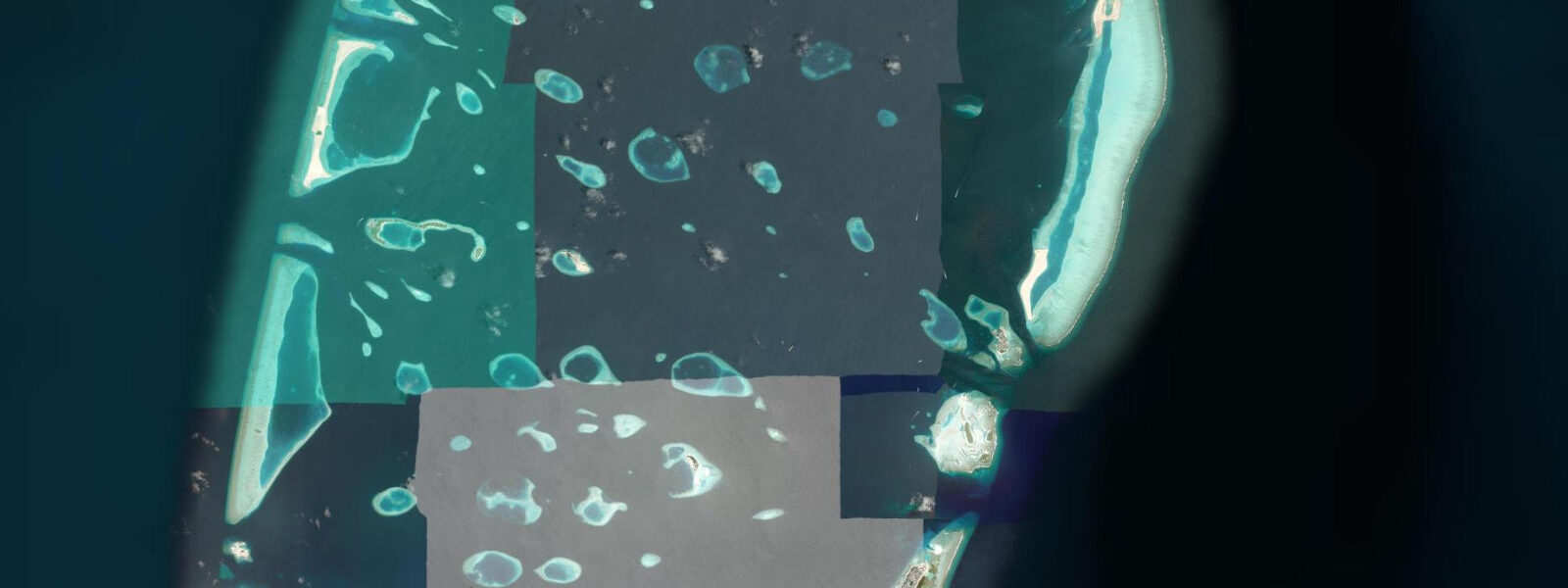
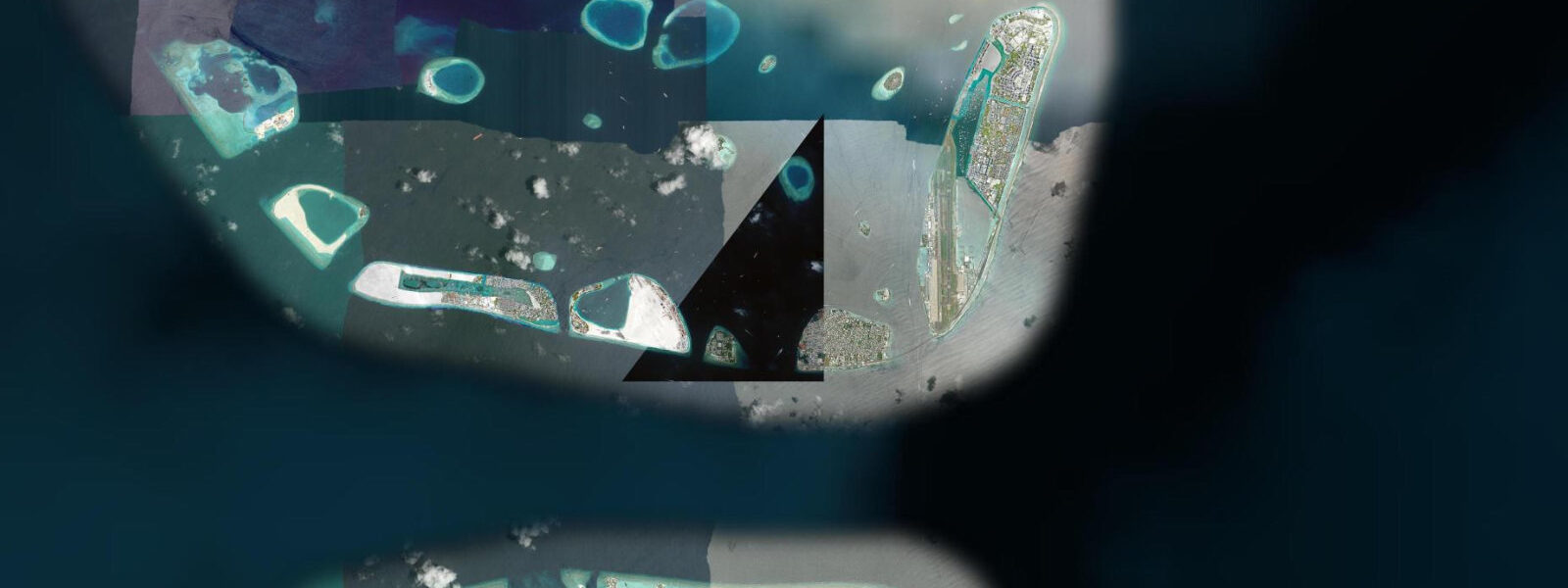
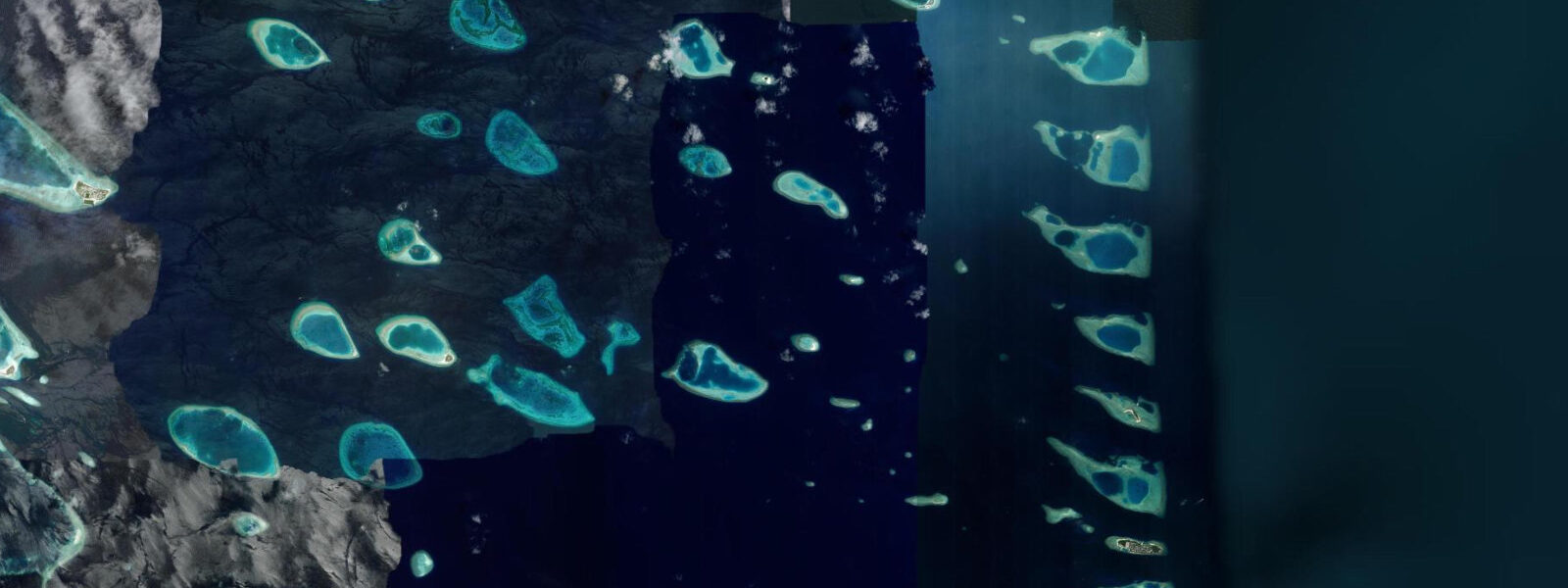
The three closest curated TideTurtle locations to Guraidhoo, Maldives, measured by great-circle distance.
Today's solunar windows
Solunar tradition: major periods are the ≈3h windows around moon transit and opposition; minor are ≈2h around moonrise and moonset. Pair with the local tide stage and wind for the best read.
Cycle dates near Guraidhoo, Maldives
Last spring tide on Mon 03 Aug (range 0.8m). Next neap on Sat 08 Aug.
Spring tides cluster around new and full moons (biggest swings). Neap tides land on quarter moons (smallest swings). See the spring tide and neap tide glossary entries for the why.
About tides at Guraidhoo, Maldives
A short guide to the coastline at Guraidhoo, Maldives — geography, sea state, and what the tide is actually doing under your feet.
Guraidhoo is the southernmost inhabited island of Kaafu Atoll (South Malé Atoll), 35 km south of Malé. With a resident population of around 1,200 and minimal tourist infrastructure relative to Maafushi 7 km to the north, Guraidhoo operates primarily as a fishing and farming community. Its position at the atoll's southern boundary gives it a distinct hydrographic character — channels between atolls produce tidal current behaviour that inner-atoll islands do not experience.
The Indian Ocean tidal regime at Guraidhoo follows the same mixed semidiurnal pattern as the wider Kaafu Atoll region: two highs and two lows per day with daily inequality between cycles, and a mean spring tidal range of 0.8–1.2 m. The Maldives lie close to an Indian Ocean amphidromic point where tidal amplitude is naturally suppressed. On a typical day, one of the two high waters will be 0.2–0.3 m higher than the other; one low will be noticeably deeper than the other. The rhythm shifts across the lunar month and does not conform to a simple pattern — each day's prediction should be checked individually.
The western lagoon at Guraidhoo is the site most relevant to snorkellers, divers, and casual visitors. Protected by the outer reef to the west, the lagoon has a flat inner shelf. At spring low water, the depth over the inner flat drops to 0.5–0.8 m — shallow enough to stand across the entire lagoon floor, with visibility to the bottom at all points. The sand is white and the water temperature sits between 27–30°C year-round. The visual quality of a near-empty, clear-bottomed lagoon at low spring water is striking: the blue-white of the flat extends to the reef edge, with the outer reef wall dropping away beyond it. For families with young children this is the safest swimming environment the island offers — no significant current, no depth beyond standing height on the inner flat, and warm clear water.
The outer reef edge is 300 m west of the island. At high to mid-tide, snorkelling the reef edge is accessible by swimming directly from the lagoon — the depth over the outer edge runs 5–15 m and the fish life on the wall is dense. Grey reef sharks and white-tip reef sharks are regular along this edge. Turtles use the reef as a feeding and resting area. At low water, the current over the reef edge intensifies: as the lagoon level drops, water drains seaward through the outer reef channels, producing current that concentrates where the channels cut through the reef flat. Diving the outer edge at low water is for divers with experience reading reef current; drift dives along the wall are possible but require a boat pickup rather than swimming back to the lagoon. Snorkellers should avoid the outer edge at low water and stay on the inner flat.
The channel between Guraidhoo and the nearest island to the south — at the boundary where Kaafu Atoll gives way to the deeper waters toward Addu Atoll, 400 km to the south — produces tidal currents of 1–2 knots at spring exchanges. This current concentration is why Guraidhoo developed as a chandlery and provisioning stop for dhoni fishing boats operating in the southern part of Kaafu Atoll. Dhoni are the traditional Maldivian wooden-hulled fishing vessels, and a working dhoni fleet still operates from Guraidhoo — one of the features that distinguishes the island from the guesthouse-heavy local islands further north in the atoll. The provisioning role created a boatbuilding and maintenance culture on the island that persists today.
For photographers, the contrast between the dhoni fleet at the harbour and the outer reef scenery gives Guraidhoo more visual range than islands where tourism has homogenised the character. The working harbour in morning light — dhonis returning with the night's catch before 08:00 — alongside the reef edge at high tide with sharks visible in clear water provides subject matter across genres.
Malé is 35 km north by speedboat (roughly 40 minutes) or public ferry (longer, depending on the route). Guraidhoo does not have a resort and has limited guesthouse options. Most visitors come for the diving and snorkelling or to see an atoll's southern boundary community operating at its own pace.
Tide data for Guraidhoo comes from the Open-Meteo Marine API, a gridded model product. Timing accuracy is ±45 minutes, height accuracy ±0.3 m — usable for trip planning, not for navigation.
Tide questions about Guraidhoo, Maldives
Quick answers to the most common questions about tide times, range, and water access at Guraidhoo, Maldives.
How deep is the Guraidhoo lagoon at low tide?
At spring low water — the lowest tides of the month, around new and full moon — the western lagoon's inner flat drops to 0.5–0.8 m depth. The entire lagoon floor is visible from the surface and can be waded across. At high tide the same flat sits at 1.3–2.0 m depth, deep enough for comfortable snorkelling but too deep to stand. The transition between high and low water takes roughly six hours on each side of the tide. For families with children, low to mid-tide on a spring day gives the clearest, shallowest, most easily supervised swimming conditions the lagoon offers.
When is it safe to snorkel the outer reef edge at Guraidhoo?
High to mid-tide is the recommended window for snorkelling the outer reef edge. At high tide the depth over the edge runs 5–15 m, current is manageable, and access by swimming from the lagoon is straightforward. As the tide drops toward low water, current over the outer reef channels intensifies: the lagoon drains seaward and the flow concentrates through the reef cuts. At low water the outer edge produces 1–2 knot currents in some sections. Divers familiar with drift conditions can use this, but snorkellers should return to the inner flat before low water. Grey reef sharks, white-tip reef sharks, and turtles are regular on the outer edge at all tidal stages.
Why does Guraidhoo have strong tidal currents in the southern channel?
Guraidhoo sits at the southern boundary of Kaafu Atoll, where the atoll platform ends and the water deepens toward the open Indian Ocean. At spring tidal exchanges the water moving between the atoll lagoon and the open sea is concentrated through the narrow channels between islands. The channel south of Guraidhoo — at the boundary toward Addu Atoll, 400 km south — produces 1–2 knots of current during spring exchanges. This channel dynamic historically made Guraidhoo a practical stop for dhoni fishing boats that needed to wait for favourable current before transiting south, which in turn drove the island's development as a chandlery and provisioning point.
What is the dhoni fishing heritage at Guraidhoo?
Dhoni are traditional Maldivian wooden-hulled fishing vessels, and a working fleet still operates from Guraidhoo's harbour. The island developed as a chandlery and provisioning stop for boats fishing the southern part of Kaafu Atoll, leveraging its position at the atoll boundary and its proximity to the southern channel currents. Boatbuilding and maintenance skills developed alongside the provisioning role. The working harbour is one of the features that distinguishes Guraidhoo from the guesthouse-oriented local islands further north in the atoll — the fishing fleet arrives back before 08:00 most mornings and the harbour is active in a way that tourist-facing islands are not.
How does Guraidhoo's tidal pattern differ from a typical Atlantic coast?
On an Atlantic coast you would typically see two similar-height highs and two similar-depth lows per day in a regular semidiurnal cycle. At Guraidhoo the pattern is mixed semidiurnal: two highs and two lows per day, but with daily inequality between them — one high is noticeably higher than the other, and one low distinctly deeper. The overall spring range is just 0.8–1.2 m because the Maldives sit near an Indian Ocean amphidromic point where tidal amplitude is naturally low. The inequality and the variability in cycle shape mean each day's prediction should be checked rather than extrapolating from a regular rhythm.
8-day tide table — Guraidhoo, Maldives
Heights relative to MSL. Predictions: Open-Meteo Marine (MeteoFrance SMOC, 0.08° grid) — heights relative to MSL (not chart datum / LAT). Model-derived.
| Day | Type | Time | Height |
|---|---|---|---|
| Mon 03 Aug | High | 05:00 | 0.7m |
| Low | 09:10 | 0.2m | |
| High | 15:16 | 0.9m | |
| Low | 21:37 | 0.1m | |
| Tue 04 Aug | High | 03:55 | 0.8m |
| Low | 09:48 | 0.2m | |
| High | 15:42 | 0.8m | |
| Low | 22:10 | 0.1m | |
| Wed 05 Aug | High | 15:55 | 0.8m |
| Low | 22:43 | 0.1m | |
| Thu 06 Aug | High | 05:20 | 0.7m |
| Low | 10:54 | 0.4m | |
| High | 16:18 | 0.7m | |
| Low | 23:12 | 0.1m | |
| Fri 07 Aug | High | 06:18 | 0.6m |
| Sat 08 Aug | Low | 00:15 | 0.1m |
| High | 09:10 | 0.6m | |
| Sun 09 Aug | Low | 02:10 | 0.2m |
| High | 11:00 | 0.7m | |
| Mon 10 Aug | Low | 04:00 | 0.1m |