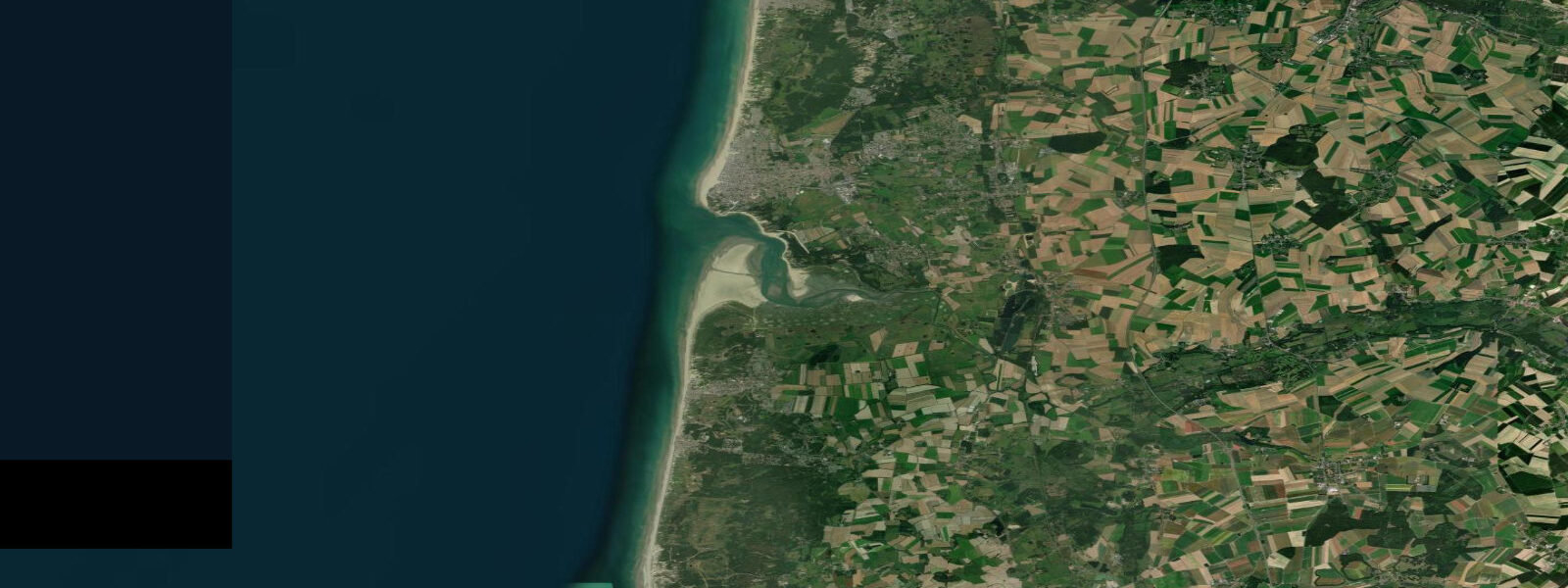
Berck-sur-Mer tide times
Berck-sur-Mer tide forecast — heights relative to MSL.
Today's tide times for Berck-sur-Mer
Tide times at Berck-sur-Mer on Tuesday, 4 August 2026: first high tide at 03:16, first low tide at 10:19, second high tide at 15:37, second low tide at 22:38. Sunrise 06:24, sunset 21:34.
Tide chart for Berck-sur-Mer
24-hour cosine-interpolated curve around the present moment. Heights relative to MSL. Predictions: Predictions: Open-Meteo Marine (MeteoFrance SMOC, 0.08° grid).
Sun, moon and conditions on Tue 04 Aug
Snapshot at build time — refreshes daily. Sea state from Open-Meteo Marine.
Highs and lows next 7 days
Every predicted high and low for the next week, with the daily tidal coefficient (0–120; higher = bigger swing, > 95 means stronger currents).
Other spots nearby
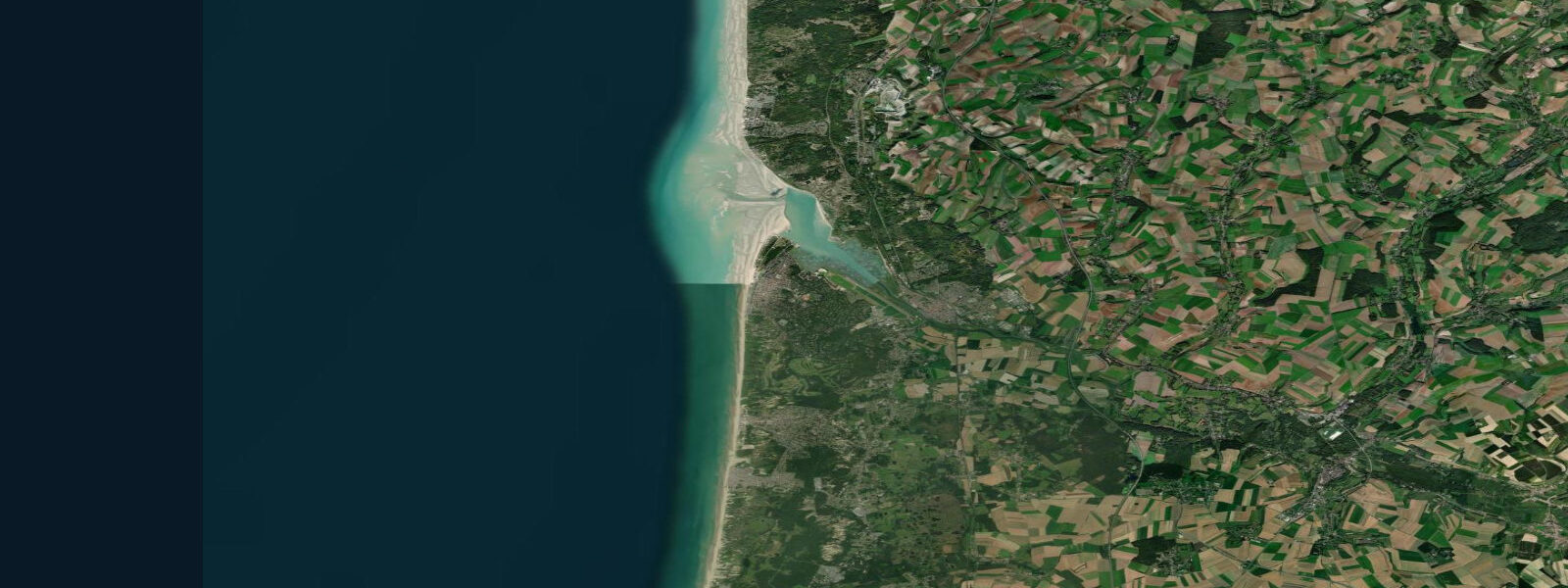
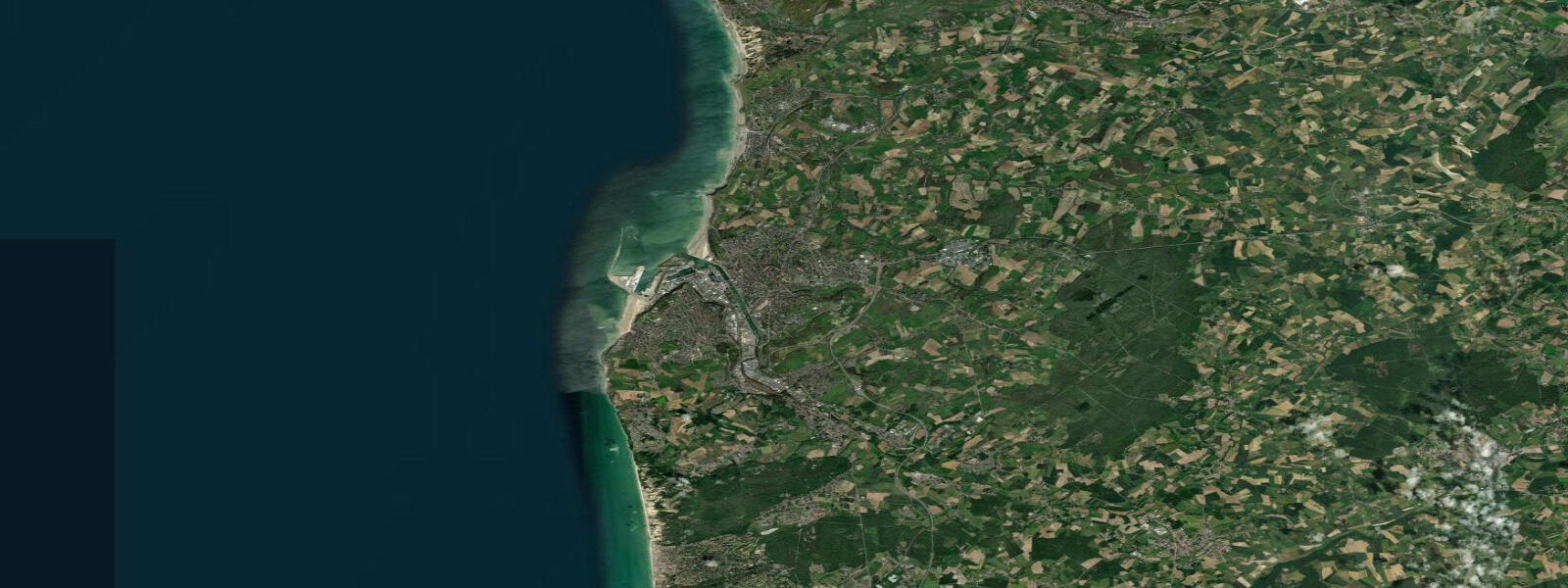
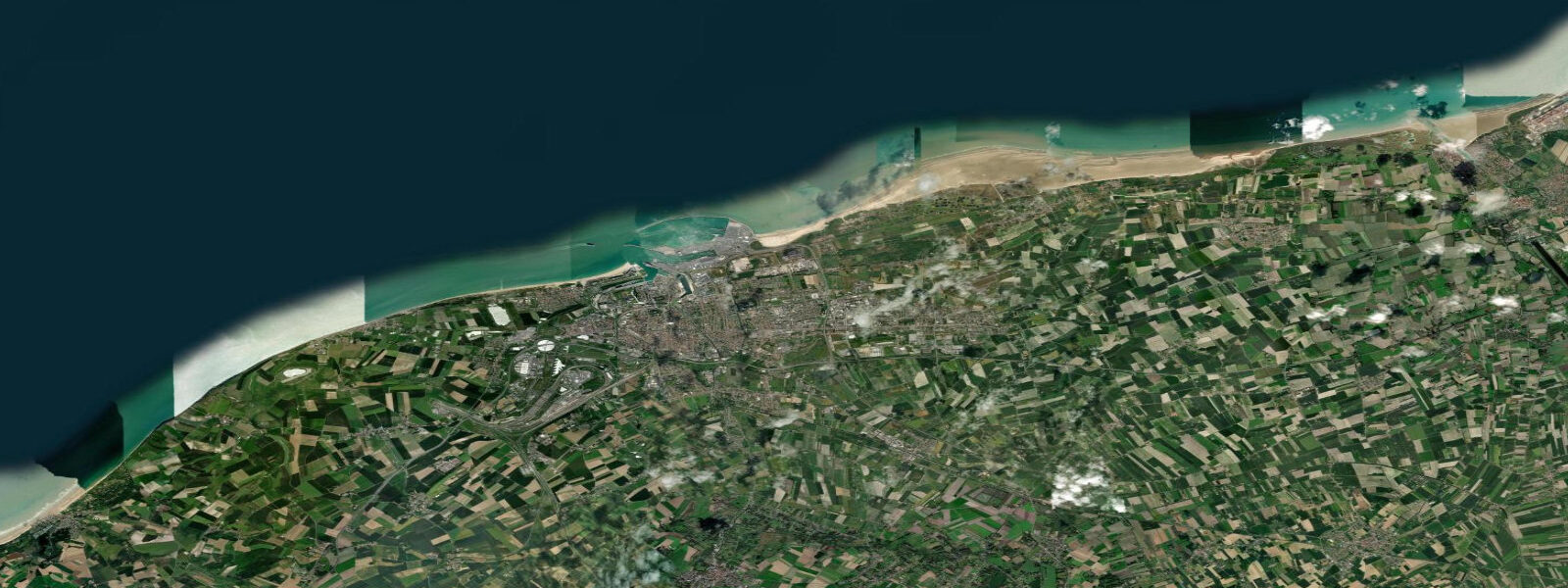
The three closest curated TideTurtle locations to Berck-sur-Mer, measured by great-circle distance.
Today's solunar windows
Solunar tradition: major periods are the ≈3h windows around moon transit and opposition; minor are ≈2h around moonrise and moonset. Pair with the local tide stage and wind for the best read.
Cycle dates near Berck-sur-Mer
Last spring tide on Tue 04 Aug (range 7.3m). Next spring tide on Mon 10 Aug (range 6.0m). Next neap on Sat 08 Aug.
Spring tides cluster around new and full moons (biggest swings). Neap tides land on quarter moons (smallest swings). See the spring tide and neap tide glossary entries for the why.
About tides at Berck-sur-Mer
A short guide to the coastline at Berck-sur-Mer — geography, sea state, and what the tide is actually doing under your feet.
Berck-sur-Mer is the southernmost town of the Opal Coast before the coastline turns into the Baie de Somme. The town divides geographically into Berck-Ville (the working town inland) and Berck-Plage (the resort strip at the sea), a split that developed when the original fishing port silted up in the 19th century and the beach became the economic asset. The beach itself is the reason Berck has the identity it does: a flat, wide, north-facing expanse of hard-packed sand exposed by a spring tidal range of approximately 7.5 m.
The tidal regime is semidiurnal and macrotidal. Mean range runs around 5.0 m; spring range reaches 7.5 m. High water at Berck occurs approximately 2 hours 5 minutes after Dover standard, slightly later than Le Touquet to the north. The exposed flat at low water on a spring tide extends 800 m to 1 km seaward of the dune face — firm enough for wheeled vehicles and wide enough to stage large-format events. The beach is oriented northeast, which means prevailing southwesterly winds arrive nearly broadside to the shoreline: ideal for wind sports operating parallel to the waterline.
Berck is France's principal land-kite and speed-sailing destination. The hard-packed spring-tide flat, a steady prevailing wind, and a long tradition of beach wind sports combine here in a way that is rare even on this macrotidal coast. The Rencontres Internationales de Cerfs-Volants de Berck — the international kite festival — runs for ten days each April and draws hundreds of kite artists and sport kiters from across the world. Giant inflatable figures, precision kite teams, and competitive speed-kiting fill the low-tide window. The festival dates are set around the spring low-water windows, when the flat is wide and firm.
Paragliding from the dune line is also established at Berck, launched from the dune edge above the beach. The dune — up to 20 m high in places — provides the launch height; the onshore wind component provides the soaring condition. The beach width at low water gives a clear landing zone. Flying is tide-dependent in the sense that a narrow high-water beach leaves little margin for landing; the standard launch window is mid-ebb to mid-flood, roughly a four-hour window centred on low water.
The Baie d'Authie sits immediately south of Berck: a wide estuarine bay formed by the Authie river where it meets the sea. The bay is macrotidal and exposed on the ebb to a vast intertidal system similar in character to the Baie de Somme further south. Grey seals (Halichoerus grypus) haul out on the Authie sandbanks; the colony, part of the broader Baie de Somme seal population, is accessible by foot at low water from the south end of the Berck beach. Approach from the dune-edge path rather than directly across the flat; the seals are tolerant of quiet observers at a distance of 50–100 m.
The town has a particular medical history: Berck developed as a centre for bone tuberculosis treatment in the late 19th century, when the combination of sea air and sand was believed therapeutic. The hospital architecture — large white buildings set back from the dune — is visible from the beach. The medical tradition brought a long-stay patient population and shaped the town's character in ways still detectable.
For shore anglers, the south end of the Berck beach and the Authie estuary mouth produce bass and flatfish. The tide window is the flood: fish move into the estuary system on the rising water to feed on the bivalves and invertebrates exposed by the previous ebb. The Authie channel itself shifts position slightly each tide on the neap-spring cycle.
Tide data for Berck-sur-Mer comes from the Open-Meteo Marine API (±45 min / ±0.2–0.3 m). SHOM authoritative tables give the precise reference.
Tide questions about Berck-sur-Mer
Quick answers to the most common questions about tide times, range, and water access at Berck-sur-Mer.
What is the tidal range at Berck-sur-Mer?
Berck-sur-Mer has a macrotidal semidiurnal regime with a mean range of approximately 5.0 m and a spring range up to 7.5 m. Two high and two low waters occur each day. High water at Berck occurs roughly 2 hours 5 minutes after Dover standard. On spring tides the exposed flat extends 800 m–1 km seaward of the dune line at low water, providing the firm surface that makes Berck a centre for beach wind sports. Open-Meteo Marine data here is accurate to ±45 min / ±0.2–0.3 m; SHOM publishes authoritative seasonal tables.
What is the Rencontres Internationales de Cerfs-Volants and when does it take place?
The Rencontres Internationales de Cerfs-Volants de Berck is one of the world's largest kite festivals, held each April over ten days on the Berck beach. Event dates are selected around the spring low-water windows when the tidal flat is widest and firmest. The festival combines artisanal giant kite displays — inflatable figures up to 30 m long — with competitive land-kiting, speed-kite racing, and precision team flying. Attendance runs to several hundred thousand visitors over the full event. The beach wind-sport tradition at Berck extends year-round; the festival is its highest-profile expression.
Where can I see grey seals near Berck-sur-Mer?
Grey seals haul out on the sandbanks of the Baie d'Authie, the tidal bay immediately south of Berck, forming part of the broader Côte d'Opale seal colony (which extends into the Baie de Somme). The animals are accessible at low water by walking south from the end of the Berck beach along the dune edge toward the Authie estuary mouth. Approach on the dune path rather than directly across the flat, which can be soft near the estuary channel. A quiet approach to within 50–100 m typically keeps the group relaxed. Timing: arrive at the start of the ebb, when the sandbanks begin to emerge, for the best chance of finding seals hauled out.
Is paragliding possible from the Berck-sur-Mer dunes?
Yes. The dune line above the Berck beach reaches up to 20 m in places and provides a launch height suited to dune soaring when wind has a suitable onshore component. The prevailing southwesterly is nearly broadside to the beach orientation — usable but requiring care on approach and landing. The standard flying window is mid-ebb to mid-flood (roughly four hours centred on low water), when the beach below is wide enough to provide a clear landing zone. Check wind direction and strength before launch — the beach becomes significantly narrower two hours before high water on spring tides, reducing the safe landing area. Seek local club guidance for site-specific rules and hazards.
Can I rely on TideTurtle tide predictions for land-kite and kite-surfing event timing at Berck?
TideTurtle uses the Open-Meteo Marine API for tide predictions. The model gives timing to approximately ±45 minutes and heights to ±0.2–0.3 m, which is adequate for scheduling leisure activity and understanding the general low-water window. For event organisation, competition scheduling, or any activity that depends on the precise width of the exposed flat (such as the Rencontres de Cerfs-Volants programme), use SHOM authoritative tidal tables for the Berck reference point. The ±45-minute margin in Open-Meteo data can represent 100 m or more of beach width difference at Berck's gradient.
8-day tide table — Berck-sur-Mer
Heights relative to MSL. Predictions: Open-Meteo Marine (MeteoFrance SMOC, 0.08° grid) — heights relative to MSL (not chart datum / LAT). Model-derived.
| Day | Type | Time | Height |
|---|---|---|---|
| Tue 04 Aug | High | 03:16 | 3.4m |
| Low | 10:19 | -3.8m | |
| High | 15:37 | 3.3m | |
| Low | 22:38 | -3.6m | |
| Wed 05 Aug | High | 03:59 | 3.3m |
| Low | 10:57 | -3.5m | |
| High | 16:21 | 3.2m | |
| Low | 23:18 | -3.3m | |
| Thu 06 Aug | High | 04:47 | 2.9m |
| Low | 11:41 | -3.3m | |
| High | 17:17 | 2.7m | |
| Fri 07 Aug | Low | 00:08 | -3.0m |
| High | 05:48 | 2.3m | |
| Low | 12:34 | -3.0m | |
| High | 18:28 | 2.4m | |
| Sat 08 Aug | Low | 01:15 | -2.7m |
| High | 07:12 | 2.1m | |
| Low | 13:56 | -2.5m | |
| High | 19:54 | 2.2m | |
| Sun 09 Aug | Low | 02:57 | -2.6m |
| High | 08:42 | 2.1m | |
| Low | 15:48 | -2.5m | |
| High | 21:16 | 2.4m | |
| Mon 10 Aug | Low | 04:36 | -3.1m |
| High | 09:55 | 2.5m | |
| Low | 17:07 | -3.2m | |
| High | 22:24 | 2.8m | |
| Tue 11 Aug | Low | 01:00 | 0.6m |