Genipabu tide times
Genipabu tide forecast — heights relative to MSL.
Today's tide times for Genipabu
Tide times at Genipabu on Tuesday, 4 August 2026: first low tide at 00:54, first high tide at 07:01, second low tide at 13:17. Sunrise 05:30, sunset 17:23.
Tide chart for Genipabu
24-hour cosine-interpolated curve around the present moment. Heights relative to MSL. Predictions: Predictions: Open-Meteo Marine (MeteoFrance SMOC, 0.08° grid).
Sun, moon and conditions on Tue 04 Aug
Snapshot at build time — refreshes daily. Sea state from Open-Meteo Marine.
Highs and lows next 7 days
Every predicted high and low for the next week, with the daily tidal coefficient (0–120; higher = bigger swing, > 95 means stronger currents).
Other spots nearby
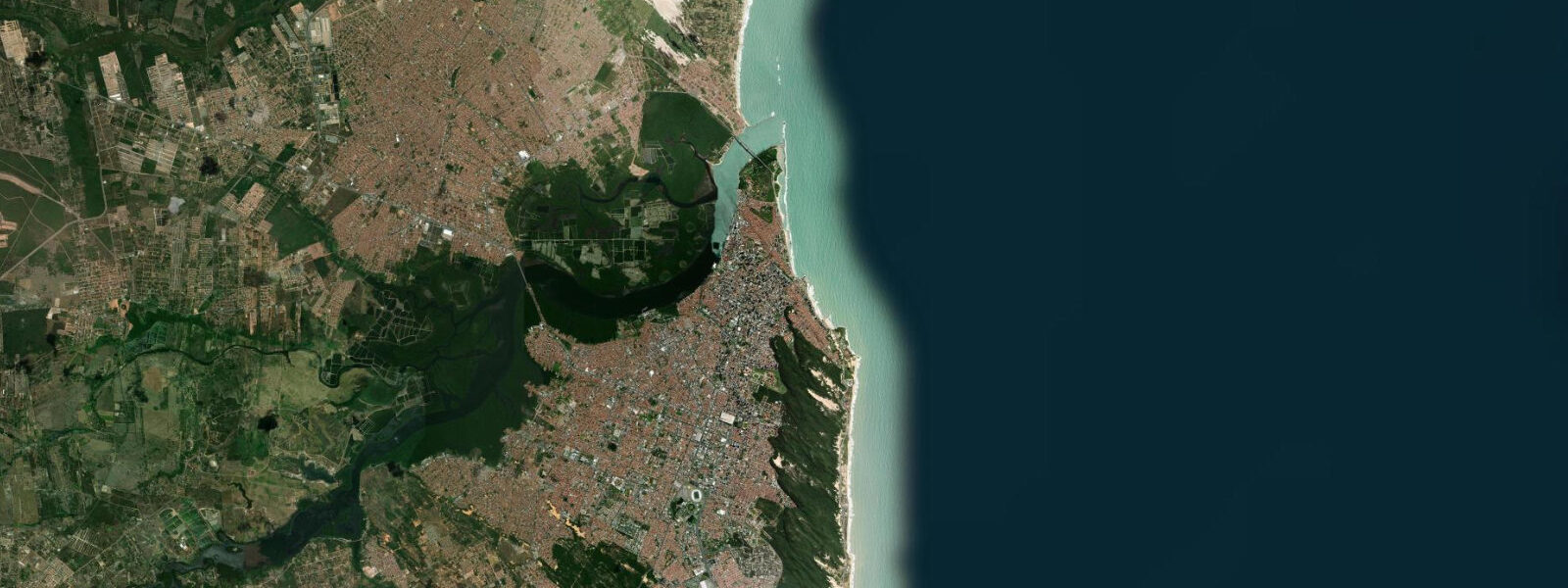
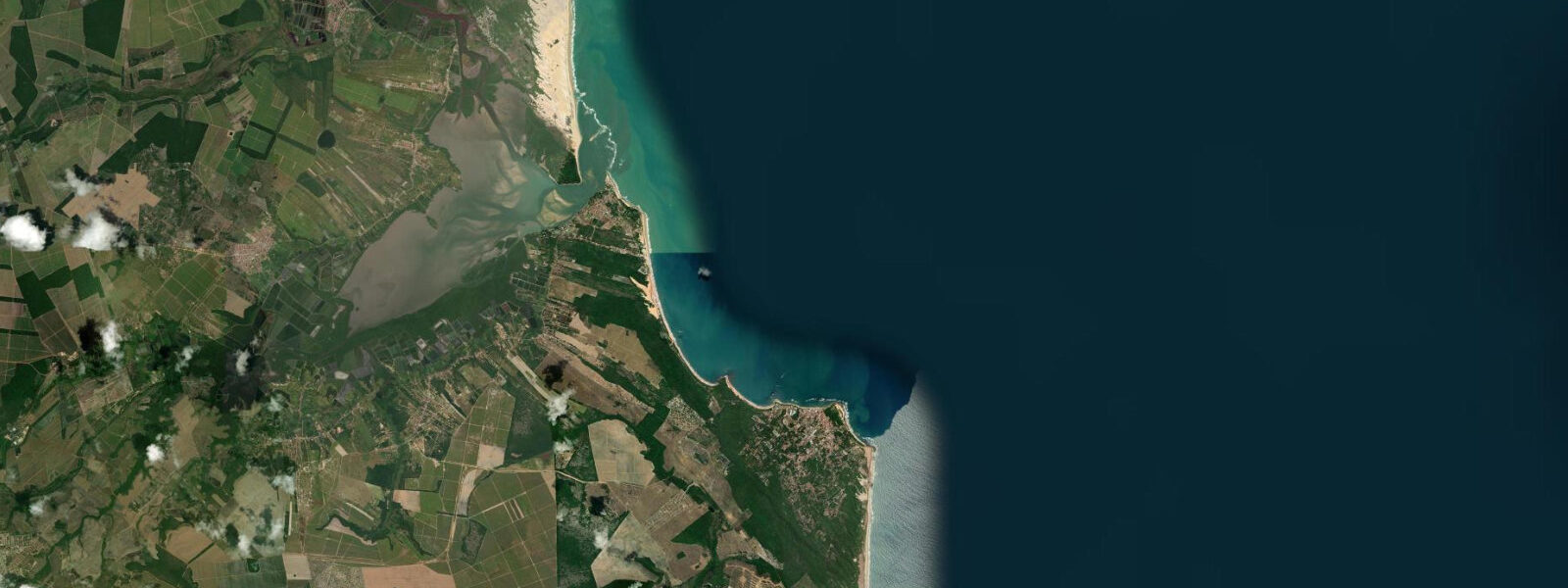
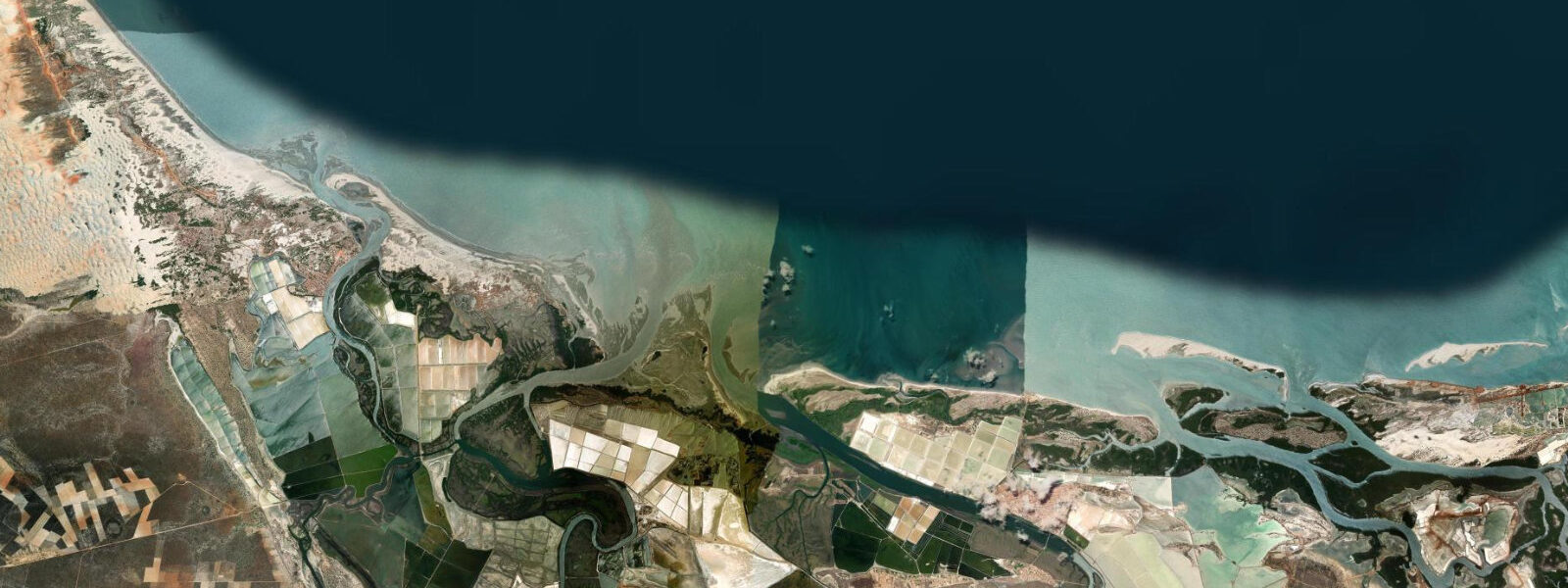
The three closest curated TideTurtle locations to Genipabu, measured by great-circle distance.
Today's solunar windows
Solunar tradition: major periods are the ≈3h windows around moon transit and opposition; minor are ≈2h around moonrise and moonset. Pair with the local tide stage and wind for the best read.
Cycle dates near Genipabu
Last spring tide on Mon 03 Aug (range 1.6m). Next spring tide on Sun 09 Aug (range 1.9m). Next neap on Wed 05 Aug.
Spring tides cluster around new and full moons (biggest swings). Neap tides land on quarter moons (smallest swings). See the spring tide and neap tide glossary entries for the why.
About tides at Genipabu
A short guide to the coastline at Genipabu — geography, sea state, and what the tide is actually doing under your feet.
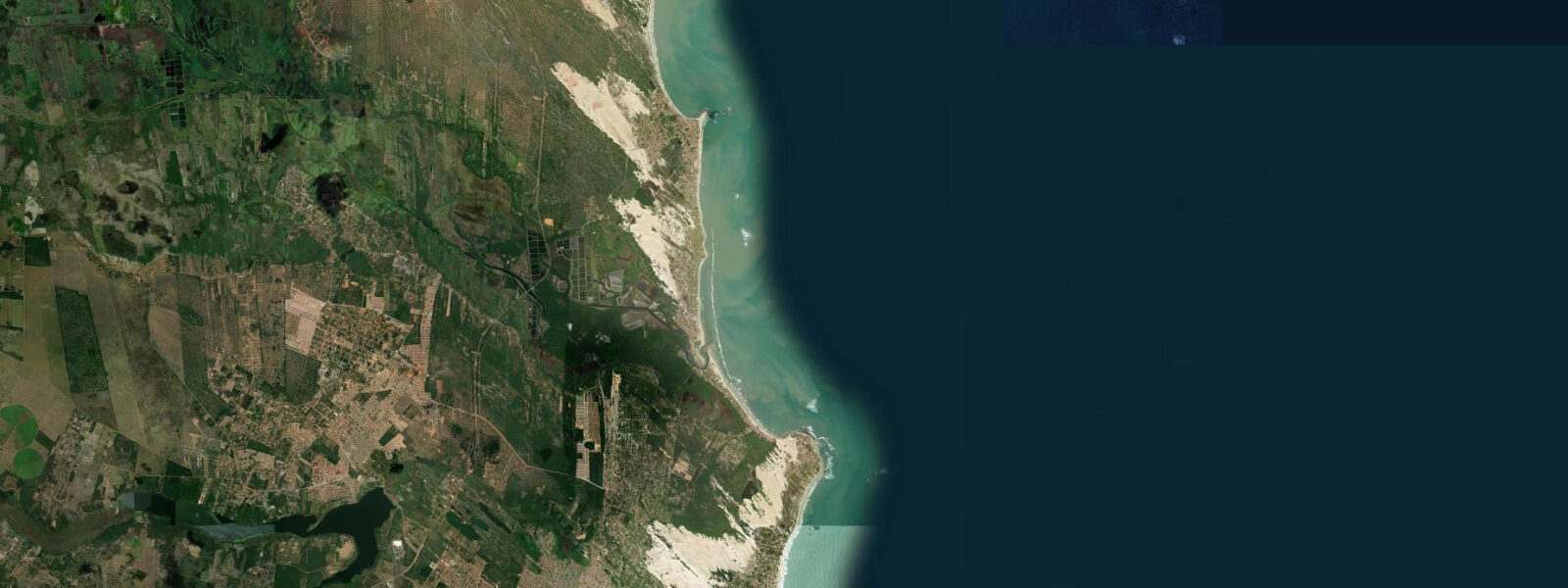
Genipabu sits 30 km north of Natal on a stretch of coast where large parabolic dunes run directly to the beach and to the tidal mouth of the Genipabu lagoon (Lagoa de Genipabu). The dunes — some reaching 30–40 m in height — are a protected ecological station (ESEC Genipabu), but the beach strip and adjacent areas are the operational zone for the region's beach buggy tourism.
The buggy tours that originate in Natal and Genipabu are the most commercially developed in the state. Vehicles travel along the strand between the dune base and the surf line, and the critical chokepoint is the tidal river crossing at the Genipabu lagoon mouth. At low water the river runs shallow — 0.4–0.8 m in dry season — and vehicle crossings are straightforward. As the tide rises toward the 2.5 m high water mark (using regional DHN/FEMAR data as a reference — the Natal gauge 30 km south is the closest formal station), the lagoon mouth deepens, the current strengthens with the tidal inflow, and the crossing becomes impractical for unmodified vehicles. Tour operators monitor tidal state and typically time the crossing for within 1–2 hours of low water.
Genipabu beach itself is relatively narrow at high tide, flanked to the east by the ocean surf and to the west by dune vegetation. At low tide the exposed sand flat widens to 60–80 m in places. Sandboarding and camel rides operate on the dune face adjacent to the beach access area — these are unaffected by tide, but the beach activities (volleyball, water equipment rental) benefit from the wider low-water foreshore.
The lagoon is brackish and calm, separated from the ocean by a sand berm that migrates slowly over years. It's used for stand-up paddleboarding, kayaking, and boat rides — the most pleasant window is early morning on an incoming tide before the breeze picks up and before tour buses arrive.
DHN/FEMAR tidal predictions for Natal apply to this stretch. Open-Meteo Marine data shown here carries ±45 min / ±0.2–0.3 m uncertainty. For commercial buggy and boat operators, official DHN tables are the reference standard.
Tide questions about Genipabu
Quick answers to the most common questions about tide times, range, and water access at Genipabu.
Why do buggy tours at Genipabu depend on the tide?
The beach buggies travel along a narrow sand strip between the dunes and the sea, and they cross the tidal river at the Genipabu lagoon mouth. At low water the crossing is 0.4–0.8 m deep and manageable. As the tide rises toward the ~2.5 m regional high water, the lagoon mouth fills, the current strengthens, and crossing becomes unsafe or impractical for wheeled vehicles. Operators typically schedule the crossing within 1–2 hours of low water and plan the route accordingly.
What is the tidal range at Genipabu?
Genipabu is 30 km north of Natal, and the tidal regime is consistent with the regional DHN/FEMAR data for that stretch — semidiurnal, mean range approximately 2.4–2.6 m above LAT. The closest formal gauge is Natal to the south. Spring tides (new and full moon) push the range toward its upper limit; neap tides reduce it. Two full tidal cycles occur each day.
Can I visit Genipabu independently or do I need a tour?
Both options work. Public access to the beach and the dune viewpoints is available independently — take the Genipabu road north from Natal and park at the village. The buggy cross-beach routes and lagoon crossing require a licensed tour operator. If you're visiting the lagoon by paddleboard or kayak, equipment rental is available at the lagoon edge. Early morning low tide is the most practical window for the beach and lagoon combined.
Is the Genipabu lagoon safe for swimming?
The lagoon is calm, brackish water — no surf, no significant current away from the tidal mouth. It's used regularly for paddleboarding and boat rides. The tidal mouth area, where the lagoon connects to the sea, develops a noticeable current on the incoming and outgoing tide; swimming close to that outlet is not recommended. The open lagoon body, 200–400 m from the mouth, is calm at all tidal states.
How accurate are the tide predictions shown for Genipabu?
Predictions here are modelled from Open-Meteo Marine global tidal data, carrying a typical uncertainty of ±45 minutes on timing and ±0.2–0.3 m on height. The nearest official gauge is Natal, 30 km to the south. For commercial operations — buggy tours, boat departures, lagoon crossing planning — use official DHN (Diretoria de Hidrografia e Navegação) tide tables at mar.mil.br. This site provides informational guidance only and is not a substitute for official nautical publications.
7-day tide table — Genipabu
Heights relative to MSL. Predictions: Open-Meteo Marine (MeteoFrance SMOC, 0.08° grid) — heights relative to MSL (not chart datum / LAT). Model-derived.
| Day | Type | Time | Height |
|---|---|---|---|
| Tue 04 Aug | Low | 00:54 | -0.6m |
| High | 07:01 | 1.0m | |
| Low | 13:17 | -0.6m | |
| Wed 05 Aug | High | 07:54 | 0.9m |
| Low | 14:11 | -0.5m | |
| High | 20:26 | 0.9m | |
| Thu 06 Aug | Low | 02:47 | -0.4m |
| High | 09:00 | 0.8m | |
| Low | 15:17 | -0.4m | |
| High | 21:38 | 0.8m | |
| Fri 07 Aug | Low | 04:08 | -0.5m |
| High | 10:25 | 0.7m | |
| Low | 16:40 | -0.4m | |
| High | 23:00 | 0.8m | |
| Sat 08 Aug | Low | 05:38 | -0.5m |
| High | 11:55 | 0.7m | |
| Low | 18:06 | -0.5m | |
| Sun 09 Aug | High | 00:19 | 0.9m |
| Low | 06:52 | -0.7m | |
| High | 13:06 | 0.9m | |
| Low | 19:14 | -0.6m | |
| Mon 10 Aug | High | 01:21 | 1.0m |
| Low | 07:50 | -0.9m | |
| High | 14:05 | 1.0m | |
| Low | 20:00 | -0.8m |