Angra dos Reis tide times
Angra dos Reis tide forecast — heights relative to MSL.
Today's tide times for Angra dos Reis
Tide times at Angra dos Reis on Monday, 3 August 2026: first high tide at 16:13, first low tide at 23:47. Sunrise 06:30, sunset 17:36.
Tide chart for Angra dos Reis
24-hour cosine-interpolated curve around the present moment. Heights relative to MSL. Predictions: Predictions: Open-Meteo Marine (MeteoFrance SMOC, 0.08° grid).
Sun, moon and conditions on Mon 03 Aug
Snapshot at build time — refreshes daily. Sea state from Open-Meteo Marine.
Highs and lows next 7 days
Every predicted high and low for the next week, with the daily tidal coefficient (0–120; higher = bigger swing, > 95 means stronger currents).
Other spots nearby
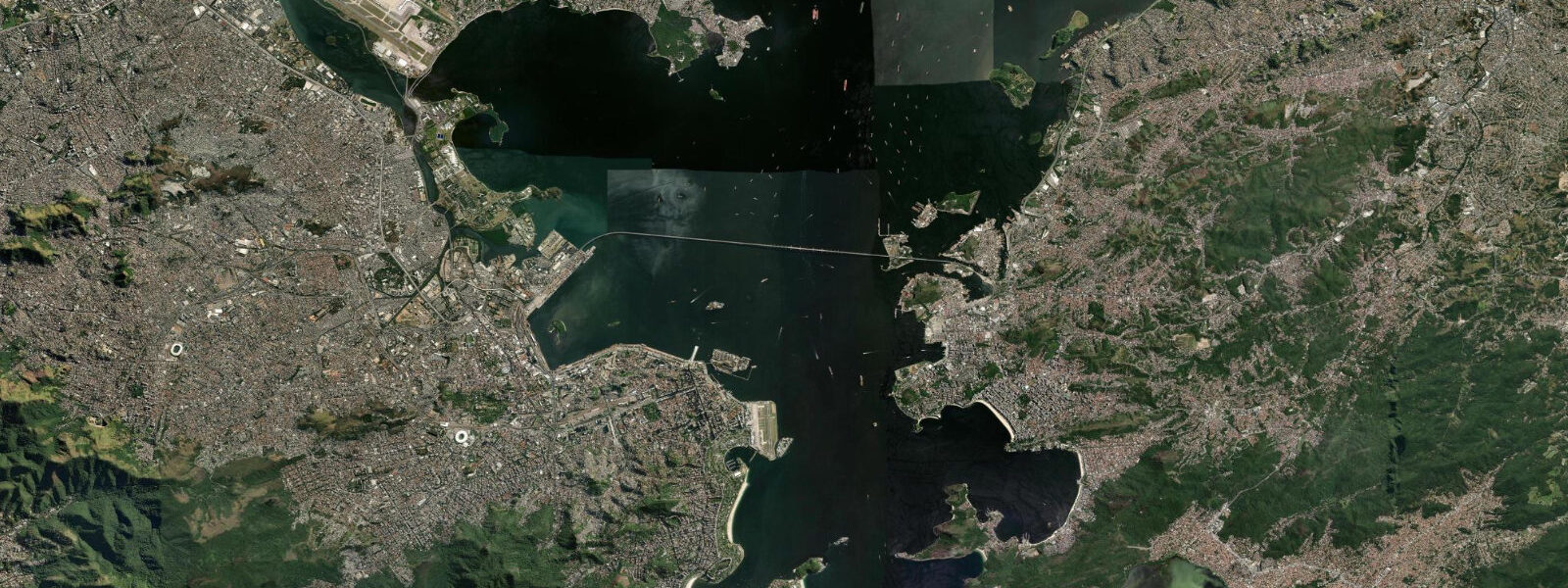
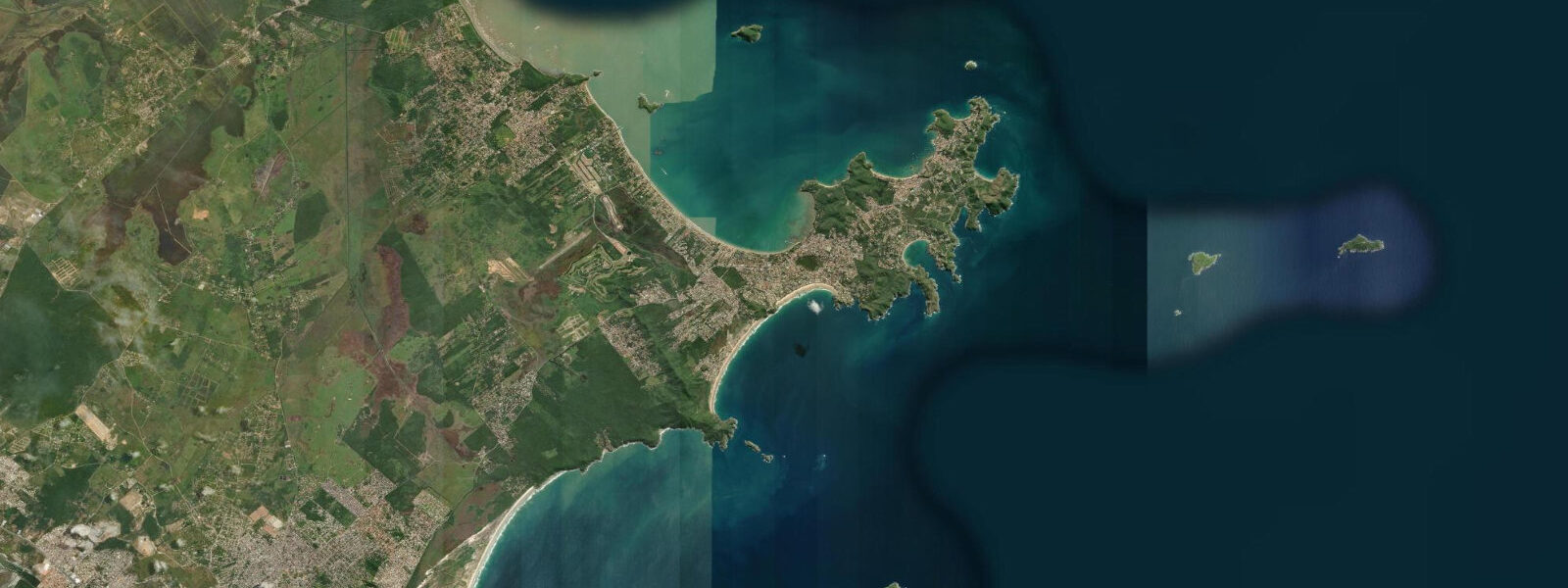
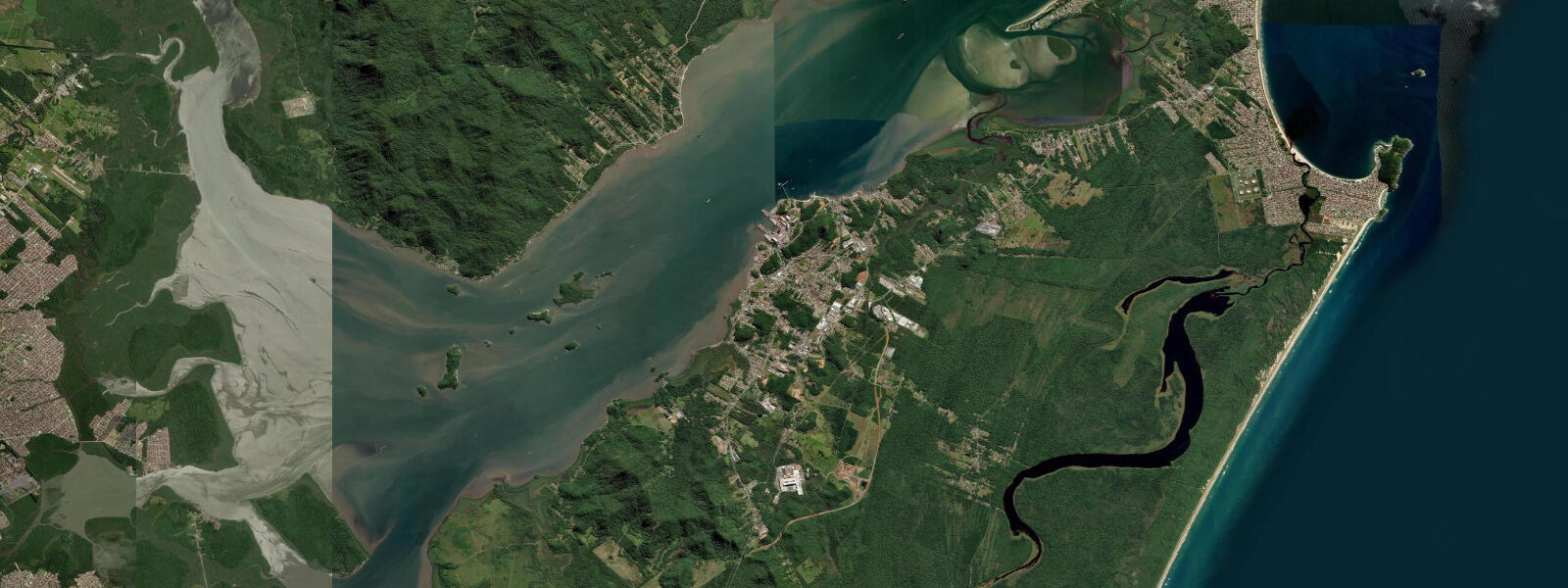
The three closest curated TideTurtle locations to Angra dos Reis, measured by great-circle distance.
Today's solunar windows
Solunar tradition: major periods are the ≈3h windows around moon transit and opposition; minor are ≈2h around moonrise and moonset. Pair with the local tide stage and wind for the best read.
Cycle dates near Angra dos Reis
Next spring tide on Mon 03 Aug (range 0.8m). Next neap on Wed 05 Aug.
Spring tides cluster around new and full moons (biggest swings). Neap tides land on quarter moons (smallest swings). See the spring tide and neap tide glossary entries for the why.
About tides at Angra dos Reis
A short guide to the coastline at Angra dos Reis — geography, sea state, and what the tide is actually doing under your feet.
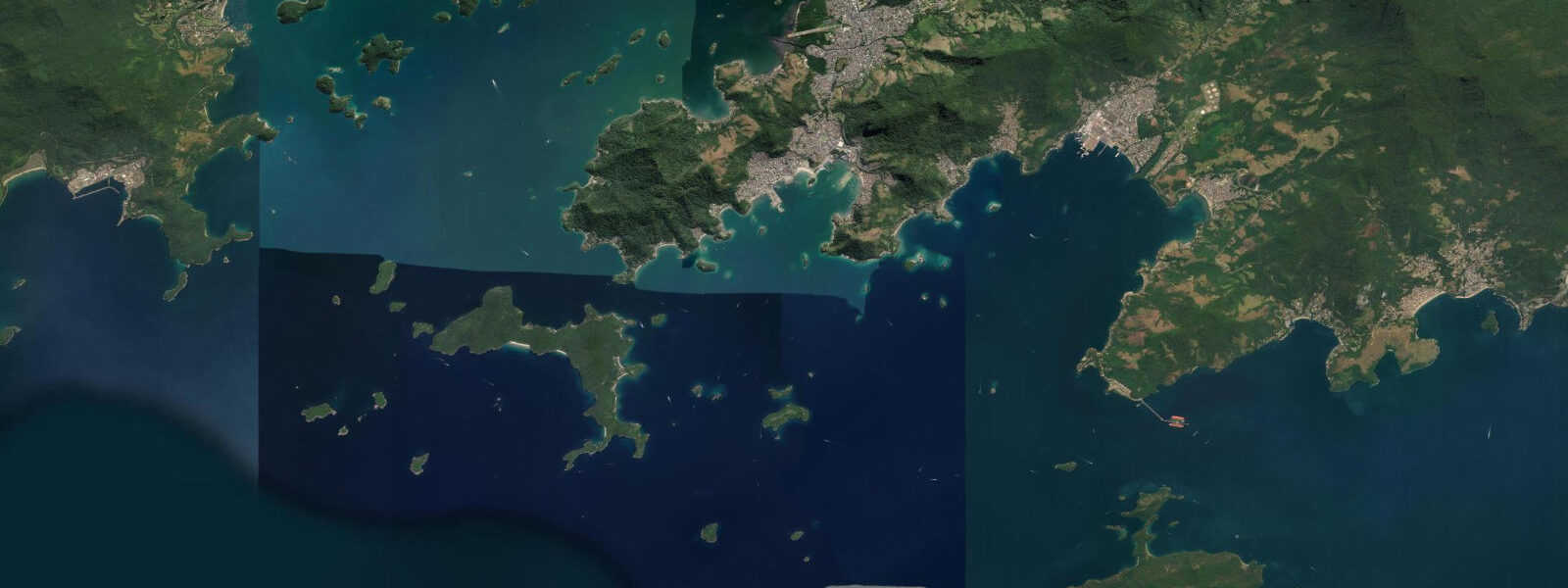
The Baía de Ilha Grande occupies a 150-kilometre section of the Rio de Janeiro State coastline between Angra dos Reis and Parati, sheltered from open Atlantic swell by the Sierra do Mar escarpment and the archipelago of islands — by common count, approximately 365 — distributed across the bay. The tidal regime is semidiurnal with a mean spring range of approximately 1.0 metre. Inside the bay's protected waters, the tidal signal is the main water-level variable rather than swell or wave action, which makes the bay a significant small-boat cruising ground.
Angra dos Reis is the main access point to the bay from the Rio side. The town itself has a compact waterfront with ferry terminals, charter boat operators, and the infrastructure for accessing the islands. Ilha Grande, the largest island, sits 15 kilometres offshore and is reached by passenger ferry in approximately 90 minutes from Angra or by faster launches from Conceição de Jacareí. Ilha Grande's history is defined by what was located there: a 19th-century leper colony and then, from 1903 through 1994, the Cândido Mendes prison complex, which deterred development and inadvertently preserved the island's ecology. The island today is classified as a state park and UNESCO-listed Atlantic Forest biosphere reserve; no vehicles exist on the island and the main settlement at Vila do Abraão is entirely pedestrian.
Lopes Mendes beach, on the Atlantic-facing east side of Ilha Grande, requires a 90-minute walk from Vila do Abraão through Atlantic Forest or arrival by boat. It is four kilometres of white sand with clear water and consistent southeast swell. The Atlantic Forest interior of Ilha Grande holds howler monkeys, toucans, and several Atlantic Forest endemic bird species.
The bay's water clarity is higher than typical for the Rio de Janeiro coastline because the lack of major rivers draining directly into the enclosed bay reduces turbidity, and the Atlantic Forest cover on surrounding mountains limits agricultural runoff. Coral outcrops and rocky reefs in the bay's northern sections support reef fish visible by snorkelling in 3 to 6 metres. Kayaking the mangrove channels on the back sides of the islands on a flooding tide is one of the more distinctive available experiences — the channels constrict as they move inland, and the tidal flow creates sufficient current in the narrower sections to require modest paddling effort on the ebb.
Angra dos Reis is also home to two of Brazil's three nuclear power units — Angra 1 (operational 1985) and Angra 2 (operational 2001) — on the peninsula south of the town. A third unit, Angra 3, has been under intermittent construction since the 1980s with multiple project suspensions. The plant is visible from the water and from the coast road, an incongruous presence in one of Brazil's most biologically rich coastal areas.
Predictions on this page come from Open-Meteo Marine, a gridded global ocean model. Accuracy is typically within plus or minus 45 minutes on timing and 0.2 to 0.3 metres on height — model-derived, not from a local gauge. For authoritative Brazilian tide data, consult the Centro de Hidrografia da Marinha (CHM) at mar.mil.br/chm.
Tide questions about Angra dos Reis
Quick answers to the most common questions about tide times, range, and water access at Angra dos Reis.
How do I get to Ilha Grande from Angra dos Reis?
Passenger ferries (barca) run from the Angra dos Reis ferry terminal to Vila do Abraão on Ilha Grande, with a crossing time of approximately 90 minutes. There are also faster private launch services (lanchas) from both Angra and from Conceição de Jacareí (closer to the island, roughly 30 minutes by launch). The ferry is cheaper and more reliable in rough weather; the lancha is faster but more affected by sea conditions. Schedules vary seasonally — during the December to February peak, multiple daily departures run. Outside peak season, confirm the schedule in advance. No vehicles travel to Ilha Grande; everything on the island moves on foot or by boat.
What is the best way to reach Lopes Mendes beach?
Lopes Mendes is on the Atlantic-facing southeast coast of Ilha Grande, approximately 90 minutes' walk from Vila do Abraão through Atlantic Forest trail. The trail is well-marked and not technically demanding but involves moderate elevation. Alternatively, boats from Vila do Abraão can drop you at Lopes Mendes directly in 20 to 30 minutes, which is the practical option for full-day visits when you want maximum time on the beach. Water taxis operate from the Abraão pier and prices are negotiable based on group size. Low water exposes a wider beach at Lopes Mendes; the Atlantic swell arrives consistently from the southeast, so afternoon conditions are typically choppier than mornings when the sea breeze has not yet developed.
Is kayaking in the Ilha Grande bay safe for intermediate paddlers?
The interior of Baía de Ilha Grande is well-suited to intermediate kayakers. Swell from the open Atlantic is blocked by the island chain, the tidal range is modest at around 1.0 metre, and the channels between islands provide natural waypoints and shelter. The main hazards are powerboat traffic in the main navigation lanes (stay to the edges of channels), afternoon sea breeze that builds chop on the open sections of the bay, and the narrower tidal channels where ebb current can run at 1 to 2 knots. The mangrove channels on the landward sides of the outer islands are ideal for low-commitment paddling — shallow, protected, and interesting biologically. Rentals and guided tours operate from Vila do Abraão.
What is the water visibility like for snorkelling in Ilha Grande bay?
Water visibility in the protected sections of Baía de Ilha Grande is generally 5 to 12 metres on calm days without recent rain. The bay's clarity is higher than the main Rio coastline because the enclosed basin receives limited direct river input and the surrounding Atlantic Forest slopes reduce agricultural runoff. Best visibility follows a period of light wind and no significant rainfall in the catchment — commonly the dry season months of May through September. Rocky reef sections on the northern and western sides of Ilha Grande and around the smaller islets support grouper, angelfish, trumpetfish, and soft coral. Full gear rental is available in Vila do Abraão.
Does the tide affect the mangrove channel kayaking routes?
Yes, meaningfully. The best time to paddle the mangrove channels behind the Ilha Grande bay islands is on a rising (flooding) tide, for two reasons: the water depth in the shallowest channel sections is adequate and the tidal flow pushes you into the channels rather than against you. As the tide ebbs, the shallower sections can ground a kayak and the current reverses. A practical window is two hours either side of high water, which gives you approximately four hours of comfortable paddling depth. The mangrove-rooted sections are also most accessible at higher water, when the root systems are submerged and the channel widens. Check the tide table and plan your put-in time to catch the last two hours of flood.
7-day tide table — Angra dos Reis
Heights relative to MSL. Predictions: Open-Meteo Marine (MeteoFrance SMOC, 0.08° grid) — heights relative to MSL (not chart datum / LAT). Model-derived.
| Day | Type | Time | Height |
|---|---|---|---|
| Mon 03 Aug | High | 16:13 | 0.3m |
| Low | 23:47 | -0.2m | |
| Tue 04 Aug | High | 04:21 | 0.5m |
| Low | 12:35 | -0.3m | |
| High | 16:42 | 0.3m | |
| Wed 05 Aug | Low | 01:00 | -0.3m |
| High | 05:03 | 0.3m | |
| Low | 13:40 | -0.2m | |
| High | 17:20 | 0.2m | |
| Low | 20:20 | 0.0m | |
| High | 20:45 | 0.0m | |
| Thu 06 Aug | Low | 02:07 | -0.2m |
| High | 06:00 | 0.2m | |
| Low | 08:06 | 0.1m | |
| High | 10:04 | 0.2m | |
| Low | 15:02 | -0.1m | |
| High | 18:03 | 0.2m | |
| Fri 07 Aug | Low | 03:34 | -0.2m |
| High | 07:06 | 0.2m | |
| Low | 08:00 | 0.1m | |
| High | 11:24 | 0.4m | |
| Low | 16:25 | -0.0m | |
| High | 19:02 | 0.2m | |
| Low | 21:00 | 0.1m | |
| High | 23:38 | 0.2m | |
| Sat 08 Aug | Low | 04:40 | -0.2m |
| High | 12:20 | 0.6m | |
| Low | 17:39 | -0.0m | |
| High | 20:08 | 0.2m | |
| Low | 21:18 | 0.1m | |
| Sun 09 Aug | High | 00:12 | 0.3m |
| Low | 05:47 | -0.5m | |
| High | 13:15 | 0.6m | |
| Low | 18:27 | -0.2m | |
| High | 20:00 | 0.0m |