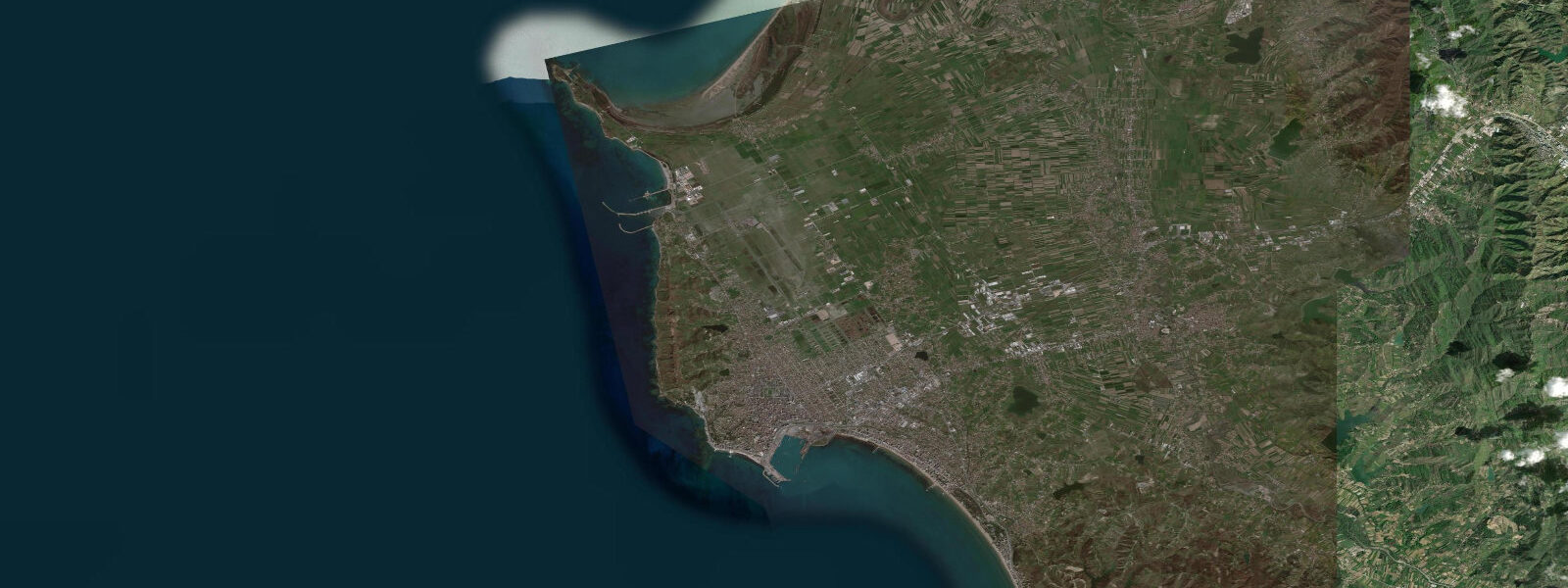
Durrës Beach tide times
Durrës Beach tide forecast — heights relative to MSL.
Today's tide times for Durrës Beach
Tide times at Durrës Beach on Tuesday, 4 August 2026: first low tide at 02:00am. Sunrise 05:39am, sunset 07:57pm.
Tide chart for Durrës Beach
24-hour cosine-interpolated curve around the present moment. Heights relative to MSL. Predictions: Predictions: Open-Meteo Marine (MeteoFrance SMOC, 0.08° grid).
Sun, moon and conditions on Tue 04 Aug
Snapshot at build time — refreshes daily. Sea state from Open-Meteo Marine.
Highs and lows next 7 days
Every predicted high and low for the next week, with the daily tidal coefficient (0–120; higher = bigger swing, > 95 means stronger currents).
Other spots nearby
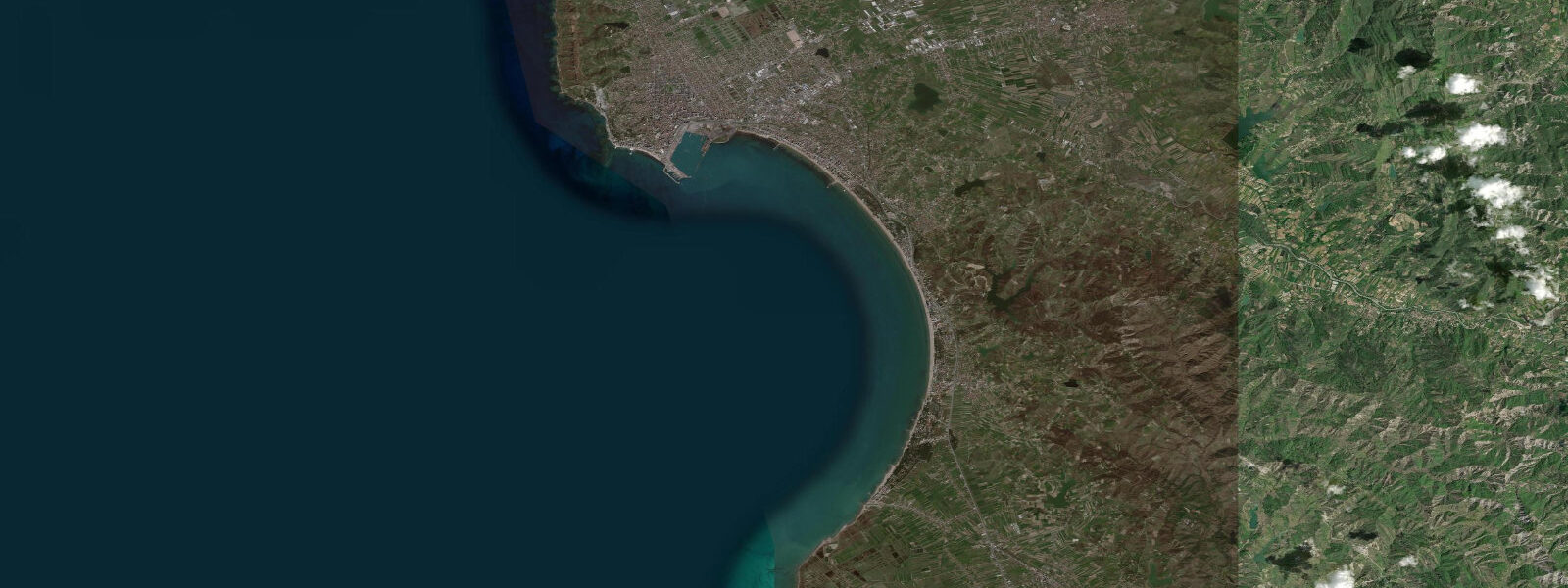
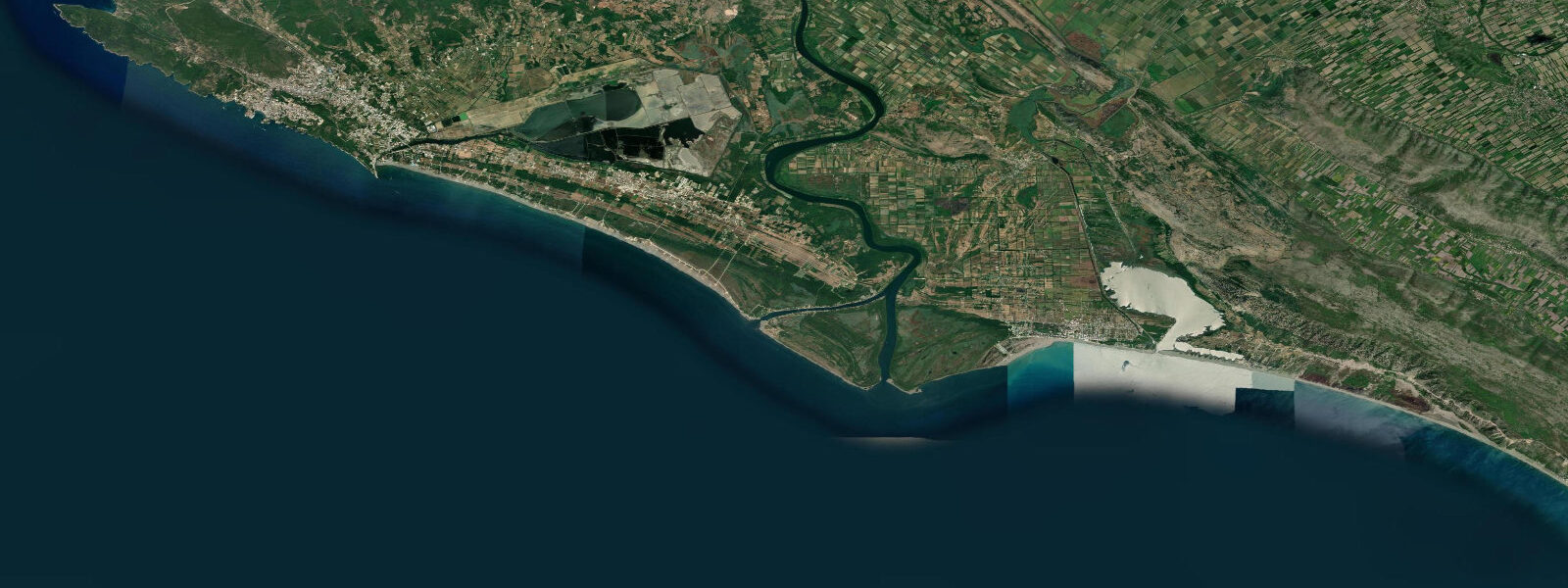
The three closest curated TideTurtle locations to Durrës Beach, measured by great-circle distance.
Today's solunar windows
Solunar tradition: major periods are the ≈3h windows around moon transit and opposition; minor are ≈2h around moonrise and moonset. Pair with the local tide stage and wind for the best read.
About tides at Durrës Beach
A short guide to the coastline at Durrës Beach — geography, sea state, and what the tide is actually doing under your feet.
Durrës stands at the western edge of Albania's central plain, where the Erzen River delta has built a flat coastal margin and the Adriatic shelf extends offshore in a wide, shallow approach. The city is Albania's principal port and second-largest urban centre; it was founded as the Greek colony of Epidamnos around 627 BCE, became Dyrrachium under Rome, and served as the western terminus of the Via Egnatia — the Roman military road connecting the Adriatic to Byzantium. The layering of that history is visible in the city centre: a partially excavated Roman amphitheatre from the 2nd century CE sits within the fabric of the old town, and the city's Archaeological Museum holds artefacts from the Epidamnos-Dyrrachium periods including mosaics, coins, and votive objects. The beach north of the city — known variously as Plazhi i Durrësit or the Durrës beach strip — is the longest continuous sandy beach in Albania. From the northern jetty of the commercial harbour, the beach extends 12 km northward in a gradually widening arc to the Ishëm River mouth. The Rruga Taulantia beach road parallels the shoreline for most of this length; hotels, restaurants, and seasonal beach clubs are concentrated in the first 6 km from the harbour. The beach itself is wide and sandy with the characteristic Adriatic gently shelving gradient: the 0.5 m spring tidal range and shallow approach produce a broad intertidal zone at spring lows, expanding the walkable beach by 20 to 30 m beyond the high-water line. The sand is generally fine to medium grade, light brown in colour; the northern sections have a wider beach with less development immediately behind. The Adriatic at Durrës is warm and relatively calm. Summer sea temperature reaches 24–26°C from late June through August; the dominant summer wind is the afternoon northwesterly (Maestral), which generates a short, low chop that is comfortable for most water users. The swell regime is limited by the Adriatic's enclosed geometry: the fetch north to south is roughly 800 km, and swell heights above 1.5 m are uncommon except during sustained Bora events (a cold northeast wind that can build 2 to 3 m seas in 12 to 24 hours). Shore fishing from the northern harbour jetty targets sea bass (lupo di mare) and sea bream; the jetty is a fixed structure with reliable access across the tidal range, and the current around the breakwater tip concentrates fish on the incoming tide. The archaeological museum on Rruga Kalasë in the old town is within walking distance of the harbour; the amphitheatre entrance is a 10-minute walk from the sea front. Tide predictions at Durrës come from Open-Meteo Marine, a gridded global ocean model; accuracy is typically ±45 min on timing and ±0.2–0.3 m on height. IMET (Instituti i Meteorologjisë, Hidrologjisë dhe Gjeofizikës, Albania) is the national meteorological authority.
The beach north of the Durrës harbour has been the primary summer destination for Albanian urban families since the communist period, when it was one of the few coastal destinations accessible to Tirana residents. That tradition continues — July and August see significant beach congestion on the first 4 to 5 km of the strip, particularly on weekends when traffic from Tirana arrives by late morning. The beach clubs and restaurants in this section are seasonal operations: full service from June through mid-September, minimal from October to May. North of the 6 km mark, the density drops and the beach transitions to a simpler character. The water quality in the northern sections is generally better than in the harbour-adjacent stretch, where the commercial port creates some localised turbidity. Shore anglers prefer the northern jetty of the harbour and the first 2 km of beach north of it for consistent access and predictable fish behaviour on the tidal current.
Tide questions about Durrës Beach
Quick answers to the most common questions about tide times, range, and water access at Durrës Beach.
What is the tidal range at Durrës Beach?
Durrës has a semidiurnal Adriatic microtidal regime with a spring tidal range of approximately 0.4 to 0.6 m — two highs and two lows per day. The range is measurably larger than the eastern Mediterranean sites on the same coast, meaning the intertidal zone is real and visible: at spring low water, the beach expands by 20 to 30 m beyond the normal high-water line on the gently shelving Adriatic gradient. This matters for beach planning — the beach width changes perceptibly through the tidal cycle. Bora wind events from the northeast are the main source of elevated sea level at Durrës; during strong Bora episodes, water setup can add 30 to 50 cm above the predicted level. Tide predictions come from Open-Meteo Marine, a gridded global ocean model; accuracy is ±45 min on timing and ±0.2–0.3 m on height. IMET is the national forecast authority.
Is the Roman amphitheatre in Durrës accessible from the beach?
Yes. The Roman amphitheatre of Dyrrachium is in the old town district of Durrës, approximately 1.5 km from the beach strip and 10 minutes on foot from the harbour waterfront. The amphitheatre was partially excavated beginning in the 1960s and is one of the largest Roman amphitheatres in the Balkans — estimated capacity of 15,000 to 20,000 spectators. A Byzantine-era chapel was built inside one of the vaulted chambers during the early Christian period, and the mosaic floor fragments in that chapel are among the best-preserved in Albania. The site is open to visitors most of the year; check current opening hours locally as they can vary seasonally. The Archaeological Museum (Muzeu Arkeologjik i Durrësit) on Rruga Kalasë is the companion visit, with the artefacts from the Epidamnos and Dyrrachium periods that were not left in situ at the dig.
How far does the beach extend north of Durrës and what are conditions like?
The beach north of the Durrës harbour jetty extends approximately 12 km to the Ishëm River mouth, becoming progressively less developed and wider in its northern sections. The first 6 km (the organised beach strip with hotels and beach clubs) is the most crowded in summer, particularly in July and August when Albanian holidaymakers make up the majority of visitors. From the 6 km mark northward, development thins and the beach transitions to a more natural dune-backed profile with seasonal beach access points. The Adriatic water temperature is uniform along the strip — 24–26°C in summer. The beach gradient is consistent and gentle throughout; the 0.5 m tidal range means the intertidal zone is about 20 to 30 m wide at spring low water. The Maestral afternoon sea breeze makes conditions pleasant in mid-afternoon heat.
What fish are caught shore fishing at Durrës?
The northern jetty of the Durrës harbour is the primary shore-fishing position. The current around the breakwater tip concentrates sea bass (levrek in Albanian, lupo di mare), sea bream (koran deti), and mullet (gojëkuq). The incoming tide is the traditional casting window when fish move with the current toward the harbour approach; at spring range of 0.4 to 0.6 m, there is a genuine tidal current at the breakwater tip. The beach sections north of the harbour are shallower and hold flatfish (sole, flounder) and sand-dwelling species on lighter tackle. Autumn (September–November) is considered the best shore-fishing season at Durrës as bream and bass move shallower with cooling water. The angler tradition that rates fishing days by moon transit periods (solunar tradition) is followed in the Albanian fishing community; those period times are shown in the tide table header on this page as a traditional guide, not a scientific prediction.
How do I get from Durrës beach to central Tirana?
Durrës is 33 km west of Tirana, connected by the SH2 highway — a dual-carriageway that takes 35 to 50 minutes by car outside peak hours. The Durrës train station (near the harbour) runs regular services to Tirana's Rinia train station; journey time approximately 50 to 60 minutes with services running every 1 to 2 hours through the day. Buses and minibuses (furgon) operate from the Durrës bus station near the market area and depart when full rather than on a fixed timetable; the trip to Tirana takes 45 to 60 minutes depending on traffic. In summer peak season (July–August), the road between Durrës and Tirana is congested on Friday evenings and Sunday afternoons when Tiranans travel to and from the beach. The train is the most reliable option during peak traffic.
8-day tide table — Durrës Beach
Heights relative to MSL. Predictions: Open-Meteo Marine (MeteoFrance SMOC, 0.08° grid) — heights relative to MSL (not chart datum / LAT). Model-derived.
| Day | Type | Time | Height |
|---|---|---|---|
| Tue 04 Aug | Low | 02:00 | -0.6m |
| Wed 05 Aug | — | ||
| Thu 06 Aug | — | ||
| Fri 07 Aug | — | ||
| Sat 08 Aug | High | 13:10 | -0.3m |
| Low | 21:00 | -0.5m | |
| Sun 09 Aug | High | 02:00 | -0.4m |
| Low | 07:00 | -0.5m | |
| High | 14:00 | -0.2m | |
| Mon 10 Aug | Low | 08:10 | -0.5m |
| High | 14:45 | -0.2m | |
| Low | 21:45 | -0.6m | |
| Tue 11 Aug | High | 01:00 | -0.5m |