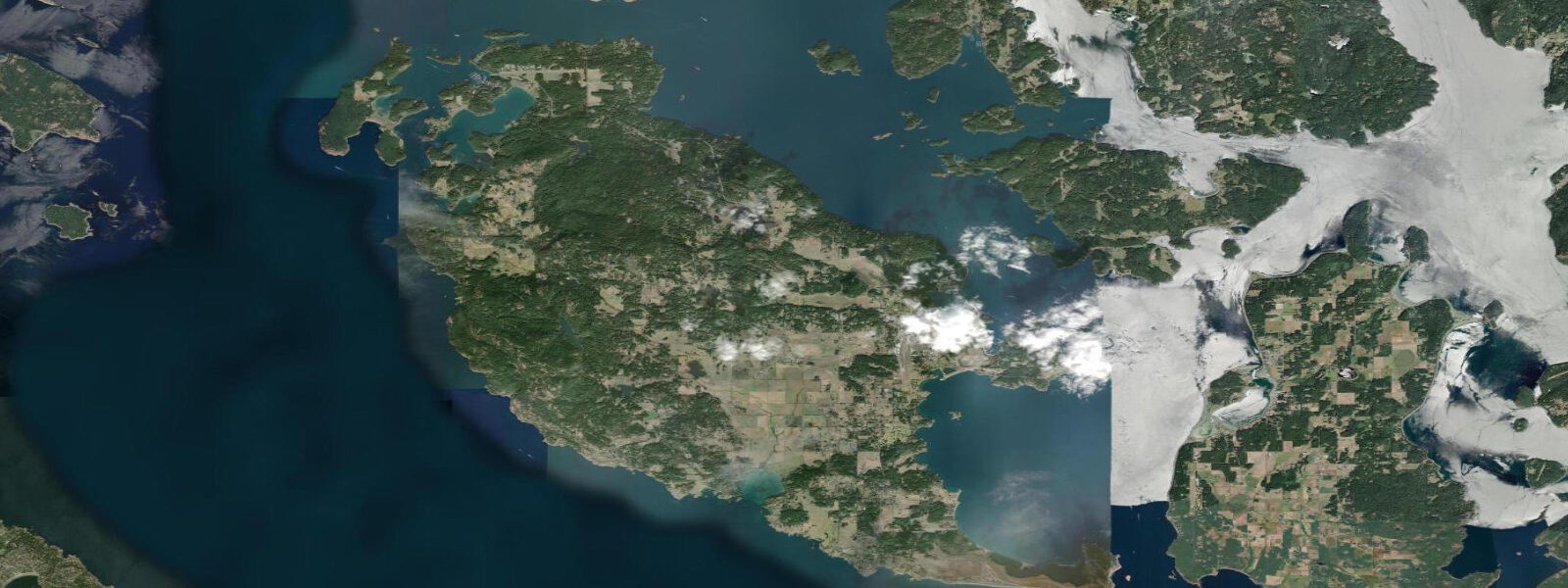
Friday Harbor tide times
Friday Harbor tide forecast — heights relative to MSL.
Today's tide times for Friday Harbor
Tide times at Friday Harbor on Sunday, 2 August 2026: first high tide at 05:00pm, first low tide at 09:28pm. Sunrise 05:48am, sunset 08:49pm.
Tide chart for Friday Harbor
24-hour cosine-interpolated curve around the present moment. Heights relative to MSL. Predictions: Predictions: Open-Meteo Marine (MeteoFrance SMOC, 0.08° grid).
Sun, moon and conditions on Sun 02 Aug
Snapshot at build time — refreshes daily. Sea state from Open-Meteo Marine.
Highs and lows next 7 days
Every predicted high and low for the next week, with the daily tidal coefficient (0–120; higher = bigger swing, > 95 means stronger currents).
Other spots nearby
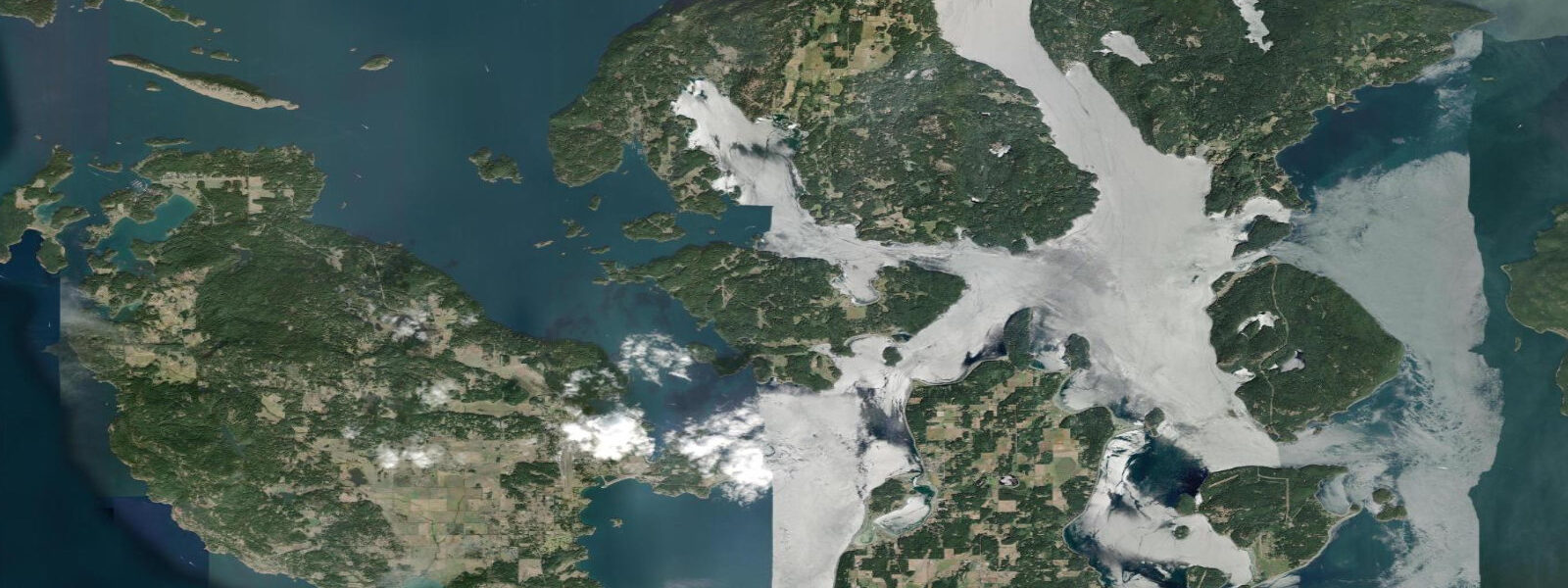
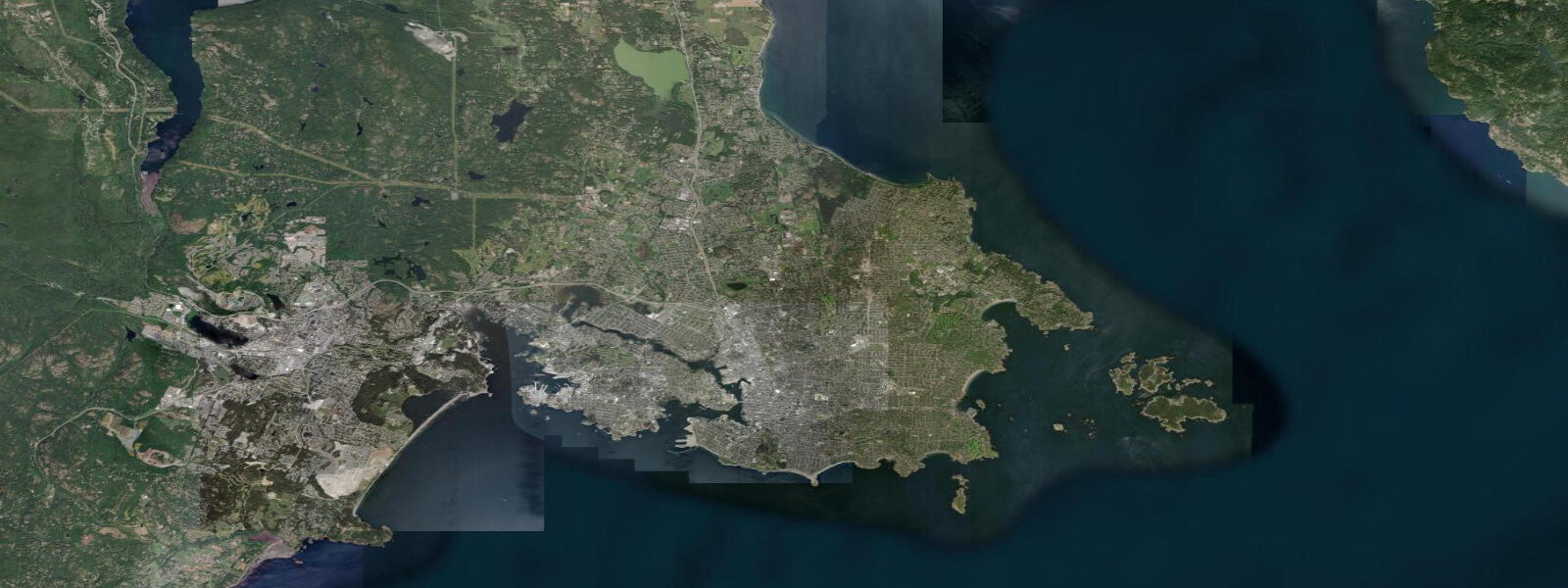
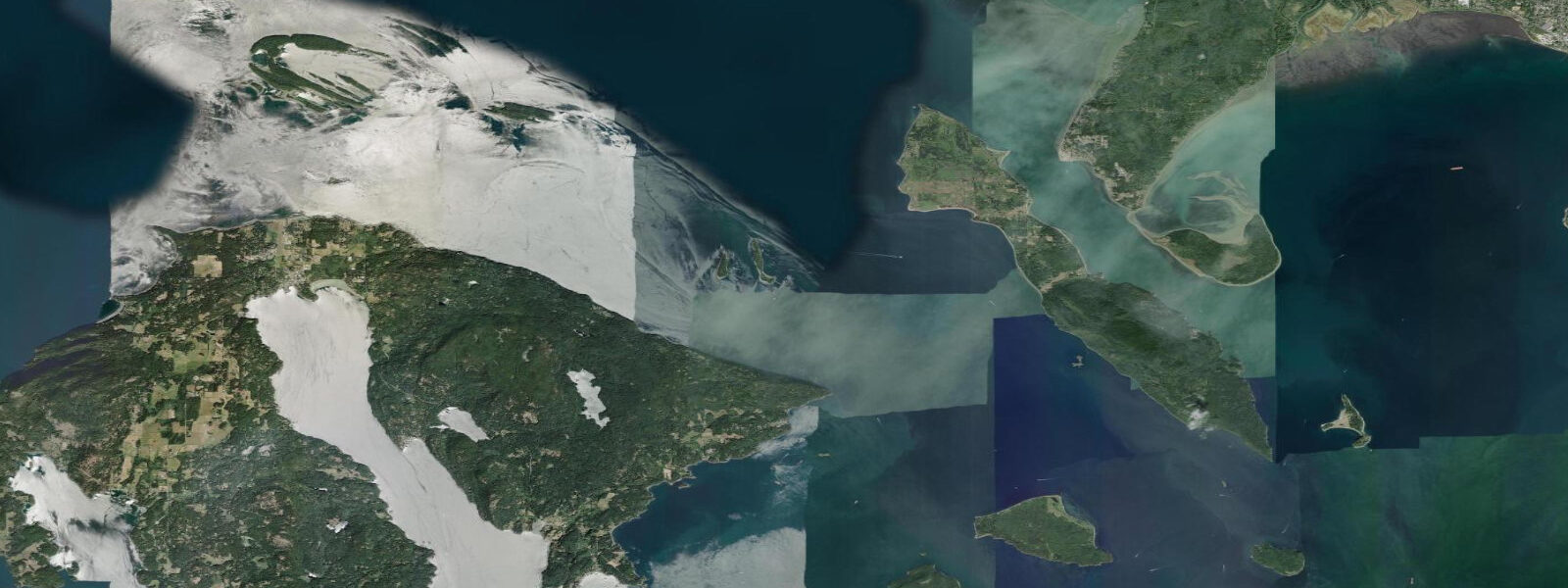
The three closest curated TideTurtle locations to Friday Harbor, measured by great-circle distance.
Today's solunar windows
Solunar tradition: major periods are the ≈3h windows around moon transit and opposition; minor are ≈2h around moonrise and moonset. Pair with the local tide stage and wind for the best read.
Cycle dates near Friday Harbor
Last spring tide on Sun 02 Aug (range 3.3m / 10.7ft). Next spring tide on Sat 08 Aug (range 3.6m / 12.0ft). Next neap on Tue 04 Aug.
Spring tides cluster around new and full moons (biggest swings). Neap tides land on quarter moons (smallest swings). See the spring tide and neap tide glossary entries for the why.
About tides at Friday Harbor
A short guide to the coastline at Friday Harbor — geography, sea state, and what the tide is actually doing under your feet.
Friday Harbor is the only incorporated town in the San Juan Islands, sitting in a natural harbour on the east side of San Juan Island. The ferry from Anacortes drops you here after a 90-minute crossing through some of the most spectacular tidal country in North America. The tidal range is mixed semidiurnal and large — mean range around 2.0 metres, springs reaching 3.2 to 3.5 metres — but what defines the San Juans hydrologically is not range but current. The channels between islands can run 6 to 8 knots at maximum spring flood.
Haro Strait, on the west side of San Juan Island, is where orcas hunt. The southern resident killer whale pods — J, K, and L — follow chinook salmon through the strait from spring through fall. The tidal current concentrates the salmon, and the whales pattern their hunting around the current cycles. Whale watching boats from Friday Harbor time their trips to be in Haro Strait during the hour before and after maximum flood, when salmon pushed up by the current are most accessible to the orcas.
Kayaking in the San Juans is world-class but requires experience and planning. Current Atlas: Puget Sound, Juan de Fuca Strait, and San Juan Archipelago is the standard reference — buy a copy before paddling here. Spring current in San Juan Channel peaks at 3.5 knots; Cattle Pass at the south end of the island runs 4+ knots on springs. The protected route east of the island, through the ferry lanes, carries strong current but less wave action than the exposed west side.
Salmon fishing in Haro Strait is the marquee summer fishery. Chinook run through in June and July; coho follow in August and September. The artificial reef at the south end of the island concentrates rockfish year-round. Halibut are taken in the deeper channels (60 to 100 metres) from May through July. A Washington saltwater fishing license is required; salmon require an additional endorsement.
Diving in the San Juans is exceptional — giant Pacific octopus, wolf eel, lingcod, and dense rockfish populations in cold, clear water (10 to 14°C year-round below the thermocline). The tidal current creates challenging conditions: dive at slack water, which in the main channels may last 10 to 30 minutes on spring tides. Local dive shops in Friday Harbor run guided trips to the best sites.
The Friday Harbor ferry dock and harbour are worth an early morning visit. The Alaska-bound ferry traffic passes at various hours; whale watches leave from the dock. The Whale Museum on First Street has detailed orca ID catalogues useful for spotters.
Predictions on this page come from Open-Meteo Marine, a gridded global ocean model. Accuracy is typically within plus or minus 45 minutes on timing and 0.2 to 0.3 metres on height — model-derived, not from a local gauge. For authoritative US tide data, consult NOAA CO-OPS at tidesandcurrents.noaa.gov.
Tide questions about Friday Harbor
Quick answers to the most common questions about tide times, range, and water access at Friday Harbor.
When is the best time to see orcas at Friday Harbor?
The southern resident killer whales are most reliably seen May through September in Haro Strait on the west side of San Juan Island. Peak timing aligns with the spring and summer chinook salmon runs. Whale-watching boats time trips to be in the strait near maximum flood current — roughly two hours after low water — when salmon stack up against the tidal current. Call or check the Whale Hotline (operated by The Whale Museum) for recent sightings before booking a trip.
How strong are the tidal currents in the San Juan Islands?
Very strong. Haro Strait peaks at 3 to 4 knots; San Juan Channel peaks at 3 to 3.5 knots; Cattle Pass at the south tip of San Juan Island runs 4+ knots on spring tides. Upwell rips, boils, and tide races are visible on the water surface at maximum flow. NOAA Current Atlas: Puget Sound and Juan de Fuca Strait (free PDF from NOAA) provides hourly current diagrams for route planning.
Is kayaking in the San Juan Islands suitable for beginners?
With a guide, yes — several outfitters in Friday Harbor run half-day and full-day tours on protected routes with minimum currents. Independent paddling requires experience in tidal current planning, self-rescue competency, and a copy of the current atlas. The minimum standard for independent paddling in exposed San Juan channels is completion of a sea kayak skills course, not just general paddling experience. The cold water (10 to 12°C) makes self-rescue critical — full immersion incapacitates most people within minutes.
Where can I dive in the San Juan Islands?
The best dives near Friday Harbor include Lime Kiln State Park (underwater visibility 20+ metres, giant Pacific octopus), Turn Rock (rockfish and lingcod), and the underwater park at Eagle Cove. All require diving at slack water — the main channels run too fast for safe diving outside the 20 to 40 minute slack window at springs. San Juan Diving & Aquatics in Friday Harbor offers guided trips, air and nitrox fills, and rental gear. Water temperature below 15 metres stays around 10 to 12°C year-round — a drysuit is standard.
How do I get to Friday Harbor?
Washington State Ferries runs round-trips from Anacortes to Friday Harbor — journey time about 75 to 90 minutes direct, longer if the ferry stops at other islands. Reservations are strongly recommended for vehicle-on trips May through September; walk-on is first-come. The ferry schedule accommodates different tidal windows throughout the day. Kenmore Air and San Juan Airlines run floatplane service from Seattle (35 minutes) with tide-independent scheduling.
8-day tide table — Friday Harbor
Heights relative to MSL. Predictions: Open-Meteo Marine (MeteoFrance SMOC, 0.08° grid) — heights relative to MSL (not chart datum / LAT). Model-derived.
| Day | Type | Time | Height |
|---|---|---|---|
| Sun 02 Aug | High | 17:00 | 1.1m / 3.7ft |
| Low | 21:28 | -1.2m / -4.0ft | |
| Mon 03 Aug | High | 03:21 | 1.3m / 4.3ft |
| Low | 09:31 | -1.6m / -5.2ft | |
| High | 15:56 | 1.7m / 5.5ft | |
| Low | 22:15 | -1.3m / -4.2ft | |
| Tue 04 Aug | High | 04:11 | 1.1m / 3.7ft |
| Low | 10:08 | -1.2m / -4.1ft | |
| High | 16:33 | 1.7m / 5.7ft | |
| Low | 23:12 | -1.3m / -4.1ft | |
| Wed 05 Aug | High | 05:06 | 0.9m / 3.1ft |
| Low | 10:51 | -0.9m / -2.9ft | |
| High | 17:16 | 1.8m / 5.8ft | |
| Thu 06 Aug | Low | 00:20 | -1.3m / -4.2ft |
| High | 06:15 | 0.8m / 2.5ft | |
| Low | 11:50 | -0.5m / -1.7ft | |
| High | 18:10 | 1.8m / 5.8ft | |
| Fri 07 Aug | Low | 01:34 | -1.4m / -4.5ft |
| High | 07:46 | 0.6m / 2.1ft | |
| Low | 13:03 | -0.3m / -1.1ft | |
| High | 19:16 | 1.7m / 5.6ft | |
| Sat 08 Aug | Low | 02:46 | -1.6m / -5.3ft |
| High | 09:24 | 0.7m / 2.3ft | |
| Low | 14:24 | -0.3m / -1.0ft | |
| High | 20:34 | 1.8m / 5.8ft | |
| Sun 09 Aug | Low | 03:54 | -1.9m / -6.2ft |
| High | 10:32 | 1.0m / 3.1ft | |
| Low | 16:00 | -0.4m / -1.3ft |