Plymouth, Devon tide times
Plymouth, Devon tide forecast — heights relative to MSL.
Today's tide times for Plymouth, Devon
Tide times at Plymouth, Devon on Sunday, 26 July 2026: first low tide at 01:00, first high tide at 03:13, second low tide at 09:41, second high tide at 15:39, third low tide at 22:09. Sunrise 05:34, sunset 21:10.
Tide chart for Plymouth, Devon
24-hour cosine-interpolated curve around the present moment. Heights relative to MSL. Predictions: Predictions: Open-Meteo Marine (MeteoFrance SMOC, 0.08° grid).
Sun, moon and conditions on Sun 26 Jul
Snapshot at build time — refreshes daily. Sea state from Open-Meteo Marine.
Highs and lows next 7 days
Every predicted high and low for the next week, with the daily tidal coefficient (0–120; higher = bigger swing, > 95 means stronger currents).
Other spots nearby
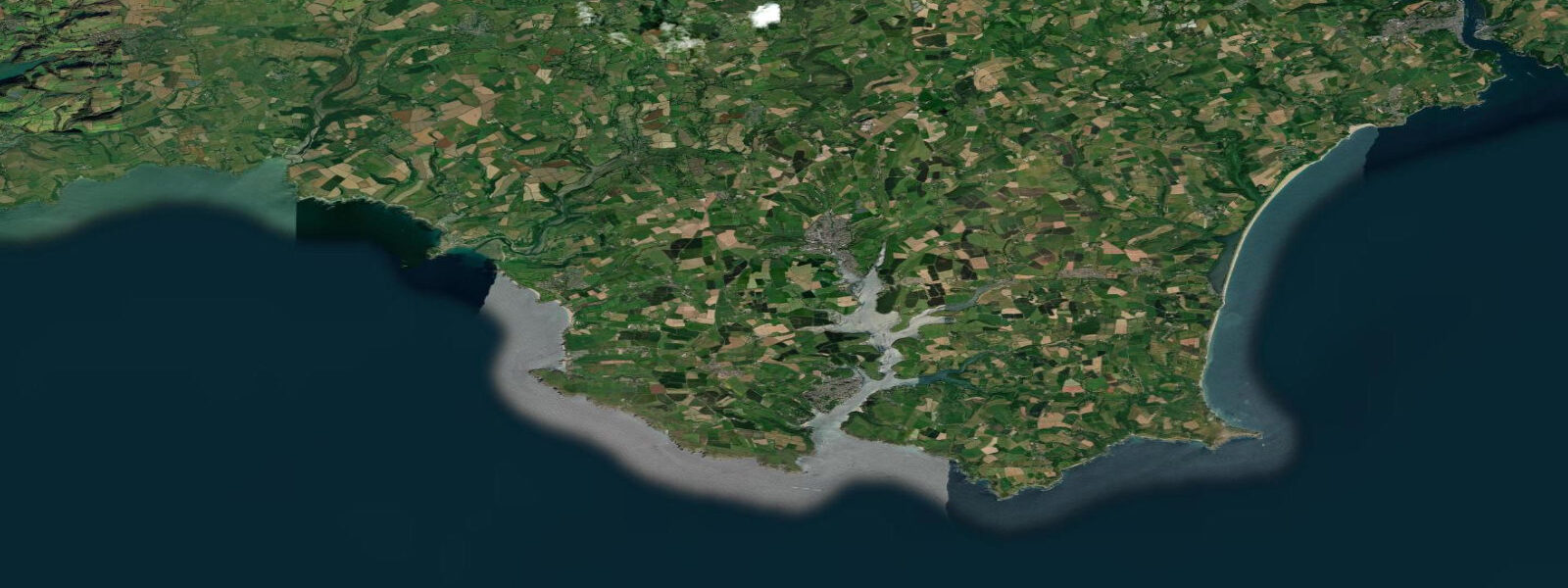
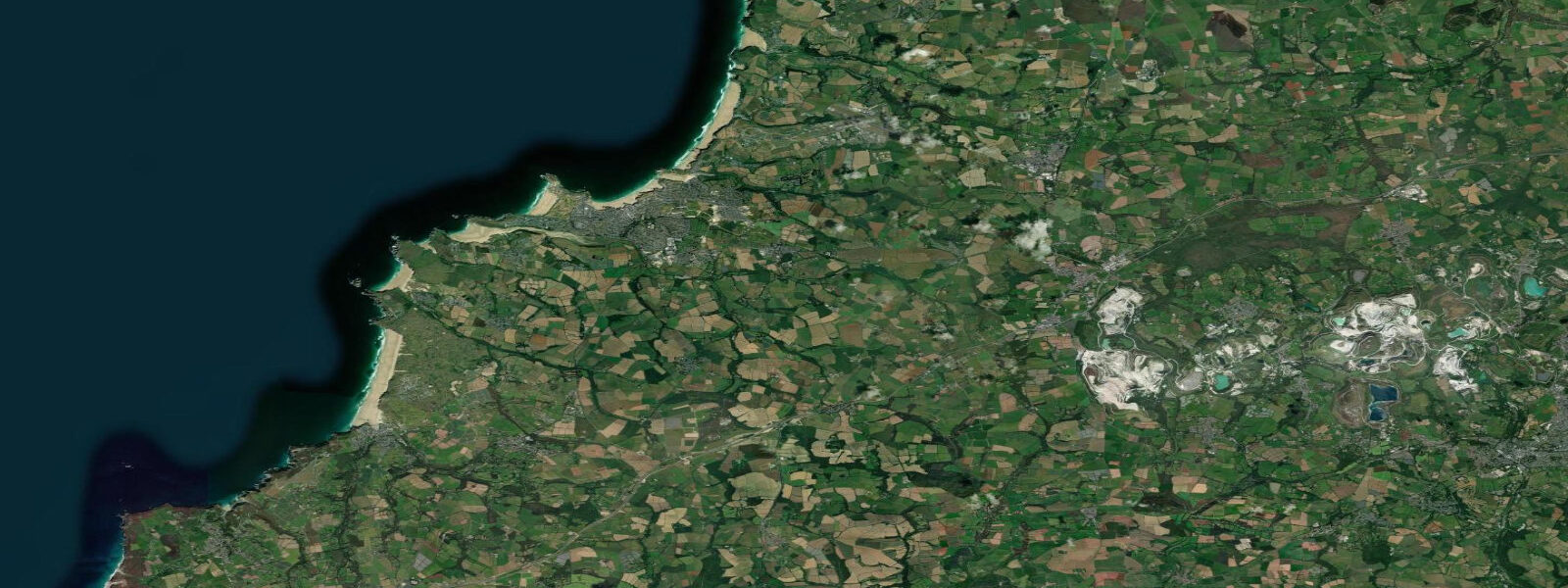
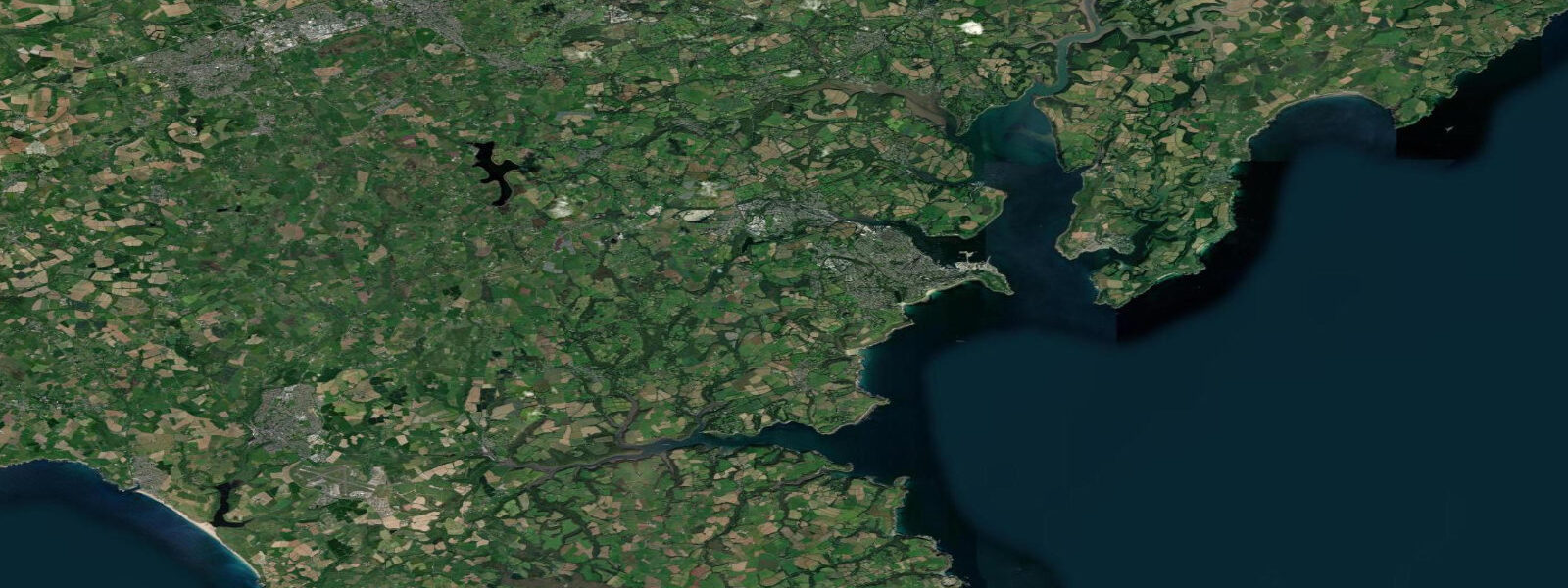
The three closest curated TideTurtle locations to Plymouth, Devon, measured by great-circle distance.
Today's solunar windows
Solunar tradition: major periods are the ≈3h windows around moon transit and opposition; minor are ≈2h around moonrise and moonset. Pair with the local tide stage and wind for the best read.
Cycle dates near Plymouth, Devon
Next spring tide on Sat 01 Aug (range 4.3m / 14.2ft). Last neap on Sun 26 Jul.
Spring tides cluster around new and full moons (biggest swings). Neap tides land on quarter moons (smallest swings). See the spring tide and neap tide glossary entries for the why.
About tides at Plymouth, Devon
A short guide to the coastline at Plymouth, Devon — geography, sea state, and what the tide is actually doing under your feet.
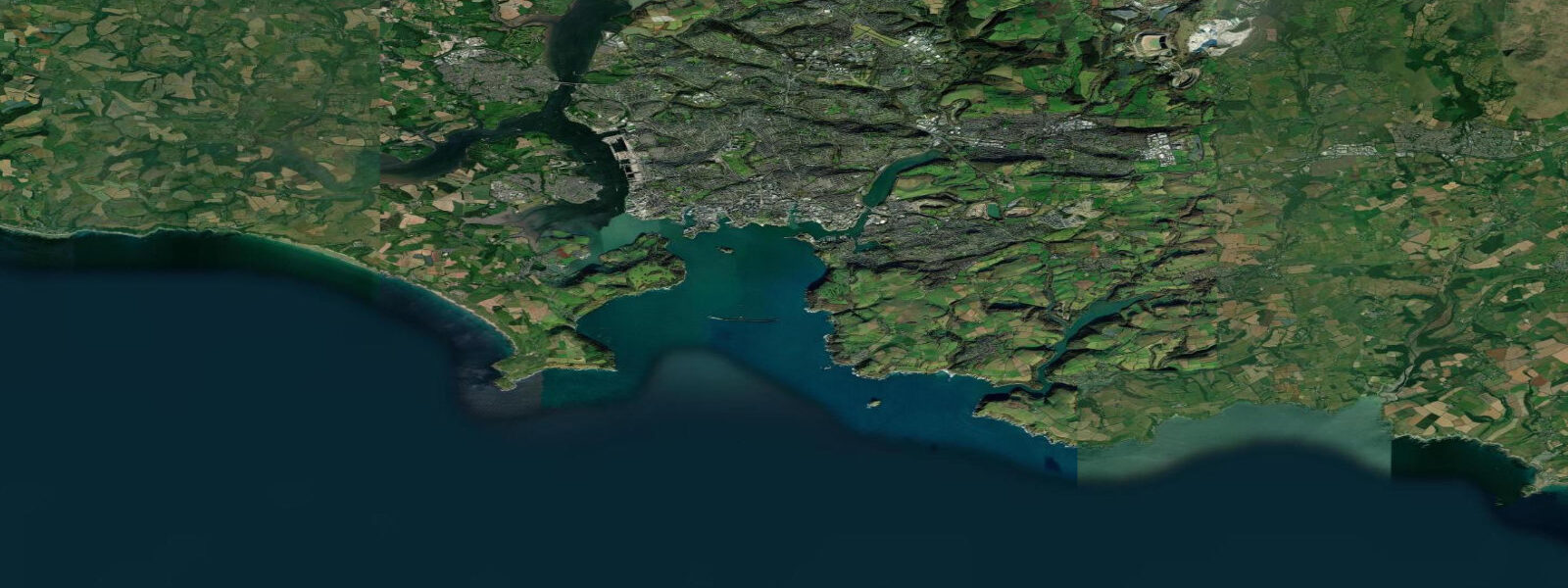
Plymouth Sound is one of the great natural harbours of the English south-west, ringed by the city, the Hoe, and the breakwater that the Royal Navy built across the sound's mouth in the 1840s. 2 metres, semidiurnal, two highs and two lows about twelve and a half hours apart. 4.
The Tamar and the Plym both feed the Sound and both run entirely tidal in their lower reaches, draining into the harbour on each ebb and refilling over the four-hour flood. For anyone walking the Hoe waterfront, sailing out of Sutton Harbour, or kayaking up the Tamar past Saltash, the timing of the swing matters. The sea pool at Tinside, on the foot of the Hoe, fills from the tide and is best swum across the higher half of the cycle in summer.
The rocky shelf at Wembury, south-east of Plymouth, opens up on the lowest spring tides for tide pooling. Predictions on this page come from Open-Meteo Marine — useful planning data, not navigation-grade. UK Hydrographic Office Admiralty TotalTide is the authoritative British tide product.
Tide questions about Plymouth, Devon
Quick answers to the most common questions about tide times, range, and water access at Plymouth, Devon.
When is the next high tide at Plymouth?
The hero block shows the next high tide at Plymouth Sound in UK local time, height above MSL. The 7-day table covers daily highs and lows. High water at Devonport in the inner harbour lags the Sound by 10–20 minutes; the upper Tamar past Saltash lags further still.
What's the typical tide range at Plymouth?
Mean range at Plymouth Sound is about 4.2 metres. Spring tides — around new and full moons — push close to 5 metres, neaps drop near 2.4. The Channel south coast runs a typical macrotidal signal, with the western approaches seeing slightly smaller ranges than the funnel up at Bristol Channel.
When are the best low tides for tide pooling at Wembury?
Wembury, just south-east of Plymouth, has one of the better rocky-shelf intertidal zones on the south Devon coast. The pools open up most fully on the lowest spring tides of the month, which cluster around new and full moons. The 7-day table flags each day's predicted low; pair with sunrise from the sun/moon block above. The Marine Conservation Society runs guided rockpool sessions in summer.
Where do these tide predictions come from?
Open-Meteo Marine, a global ocean-grid model. The UK Hydrographic Office publishes the authoritative harmonic predictions via Admiralty TotalTide. Open-Meteo's data is useful for daily planning around Plymouth Sound and the Tamar, but is not a substitute for Admiralty data when piloting.
Is this safe to use for navigation?
No. For piloting in Plymouth Sound or the Tamar use UK Hydrographic Office Admiralty charts and tide tables, plus QHM Plymouth notices for the dockyard and the protected channels. Open-Meteo's gridded predictions are general-planning data, not a navigational source.
8-day tide table — Plymouth, Devon
Heights relative to MSL. Predictions: Open-Meteo Marine (MeteoFrance SMOC, 0.08° grid) — heights relative to MSL (not chart datum / LAT). Model-derived.
| Day | Type | Time | Height |
|---|---|---|---|
| Sun 26 Jul | Low | 01:00 | 0.1m / 0.4ft |
| High | 03:13 | 0.6m / 2.1ft | |
| Low | 09:41 | -1.5m / -5.0ft | |
| High | 15:39 | 0.8m / 2.5ft | |
| Low | 22:09 | -1.9m / -6.1ft | |
| Mon 27 Jul | High | 04:22 | 0.7m / 2.5ft |
| Low | 10:31 | -1.8m / -6.0ft | |
| High | 16:43 | 1.0m / 3.2ft | |
| Low | 23:00 | -2.1m / -6.8ft | |
| Tue 28 Jul | High | 05:12 | 0.9m / 3.0ft |
| Low | 11:16 | -2.1m / -6.8ft | |
| High | 17:35 | 1.2m / 4.1ft | |
| Low | 23:45 | -2.2m / -7.2ft | |
| Wed 29 Jul | High | 05:57 | 1.1m / 3.6ft |
| Low | 11:58 | -2.3m / -7.4ft | |
| High | 18:13 | 1.5m / 4.8ft | |
| Thu 30 Jul | Low | 00:24 | -2.4m / -8.0ft |
| High | 06:34 | 1.2m / 3.9ft | |
| Low | 12:35 | -2.4m / -8.0ft | |
| High | 18:49 | 1.6m / 5.1ft | |
| Fri 31 Jul | Low | 01:00 | -2.6m / -8.5ft |
| High | 07:11 | 1.3m / 4.2ft | |
| Low | 13:10 | -2.5m / -8.3ft | |
| High | 19:25 | 1.6m / 5.2ft | |
| Sat 01 Aug | Low | 01:35 | -2.7m / -8.8ft |
| High | 07:47 | 1.3m / 4.3ft | |
| Low | 13:44 | -2.6m / -8.4ft | |
| High | 19:57 | 1.6m / 5.4ft | |
| Sun 02 Aug | Low | 00:00 | -1.4m / -4.5ft |