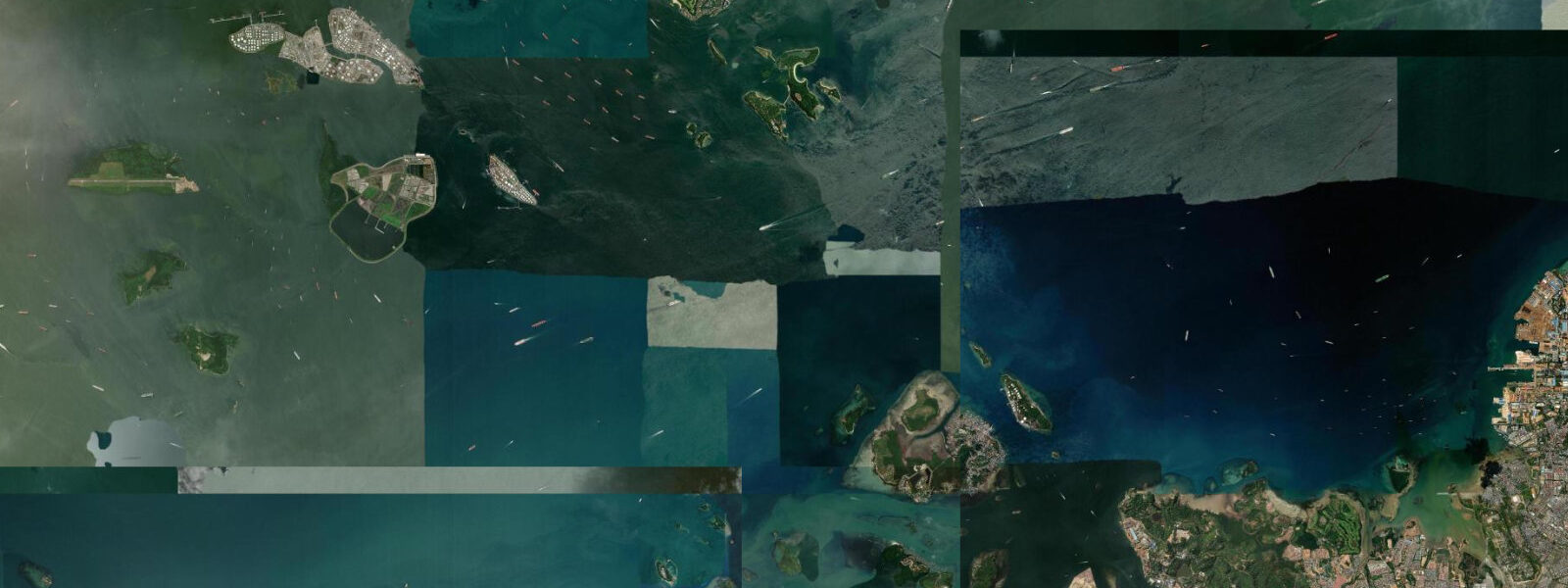
St John's Island tide times
St John's Island tide forecast — heights relative to MSL.
Today's tide times for St John's Island
Tide times at St John's Island on Tuesday, 4 August 2026: first low tide at 08:00, first high tide at 14:19, second low tide at 20:40. Sunrise 07:05, sunset 19:15.
Tide chart for St John's Island
24-hour cosine-interpolated curve around the present moment. Heights relative to MSL. Predictions: Predictions: Open-Meteo Marine (MeteoFrance SMOC, 0.08° grid).
Sun, moon and conditions on Tue 04 Aug
Snapshot at build time — refreshes daily. Sea state from Open-Meteo Marine.
Highs and lows next 7 days
Every predicted high and low for the next week, with the daily tidal coefficient (0–120; higher = bigger swing, > 95 means stronger currents).
Other spots nearby
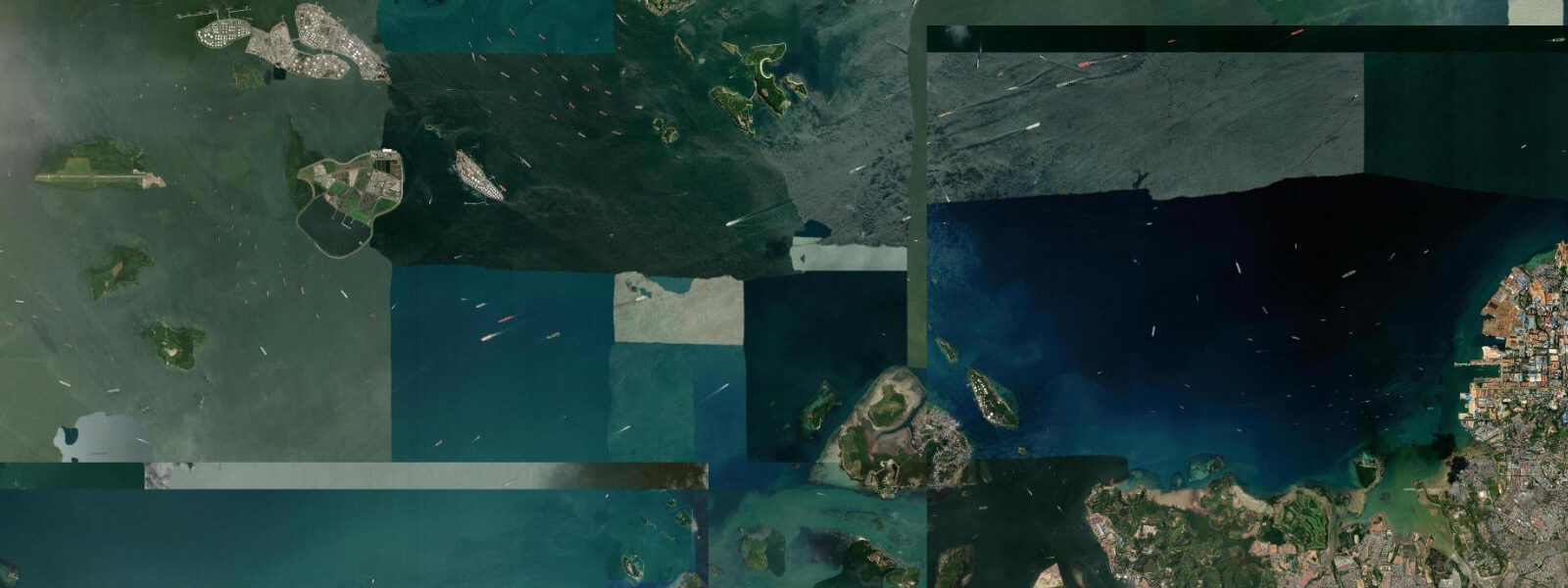
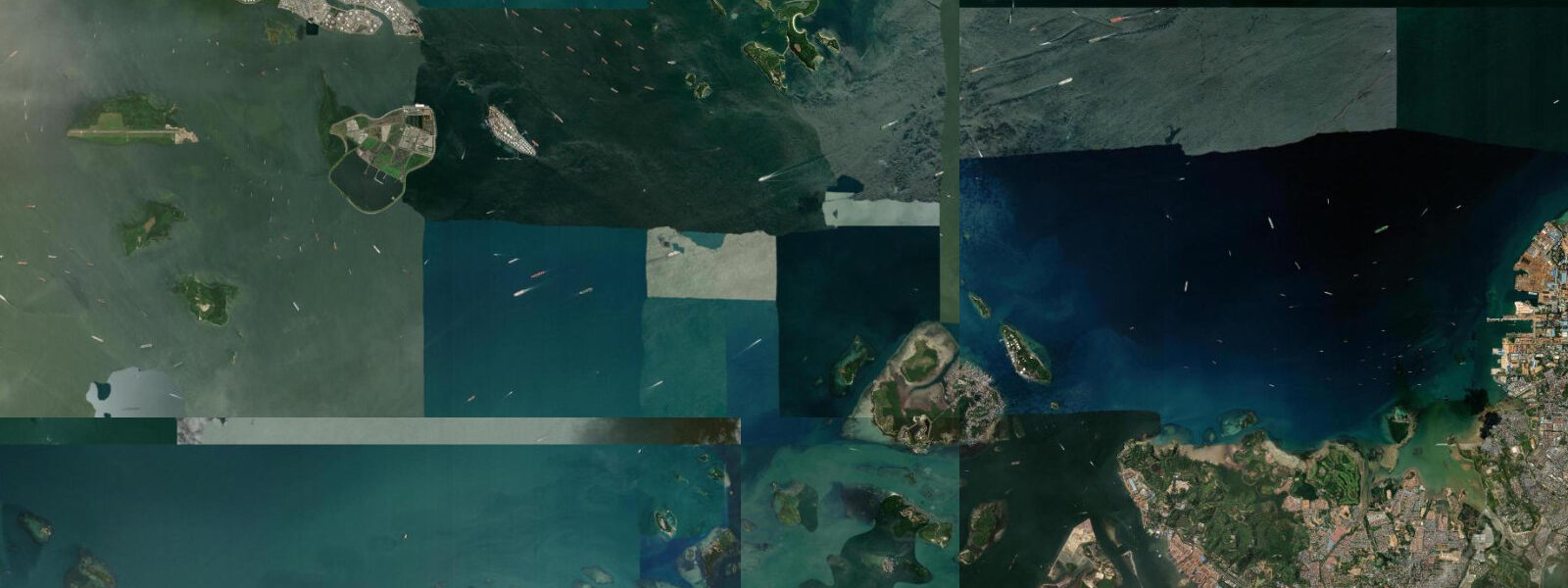
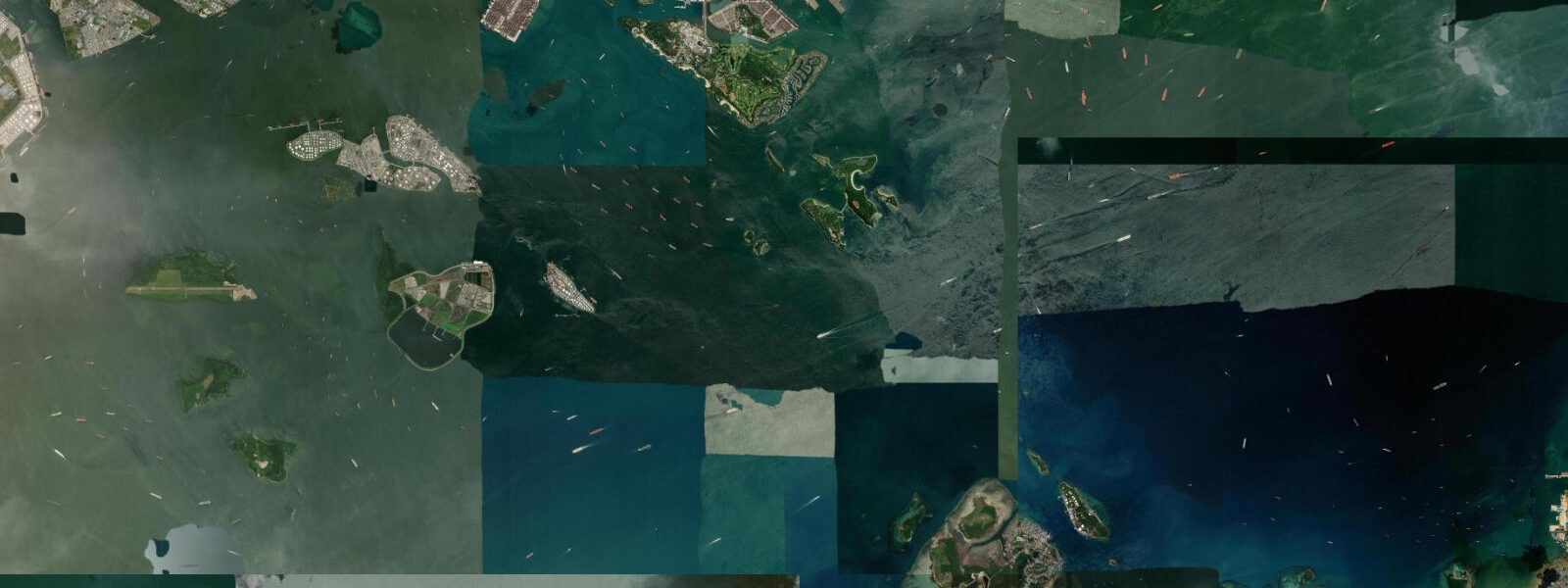
The three closest curated TideTurtle locations to St John's Island, measured by great-circle distance.
Today's solunar windows
Solunar tradition: major periods are the ≈3h windows around moon transit and opposition; minor are ≈2h around moonrise and moonset. Pair with the local tide stage and wind for the best read.
Cycle dates near St John's Island
Last spring tide on Tue 04 Aug (range 2.0m). Next spring tide on Mon 10 Aug (range 2.1m). Next neap on Fri 07 Aug.
Spring tides cluster around new and full moons (biggest swings). Neap tides land on quarter moons (smallest swings). See the spring tide and neap tide glossary entries for the why.
About tides at St John's Island
A short guide to the coastline at St John's Island — geography, sea state, and what the tide is actually doing under your feet.
St John's Island — Pulau Sakijang Bendera in Malay — sits approximately 6.5 kilometres south of the Singapore mainland, a 15-minute ferry ride from Marina South Pier. The island covers 39 hectares and carries a complicated administrative history: it served as a quarantine station for immigrants in the 19th century, an internment camp during World War II, a detention centre for political detainees in the 1960s and 1970s, and a drug rehabilitation centre before its current use as a leisure island and aquaculture research facility. The Marine Aquaculture Centre, run by Singapore Food Agency, occupies the southeastern portion of the island and conducts research into sea bass, snapper, and grouper breeding — a visible reminder that Singapore takes food security seriously even at 6.5 kilometres offshore.
The ferry jetty on the northern side dries at extreme low water springs. Spring tidal range in the Strait of Singapore is approximately 2.7 metres, and the tidal regime is mixed semidiurnal with a pronounced diurnal inequality. At the lowest low waters — which occur roughly twice monthly on spring tides — the outer jetty pilings are exposed to the waterline and the approach channel carries less than 0.5 metres of water. The ferry schedule is adjusted for this, but visitors arriving by private boat should check the day's tide table before timing their approach.
The Sisters' Islands Marine Park, comprising Big Sister (Pulau Subar Laut) and Little Sister (Pulau Subar Darat), lies 300 metres southwest of St John's and is administratively part of the same southern island cluster. The two islands together with St John's and Lazarus Island form a connected group at low water springs when the inter-tidal platforms linking them become partly walkable. Coral restoration nurseries maintained by the Marine Conservation Group operate in 3 to 5 metres of water between the islands — the nursery frames are visible from the surface when water clarity is good, which is highest on incoming tides when cleaner Strait water replaces the turbid water draining off the reef flats.
For anglers, the deep water on the southern and western faces of St John's — the sides exposed to the Strait of Singapore — holds grouper, snapper, and trevally in 10 to 25 metres. The flood tide is consistently the productive window, when fish move inshore along the reef drop-off to feed on invertebrates mobilised by the rising water. Squid jigging from the jetty on calm evenings around high water produces good results in the cooler months (November to February).
The southern recreational beach is sheltered from the main shipping lane and has calm water suitable for swimming at any tide state above half-tide. The lagoon between St John's and Lazarus Island is similarly protected and shallow enough for snorkelling on a rising tide when water clarity improves. Lazarus Island is connected to St John's by a constructed causeway passable on foot at all tide states.
Ferry services from Marina South Pier run several times daily; check the Sentosa island ferry schedule for current timings. The crossing takes approximately 25 minutes to St John's, with some services continuing to Sisters' Islands and Kusu Island. Demand is highest on weekends and public holidays. The island has a holiday camp facility managed by Singapore Land Authority, several sheltered picnic areas, and a lagoon swimming enclosure with lifeguard cover on weekends.
Predictions on this page come from Open-Meteo Marine, a gridded global ocean model. Accuracy is typically within plus or minus 45 minutes on timing and 0.2 to 0.3 metres on height — model-derived, not from a local gauge. The local tide authority is the Maritime and Port Authority of Singapore (MPA), which publishes annual tide tables for Singapore Strait reference stations.
Tide questions about St John's Island
Quick answers to the most common questions about tide times, range, and water access at St John's Island.
Does the ferry jetty at St John's Island dry at low tide?
At extreme low water springs, the outer section of the ferry jetty on the northern side of St John's Island dries to less than 0.5 metres. Spring tidal range in the Strait of Singapore is approximately 2.7 metres, and the tidal regime is mixed semidiurnal with a pronounced diurnal inequality. The lowest low waters occur twice monthly at spring tides. The scheduled ferry from Marina South Pier adjusts its approach for tide state, but private boat operators should cross-reference the day's tide table with their planned arrival time. The MPA Singapore publishes annual tide tables covering the main Strait reference stations.
Can I snorkel between St John's Island and Lazarus Island?
The lagoon between St John's and Lazarus Island is shallow (1 to 4 metres) and protected from the main shipping channel. Snorkelling is possible at any tide state above half-tide when water depth is sufficient. Water clarity is best on the incoming tide when cleaner Strait water replaces the turbid water draining off the reef flats — typically the two to three hours leading up to high water. The causeway connecting the two islands is passable on foot at all tide states. Coral restoration nursery frames are visible in the water between the islands on clear days; do not touch or anchor near them.
What fish can I catch from St John's Island?
The deep water on the southern and western faces of St John's — exposed to the Strait of Singapore — holds grouper, red snapper, and golden trevally in 10 to 25 metres. The flood tide is consistently the most productive window, as fish move inshore along the reef drop-off to feed. Squid jigging from the jetty on calm evenings around high water produces good results in the cooler months (November to February). A Singapore fishing licence is required; day permits are available online through the Singapore Food Agency portal. Check for closed areas near the Marine Aquaculture Centre research facilities on the southeastern side of the island.
What is the Marine Aquaculture Centre on St John's Island?
The Marine Aquaculture Centre is a research and hatchery facility operated by Singapore Food Agency (SFA), the government body responsible for food safety and supply. The centre conducts research into the breeding and rearing of commercially important marine fish species — primarily sea bass (barramundi), red snapper, and grouper — with the long-term aim of supporting Singapore's aquaculture industry. The facility occupies the southeastern part of the island and is not open to general public access. Guided tours are occasionally offered; check the SFA website for current arrangements.
How do I get to St John's Island from Singapore?
The ferry departs from Marina South Pier, accessible from Marina Bay MRT station (Circle Line, exit B) with a 10-minute walk to the terminal. Services run several times daily; the crossing takes approximately 25 minutes to St John's, with some services continuing to Sisters' Islands and Kusu Island. Tickets are purchased at the terminal on the day. The last ferry back departs in the late afternoon — check the current schedule with the ferry operator as timings vary seasonally. Demand is highest on weekends and public holidays; arrive at the terminal at least 30 minutes before departure.
8-day tide table — St John's Island
Heights relative to MSL. Predictions: Open-Meteo Marine (MeteoFrance SMOC, 0.08° grid) — heights relative to MSL (not chart datum / LAT). Model-derived.
| Day | Type | Time | Height |
|---|---|---|---|
| Tue 04 Aug | Low | 08:00 | -0.4m |
| High | 14:19 | 1.6m | |
| Low | 20:40 | -0.3m | |
| Wed 05 Aug | High | 02:33 | 1.5m |
| Low | 08:53 | -0.3m | |
| High | 14:58 | 1.6m | |
| Low | 21:27 | -0.3m | |
| Thu 06 Aug | High | 15:43 | 1.6m |
| Low | 22:23 | -0.2m | |
| Fri 07 Aug | High | 04:21 | 1.1m |
| Low | 10:10 | 0.1m | |
| High | 16:35 | 1.5m | |
| Sat 08 Aug | Low | 11:02 | 0.4m |
| High | 17:42 | 1.4m | |
| Sun 09 Aug | Low | 01:02 | -0.2m |
| High | 19:10 | 1.4m | |
| Mon 10 Aug | Low | 03:20 | -0.3m |
| High | 10:00 | 1.0m | |
| Low | 14:21 | 0.6m | |
| High | 20:33 | 1.5m | |
| Tue 11 Aug | Low | 04:35 | -0.6m |
| High | 07:00 | 0.1m |