Sentosa, Singapore tide times
Sentosa, Singapore tide forecast — heights relative to MSL.
Today's tide times for Sentosa, Singapore
Tide times at Sentosa, Singapore on Monday, 3 August 2026: first low tide at 08:00, first high tide at 13:43, second low tide at 20:03. Sunrise 07:05, sunset 19:16.
Tide chart for Sentosa, Singapore
24-hour cosine-interpolated curve around the present moment. Heights relative to MSL. Predictions: Predictions: Open-Meteo Marine (MeteoFrance SMOC, 0.08° grid).
Sun, moon and conditions on Mon 03 Aug
Snapshot at build time — refreshes daily. Sea state from Open-Meteo Marine.
Highs and lows next 7 days
Every predicted high and low for the next week, with the daily tidal coefficient (0–120; higher = bigger swing, > 95 means stronger currents).
Other spots nearby
The three closest curated TideTurtle locations to Sentosa, Singapore, measured by great-circle distance.
Today's solunar windows
Solunar tradition: major periods are the ≈3h windows around moon transit and opposition; minor are ≈2h around moonrise and moonset. Pair with the local tide stage and wind for the best read.
Cycle dates near Sentosa, Singapore
Last spring tide on Mon 03 Aug (range 2.2m). Next neap on Sat 08 Aug.
Spring tides cluster around new and full moons (biggest swings). Neap tides land on quarter moons (smallest swings). See the spring tide and neap tide glossary entries for the why.
About tides at Sentosa, Singapore
A short guide to the coastline at Sentosa, Singapore — geography, sea state, and what the tide is actually doing under your feet.
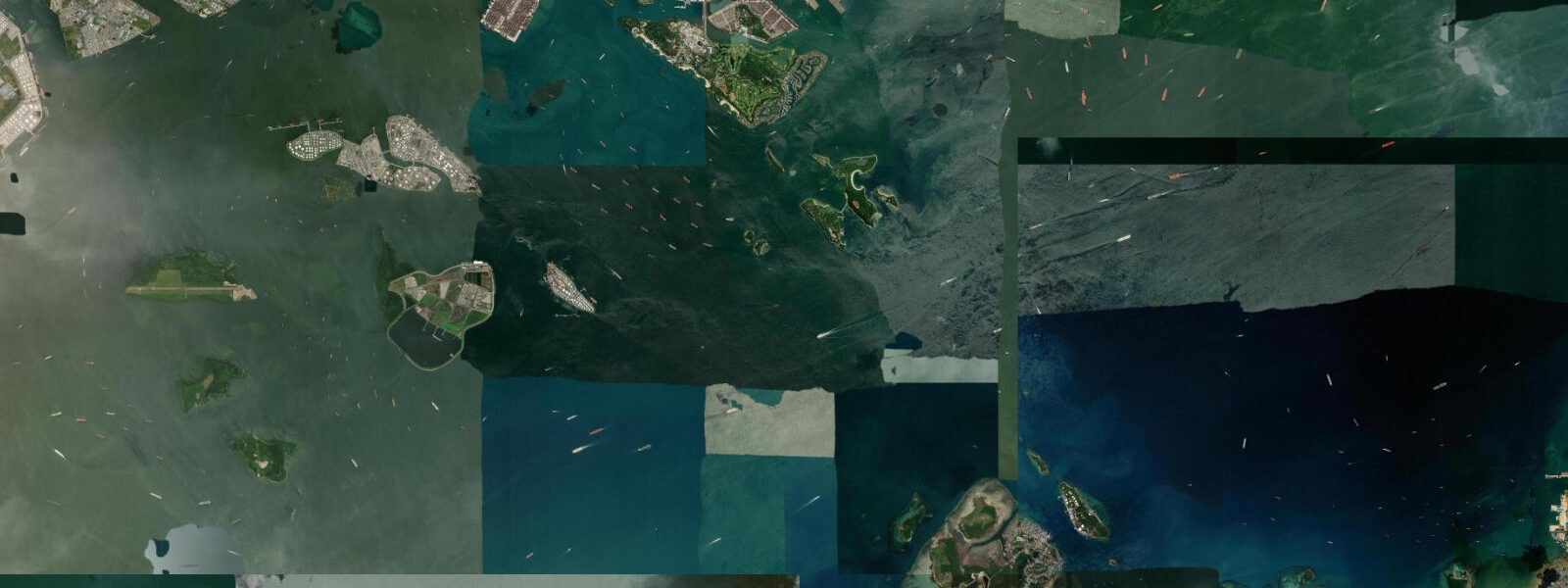
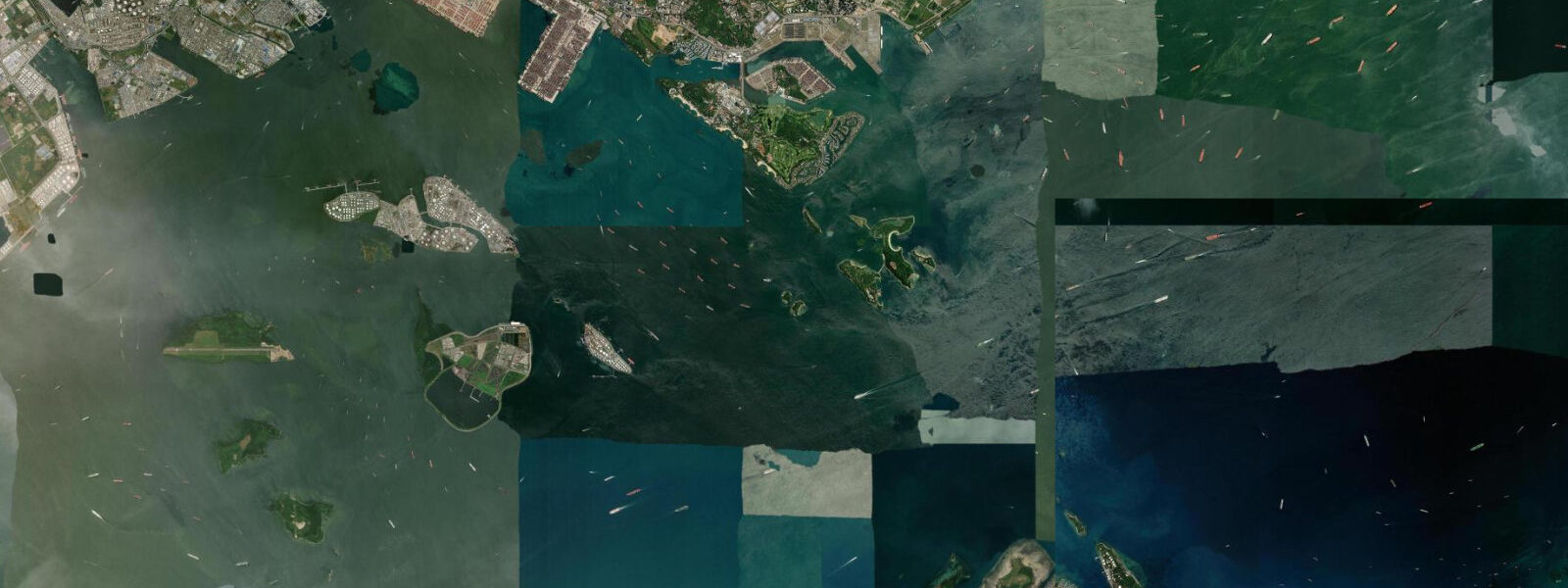
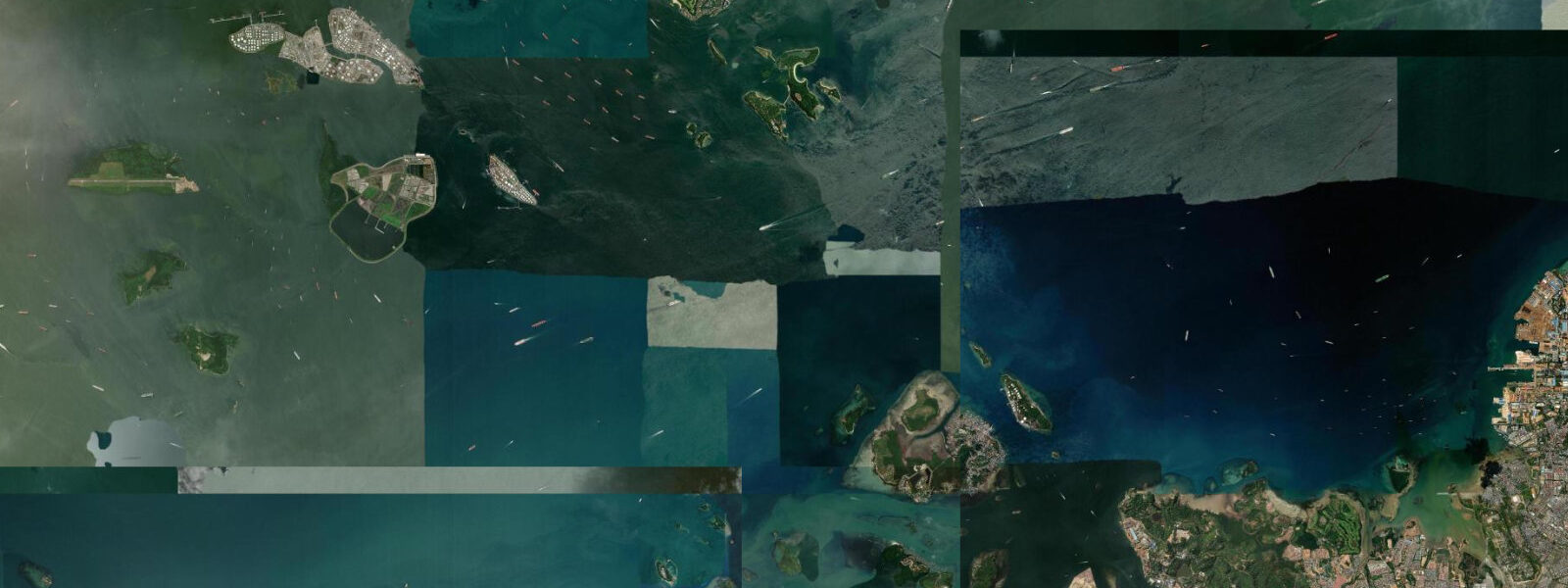
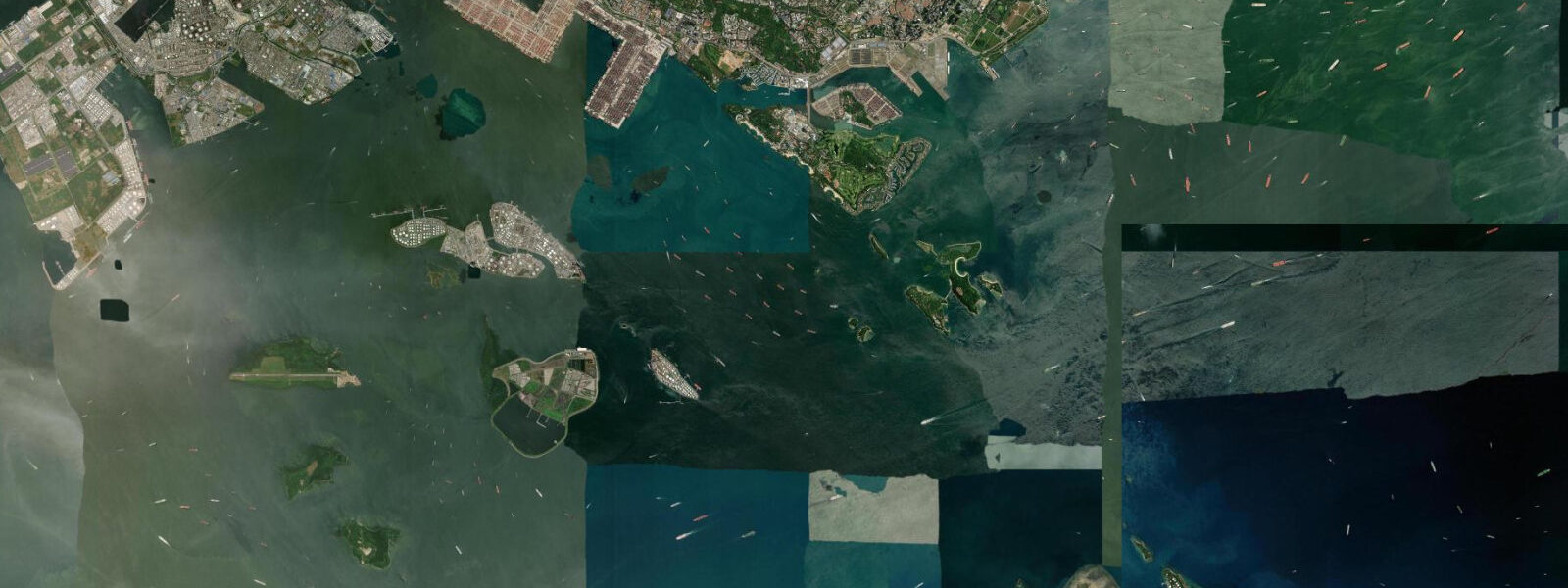
Sentosa (from Malay, meaning peace and tranquility) is a 500-hectare island off Singapore's southern shore, connected to the mainland by a road causeway at the northern end and accessible by cable car from Mount Faber. The island is ringed by Singapore Strait, one of the world's most trafficked shipping lanes — the western approach channel passes within 3 km of Siloso Beach, and on any given day 30 to 40 large vessels are visible from the shore moving between the Indian Ocean and the South China Sea.
The tidal regime is diurnal-dominated and mixed. Unlike the standard semidiurnal pattern common in the Atlantic, the Singapore Strait produces a tidal cycle strongly influenced by the daily astronomical forcing — on many days there is effectively one dominant high and one dominant low, with a secondary cycle that is significantly smaller in range. Mean spring range is 2.0 to 2.8 m. The mixed nature of the cycle means the heights and intervals between successive highs and lows are variable from day to day; planning requires checking the daily prediction rather than assuming a regular twice-daily pattern.
Siloso Beach on the western shore is the largest and busiest of Sentosa's three main beach areas. The sand is artificial — imported and maintained — and at low spring water an additional 20 to 30 m of beach width is exposed beyond the mean low-water line. The beach faces west-northwest into the shipping approach channel; the view from the shoreline takes in tankers, container vessels, and bulk carriers at anchor in the Western Anchorage, with the lights of the vessels visible after dark as a fixed constellation of masthead lights extending to the horizon.
Fort Siloso occupies the western headland above Siloso Beach, on the ridge above the beach car park. The fort was a British coastal artillery emplacement, equipped with 15-inch guns positioned to defend against naval attack from the sea — specifically, from the south and west, where the Singapore Strait opens. The guns pointed toward the water. The Japanese invasion of Malaya and Singapore in December 1941 to February 1942 came from the north, by land down the Malay Peninsula. The guns were not ineffective — they were capable of firing landward — but the primary defensive orientation was seaward, and the logistics, troop dispositions, and command assumptions all reflected that orientation. Fort Siloso is now a preserved site with the gun emplacements accessible on a self-guided walkthrough. The view from the headland takes in the shipping lane that the guns were intended to command.
Tanjong Beach on the southeastern shore is quieter than Siloso and faces more directly east into the strait. The water here is calmer — the geometry of the island shelters Tanjong from the westerly afternoon sea breeze that picks up chop on the Siloso side from 13:00 to 16:00 onward. At low spring water the beach at Tanjong is 30 to 40 m wide; the sand bottom shelves gently to 1.5 m depth at 50 m from shore. For swimming, the last two hours of the incoming tide before the afternoon high water give the clearest water — post-high ebb can carry silt from the southern mangrove margin.
Paddling and water sports at Siloso Beach are managed through the beach operators on the western frontage. Conditions are genuinely tide-sensitive: the ebb through the western channel produces a 0.5 to 0.8 knot surface current running south-southwest past the beach — manageable for experienced paddlers, tiring for beginners attempting to hold a parallel-to-shore track. Stand-up paddleboard renters are briefed to stay north of the break-water line. The flood tide in the late afternoon reverses the surface current and makes east-to-west runs straightforward.
Resorts World Sentosa and the Universal Studios theme park sit on the former industrial zone above the north shore, facing Vivocity and the Harbourfront complex across the narrow causeway channel. The visual contrast is complete: resort infrastructure against a backdrop of active shipping — the same strait that carries 25 percent of global maritime trade runs 1.5 km from the theme park entrance.
For photographers: Siloso Beach faces west, making it the only Singapore west-of-center beach that catches a clean sunset over open water. The window is from 19:00 to 19:30 at the equinox; the shipping traffic in the frame provides foreground scale. Fort Siloso headland gives an elevated view of the vessel approaches from the headland walk above the gun emplacements.
Tide data for Sentosa, Singapore comes from the Open-Meteo Marine API, a gridded model product. Timing accuracy is ±45 minutes, height accuracy ±0.3 m — usable for trip planning, not for navigation.
Tide questions about Sentosa, Singapore
Quick answers to the most common questions about tide times, range, and water access at Sentosa, Singapore.
How does Sentosa's diurnal-dominated tide affect beach width and water activities?
Singapore Strait's mixed diurnal tidal pattern means Sentosa's beaches can experience one large tidal cycle per day rather than the two equal cycles of a standard semidiurnal regime. Mean spring range is 2.0 to 2.8 m. At low spring water, Siloso Beach gains 20 to 30 m of additional beach width beyond its mean low-water line — worth planning around for families wanting space or for beach photography. The diurnal pattern also means the interval between the low and the following high can be 12 to 14 hours rather than the 6 hours typical in Atlantic ports. Paddlers and swimmers should check the daily tide table rather than assuming a regular schedule; the pattern varies enough day-to-day that experience at one tidal phase does not predict the next day's timing.
Is it safe to swim at Siloso Beach given the shipping traffic nearby?
Siloso Beach is designated for swimming with managed facilities including lifeguard coverage during operating hours. The active shipping channel is 3 km offshore from the beach — vessels in the Western Approach are in deep-water lanes well separated from the beach zone. The relevant safety concern is not vessel proximity but tidal current: the ebb through the western channel produces a 0.5 to 0.8 knot surface drift running south-southwest past the beach, which is noticeable for weak swimmers and beginners on paddleboards or inflatables. Swim flags indicate conditions; red flags close swimming. Tanjong Beach on the southeastern shore is calmer and more sheltered from the westerly afternoon sea breeze that can build chop on Siloso from early afternoon onward.
What is Fort Siloso and why are its guns pointed the wrong way?
Fort Siloso was a British coastal artillery battery built on the western headland of Sentosa in the 1930s to defend the Singapore Strait approaches against naval attack. The primary armament included 15-inch guns positioned to engage surface vessels coming from the west and south through the shipping channel. The Japanese attack on Singapore in December 1941 to February 1942 came overland from the north, down the Malay Peninsula — a direction the fort's guns were not oriented toward, though they were technically capable of firing landward in some configurations. The fall of Singapore on 15 February 1942 followed the land assault, not a naval bombardment from the sea. The fort is now preserved as a museum; the original gun emplacements and the view over the shipping lane are accessible on a self-guided walkthrough.
When is the best time to visit Siloso Beach for a sunset photograph?
Siloso Beach faces west-northwest — one of the few accessible beaches in Singapore's southern islands that gets a clear sunset view over open water. The practical photography window is 19:00 to 19:30 around the equinox (March and September), shifting to 19:15 to 19:45 in June at the summer solstice. The Western Anchorage holds 20 to 40 vessels at any time — tankers and bulk carriers at anchor provide foreground scale in the frame. Tide state affects the foreground: low spring water exposes the sand flat and gives a reflective wet-sand surface; mid-tide places the water line at the base of the beach face. The western headland at Fort Siloso provides an elevated alternative viewpoint about 25 m above sea level.
How do I get to Sentosa's beaches from central Singapore?
Sentosa is connected to the mainland at Harbourfront via the Sentosa Boardwalk (pedestrian, covered, 10 minutes walking), the Sentosa Express monorail from Vivocity Mall (operates 07:00 to midnight, ticketed), and road access via Sentosa Gateway for taxis and private vehicles. Cable car access from Mount Faber is operational during daytime hours. Once on the island, Siloso Beach is 10 minutes by beach tram from Beach Station; Tanjong Beach is at the far end of the tram route. The tram runs continuously during beach hours. Tide state does not affect access — all transport options operate on schedule regardless of water level. On weekends from March through September the island is heavily visited; early arrival before 10:00 gives noticeably less crowded beach conditions.
8-day tide table — Sentosa, Singapore
Heights relative to MSL. Predictions: Open-Meteo Marine (MeteoFrance SMOC, 0.08° grid) — heights relative to MSL (not chart datum / LAT). Model-derived.
| Day | Type | Time | Height |
|---|---|---|---|
| Mon 03 Aug | Low | 08:00 | -0.5m |
| High | 13:43 | 1.6m | |
| Low | 20:03 | -0.2m | |
| Tue 04 Aug | High | 01:48 | 1.7m |
| Low | 08:25 | -0.5m | |
| High | 14:17 | 1.6m | |
| Low | 20:42 | -0.3m | |
| Wed 05 Aug | High | 02:31 | 1.6m |
| Low | 08:56 | -0.3m | |
| High | 14:57 | 1.7m | |
| Low | 21:32 | -0.3m | |
| Thu 06 Aug | High | 03:17 | 1.3m |
| Low | 09:32 | -0.2m | |
| High | 15:42 | 1.6m | |
| Low | 22:21 | -0.2m | |
| Fri 07 Aug | High | 04:14 | 1.0m |
| Low | 10:06 | 0.0m | |
| High | 16:39 | 1.5m | |
| Low | 23:38 | -0.2m | |
| Sat 08 Aug | High | 05:39 | 0.8m |
| Low | 11:00 | 0.3m | |
| High | 17:50 | 1.4m | |
| Sun 09 Aug | Low | 01:24 | -0.2m |
| High | 08:00 | 0.7m | |
| Low | 12:23 | 0.5m | |
| High | 19:18 | 1.5m | |
| Mon 10 Aug | Low | 03:42 | -0.3m |
| High | 07:00 | 0.5m |