Lamma Island tide times
Lamma Island tide forecast — heights relative to MSL.
Today's tide times for Lamma Island
Tide times at Lamma Island on Tuesday, 4 August 2026: first low tide at 08:00, first high tide at 11:22, second low tide at 18:10. Sunrise 05:56, sunset 19:02.
Tide chart for Lamma Island
24-hour cosine-interpolated curve around the present moment. Heights relative to MSL. Predictions: Predictions: Open-Meteo Marine (MeteoFrance SMOC, 0.08° grid).
Sun, moon and conditions on Tue 04 Aug
Snapshot at build time — refreshes daily. Sea state from Open-Meteo Marine.
Highs and lows next 7 days
Every predicted high and low for the next week, with the daily tidal coefficient (0–120; higher = bigger swing, > 95 means stronger currents).
Other spots nearby
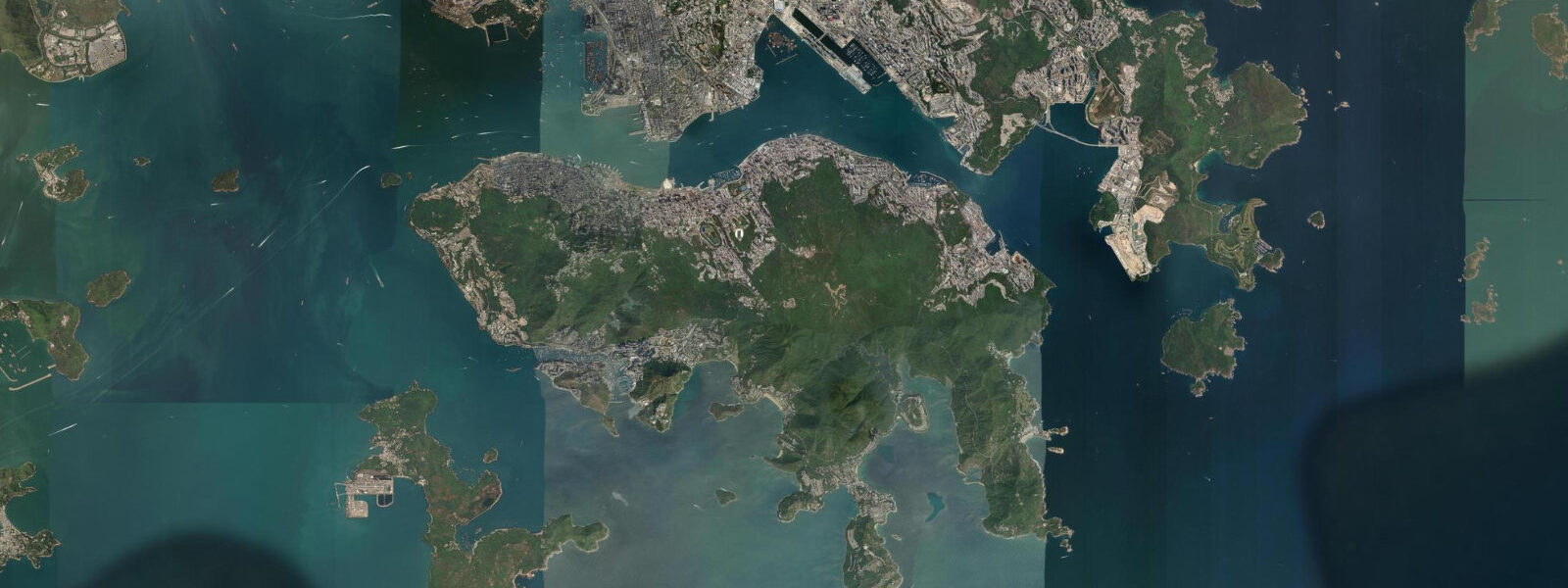
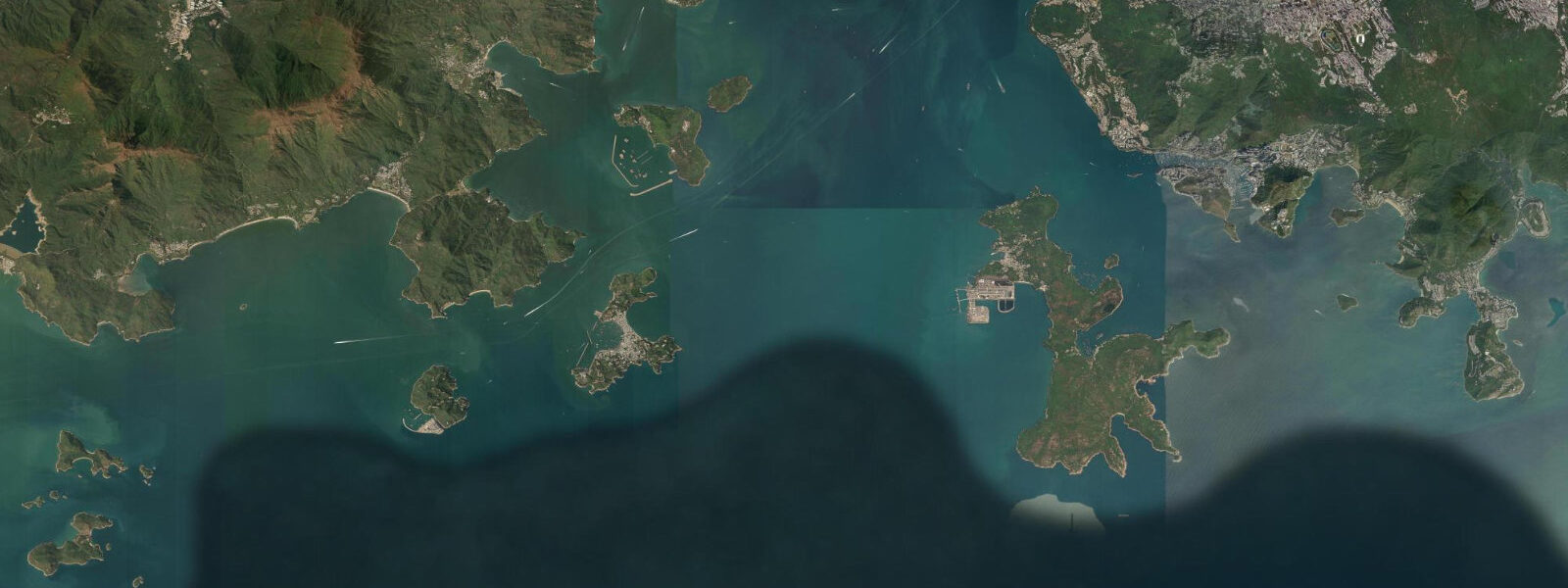
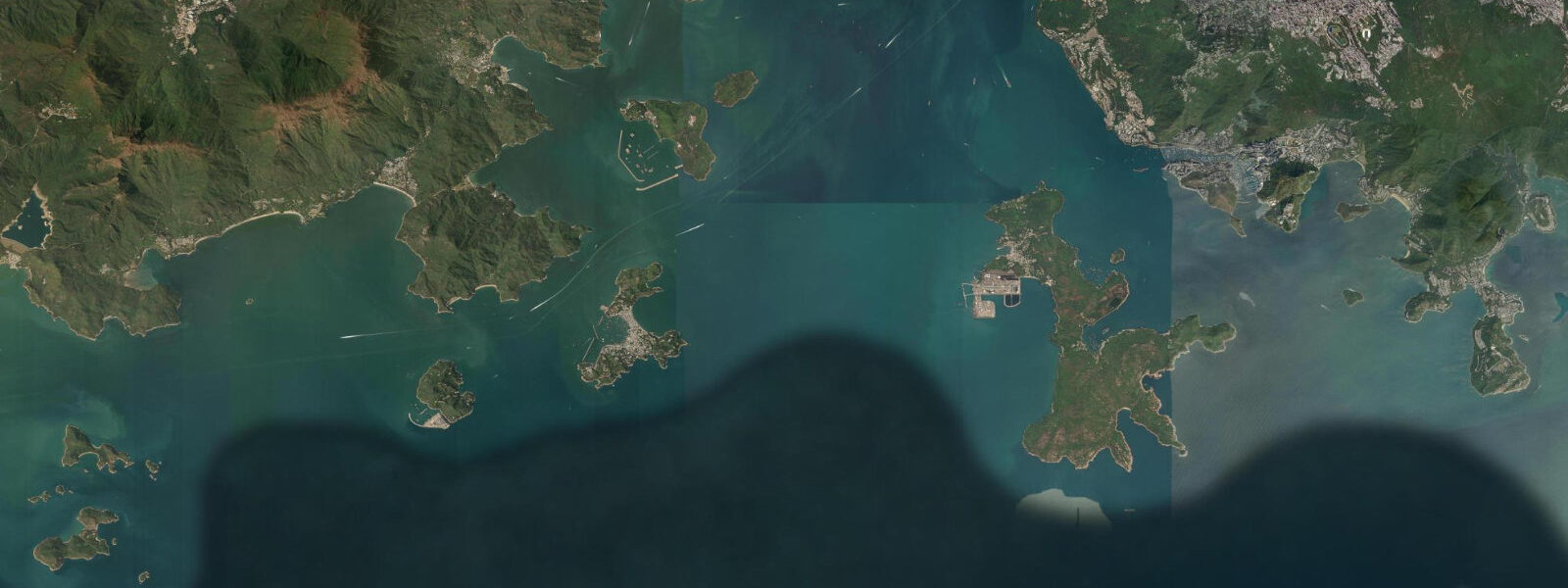
The three closest curated TideTurtle locations to Lamma Island, measured by great-circle distance.
Today's solunar windows
Solunar tradition: major periods are the ≈3h windows around moon transit and opposition; minor are ≈2h around moonrise and moonset. Pair with the local tide stage and wind for the best read.
Cycle dates near Lamma Island
Next spring tide on Mon 10 Aug (range 2.0m). Next neap on Wed 05 Aug.
Spring tides cluster around new and full moons (biggest swings). Neap tides land on quarter moons (smallest swings). See the spring tide and neap tide glossary entries for the why.
About tides at Lamma Island
A short guide to the coastline at Lamma Island — geography, sea state, and what the tide is actually doing under your feet.
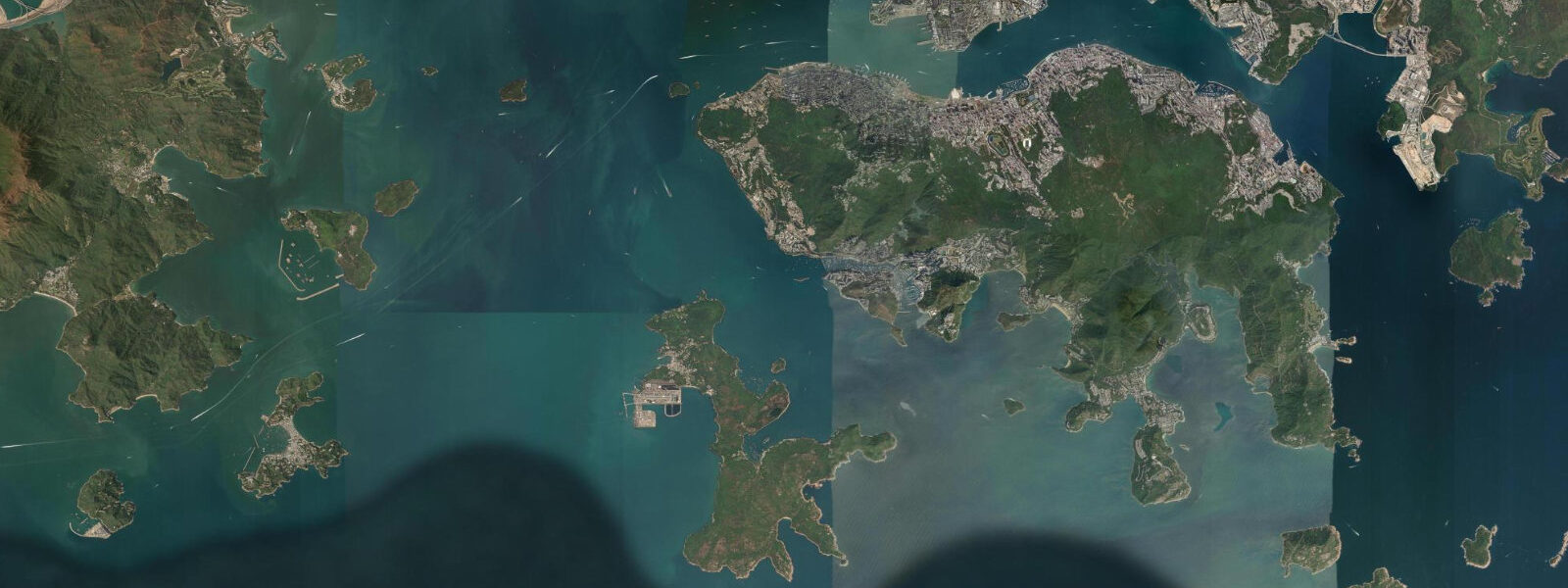
Lamma Island sits 8 kilometres southwest of Hong Kong Island and is reached by two separate ferry routes: one from Central Pier (Pier 4) to Yung Shue Wan in the north, and one from Aberdeen (on the south side of Hong Kong Island) to Sok Kwu Wan in the south. Both crossings take approximately 25 to 30 minutes. The island is the third-largest in Hong Kong at 13.5 square kilometres, and it operates without private motor vehicles on the main residential paths. Three large power station chimneys on the island's northern coast are the most visible landmark from Hong Kong Island, but they dominate only one section of the shore; most of the island's coastline is low-key village, agricultural terrace, and scrub forest.
The tidal regime at Lamma is mixed semidiurnal, consistent with Hong Kong's main tidal system. Spring range is approximately 1.5 to 1.8 metres. The two daily high and low waters show a pronounced diurnal inequality, particularly in summer months. The island's two main bays — Yung Shue Wan in the north and Sok Kwu Wan in the south — are both sheltered from the dominant swell directions but respond differently to wind conditions: Yung Shue Wan faces northwest and is sheltered from the northeast monsoon; Sok Kwu Wan faces east-northeast and is more exposed to northeast wind waves in winter. At low water springs, the beaches on both bays expose 20 to 40 metres of additional sandflat.
Yung Shue Wan has a population that has historically included a significant expatriate community alongside Hong Kong Chinese residents, drawn by the village character, the sea views, and the relative quiet compared to Hong Kong Island. The main street from the ferry pier to the Hung Shing Ye beach (15 minutes on foot) has restaurants, small shops, and a local market. The beach at Hung Shing Ye is the main swimming beach on this side of the island.
Sok Kwu Wan is known for the long row of seafood restaurants built on stilts and platforms directly above the water on the eastern side of the bay. The restaurants — some seating over 300 — fill almost entirely with group diners on weekend evenings, arriving by hired junk or ferry from Hong Kong Island. The live seafood tanks contain prawns, crabs, grouper, and sea urchin; the cooking approach is Cantonese — steaming and braising rather than heavy seasoning. The restaurant row thins to quiet on weekdays.
The Family Walk, a 1-hour trail connecting Yung Shue Wan and Sok Kwu Wan, crosses the island's central ridge at approximately 140 metres. The trail is paved for most of its length and passes through open scrub with views to both sides of the island. It is the most walked trail on Lamma and the standard means of sampling both ends of the island in a single day trip. A longer route via the Lo So Shing beach adds 45 minutes.
Lamma Island Power Station — the three-chimney Lamma A and B stations on the northern coast — supplies approximately 40 percent of Hong Kong's electricity. The power station's seawater cooling intake is on the northern coast; the warm water discharge influences the local water temperature in the bay immediately adjacent. This warmer water attracts certain fish species year-round and is a known gathering point for anglers targeting the species that hold near the discharge.
Predictions on this page come from Open-Meteo Marine, a gridded global ocean model. Accuracy is typically within plus or minus 45 minutes on timing and 0.2 to 0.3 metres on height — model-derived, not from a local gauge. The local tide authority is the Hong Kong Observatory, which publishes annual tide tables for Hong Kong waters.
Tide questions about Lamma Island
Quick answers to the most common questions about tide times, range, and water access at Lamma Island.
Which ferry route should I take to Lamma Island?
There are two options. Ferry from Central Pier 4 to Yung Shue Wan (25 minutes) serves the northern end of the island, which has the main residential village, Hung Shing Ye beach, and the start of the island walk. Ferry from Aberdeen (south side of Hong Kong Island) to Sok Kwu Wan (25 minutes) serves the seafood restaurant bay on the southern end. A popular day trip: ferry to one end, walk across the island (1 hour via the Family Walk trail), and return by ferry from the other end. Aberdeen is accessible from the MTR South Island Line (Lei Tung or South Horizons stations).
What is the seafood restaurant experience at Sok Kwu Wan?
The long row of seafood restaurants on Sok Kwu Wan's eastern shore is Lamma's main attraction for Hong Kong day-trippers. Restaurants serve Cantonese seafood from live tanks — grouper, prawns, crab, sea urchin — with steaming and light braising as the dominant cooking methods. Prices are set per catty (600 grams) for live fish; agree the full price before ordering. Weekday lunch is substantially less expensive than weekend dinner, when restaurants fill with large party groups arriving by hired junk. Most restaurants have no booking system for individual diners on weekdays; weekends require a booking or a willingness to wait.
Is the Family Walk between Yung Shue Wan and Sok Kwu Wan difficult?
The Family Walk is approximately 3.5 kilometres and takes 50 to 70 minutes at a comfortable pace. The trail is mostly paved, with a central ridge section that reaches approximately 140 metres. It is described as easy by Hong Kong trail standards but does involve sustained uphill on both ends of the ridge crossing — not suitable for very young children or anyone with limited mobility. Views from the ridge cover both sides of the island and the surrounding sea. Lo So Shing beach can be added as a side trip from the central ridge, adding 2 to 3 kilometres. Carry water; there are no refreshments on the trail itself.
What is the tidal range at Lamma Island?
Spring tidal range at Lamma Island is approximately 1.5 to 1.8 metres. The regime is mixed semidiurnal with a pronounced diurnal inequality — the two daily high and low waters differ substantially in height, particularly in summer. Low water springs expose 20 to 40 metres of additional sandflat on both Yung Shue Wan and Sok Kwu Wan beaches. Predictions here come from Open-Meteo Marine (±45 minutes on timing, ±0.3 m on height). Not for navigation; consult the Hong Kong Observatory annual tide tables for precise reference-station predictions.
Can I swim at Lamma Island beaches?
Hung Shing Ye beach on the Yung Shue Wan side and Lo So Shing beach on the southern trail are the main swimming beaches. Both have seasonal lifeguard cover and basic changing facilities. Water quality at Hong Kong beaches is monitored by the Environmental Protection Department; results are posted at the beach and on the EPD website. Hung Shing Ye is generally 'Good' outside rain periods. The bay beaches at Yung Shue Wan and Sok Kwu Wan are not gazetted beaches (no lifeguards) and water quality is lower due to marine traffic and discharge — swim at the gazetted beaches rather than in the harbour areas.
8-day tide table — Lamma Island
Heights relative to MSL. Predictions: Open-Meteo Marine (MeteoFrance SMOC, 0.08° grid) — heights relative to MSL (not chart datum / LAT). Model-derived.
| Day | Type | Time | Height |
|---|---|---|---|
| Tue 04 Aug | Low | 08:00 | 0.6m |
| High | 11:22 | 1.1m | |
| Low | 18:10 | 0.2m | |
| Wed 05 Aug | High | 12:10 | 0.9m |
| Low | 18:21 | 0.4m | |
| Thu 06 Aug | High | 00:54 | 1.3m |
| Low | 08:42 | 0.3m | |
| High | 13:15 | 0.7m | |
| Low | 18:42 | 0.6m | |
| Fri 07 Aug | High | 01:42 | 1.4m |
| Sat 08 Aug | Low | 11:12 | 0.2m |
| Sun 09 Aug | High | 04:00 | 1.6m |
| Low | 12:26 | -0.1m | |
| Mon 10 Aug | High | 05:37 | 1.7m |
| Low | 13:16 | -0.2m | |
| High | 21:12 | 0.8m | |
| Low | 23:40 | 0.7m | |
| Tue 11 Aug | High | 07:00 | 1.8m |