Cheung Chau tide times
Cheung Chau tide forecast — heights relative to MSL.
Today's tide times for Cheung Chau
Tide times at Cheung Chau on Tuesday, 4 August 2026: first low tide at 08:00, first high tide at 11:36, second low tide at 18:19. Sunrise 05:57, sunset 19:03.
Tide chart for Cheung Chau
24-hour cosine-interpolated curve around the present moment. Heights relative to MSL. Predictions: Predictions: Open-Meteo Marine (MeteoFrance SMOC, 0.08° grid).
Sun, moon and conditions on Tue 04 Aug
Snapshot at build time — refreshes daily. Sea state from Open-Meteo Marine.
Highs and lows next 7 days
Every predicted high and low for the next week, with the daily tidal coefficient (0–120; higher = bigger swing, > 95 means stronger currents).
Other spots nearby
The three closest curated TideTurtle locations to Cheung Chau, measured by great-circle distance.
Today's solunar windows
Solunar tradition: major periods are the ≈3h windows around moon transit and opposition; minor are ≈2h around moonrise and moonset. Pair with the local tide stage and wind for the best read.
Cycle dates near Cheung Chau
Next spring tide on Sun 09 Aug (range 1.8m). Next neap on Fri 07 Aug.
Spring tides cluster around new and full moons (biggest swings). Neap tides land on quarter moons (smallest swings). See the spring tide and neap tide glossary entries for the why.
About tides at Cheung Chau
A short guide to the coastline at Cheung Chau — geography, sea state, and what the tide is actually doing under your feet.
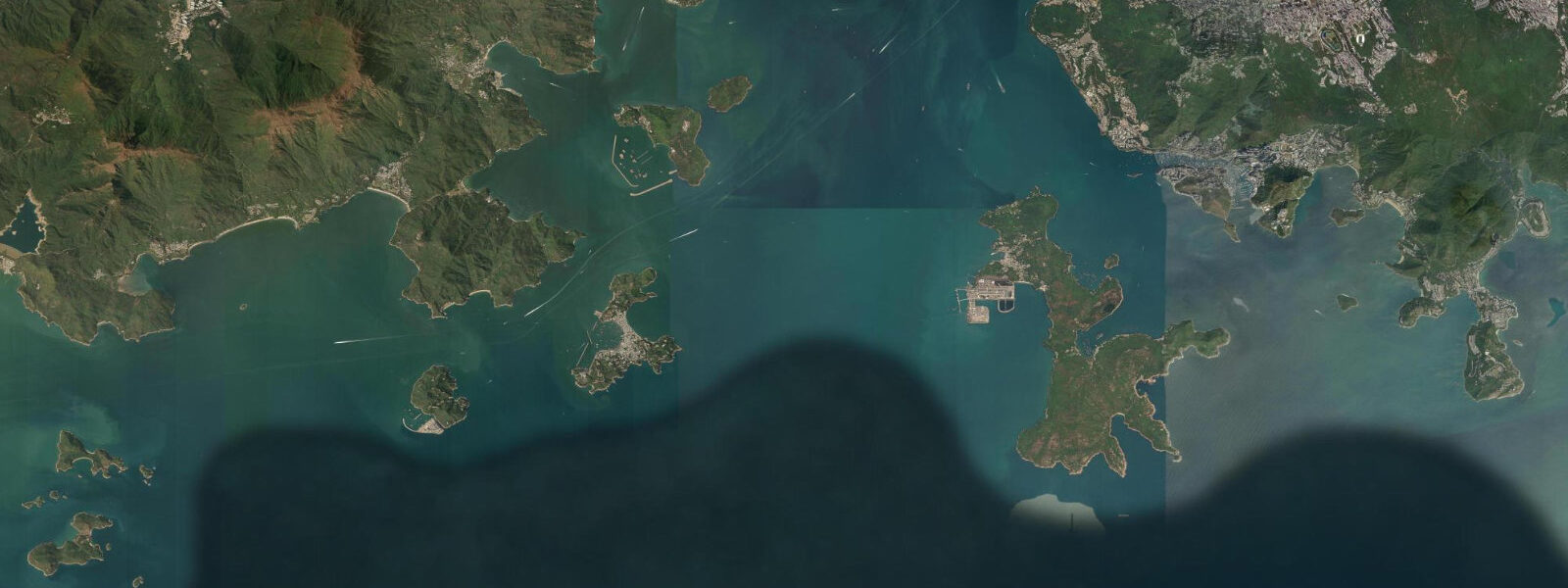
Cheung Chau is a dumbbell-shaped island approximately 2.5 kilometres long, 1 kilometre at its widest, and entirely car-free. It lies 10 kilometres southwest of Hong Kong Island and is reachable by ordinary ferry from Central Pier in 45 minutes, or by fast ferry in 25 minutes. The island's 24,000 residents are among the most densely housed outside the Hong Kong Island core — streets between the ferry pier and the market are too narrow for any vehicle wider than a bicycle or hand cart, which gives the town centre the character of a walkable neighbourhood that Hong Kong's larger areas have lost.
The tidal regime at Cheung Chau is mixed semidiurnal, with a spring range of approximately 1.5 metres. The diurnal inequality is pronounced in summer — one of the two daily high waters is significantly higher than the other, and this asymmetry creates a long, slow ebb on some days. The western beach (facing the Lamma Channel) and the eastern beach (facing into Cheung Chau's sheltered bay) respond differently to the tidal cycle. The western beach is exposed to the Lamma Channel's moderate fetch and receives a slight wave action on the ebb, when the exposed sandflat gives more beach width. The eastern bay is almost completely protected from wave action at all tide states.
Cheung Chau produced Lee Lai-shan, who won Hong Kong's first (and for 25 years, only) Olympic gold medal at the 1996 Atlanta Games in windsurfing — the Lamma Channel off the western beach was where she trained. A small statue near the ferry pier commemorates the win. Windsurfing is still practiced from the western beach, with equipment rental available in summer months. The channel generates usable wind conditions for windsurfing when the northeast monsoon is active (October to March) and the southwest monsoon is blowing (May to September).
The Cheung Chau Bun Festival, held during the fourth lunar month (typically April or May), is one of Hong Kong's most distinctive community events. Bamboo towers 18 metres high, covered in steamed buns, are erected in the Pak Tai Temple forecourt. In the original tradition, participants scrambled up the towers at midnight to grab the buns, which were believed to bring luck. The competition was suspended after a structural accident in 1978 and revived in 2005 with structural safety certification; the midnight bun scramble is now the centrepiece of a ticketed event. The festival also includes a procession of children dressed as deities, appearing to float on air above platforms hidden in their costumes — an effect that requires months of practice.
Fishing from the Cheung Chau waterfront and rocky headlands is productive for reef species — grouper, snapper, and sea bream — on the flood tide. The western point of the island, accessible via the coastal path, has deeper water and more consistent fishing than the inner harbour. Fresh seafood restaurants on the waterfront serve the day's catch; choosing by what is moving in the tanks (rather than the menu) ensures the most recently landed fish.
The island's inland hiking tracks lead to the northern headland (Kwun Yam Wan, with small beach) and the southern headland, where a cave associated with the pirate Cheung Po Tsai is a local tourist landmark. The coastal path circuits the island in approximately 2 hours of easy walking.
Predictions on this page come from Open-Meteo Marine, a gridded global ocean model. Accuracy is typically within plus or minus 45 minutes on timing and 0.2 to 0.3 metres on height — model-derived, not from a local gauge. The local tide authority is the Hong Kong Observatory, which publishes annual tide tables for Hong Kong waters.
Tide questions about Cheung Chau
Quick answers to the most common questions about tide times, range, and water access at Cheung Chau.
What is the Cheung Chau Bun Festival?
The Bun Festival is a community event held during the fourth lunar month (typically April or May) at the Pak Tai Temple on Cheung Chau. The centrepiece is the midnight bun scramble — bamboo towers 18 metres high, covered in steamed buns, are climbed competitively. The competition was revived in 2005 after a 27-year suspension, with structural safety certification and competitive rules replacing the free-for-all original. The festival also includes a Piu Sik procession: children dressed as deities appear to float on concealed platforms, carried through the streets. Ferries run through the night during the festival weekend; the island is extremely crowded. Book accommodation months in advance if staying overnight.
How do I get to Cheung Chau from Hong Kong?
Ferry from Central Pier (Pier 5), operated by New World First Ferry. The ordinary ferry takes 45 minutes; the fast ferry takes approximately 25 minutes. Services run throughout the day from early morning to around midnight, with reduced frequency in the late evening. Ferries run hourly or more frequently during peak hours. A return ticket is sold at the pier. There is no vehicle access to Cheung Chau — no private cars or motorcycles are permitted on the island. Only authorised emergency and utility vehicles operate. Bicycles can be taken on the ferry for a small fee.
What is the tidal range at Cheung Chau?
Spring tidal range at Cheung Chau is approximately 1.5 metres. The regime is mixed semidiurnal with a pronounced diurnal inequality — on some days in summer, one daily high water is significantly higher than the other, creating an asymmetric tidal pattern. The western beach is exposed to the Lamma Channel and shows a wider sandflat at low water; the eastern bay is almost completely calm at all tide states. Predictions here come from Open-Meteo Marine (±45 minutes on timing, ±0.3 m on height). Not for navigation; consult the Hong Kong Observatory annual tide tables.
Where did Lee Lai-shan train for her 1996 Olympic gold?
Lee Lai-shan trained in the Lamma Channel, the stretch of water off Cheung Chau's western beach between the island and Lamma Island. The channel generates consistent windsurfing conditions through both monsoon seasons — northeast monsoon (October to March) and southwest monsoon (May to September). A statue near the Cheung Chau ferry pier commemorates her 1996 Atlanta Olympic gold medal. Windsurfing equipment rental is available at the western beach from operators who continue the island's windsurfing tradition. Cheung Chau's windsurfing club trains junior and senior athletes year-round.
What fresh seafood should I try on Cheung Chau?
The waterfront restaurants serve what is landed daily at the adjacent fish market. The standard approach: walk the waterfront, look at the live tanks outside each restaurant, and choose based on what appears freshest. Mantis prawn (pissing shrimp in local usage) is a Cheung Chau speciality — steamed or fried with garlic. Steamed grouper with ginger and spring onion is the standard preparation for the most prized reef fish. Sea urchin and abalone are available when in season. Prices are set per catty (600 grams) and the full price of a live-tank fish is confirmed before ordering. Lunch on weekdays is significantly cheaper than weekend dinner.
8-day tide table — Cheung Chau
Heights relative to MSL. Predictions: Open-Meteo Marine (MeteoFrance SMOC, 0.08° grid) — heights relative to MSL (not chart datum / LAT). Model-derived.
| Day | Type | Time | Height |
|---|---|---|---|
| Tue 04 Aug | Low | 08:00 | 0.6m |
| High | 11:36 | 1.1m | |
| Low | 18:19 | 0.2m | |
| Wed 05 Aug | High | 00:38 | 1.2m |
| Low | 07:23 | 0.4m | |
| High | 12:19 | 1.0m | |
| Low | 18:37 | 0.4m | |
| Thu 06 Aug | High | 01:00 | 1.3m |
| Low | 08:48 | 0.3m | |
| High | 13:21 | 0.8m | |
| Low | 19:04 | 0.6m | |
| Fri 07 Aug | High | 01:52 | 1.5m |
| Low | 10:12 | 0.2m | |
| High | 17:50 | 0.7m | |
| Sat 08 Aug | Low | 11:25 | 0.2m |
| Sun 09 Aug | High | 03:54 | 1.6m |
| Low | 12:35 | -0.1m | |
| Mon 10 Aug | High | 05:45 | 1.7m |
| Low | 23:48 | 0.7m | |
| Tue 11 Aug | High | 07:00 | 1.8m |