La Baule-Escoublac tide times
La Baule-Escoublac tide forecast — heights relative to MSL.
Today's tide times for La Baule-Escoublac
Tide times at La Baule-Escoublac on Tuesday, 4 August 2026: first low tide at 02:00, first high tide at 08:23, second low tide at 14:41, second high tide at 20:42. Sunrise 06:50, sunset 21:40.
Tide chart for La Baule-Escoublac
24-hour cosine-interpolated curve around the present moment. Heights relative to MSL. Predictions: Predictions: Open-Meteo Marine (MeteoFrance SMOC, 0.08° grid).
Sun, moon and conditions on Tue 04 Aug
Snapshot at build time — refreshes daily. Sea state from Open-Meteo Marine.
Highs and lows next 7 days
Every predicted high and low for the next week, with the daily tidal coefficient (0–120; higher = bigger swing, > 95 means stronger currents).
Other spots nearby
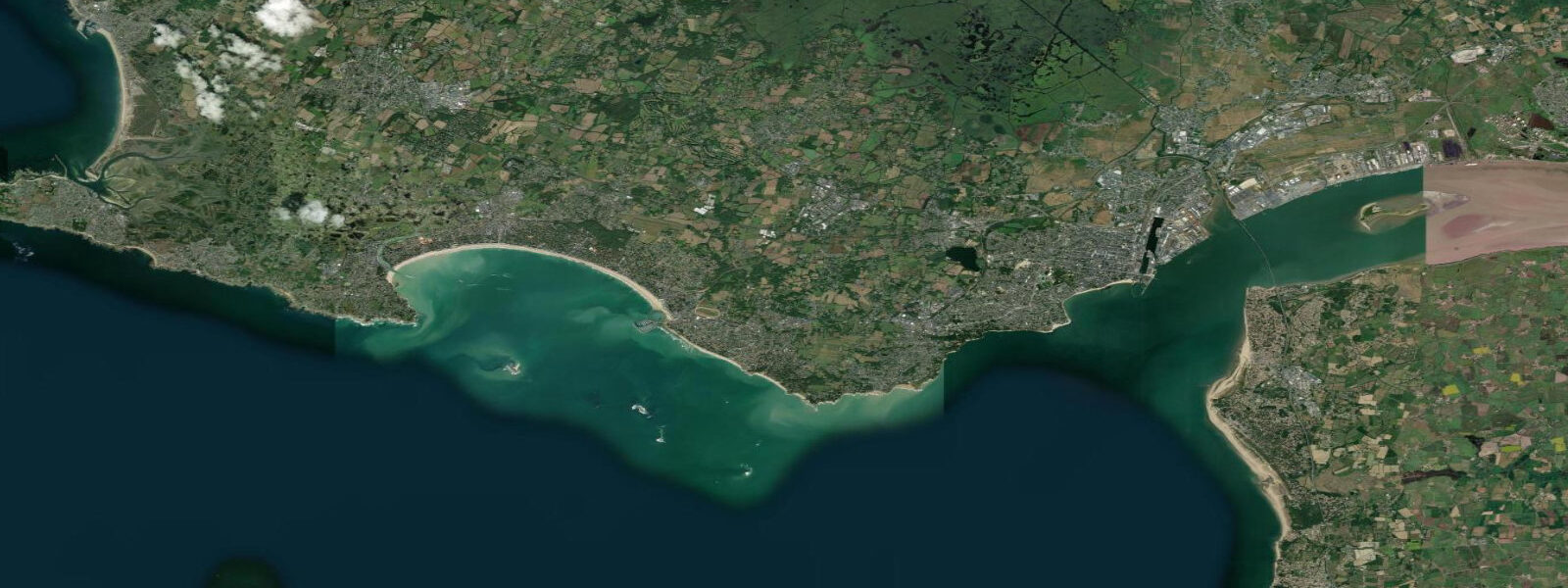
The three closest curated TideTurtle locations to La Baule-Escoublac, measured by great-circle distance.
Today's solunar windows
Solunar tradition: major periods are the ≈3h windows around moon transit and opposition; minor are ≈2h around moonrise and moonset. Pair with the local tide stage and wind for the best read.
Cycle dates near La Baule-Escoublac
Last spring tide on Tue 04 Aug (range 3.5m). Next spring tide on Mon 10 Aug (range 3.6m). Next neap on Sat 08 Aug.
Spring tides cluster around new and full moons (biggest swings). Neap tides land on quarter moons (smallest swings). See the spring tide and neap tide glossary entries for the why.
About tides at La Baule-Escoublac
A short guide to the coastline at La Baule-Escoublac — geography, sea state, and what the tide is actually doing under your feet.
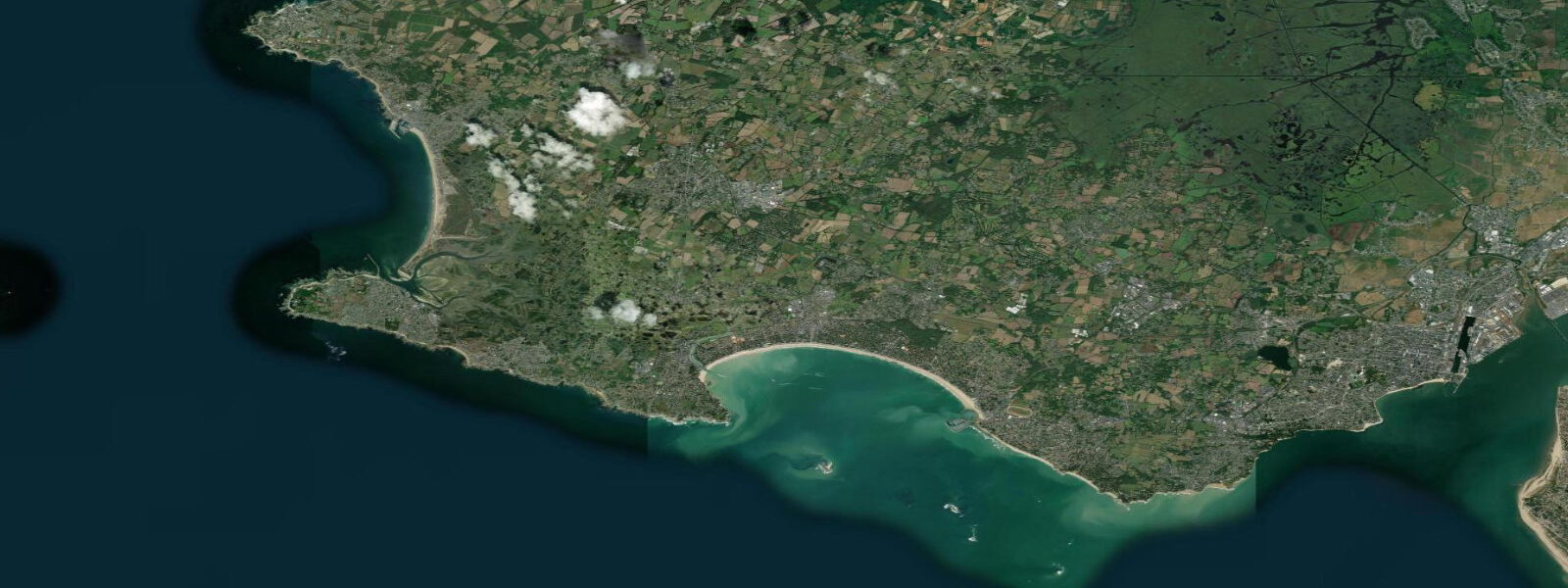
La Baule's beach is one of the longest unbroken arcs of sand in Europe — 9 km of it, sweeping around a wide south-facing bay between La Pointe de Penchâteau in the west and Pornichet in the east. The tidal range here matches the wider Loire Atlantic coast at approximately 4.5 metres mean range, and that range does transformative things to the beach geometry.
At low water, the sea retreats several hundred metres from the promenade. The beach doubles or triples in visible width. Firm, flat sand extends toward the horizon — perfect for beach volleyball, kite landboarding, and the long walks La Baule is known for. At high water on a spring tide, the sea reaches close to the seawall. The timing of low water on any given day determines what La Baule actually is: a vast open sandscape or a conventional resort beach.
Tides at La Baule are semidiurnal — two high waters and two low waters per 24-hour period, each approximately 6 hours apart and shifting 50 minutes later each day. The tidal range varies over the lunar cycle from neap tides (roughly 2.5–3.0 m range) to springs (up to 5.5 m). The difference between neap and spring beach width is striking and worth checking before planning a day.
The town itself is early 20th century resort architecture — Belle Époque and Art Deco villas that were built when La Baule became fashionable with Parisian upper classes in the 1920s and 30s. The casino and the grand hotels on the front were designed for promenading at high water; the same promenade at low tide looks out over 300 metres of empty beach. Both are worth experiencing.
Water temperature peaks in August at around 20–21°C. Sea conditions are generally benign in the bay — the bay's orientation provides shelter from westerly swells, though northwesterly groundswell wraps around La Pointe de Penchâteau and produces modest surf on the outer beach sections near Le Pouliguen.
Tide predictions are generated from Open-Meteo Marine data (accuracy ±45 minutes, ±0.2–0.3 m). For navigation in and around the Pornichet marina entrance and the Chenal du Pouliguen, consult SHOM official tables.
Tide questions about La Baule-Escoublac
Quick answers to the most common questions about tide times, range, and water access at La Baule-Escoublac.
How wide does the beach get at low tide?
On a spring low tide, the sea retreats around 300–400 metres from the promenade along the central section of beach. The full 9 km arc of La Baule exposes a broad, firm sandflat — the beach effectively doubles in accessible width compared to high water. Neap tides produce a smaller retreat of around 150–200 metres. The exact exposure depends on tidal range that day; the spring/neap cycle repeats every 14 days.
What is the best time of day to walk the full 9 km beach?
The ideal window is within 2–3 hours of low water, when the maximum sand is exposed and the surface is firm and flat. Check the low water time for your visit — it shifts roughly 50 minutes later each day through the week. Early morning low tides in summer (June–August) combine the best walking conditions with cooler temperatures and lighter crowds. The full 9 km out-and-back from La Pointe de Penchâteau to Pornichet takes around 2.5–3 hours at a comfortable pace.
Is La Baule suitable for surfing?
La Baule itself is a sheltered bay and rarely produces quality surf — the bay's orientation blocks most Atlantic swell. The outer beaches near Le Pouliguen and La Côte Sauvage (Quiberon peninsula, 50 km south) receive proper swell and are the region's serious surf spots. At La Baule, water conditions are generally calm, making the beach good for swimming, SUP, and family water sports rather than surfing. Mid-tide is typically the best time for water entry given the exposed flat at low water.
When does the sea reach the promenade?
On large spring tides, high water brings the sea to within a few metres of the seawall promenade. This happens twice per lunar cycle (around new and full moon) and produces the highest water roughly 1–2 days after the moon phase peak. On neap tides, high water still sits a comfortable distance from the promenade. The beach is never fully underwater — the promenade and road are above maximum astronomical tide level — but the contrast between neap high water and spring low water is dramatic enough to change the character of the front entirely.
Where can I get authoritative tide data for La Baule and Pornichet marina?
Tide predictions here are sourced from Open-Meteo Marine (±45 min, ±0.2–0.3 m accuracy). For navigation purposes — specifically Pornichet marina entry, the Chenal du Pouliguen, and approaches to Le Croisic — use official SHOM tide tables at shom.fr or current-edition Navicarte charts. SHOM's Saint-Nazaire gauge is the primary reference station for this coastline; La Baule times and heights are derived from it with minor corrections. Never rely on app predictions for safety-critical navigation decisions.
8-day tide table — La Baule-Escoublac
Heights relative to MSL. Predictions: Open-Meteo Marine (MeteoFrance SMOC, 0.08° grid) — heights relative to MSL (not chart datum / LAT). Model-derived.
| Day | Type | Time | Height |
|---|---|---|---|
| Tue 04 Aug | Low | 02:00 | -2.2m |
| High | 08:23 | 1.2m | |
| Low | 14:41 | -2.1m | |
| High | 20:42 | 1.3m | |
| Wed 05 Aug | Low | 03:05 | -2.1m |
| High | 09:09 | 1.0m | |
| Low | 15:25 | -1.9m | |
| High | 21:32 | 1.0m | |
| Thu 06 Aug | Low | 03:54 | -1.9m |
| High | 10:06 | 0.8m | |
| Low | 16:21 | -1.8m | |
| High | 22:34 | 0.6m | |
| Fri 07 Aug | Low | 04:56 | -1.7m |
| High | 11:16 | 0.6m | |
| Low | 17:38 | -1.6m | |
| High | 23:57 | 0.6m | |
| Sat 08 Aug | Low | 06:16 | -1.6m |
| High | 12:45 | 0.7m | |
| Low | 19:05 | -1.6m | |
| Sun 09 Aug | High | 01:32 | 0.7m |
| Low | 07:42 | -1.7m | |
| High | 14:14 | 0.9m | |
| Low | 20:22 | -1.9m | |
| Mon 10 Aug | High | 02:58 | 0.9m |
| Low | 08:50 | -2.0m | |
| High | 15:26 | 1.2m | |
| Low | 21:24 | -2.4m | |
| Tue 11 Aug | High | 01:00 | -0.2m |