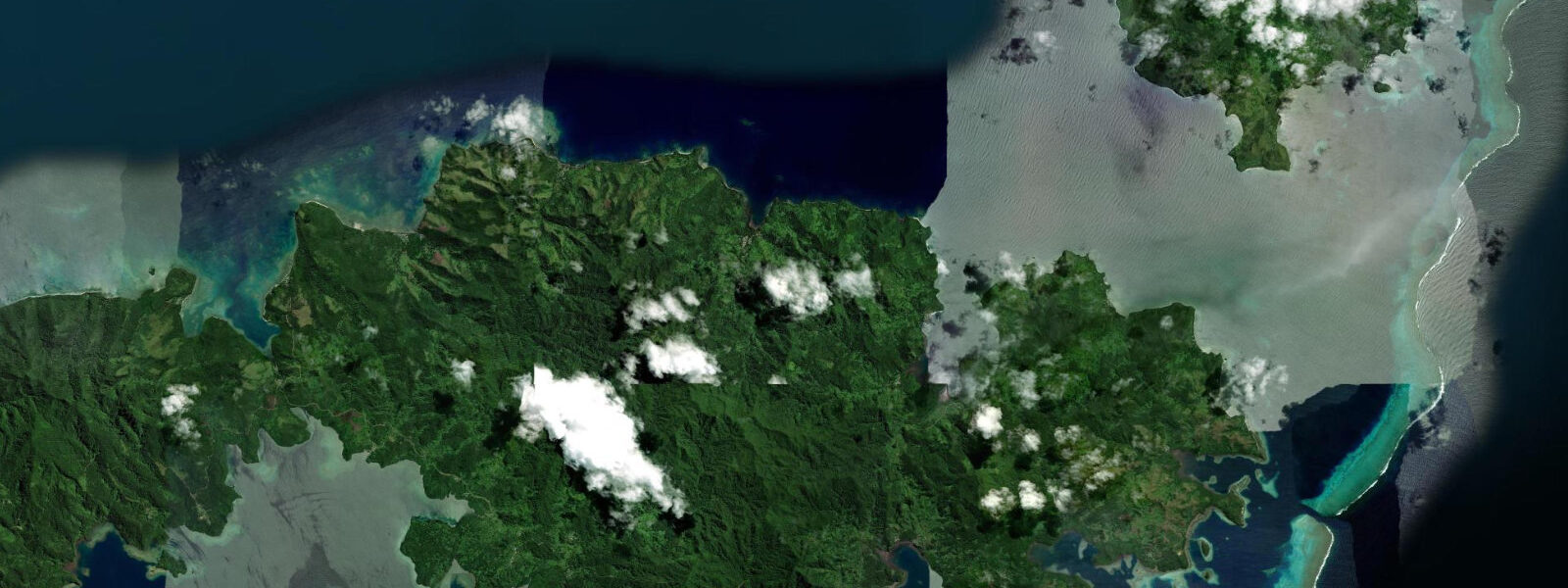
Ono Island, Fiji tide times
Ono Island, Fiji tide forecast — heights relative to MSL.
Tide chart for Ono Island, Fiji
24-hour cosine-interpolated curve around the present moment. Heights relative to MSL. Predictions: Predictions: Open-Meteo Marine (MeteoFrance SMOC, 0.08° grid).
Sun, moon and conditions on Thu 06 Aug
Snapshot at build time — refreshes daily. Sea state from Open-Meteo Marine.
Highs and lows next 7 days
Every predicted high and low for the next week, with the daily tidal coefficient (0–120; higher = bigger swing, > 95 means stronger currents).
Other spots nearby
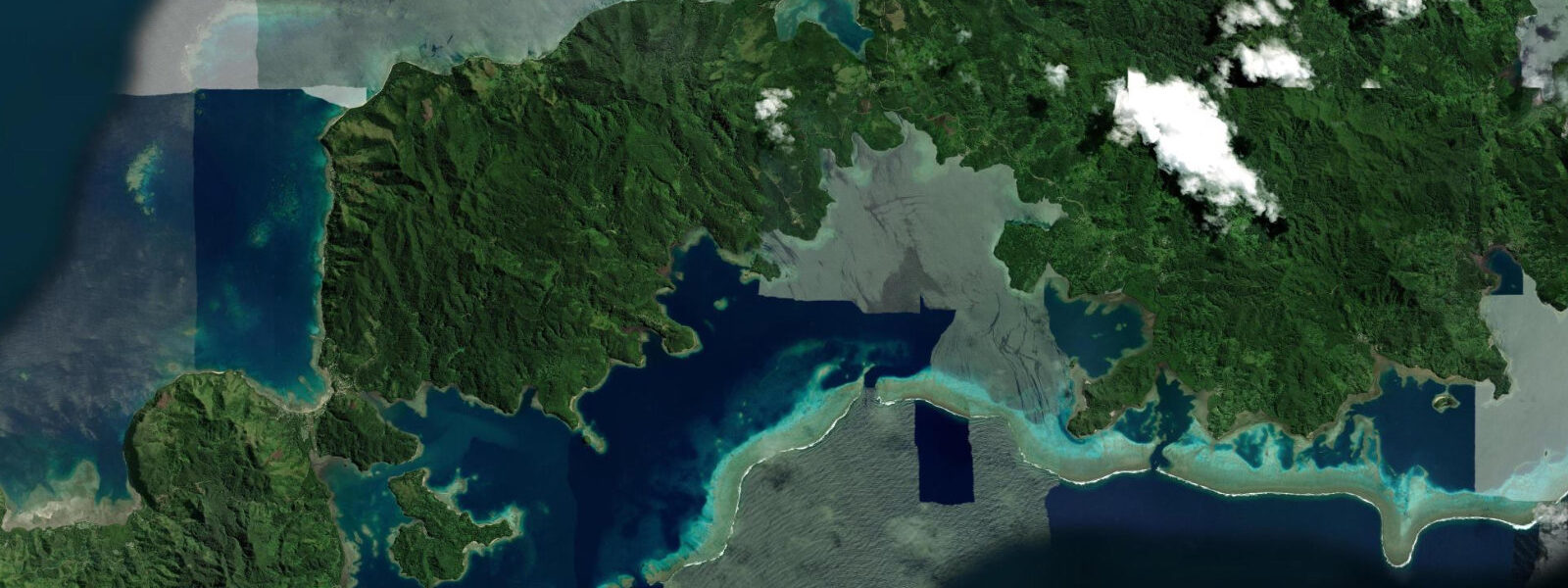
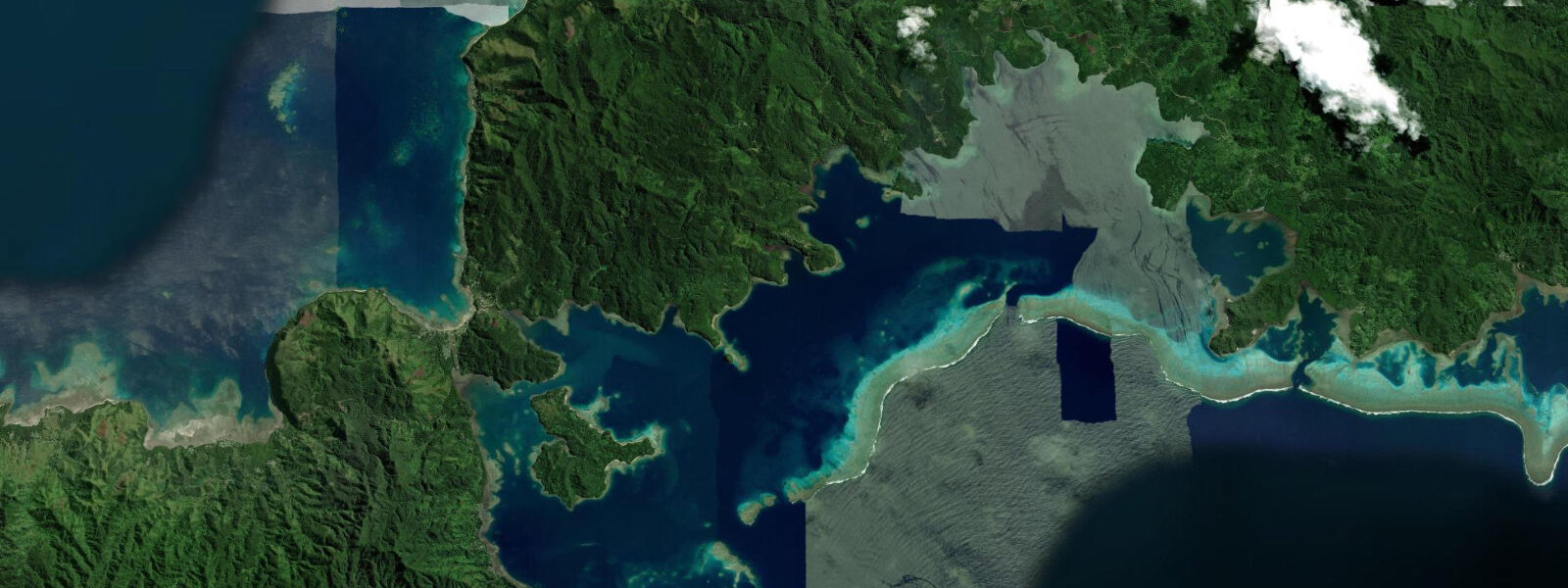
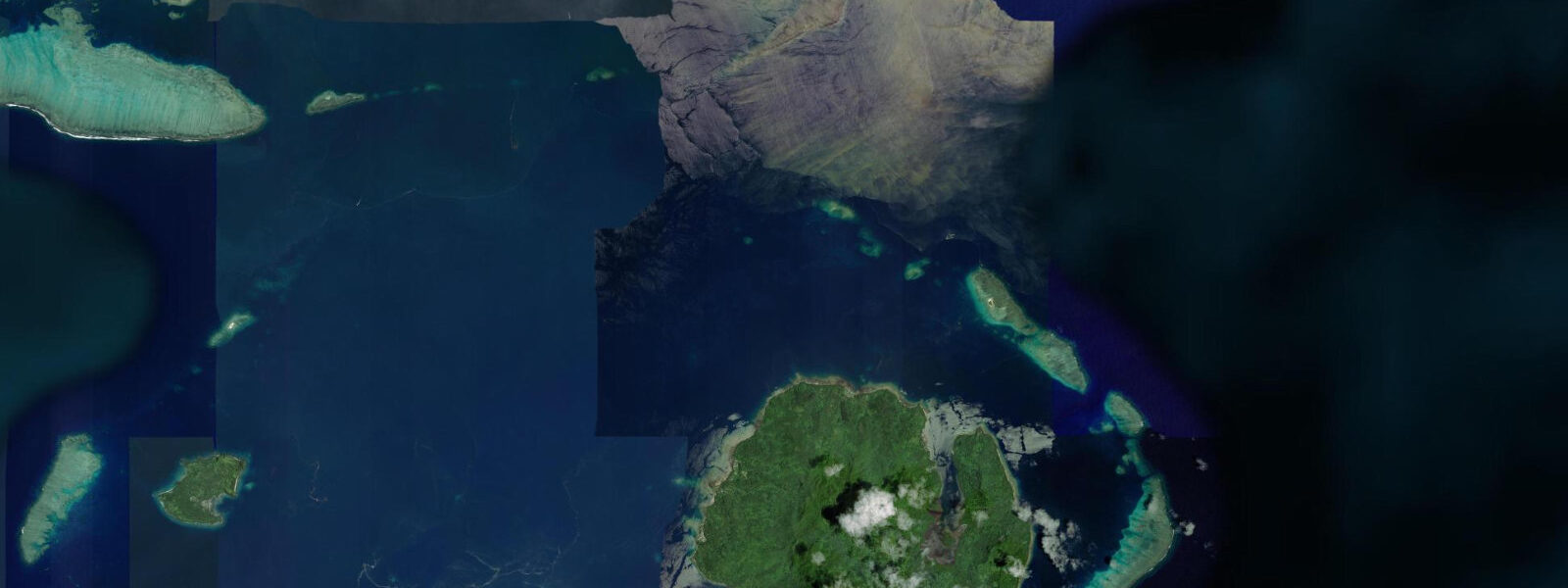
The three closest curated TideTurtle locations to Ono Island, Fiji, measured by great-circle distance.
Today's solunar windows
Solunar tradition: major periods are the ≈3h windows around moon transit and opposition; minor are ≈2h around moonrise and moonset. Pair with the local tide stage and wind for the best read.
Cycle dates near Ono Island, Fiji
Next spring tide on Mon 10 Aug (range 1.5m). Last neap on Tue 04 Aug.
Spring tides cluster around new and full moons (biggest swings). Neap tides land on quarter moons (smallest swings). See the spring tide and neap tide glossary entries for the why.
About tides at Ono Island, Fiji
A short guide to the coastline at Ono Island, Fiji — geography, sea state, and what the tide is actually doing under your feet.
Ono Island sits in the southeastern cluster of the Kadavu group, surrounded on its seaward faces by the outer edge of the Great Astrolabe Reef. The island itself is mountainous by Fijian standards — volcanic ridges rising to 300 metres, cloaked in dense forest, dropping steeply to a coastline of black rock, white sand beaches, and fringing coral. There are villages on Ono but no tourist resort infrastructure; the people here are farmers and fishers, and visitors who arrive by boat are guests rather than customers in the resort sense.
Dive boats operating from Kadavu's larger resort operations — primarily on the northern Kadavu coast — make regular runs to the Ono passages. The reef segments around Ono include sections of the outer Astrolabe wall that are among the least-dived sites in Fiji, simply due to the additional boat time required. The wall here drops from the reef crest at 0.5 to 1.0 metres at high water to 30 metres and below, with hard coral coverage that records what happens when a reef face goes decades without anchor damage or extensive diver traffic.
Tide data for Ono Island is derived from Open-Meteo Marine's global ocean model. Accuracy is ±45 minutes on timing and ±0.2 to 0.3 metres on height. The tidal regime is mixed semidiurnal, spring range 0.8 to 1.3 metres, consistent with the southern Kadavu group. The diurnal inequality produces noticeably different heights between the two daily highs and between the two daily lows. For reef access, the high-water window is particularly important on the outer reef passages near Ono, where low tide can make even the channel entrance navigable only in deep-draught boats.
For the dive operator running trips from Kadavu to Ono, the tidal calculation runs like this: depart the main resort dock at mid-tide on a rising tide, reach the Ono passages as the tide peaks, run the wall on the incoming with gentle current, return with the ebb assisting the boat trip back. The full round trip is 3 to 4 hours by speedboat. The extra boat time filters the crowd; the sites around Ono reward the commitment with genuinely undisturbed reef.
Snorkellers aboard dive boat trips can access the reef top at high water — the crests here are at 0.5 to 1.5 metres when the tide is in, with a rich coral garden above the drop-off. The reef-top snorkel at Ono is shallow but visually intense: the coral density on the Astrolabe's outer crest is among the best in the South Pacific. Water clarity on the seaward face is typically 25 to 35 metres in the dry season.
For fishing, the waters around Ono are relatively lightly fished compared to the northern Kadavu coast. The reef edge produces large coral trout, red bass, and giant trevally in the 10 to 25 metre zone; the open water between Ono and the outer reef passage is productive for wahoo and Spanish mackerel trolling. Local community fishing rights apply in the inshore areas; visitor fishing requires coordination through village permissions or through a licensed Fijian operator.
The villages on Ono maintain traditional communal land and sea tenure (the qoliqoli system, or customary fishing rights area). The waters around Ono sit within the qoliqoli boundaries of the Ono villages, and any commercial fishing or dive operation in these waters is expected to have obtained permission from the turaga ni koro (village headman) or the qoliqoli management committee. Reputable Kadavu operators handle this as standard practice.
The island is accessible by boat from Vunisea, roughly 20 kilometres to the southwest. There is no regular ferry schedule; transport is by chartered or privately arranged boat. Some of the dive resorts on Kadavu offer multi-day liveaboard-style trips that anchor off Ono overnight, giving early-morning dives on the outer wall before the wind builds. Water temperature off Ono runs 25°C to 28°C throughout the year.
Wildlife around the island extends beyond the reef: the forested ridges hold the collared lory, the orange dove (endemic to southern Fiji), and multiple species of fruit dove. Hawksbill and green turtles nest on the sand beaches of Ono's quieter southern bays. Nesting season runs October through February; the southern beaches are critical nesting habitat and disturbance during this period should be avoided.
Tide questions about Ono Island, Fiji
Quick answers to the most common questions about tide times, range, and water access at Ono Island, Fiji.
What makes the dive sites around Ono Island different from northern Kadavu sites?
The reef segments around Ono Island on the Great Astrolabe Reef's outer edge see considerably less diver traffic than the northern Kadavu sites, simply because of the additional boat time required to reach them. The extra distance filters out day-trip operators and leaves the wall in a condition reflecting decades without the anchor damage or crowds that affect more accessible sites. Hard coral coverage is dense, the structural complexity of the reef face is intact, and the fish life includes species less wary of human presence. The wall drops from a reef crest at 0.5 to 1.0 metres to beyond 30 metres with strong soft coral coverage in the 15 to 25 metre zone.
What is the tidal window for navigating the Ono passages?
The passages around Ono Island on the outer Great Astrolabe Reef require mid-tide or above for safe navigation by deep-draught dive boats. Low tide reduces some passage entry points to navigable but marginal depth. The target window for arriving at the Ono passages is the top of the rising tide — roughly the two hours before the predicted high. At this point depth is maximising, current is light, and visibility is at its best as the incoming flow brings cleaner oceanic water across the reef. Tide data for Ono comes from Open-Meteo Marine — accuracy ±45 minutes and ±0.2 to 0.3 metres.
Do I need permission to dive or fish in the waters around Ono?
The waters around Ono Island fall within the qoliqoli (customary fishing rights area) of the Ono villages under Fiji's customary sea tenure system. Commercial dive and fishing operations in these waters require prior arrangement with the village headman or qoliqoli management committee. Reputable Kadavu dive operators handle this as standard practice and include the appropriate arrangements in their trip logistics. Independent visitors arriving by private boat should make enquiries through Vunisea's government office or through an established Kadavu operator before conducting commercial fishing or organised dive activities.
Is there accommodation on Ono Island?
There is no resort or formal tourist accommodation on Ono Island. Village homestay arrangements are possible through village-level negotiation, but this requires advance contact and is not a drop-in option. The practical access route for most visitors is via dive resorts on northern Kadavu that run day trips or overnight liveaboard-style trips anchoring off Ono. Some operators offer multi-day itineraries that include Ono as an overnight stop, giving access to early-morning dives on the outer wall before the daily trade wind builds.
What wildlife nests on Ono Island's beaches?
Hawksbill and green turtles nest on the quieter southern beaches of Ono Island. The nesting season runs October through February, overlapping with the cyclone season. Disturbance to nesting turtles and their eggs is prohibited under Fijian law. The forest interior of Ono holds the orange dove (Ptilinopus victor), endemic to southern Fiji, as well as the collared lory and multiple fruit dove species. The combination of undisturbed reef habitat and intact forest cover makes Ono one of the more wildlife-rich spots in the Kadavu group, though accessing both requires full-day boat commitment.
7-day tide table — Ono Island, Fiji
Heights relative to MSL. Predictions: Open-Meteo Marine (MeteoFrance SMOC, 0.08° grid) — heights relative to MSL (not chart datum / LAT). Model-derived.
| Day | Type | Time | Height |
|---|---|---|---|
| Thu 06 Aug | Low | 04:43 | 0.2m |
| High | 10:50 | 1.1m | |
| Low | 16:48 | 0.2m | |
| High | 23:11 | 1.2m | |
| Fri 07 Aug | Low | 05:40 | 0.1m |
| High | 11:48 | 1.0m | |
| Low | 17:40 | 0.2m | |
| Sat 08 Aug | High | 00:06 | 1.2m |
| Low | 06:40 | 0.1m | |
| High | 12:51 | 1.0m | |
| Low | 18:40 | 0.2m | |
| Sun 09 Aug | High | 01:08 | 1.2m |
| Low | 07:45 | 0.0m | |
| High | 14:00 | 1.0m | |
| Low | 19:46 | 0.2m | |
| Mon 10 Aug | High | 02:10 | 1.3m |
| Low | 08:47 | 0.0m | |
| High | 15:02 | 1.1m | |
| Low | 20:50 | 0.2m | |
| Tue 11 Aug | High | 03:10 | 1.4m |
| Low | 09:47 | -0.0m | |
| High | 16:04 | 1.2m | |
| Low | 21:53 | 0.2m | |
| Wed 12 Aug | High | 04:08 | 1.4m |
| Low | 11:00 | -0.1m |