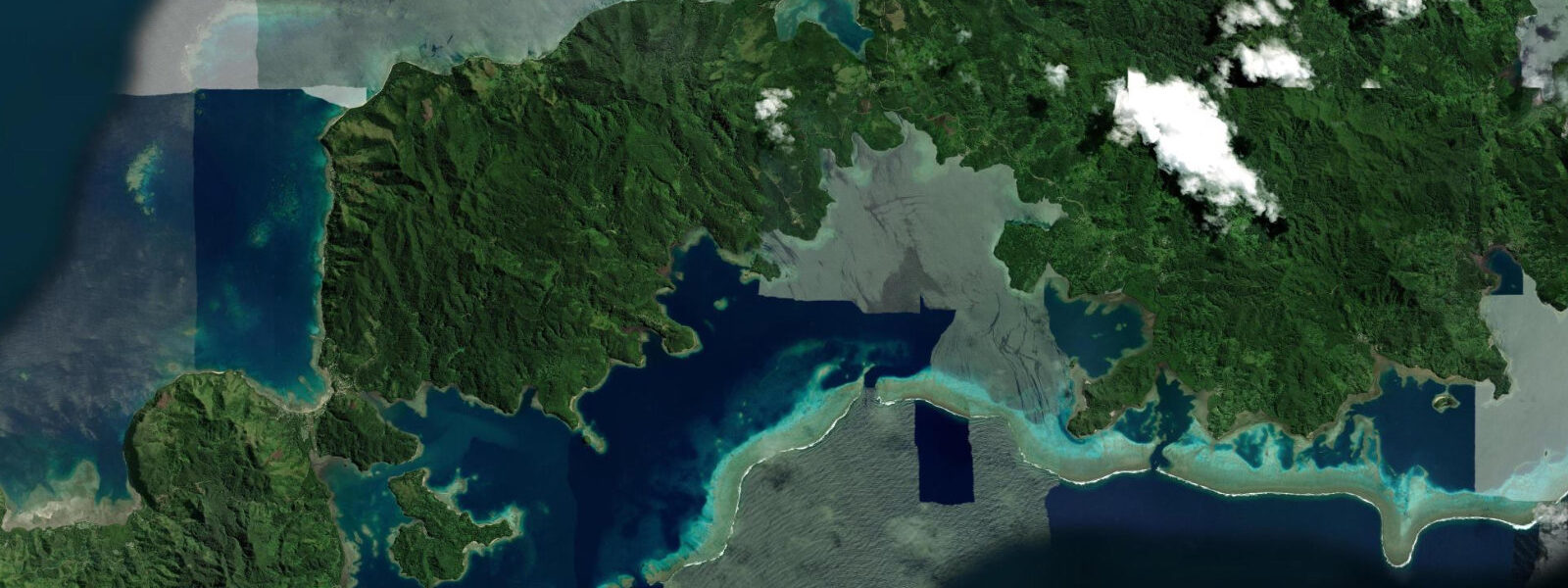
Kadavu, Fiji tide times
Kadavu, Fiji tide forecast — heights relative to MSL.
Tide chart for Kadavu, Fiji
24-hour cosine-interpolated curve around the present moment. Heights relative to MSL. Predictions: Predictions: Open-Meteo Marine (MeteoFrance SMOC, 0.08° grid).
Sun, moon and conditions on Thu 06 Aug
Snapshot at build time — refreshes daily. Sea state from Open-Meteo Marine.
Highs and lows next 7 days
Every predicted high and low for the next week, with the daily tidal coefficient (0–120; higher = bigger swing, > 95 means stronger currents).
Other spots nearby
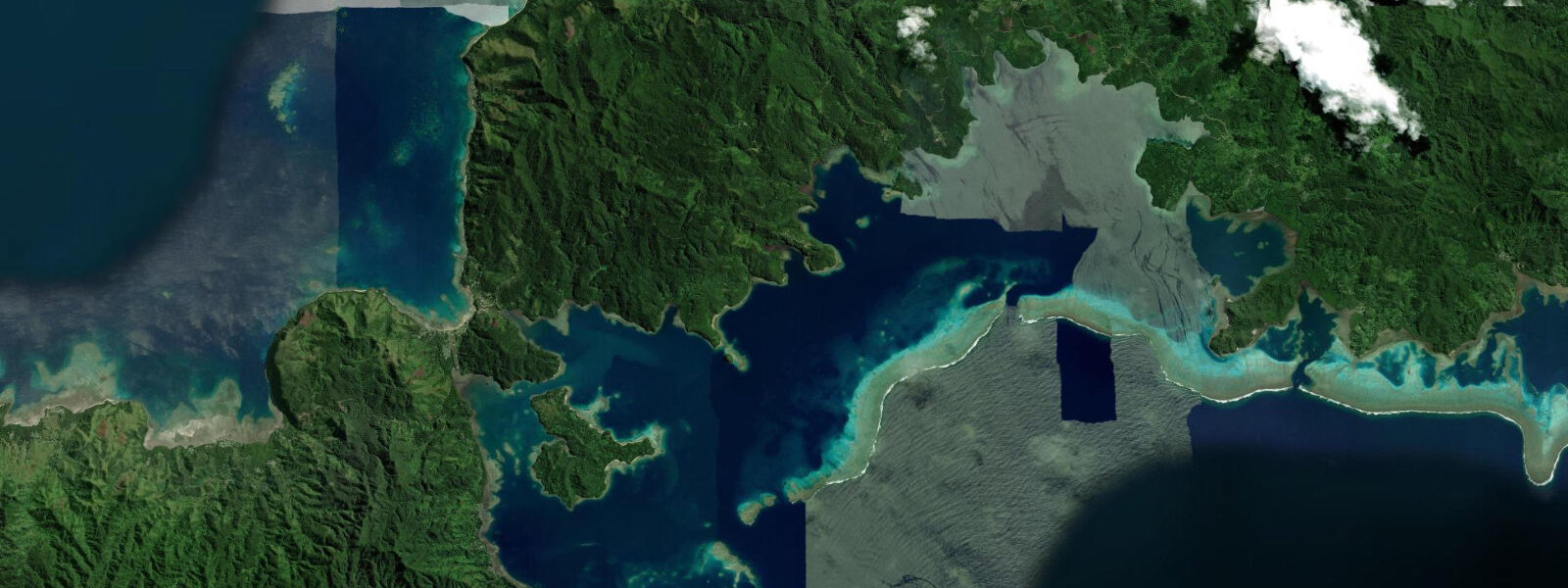
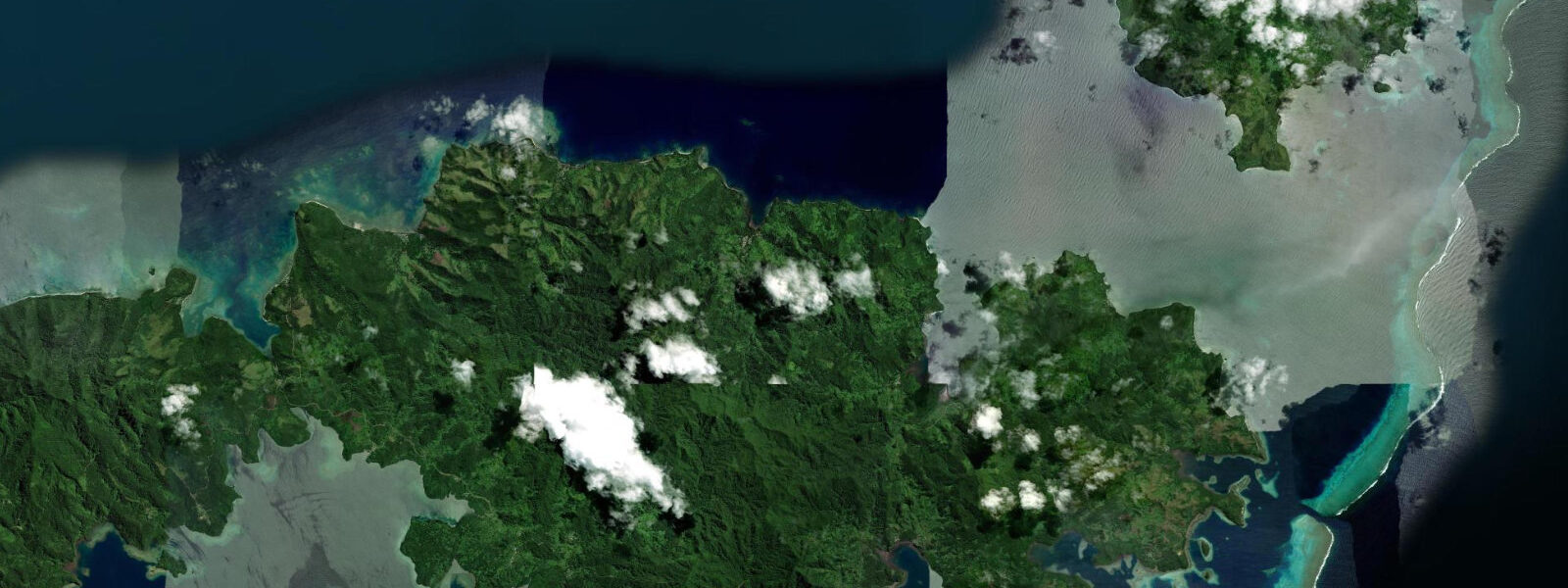
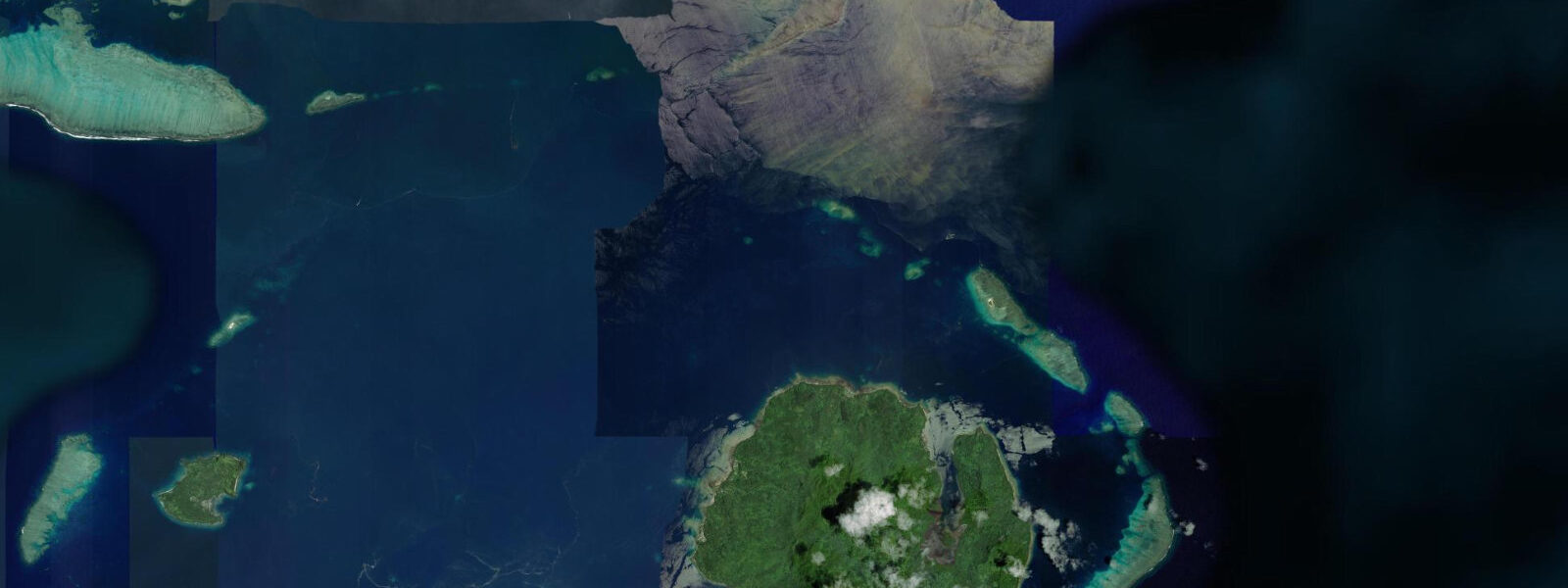
The three closest curated TideTurtle locations to Kadavu, Fiji, measured by great-circle distance.
Today's solunar windows
Solunar tradition: major periods are the ≈3h windows around moon transit and opposition; minor are ≈2h around moonrise and moonset. Pair with the local tide stage and wind for the best read.
Cycle dates near Kadavu, Fiji
Next spring tide on Mon 10 Aug (range 1.5m). Last neap on Tue 04 Aug.
Spring tides cluster around new and full moons (biggest swings). Neap tides land on quarter moons (smallest swings). See the spring tide and neap tide glossary entries for the why.
About tides at Kadavu, Fiji
A short guide to the coastline at Kadavu, Fiji — geography, sea state, and what the tide is actually doing under your feet.
Kadavu is the fourth-largest island in Fiji, lying 100 km south of Viti Levu across open Pacific water, and one of the least developed. Most villages on the island are accessible only by boat — the road network covers only a small fraction of the island's 411 km² — and the handful of small dive resorts and eco-lodges operate within that context, reached by seaplane from Suva (25 minutes) or by a 10-hour overnight ferry from Suva's Kings Wharf.
The Great Astrolabe Reef encircles the Kadavu group on three sides: 100 km of continuous barrier reef, one of the world's largest, enclosing a lagoon of exceptional clarity on the leeward southern side. The reef has several named passes — the main ones being the North Astrolabe Pass and the southern passages through which all significant marine traffic and tidal exchange occurs. The tidal current through these passes reaches 1.0 to 2.5 knots on spring tides, concentrating planktonic food and oxygenating the inner lagoon reef, which supports the dense soft and hard coral communities for which Kadavu is known among specialist divers.
The manta ray cleaning stations are the primary dive draw. Reef manta rays have home ranges centred on specific coral head cleaning stations where cleaner wrasse remove parasites; these stations on the inner wall of the Great Astrolabe Reef see manta visits most reliably on the incoming tide, when the flood brings nutrient-rich water over the wall and the mantas circle the stations in orderly queues. Operators time the manta dive entries to the flood phase — typically 1 to 2 hours before the predicted high. Cape Washington and the Manta Point site on the northwestern reef arc are the most documented; the dive resorts track sighting frequency and can advise on current activity.
Hawksbill sea turtles nest on the sandy beaches of Kadavu's north coast, primarily from October through February. The nesting beaches are remote and primarily accessible from the water; the dive resorts know which beaches are active in a given season and include them on kayak routes when appropriate. Sea kayaking in the Great Astrolabe lagoon is the other major non-diving activity: the calm inner lagoon water, village access from the water, and the absence of motor traffic on most of the lagoon make multi-day circuits — sleeping in village guesthouses and paddling between bays — genuinely practical. Pacific semidiurnal, spring range 1.0 to 1.4 m. Predictions on this page come from Open-Meteo Marine (gridded model, ±45 min / ±0.2–0.3 m). The Kadavu group kava ceremony is the formal cultural gateway to any village visit; arriving at a Kadavu village with sevusevu (a presentation of kava root to the chief) is the correct approach for overnight and extended stays. The eco-lodges facilitate this as part of the booking. Sea kayakers who plan to camp in villages arrange sevusevu presentation through their tour operator; independent paddlers arriving at a village without introduction will be directed to the chief first regardless. The Astrolabe Reef, one of the largest barrier reefs in the Pacific, wraps around Kadavu's south coast and contains dive sites of exceptional quality. Current at the outer reef pass — particularly Naiqoro Passage — can exceed 3 knots at spring tide; dive operators work this site on the flood when visibility is highest and fish life is most concentrated at the channel edges. Snorkelling the inner lagoon fringing reef requires planning around low water: the inner reef flat has sections as shallow as 0.2 m at spring low and becomes impassable even on a paddleboard. The fishing communities at Vunisea and the south coast villages operate a combination of fish traps set in the inter-reef passages and handline fishing from small boats at the reef edge; both methods work best on specific tidal phases, and local fishers have detailed knowledge of each passage's current behaviour. Access to the outer reef from shore requires a boat at low water; the inner reef is accessible by wading at low water but requires reef shoes and care to avoid coral damage.
Tide questions about Kadavu, Fiji
Quick answers to the most common questions about tide times, range, and water access at Kadavu, Fiji.
When is the next high tide at Kadavu?
The hero block shows the next predicted high at Kadavu in Fiji Time (FJT, UTC+12). Pacific semidiurnal, spring range 1.0 to 1.4 m. The manta ray cleaning stations on the inner Great Astrolabe Reef are most active on the flood tide — the incoming water brings food and oxygen to the cleaning sites, and manta activity at the stations correlates with the 1 to 2 hours before the predicted high. Predictions from Open-Meteo Marine (gridded model, ±45 min / ±0.2–0.3 m).
What is the tidal range at Kadavu?
Spring range runs 1.0 to 1.4 m; neap range about 0.5 to 0.7 m. The Great Astrolabe Reef passes concentrate the tidal exchange, producing 1.0 to 2.5 knot currents through the main reef passages even at Fiji's modest tidal heights. The current quality at the dive sites is the operationally significant variable; the height change in the lagoon is secondary. The Great Astrolabe Reef passes run 1.0 to 2.5 knots on spring tides; the pass current is the operationally significant tidal effect for divers and the reef-pass approach for vessels.
Where do these predictions come from?
Open-Meteo Marine, a free gridded global ocean model, accuracy ±45 min / ±0.2–0.3 m. Fiji Meteorological Service publishes authoritative tidal predictions; the Kadavu prediction has a small offset from the Suva reference station. Local dive resort operators apply the correction for manta and reef-pass dive timing. Fiji Meteorological Service publishes Kadavu tidal data; the timing offset from Suva is known and applied by local resort operators for manta and reef-pass dive planning. The Maritime Safety Authority of Fiji (MSAF) publishes official tide tables for vessels operating in Fijian waters; these should be used for any navigation through Astrolabe Reef passes.
When is the best season to see manta rays at Kadavu?
Manta ray sightings at the Great Astrolabe cleaning stations are documented year-round, but frequency peaks in the cooler drier months from June through October when plankton production is higher in the Fiji lagoon waters. Spring tides — new and full moon — are the most reliable trigger for cleaning station activity. The dive resort staff keep sighting logs and can advise on current frequency during any given visit; asking when the last aggregation at the main cleaning station occurred is the most reliable forward indicator.
Is this safe to use for navigation?
No. TideTurtle is a planning tool. The Great Astrolabe Reef passes and the Kadavu island group approaches are complex navigational environments with strong current, unlit reef sections, and variable depths in the inner lagoon. Local pilot knowledge is essential. Use Fiji Maritime Safety Authority chart products for vessel operations in the Kadavu area. The Great Astrolabe Reef has numerous unmarked and unlit hazards between the main passes; local pilot knowledge is essential and Fiji Maritime Safety Authority chart products cover the Kadavu group.
7-day tide table — Kadavu, Fiji
Heights relative to MSL. Predictions: Open-Meteo Marine (MeteoFrance SMOC, 0.08° grid) — heights relative to MSL (not chart datum / LAT). Model-derived.
| Day | Type | Time | Height |
|---|---|---|---|
| Thu 06 Aug | Low | 04:40 | 0.2m |
| High | 10:48 | 1.1m | |
| Low | 16:48 | 0.2m | |
| High | 23:11 | 1.2m | |
| Fri 07 Aug | Low | 05:43 | 0.1m |
| High | 11:50 | 1.0m | |
| Low | 17:40 | 0.2m | |
| Sat 08 Aug | High | 00:06 | 1.2m |
| Low | 06:43 | 0.1m | |
| High | 12:55 | 1.0m | |
| Low | 18:40 | 0.2m | |
| Sun 09 Aug | High | 01:06 | 1.2m |
| Low | 07:48 | 0.0m | |
| High | 14:02 | 1.0m | |
| Low | 19:46 | 0.2m | |
| Mon 10 Aug | High | 02:10 | 1.3m |
| Low | 08:47 | 0.0m | |
| High | 15:05 | 1.1m | |
| Low | 20:50 | 0.2m | |
| Tue 11 Aug | High | 03:12 | 1.4m |
| Low | 09:47 | -0.0m | |
| High | 16:06 | 1.2m | |
| Low | 21:54 | 0.2m | |
| Wed 12 Aug | High | 04:11 | 1.4m |
| Low | 11:00 | -0.1m |